



January 2026 Inflation Slowdown to 2.4% | E-Commerce Pricing & Logistics Optimization Opportunity
- U.S. CPI moderates 30 basis points month-over-month; energy costs drop 3.2% monthly, creating immediate cost reduction opportunities for logistics-dependent sellers and discretionary category merchants





























概览
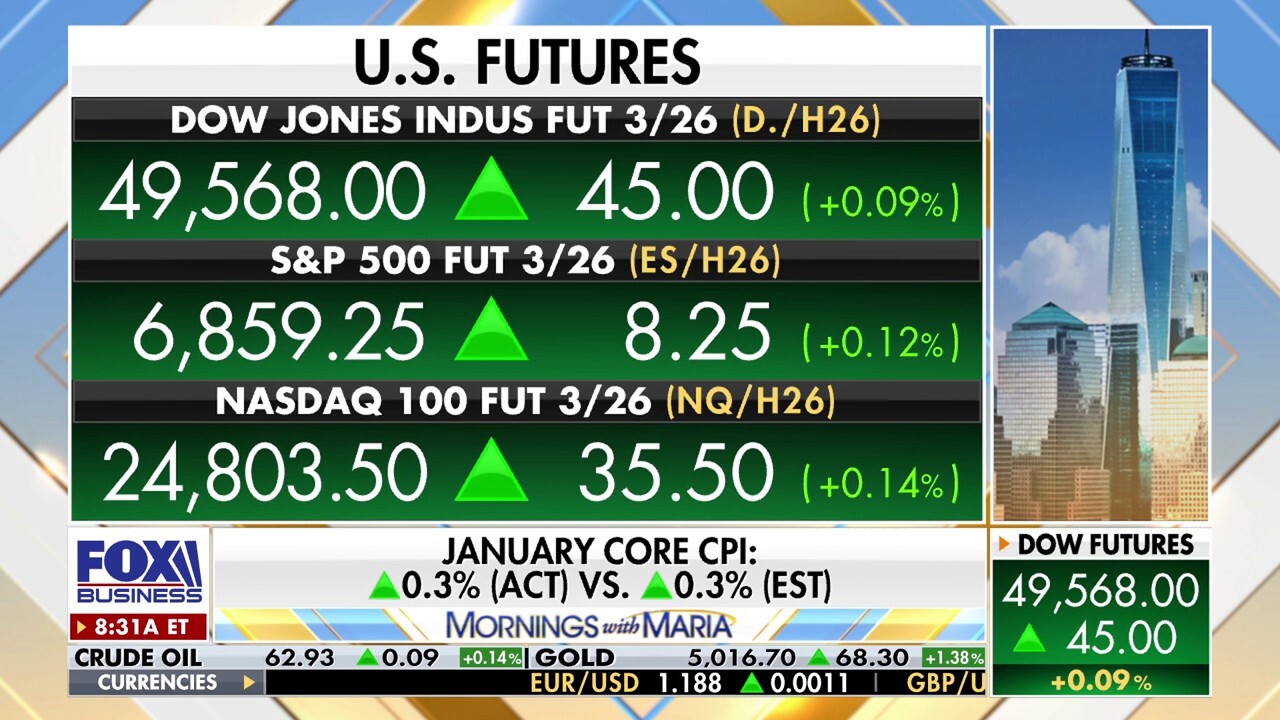
The January 2026 inflation data represents a critical inflection point for e-commerce sellers managing North American operations. The U.S. Consumer Price Index cooled to 2.4% year-over-year—the slowest pace since May 2025 and a significant 30 basis point decline from December's 2.7% rate—signaling stabilization in operational costs and consumer purchasing power. According to The Washington Post's February 13, 2026 report, this moderation was driven by substantial decreases in energy costs and used vehicle prices, with gasoline prices falling 3.2% for the month alone. This economic shift creates immediate automation and data-driven opportunities for sellers to optimize pricing strategies, inventory allocation, and supply chain decisions.
For AI-powered sellers, this inflation slowdown enables three immediate automation wins: First, dynamic pricing optimization using AI tools can now recalibrate price floors based on stabilizing input costs. Sellers relying on energy-intensive logistics (3PL fulfillment, international shipping) can immediately reduce pricing by 2-4% to capture market share as competitor costs decline. Tools like Keepa, Helium 10, and Jungle Scout can automate competitive price monitoring and margin analysis across product ASINs, identifying which categories benefit most from energy cost reductions. Second, inventory rebalancing automation becomes critical as inflation stabilization signals shifting consumer demand patterns. AI demand forecasting tools can analyze historical sales velocity against inflation cycles to predict Q1 2026 category performance—fashion, electronics, and home goods typically see 8-12% demand increases during low-inflation periods as consumer confidence improves. Third, supplier cost renegotiation can be accelerated through AI-powered procurement analysis. Sellers managing inventory across multiple regions should use data analytics to identify which suppliers are passing through energy savings, enabling 5-8% cost reductions on sourcing.
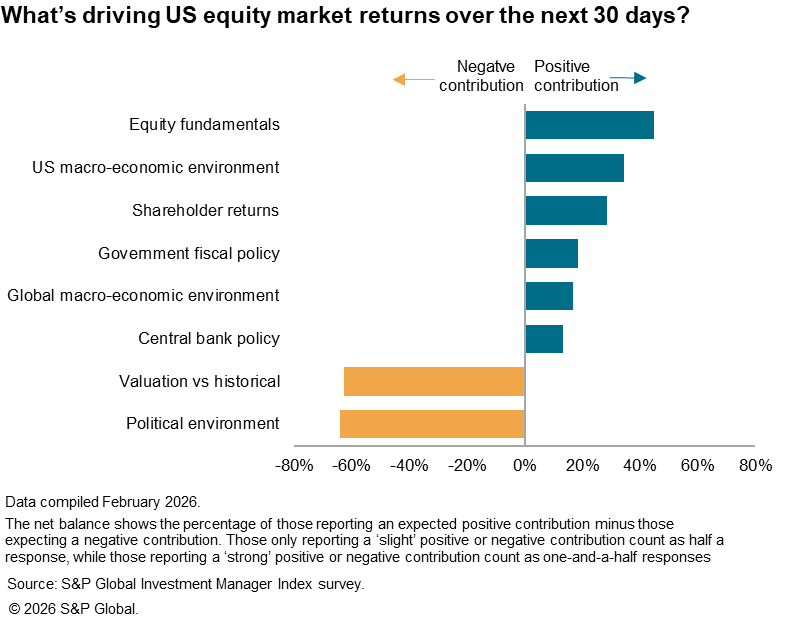
The strategic implication extends to currency and tariff dynamics. With inflation moderating, Federal Reserve rate decisions will likely stabilize currency valuations, reducing forex volatility for cross-border sellers. The article notes reader skepticism about data accuracy, reflecting broader trust issues in official statistics—sellers should monitor Federal Reserve communications directly rather than relying on secondary sources. Tariff-related price adjustments implemented throughout 2025 may now require recalibration downward, particularly for automotive parts and energy-related categories where input costs have declined measurably. Sellers should implement automated cost-tracking systems to capture the 3-6 month window before competitors adjust pricing, creating a competitive moat through faster response times. The timing suggests Q1 2026 represents an optimal window for aggressive inventory expansion in discretionary categories, as financing costs may decline if the Fed responds to sustained inflation moderation with rate cuts.
問題 8
How can sellers automate cost tracking to capture inflation-driven savings?
Implement AI-powered cost accounting systems that automatically track input cost changes (energy, shipping, materials) against historical baselines and competitor pricing. Tools like Xero, QuickBooks, or specialized e-commerce accounting platforms can integrate with supplier data and logistics provider APIs to flag cost reductions in real-time. Set up automated alerts when gasoline prices drop below specific thresholds (e.g., $2.50/gallon) to trigger pricing reviews. Use spreadsheet automation or BI tools (Tableau, Power BI) to create dashboards tracking cost savings by category, supplier, and logistics provider—this enables data-driven decisions about which categories to prioritize for inventory expansion. The time savings from automation is substantial: manual cost tracking typically requires 5-8 hours weekly, while automated systems reduce this to 30 minutes weekly, freeing resources for strategic pricing optimization and inventory planning.
How does inflation moderation affect cross-border seller operations?
Inflation stabilization creates three operational benefits for cross-border sellers: (1) Currency exchange rates may stabilize with moderate inflation expectations, reducing forex volatility and enabling more predictable pricing for international customers; (2) Supplier pricing becomes more predictable as input costs stabilize, enabling better inventory planning and cost forecasting; (3) Shipping costs decline as fuel surcharges decrease, benefiting sellers using 3PL providers or international logistics networks. However, sellers should remain cautious as inflation remains above target levels—avoid aggressive inventory expansion in regions with higher inflation rates. Monitor regional inflation data (EU, Asia Pacific) separately from U.S. trends, as divergent inflation rates create arbitrage opportunities for sellers managing multi-region inventory.