



Australia's Political Polarization & Community Division | Cross-Border Seller Market Risk Assessment
- February 2026 Herzog visit exposes deep societal divisions affecting Australian consumer sentiment, brand positioning, and market stability for international e-commerce sellers











概览
Market Context & Geopolitical Impact on Australian E-Commerce
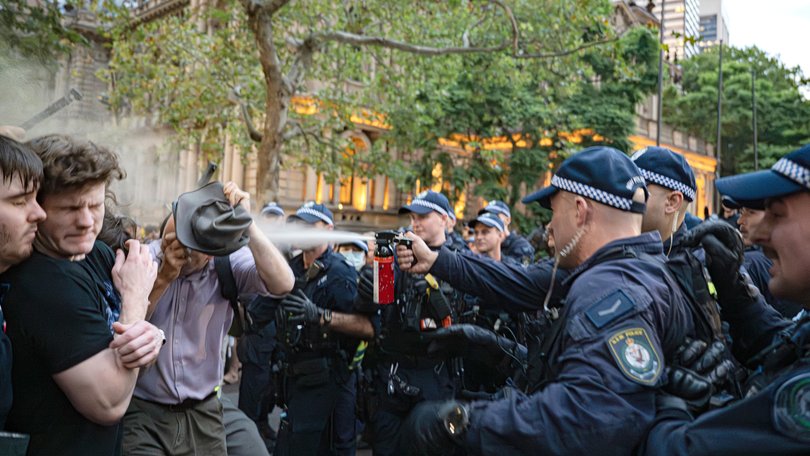
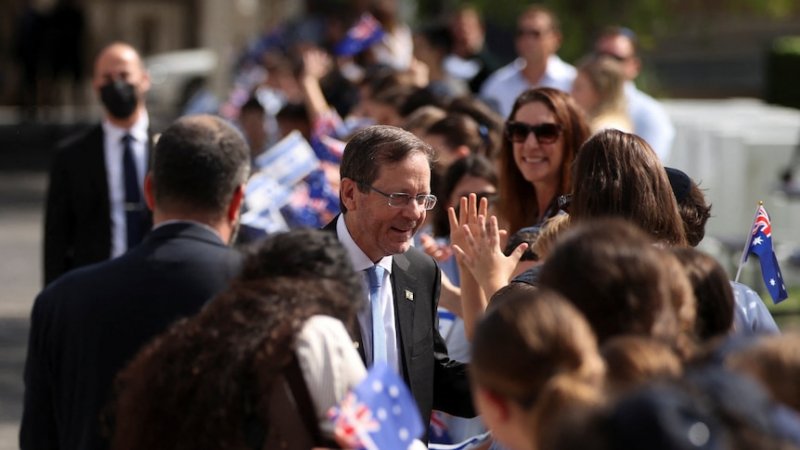
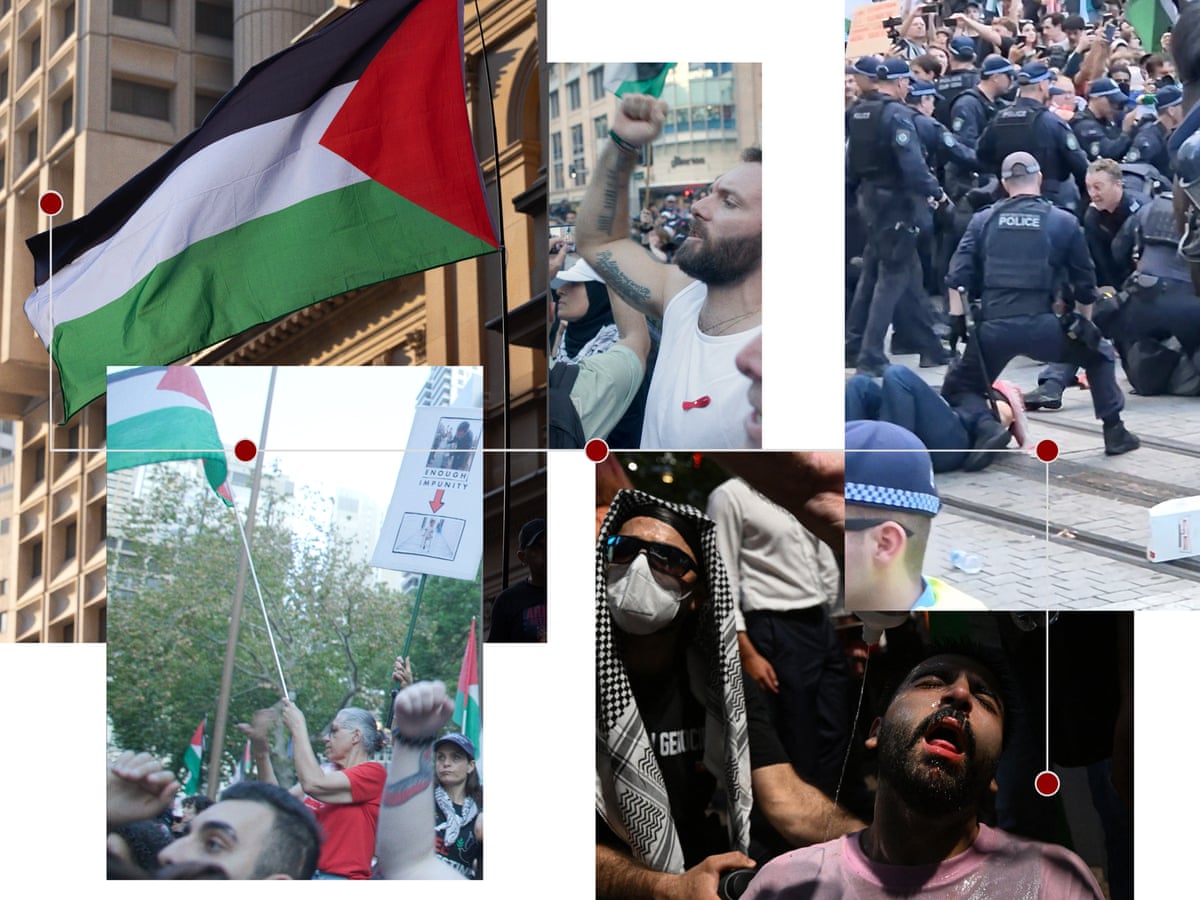
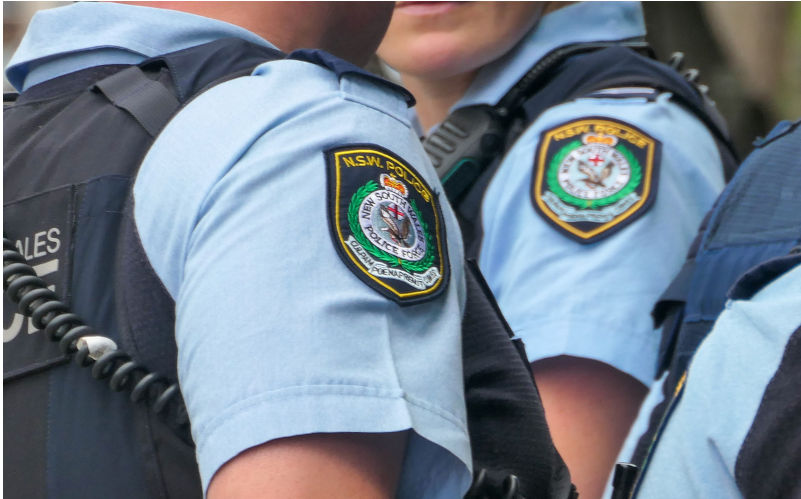
The February 2026 visit of Israeli President Isaac Herzog to Australia has created significant societal divisions that directly impact the operational environment for cross-border e-commerce sellers targeting Australian consumers. The visit, occurring just two months after the December 2025 Bondi Beach terrorist attack that killed 15 people, has polarized Australian society along religious and political lines. While the Jewish community views Herzog's presence as solidarity and security affirmation following antisemitic violence, pro-Palestinian activists view the visit negatively given the 70,000+ Palestinian deaths and Gaza humanitarian crisis. This polarization manifests in public protests, police confrontations (27 arrests, 9 charged during Sydney demonstrations), and broader community tensions that directly influence consumer behavior and brand perception in the Australian market.
Operational & Reputational Implications for E-Commerce Sellers
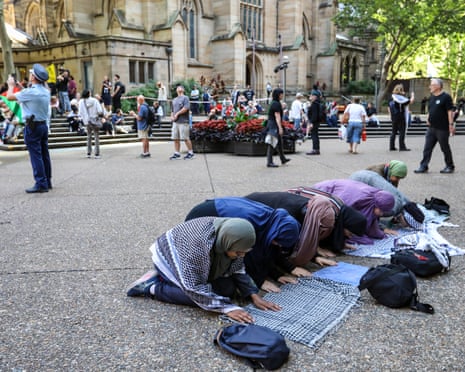
For cross-border e-commerce businesses operating in Australia, this geopolitical event creates measurable market risks and opportunities. Consumer sentiment fragmentation means that brand positioning, product sourcing narratives, and marketing messaging must navigate heightened sensitivities around Middle Eastern politics, religious identity, and community relations. Sellers with supply chains involving Israeli or Palestinian suppliers, or those marketing to either Jewish or Muslim Australian communities, face increased scrutiny regarding corporate social responsibility positioning. The incident involving NSW police disrupting Muslim worshippers during prayer—captured on video and generating significant community backlash—signals that religious and cultural sensitivities are at elevated levels. This creates reputational risk for brands perceived as insensitive to either community's concerns.
Market Dynamics & Consumer Behavior Shifts
The protests and police response (Law Enforcement Conduct Commission investigation announced, NSW Police Commissioner offering private apologies while Premier declined public apology) indicate institutional tensions that affect market stability. Consumer purchasing decisions in polarized markets become influenced by brand values alignment with community positions. Sellers should anticipate: (1) increased consumer research into brand sourcing and corporate positions on geopolitical issues; (2) potential boycott campaigns targeting brands perceived as supporting either Israeli or Palestinian interests; (3) heightened sensitivity to product marketing that references Middle Eastern regions, religious symbolism, or political messaging; (4) community-driven social media campaigns that can rapidly impact brand reputation. The Australian National Imams Council and Australia Palestine Advocacy Network (APAN) calls for "accountability and transparency" signal that community organizations are mobilizing around corporate responsibility issues, which extends to e-commerce platforms and sellers.
Strategic Considerations for Market Operations
E-commerce sellers should implement market-specific strategies: Monitor Australian social media sentiment regarding brand positioning on geopolitical issues; review product sourcing transparency to ensure supply chain narratives don't inadvertently align with contested political positions; consider community engagement strategies that demonstrate cultural sensitivity and respect for diverse Australian communities; evaluate whether current marketing campaigns contain messaging that could be perceived as insensitive given heightened community tensions. The timing of this polarization—occurring during a period of elevated security concerns and community trauma following the Bondi Beach attack—means that consumer sentiment is particularly reactive to perceived corporate insensitivity. Sellers should avoid product launches, marketing campaigns, or corporate statements that could be interpreted as taking political positions on Israeli-Palestinian issues during this period of heightened tension.
問題 8
How can sellers engage with Australian communities to build trust during polarization?
Direct community engagement becomes essential for brand reputation management in polarized markets. Sellers should: (1) establish relationships with community leaders from both Jewish and Muslim Australian organizations; (2) sponsor community events that demonstrate cultural respect and support for both communities; (3) implement transparent hiring and supplier diversity programs that include both communities; (4) create customer advisory boards including representatives from diverse religious and cultural backgrounds; (5) publish corporate responsibility reports documenting community engagement efforts. The NSW Police Commissioner's private apologies (while Premier declined public apology) demonstrate that private engagement is insufficient—public transparency and accountability are essential for legitimacy. Sellers should make community engagement visible through public reporting, media coverage, and transparent communication about how community feedback shapes business decisions. This approach builds trust across divided communities by demonstrating that seller values align with community interests.
What are the financial implications of brand reputation damage in polarized markets?
Brand reputation damage in polarized markets can result in measurable revenue loss through boycott campaigns, negative social media campaigns, and reduced consumer trust. Historical boycott campaigns targeting multinational corporations have reduced sales by 5-15% in affected markets, with recovery timelines of 6-18 months depending on response effectiveness. In the Australian context, the mobilization of the Australian National Imams Council and APAN signals organized community activism capacity. Sellers should quantify reputational risk by monitoring social media sentiment (tracking hashtags, mentions, engagement rates), conducting quarterly brand perception surveys in target demographics, and establishing crisis response protocols. The cost of proactive community engagement (estimated $50K-200K annually for medium-sized sellers) is significantly lower than the cost of reputation recovery following boycott campaigns or negative media coverage. Sellers should budget for community engagement as risk mitigation rather than optional corporate social responsibility.