


)


UK Brand Reputation Crisis | Seller Risk in Polarized Markets 2025
- Billionaire's immigration comments trigger 116K+ hate crimes spike, threatening UK sports merchandise sales and diverse seller partnerships








































概览
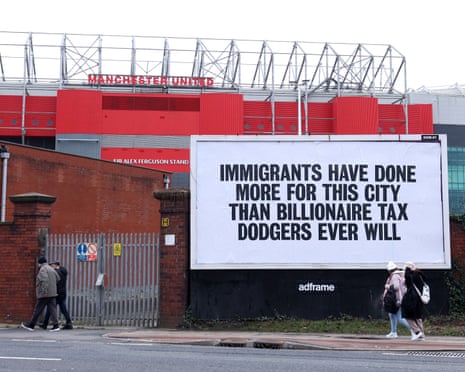
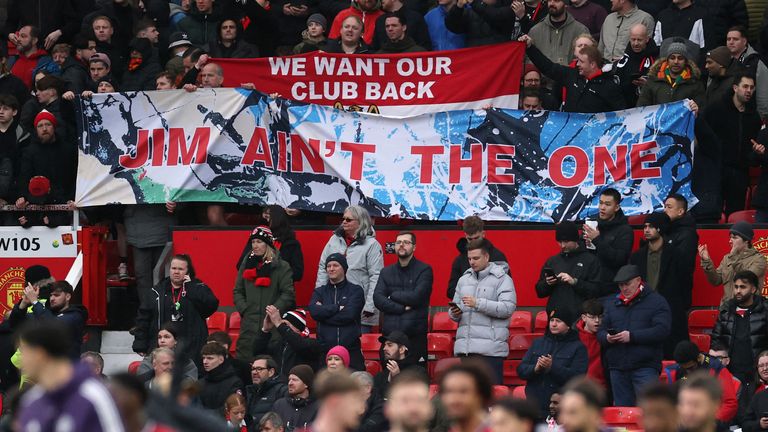
The Core Issue: Sir Jim Ratcliffe's controversial immigration statements—claiming the UK has been "colonised by immigrants"—have ignited a major reputational crisis affecting Manchester United's commercial partnerships and broader UK market stability. This incident reveals critical vulnerabilities for e-commerce sellers operating in polarized political environments, particularly those dependent on brand partnerships, sponsorships, and diverse customer bases.
Market Impact & Seller Exposure: The controversy directly threatens multiple revenue streams. Manchester United faces uncertain sponsorship renewals and stadium development funding delays, while the broader UK market shows measurable social instability: 116,000 hate crime incidents recorded in England and Wales (year to March 2025), representing a significant increase from prior year with one-fifth involving violence. Health Secretary Wes Streeting warned in November that racism is becoming "socially acceptable," creating a hostile environment for inclusive brands. For sellers, this translates to three critical risks: (1) Brand Partnership Volatility—sponsorship deals with polarized figures face sudden termination or public backlash; (2) Marketplace Moderation Pressure—platforms like Elon Musk's X face criticism for minimal racial abuse moderation, signaling potential regulatory crackdowns affecting seller advertising; (3) Diverse Customer Base Erosion—sellers targeting Muslim communities, immigrant demographics, or international audiences face declining trust in UK-based brands.
Platform & Operational Consequences: The incident demonstrates how billionaire influence amplifies through social media's "ratchet effect," where shocking statements escalate to maintain audience attention. Elon Musk's X platform is specifically criticized for promoting extreme political parties like Advance UK while minimizing racial abuse moderation. For sellers using X for advertising or brand building, this creates reputational association risks. Additionally, Ratcliffe's meeting with Reform UK leader Nigel Farage—whose party advocates net-zero immigration—signals potential policy shifts affecting UK labor supply chains and cross-border seller operations. Reform UK captured 14.2% of the 2024 popular vote despite winning only five seats, indicating significant political momentum that could reshape immigration policy affecting fulfillment center staffing and logistics networks.
Strategic Seller Implications: The data reveals anti-immigration sentiment correlates with affluence rather than economic anxiety (Ipsos data shows the most affluent fifth of British voters named immigration as their primary concern). This creates a paradox: wealthy customer segments driving premium category sales may simultaneously support policies restricting immigrant workers critical to UK fulfillment operations. Sellers must navigate this by: (1) Diversifying partnership exposure away from polarized figures; (2) Monitoring platform moderation policies for advertising restrictions; (3) Evaluating UK logistics dependencies given potential immigration policy shifts; (4) Building inclusive brand messaging to retain diverse customer segments amid rising hate crime incidents.
問題 8
What is the connection between UK hate crime increases and e-commerce seller risk?
The 116,000 hate crime incidents recorded in England and Wales (year to March 2025) signal a deteriorating social environment affecting consumer behavior and platform policies. For sellers, this creates three operational risks: (1) Platforms may implement stricter content moderation, affecting advertising reach for sellers in sensitive categories; (2) Diverse customer segments may reduce UK marketplace spending due to safety concerns; (3) Fulfillment center staffing becomes more challenging as immigrant workers face increased discrimination. Health Secretary Wes Streeting's November warning that racism is becoming 'socially acceptable' indicates this trend will likely accelerate, requiring sellers to proactively build inclusive brand messaging and diversify customer acquisition channels beyond UK-focused campaigns.
How does Elon Musk's X platform moderation policy impact seller advertising strategy?
X is criticized for minimal moderation of racial abuse while promoting extreme political parties like Advance UK, creating reputational association risks for sellers using the platform. For e-commerce sellers, this means: (1) Advertising on X may associate brands with controversial content, damaging reputation among diverse customer segments; (2) Regulatory pressure on X could lead to sudden advertising policy changes or account restrictions; (3) Competitors using alternative platforms (TikTok, Instagram, LinkedIn) may capture market share from sellers over-reliant on X. Sellers should audit their X advertising spend and consider reallocating 20-30% to platforms with stricter moderation policies to protect brand safety, particularly if targeting affluent or diverse demographics.