



Mexico's Interoceanic Train Tragedy Exposes Critical Infrastructure Vulnerabilities in Cross-Border Logistics
- Derailment Signals Systemic Risks for E-Commerce and International Trade Corridors














概览
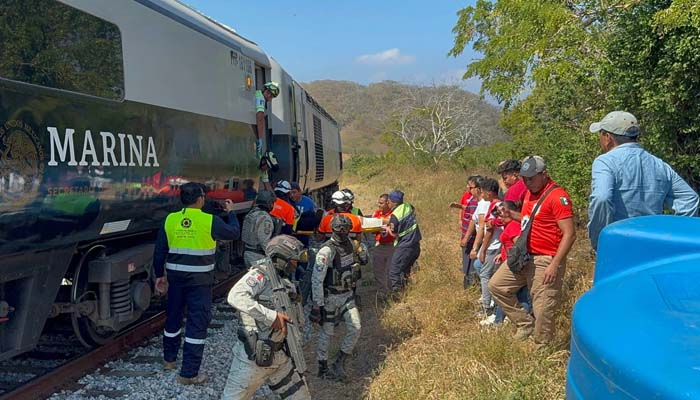
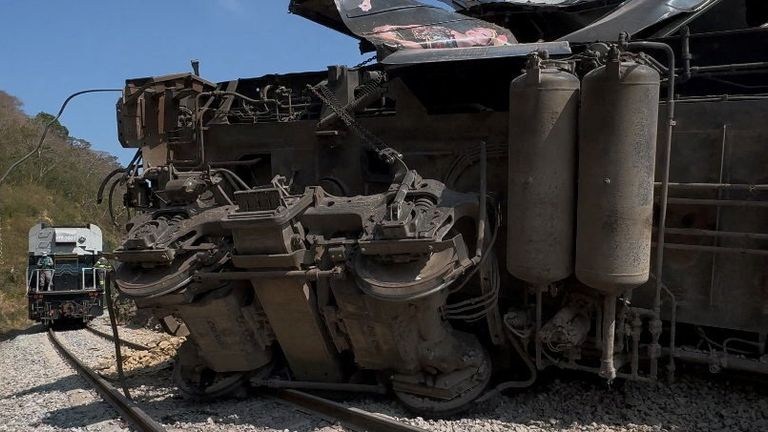
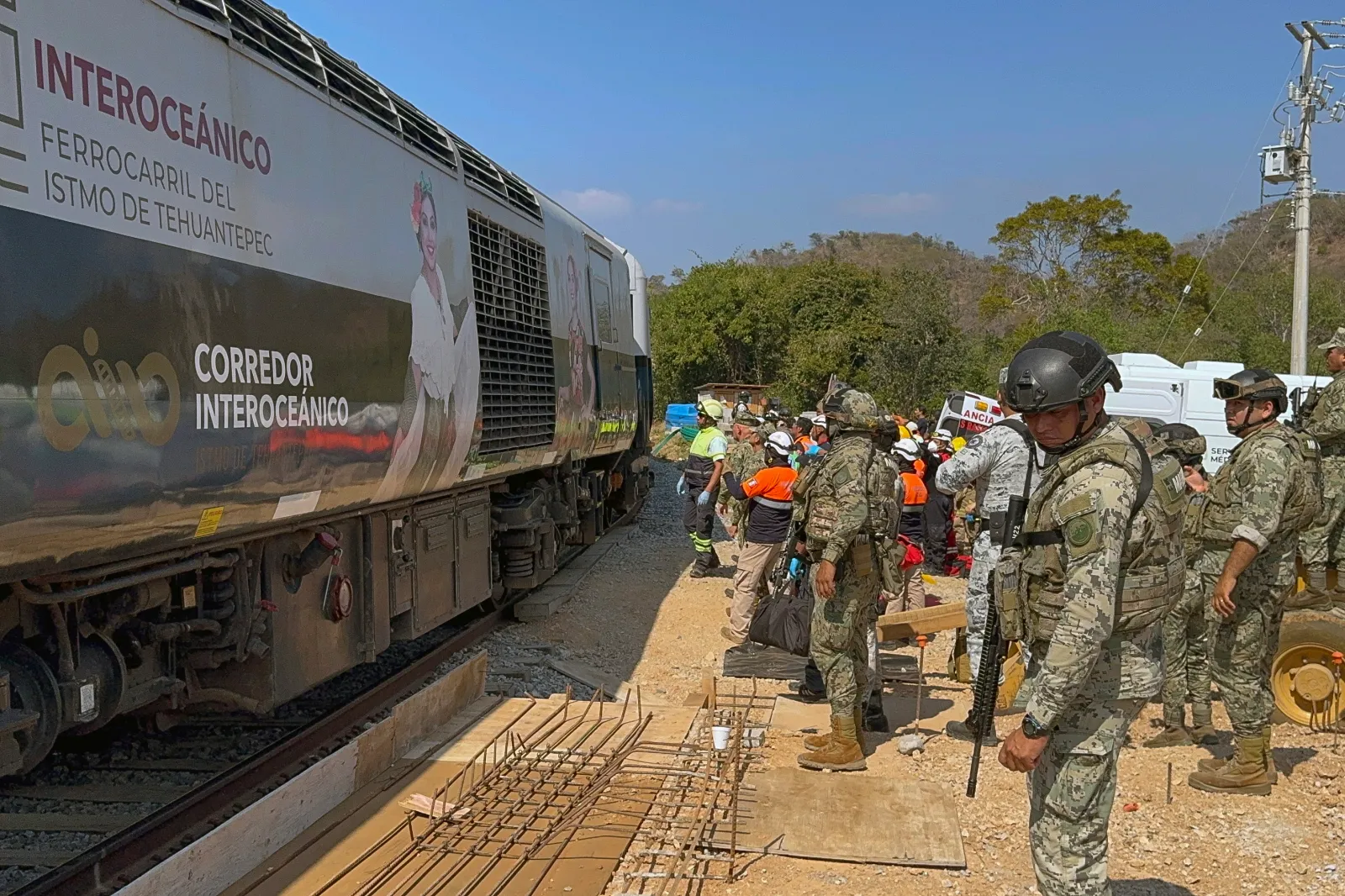
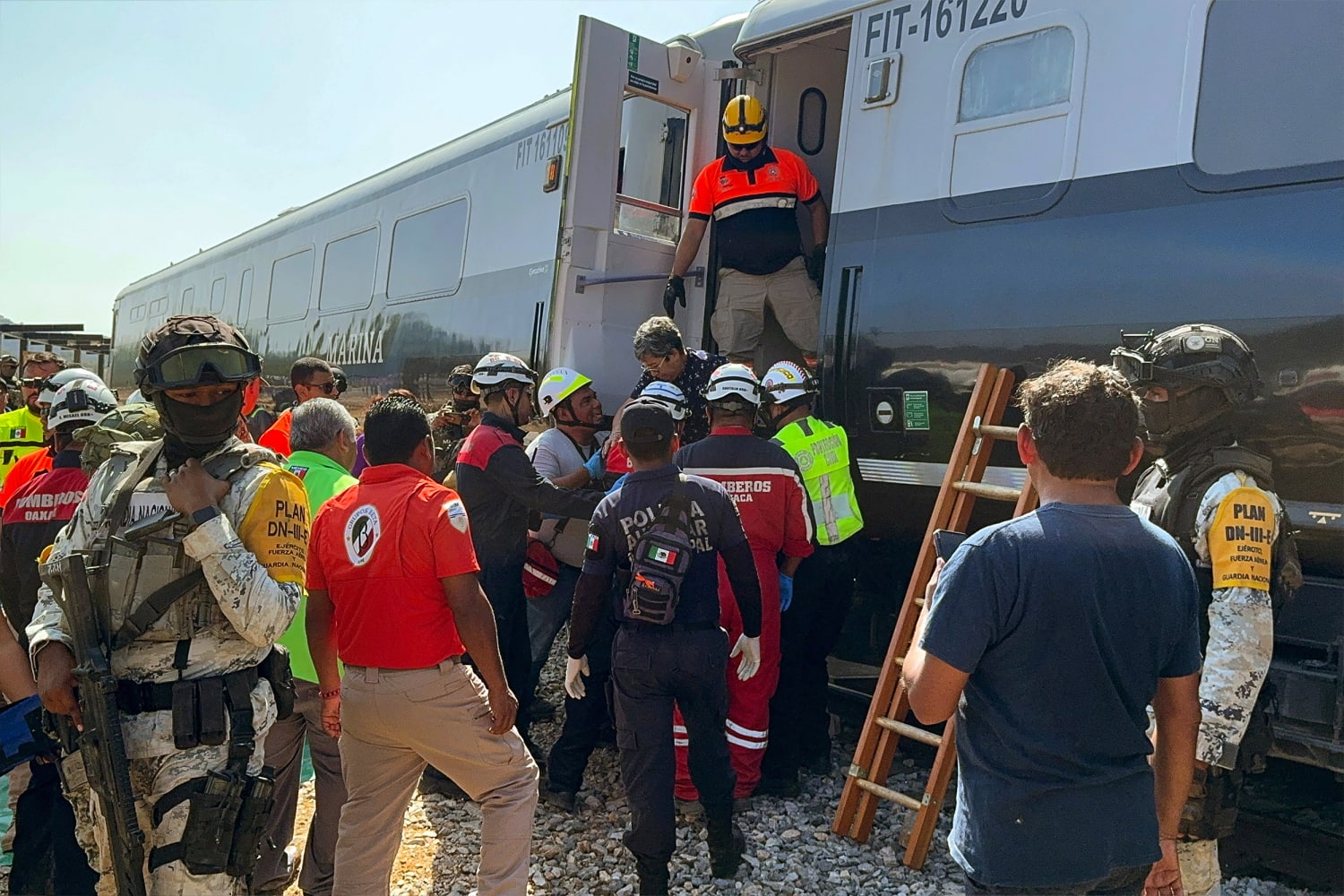
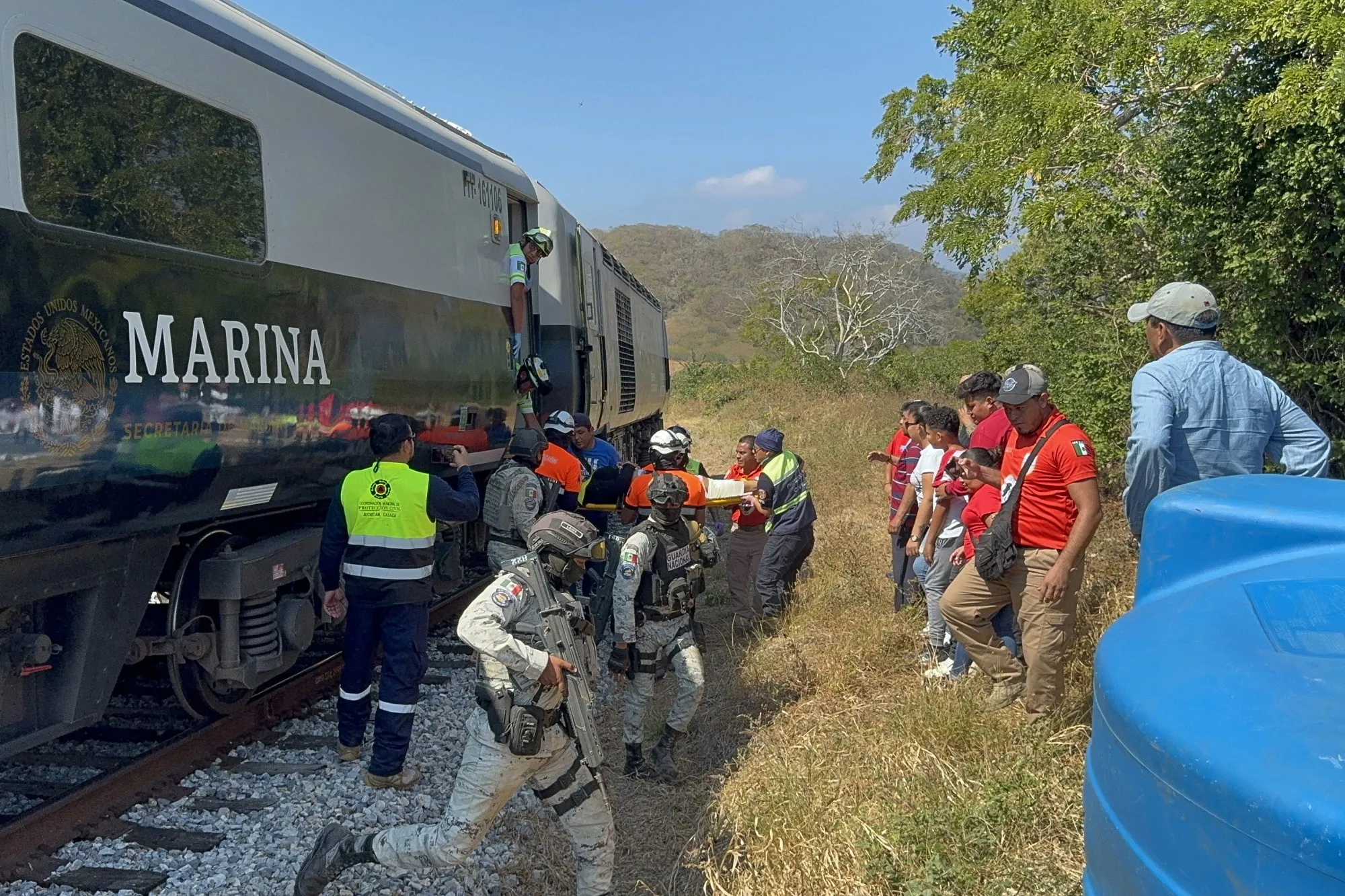
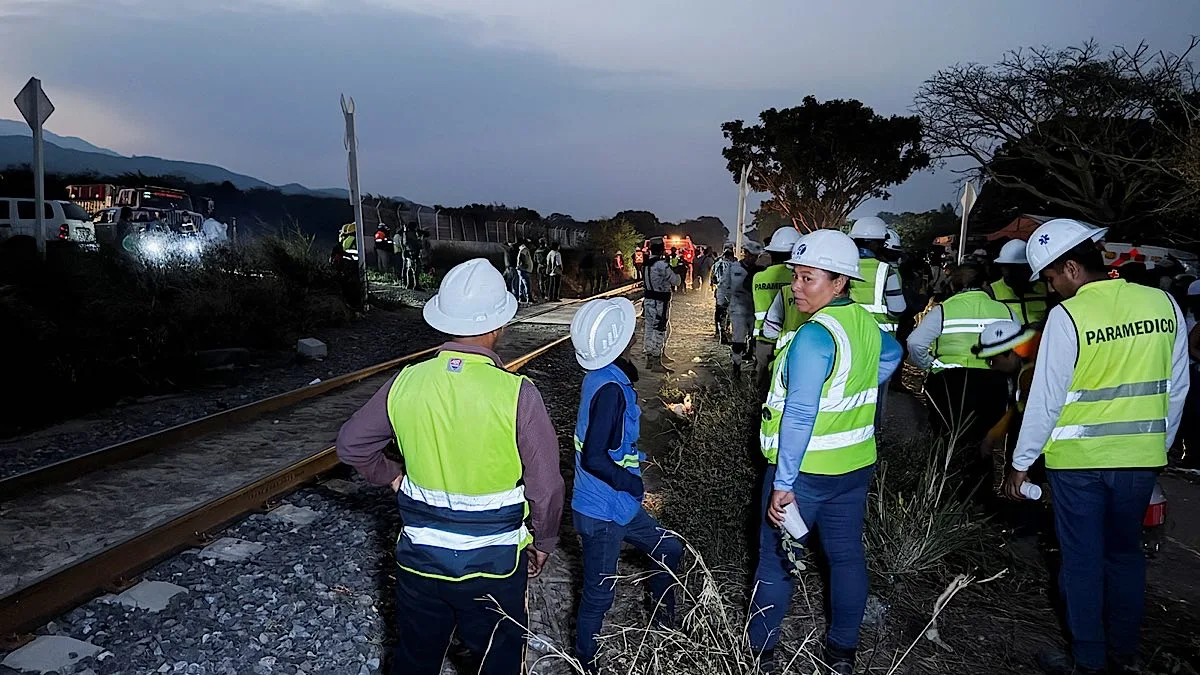
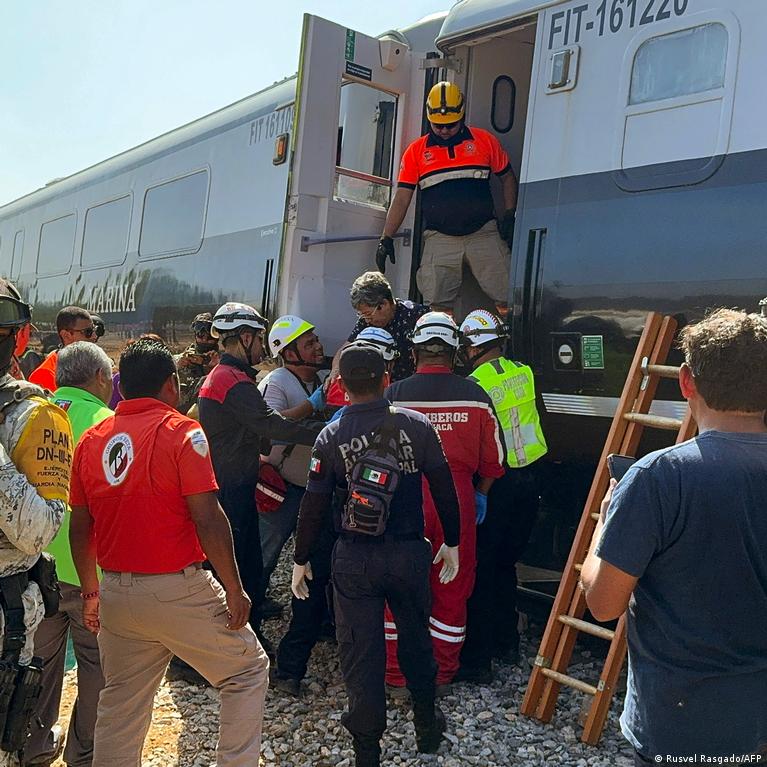
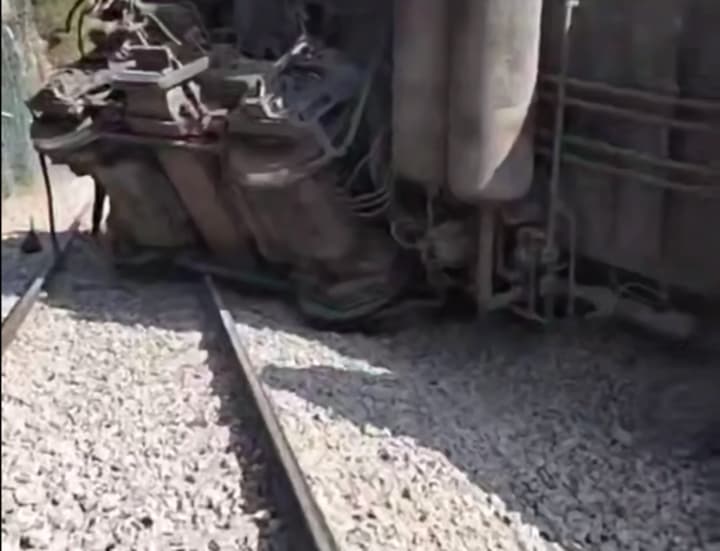
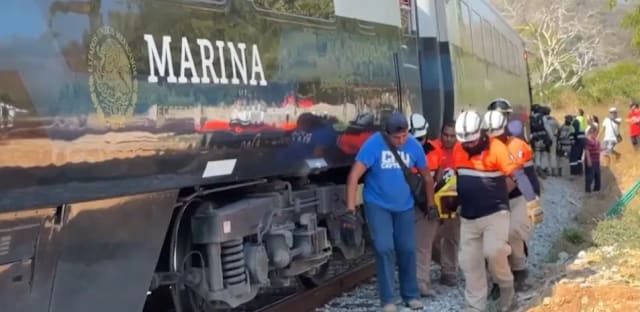
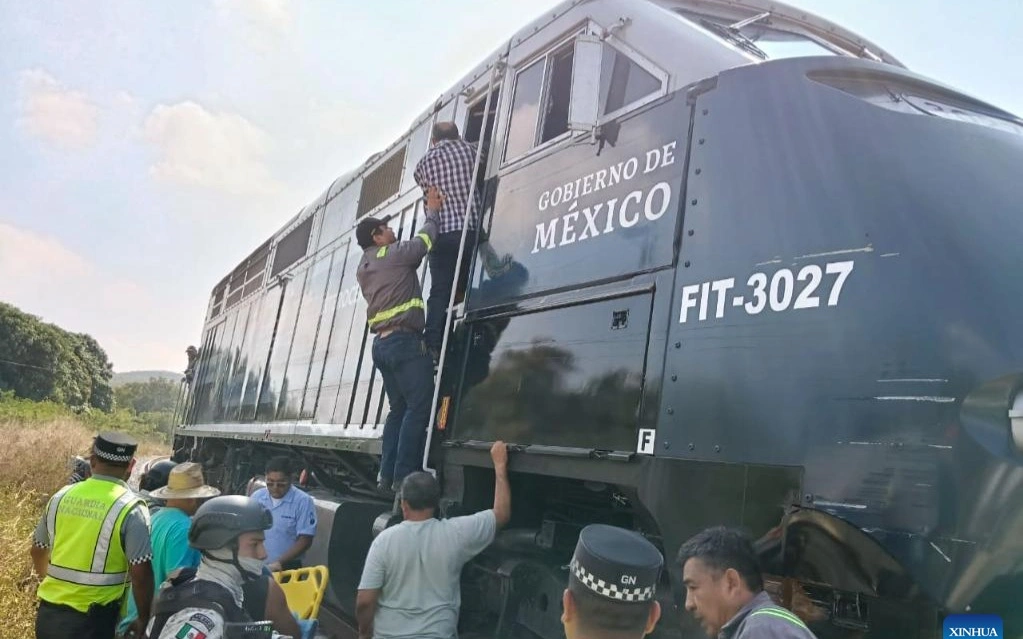
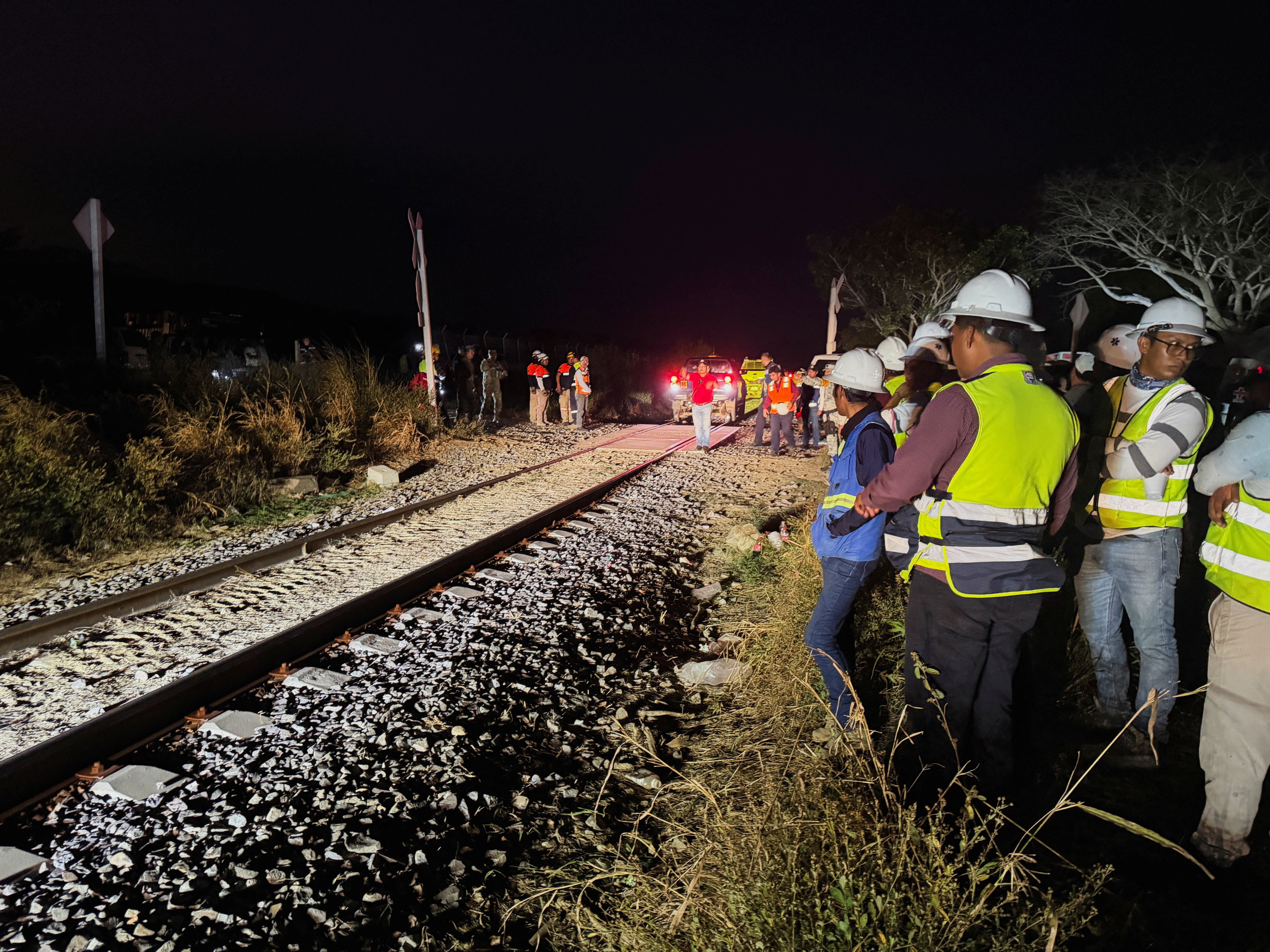
The tragic derailment of the Interoceanic Train in southern Mexico represents more than a transportation accident—it's a critical inflection point for cross-border logistics and infrastructure development. On December 28, 2025, a devastating train crash near Nizanda, Oaxaca, claimed 13 lives and injured nearly 100 passengers, exposing deep-seated vulnerabilities in Mexico's ambitious transportation modernization efforts.
Strategic Infrastructure Challenges emerge as the core narrative. The Interoceanic Train, a flagship project designed to create an alternative to the Panama Canal and enhance trade connectivity between the Pacific and Gulf coasts, now faces intense scrutiny. With 250 passengers aboard and managed by Mexico's Navy, the derailment occurred on a strategic route between Veracruz and Salina Cruz, highlighting the fragile nature of critical transportation networks.
For cross-border e-commerce sellers and international logistics operators, this incident signals a profound wake-up call. The accident underscores the need for comprehensive risk management strategies that go beyond traditional contingency planning. Companies must now consider more robust, diversified transportation routes and develop more resilient supply chain architectures that can withstand infrastructure vulnerabilities.
President Claudia Sheinbaum's confirmation of the casualties and the Mexican Navy's coordinated rescue efforts reveal the human and operational complexity of such incidents. The broader context suggests this is not merely an isolated event, but a symptom of deeper challenges in Mexico's transportation infrastructure. The Interoceanic Train project, initiated in 2023 as a beacon of economic development, now stands at a critical juncture—balancing ambitious national goals with the harsh realities of infrastructure reliability.
The incident demands a multi-layered response from businesses and policymakers alike. E-commerce sellers must develop more adaptive logistics strategies, potentially including redundant transportation routes, enhanced risk assessment protocols, and closer collaboration with local infrastructure authorities. The tragedy may ultimately catalyze more rigorous safety standards and infrastructure investments, transforming a moment of crisis into an opportunity for systemic improvement.
問題 3
What immediate risks does the Interoceanic Train derailment pose for cross-border e-commerce?
The derailment highlights potential supply chain disruptions, increased transportation costs, and the need for alternative shipping routes. E-commerce sellers must reassess their logistics strategies, potentially diversifying transportation methods and developing more robust contingency plans to mitigate risks in the Isthmus of Tehuantepec region.
How might this incident impact future infrastructure investments in Mexico?
The tragedy is likely to prompt increased scrutiny of transportation safety standards and potentially accelerate infrastructure investments. The Mexican government may implement more rigorous safety protocols, invest in infrastructure upgrades, and conduct comprehensive reviews of existing transportation networks to prevent similar incidents.