


Defense Tech Autonomy Boom | Supply Chain & B2B Opportunities for Industrial Sellers
- $1B+ defense autonomy market expansion creates component sourcing opportunities for electronics and aerospace suppliers; modular architecture standards open 500+ new vendor contracts through 2026

概览
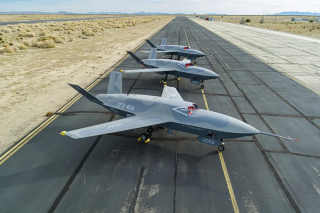
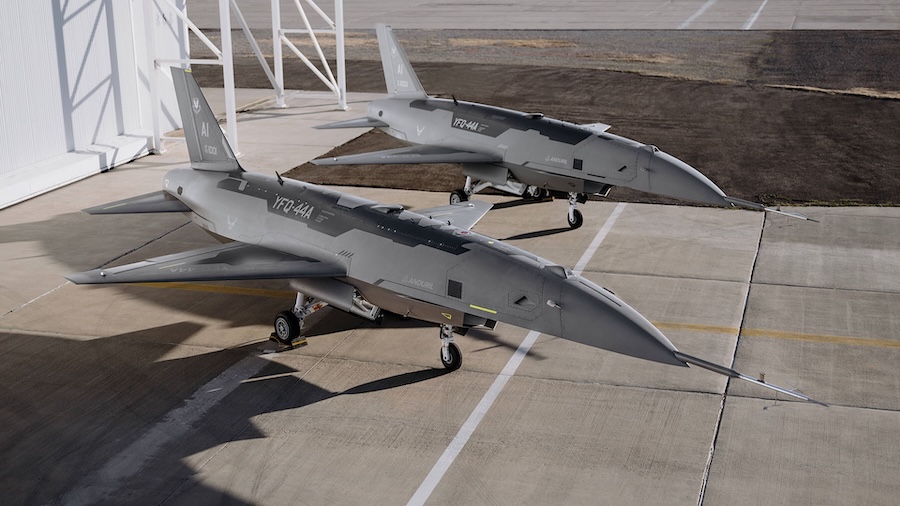
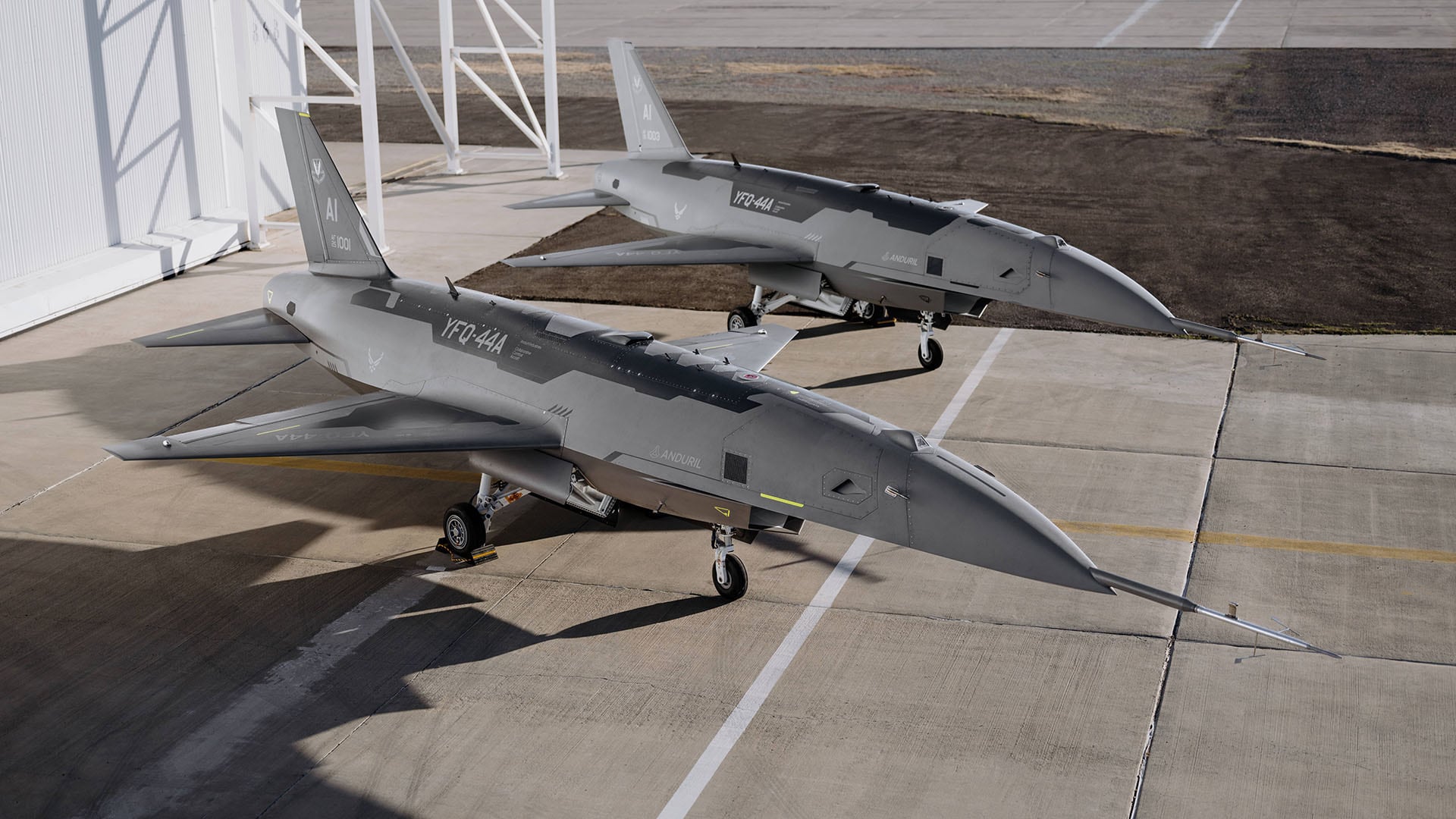
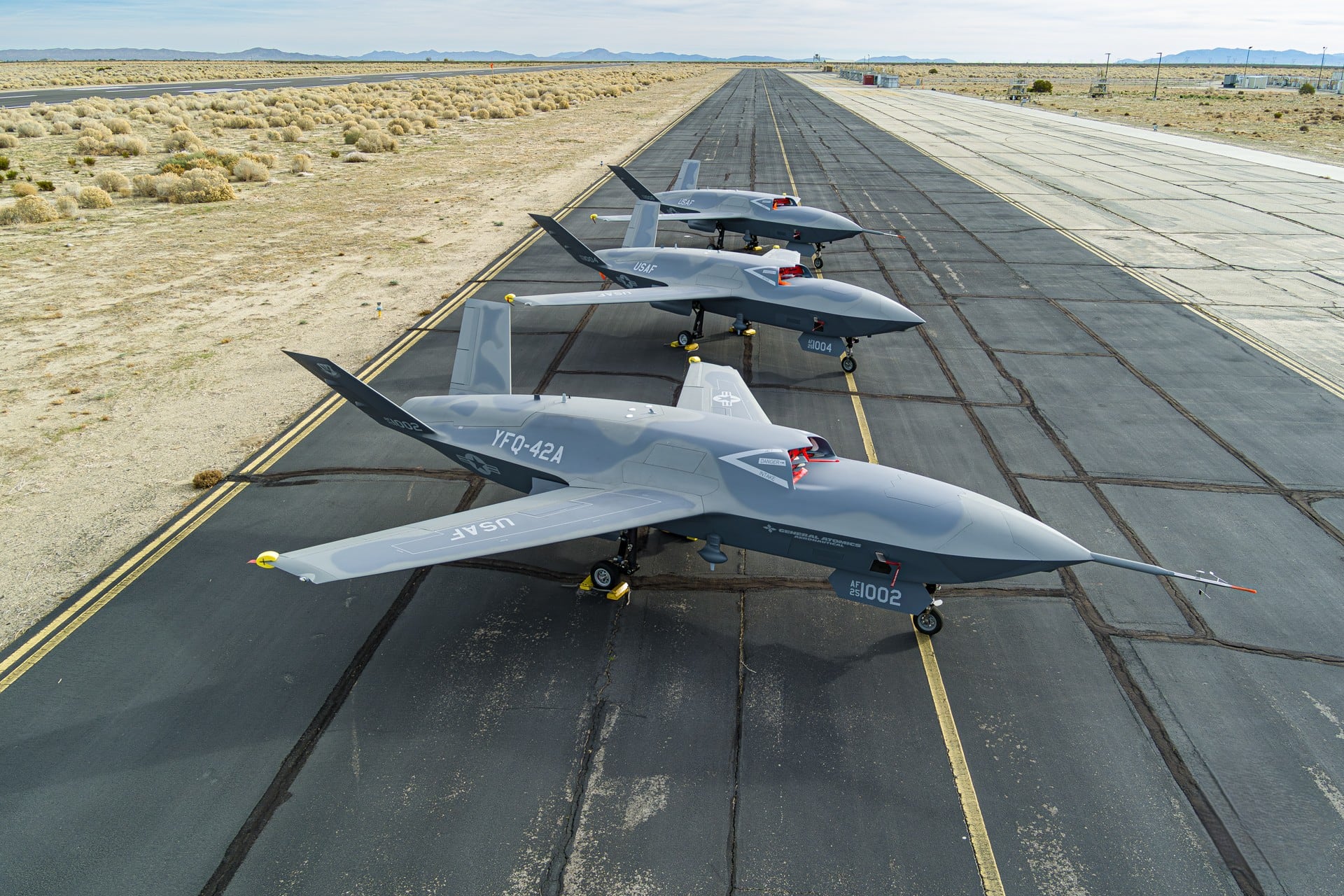
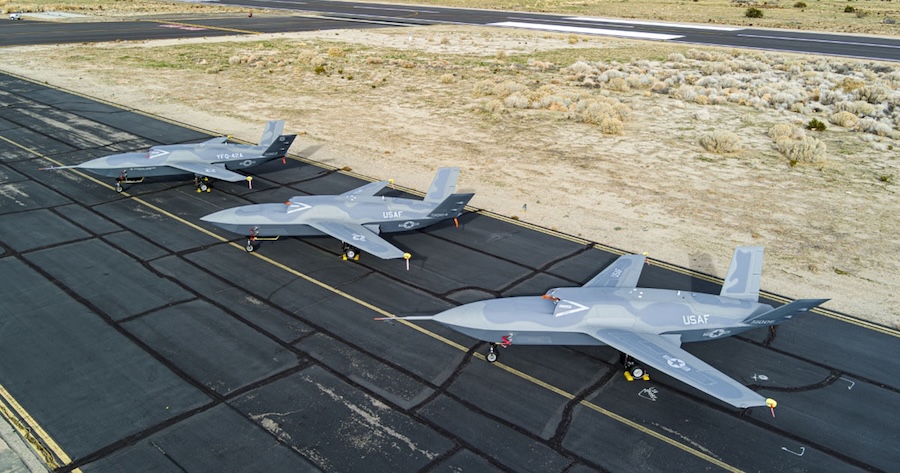
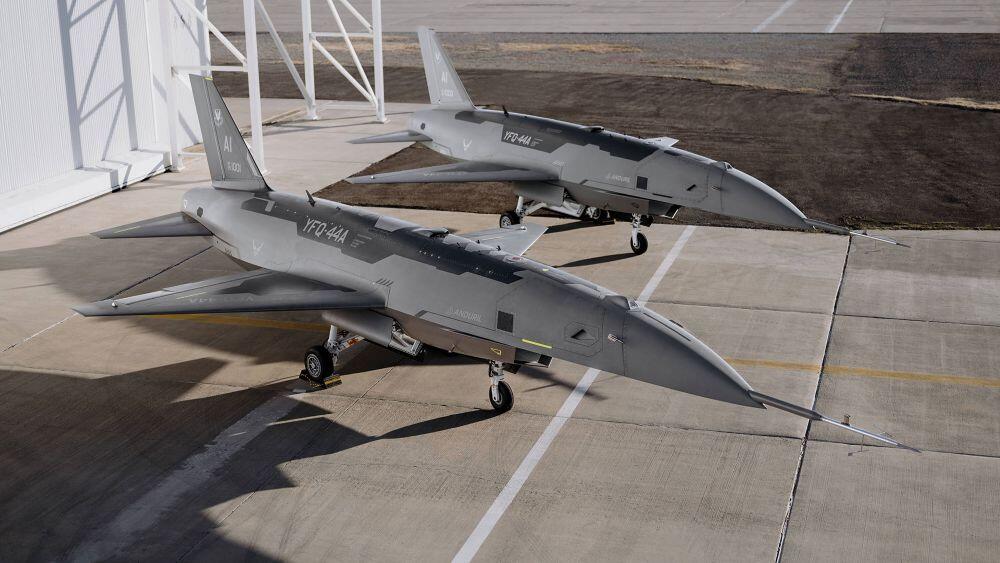
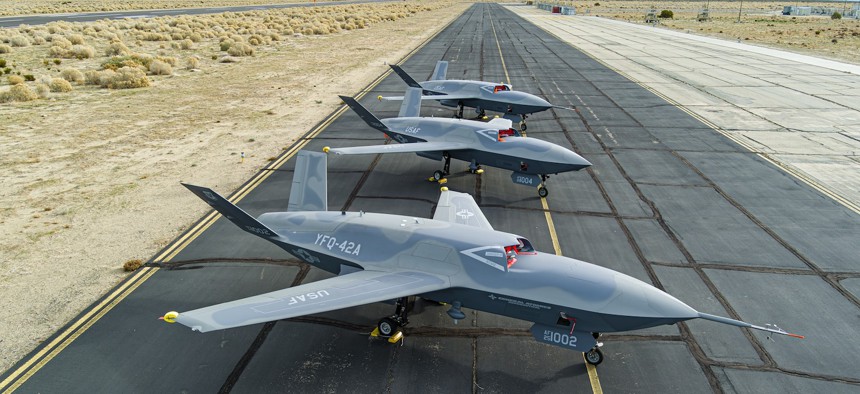
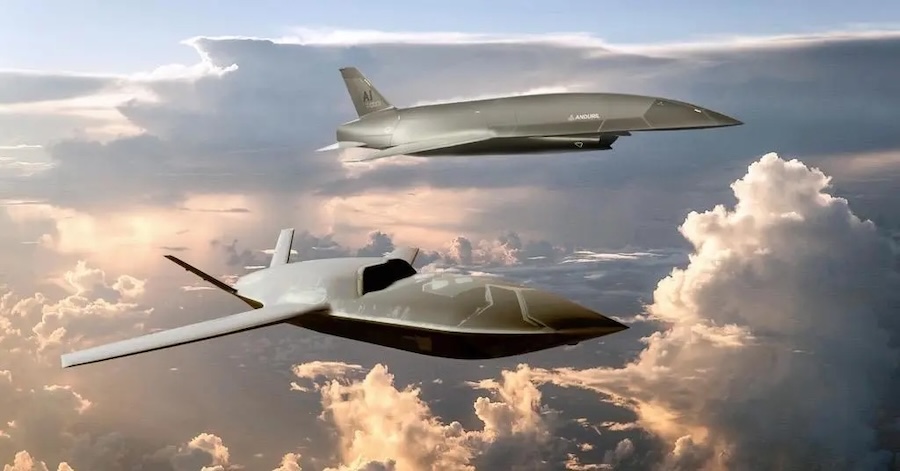
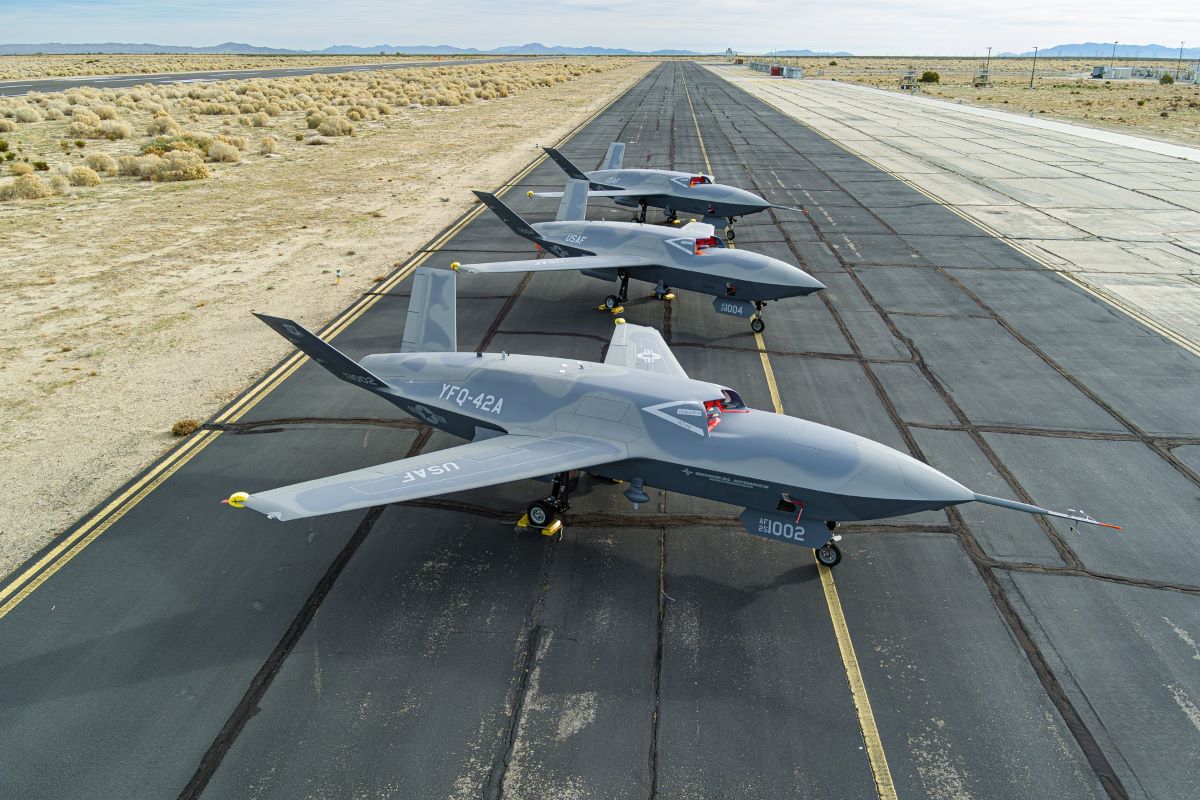
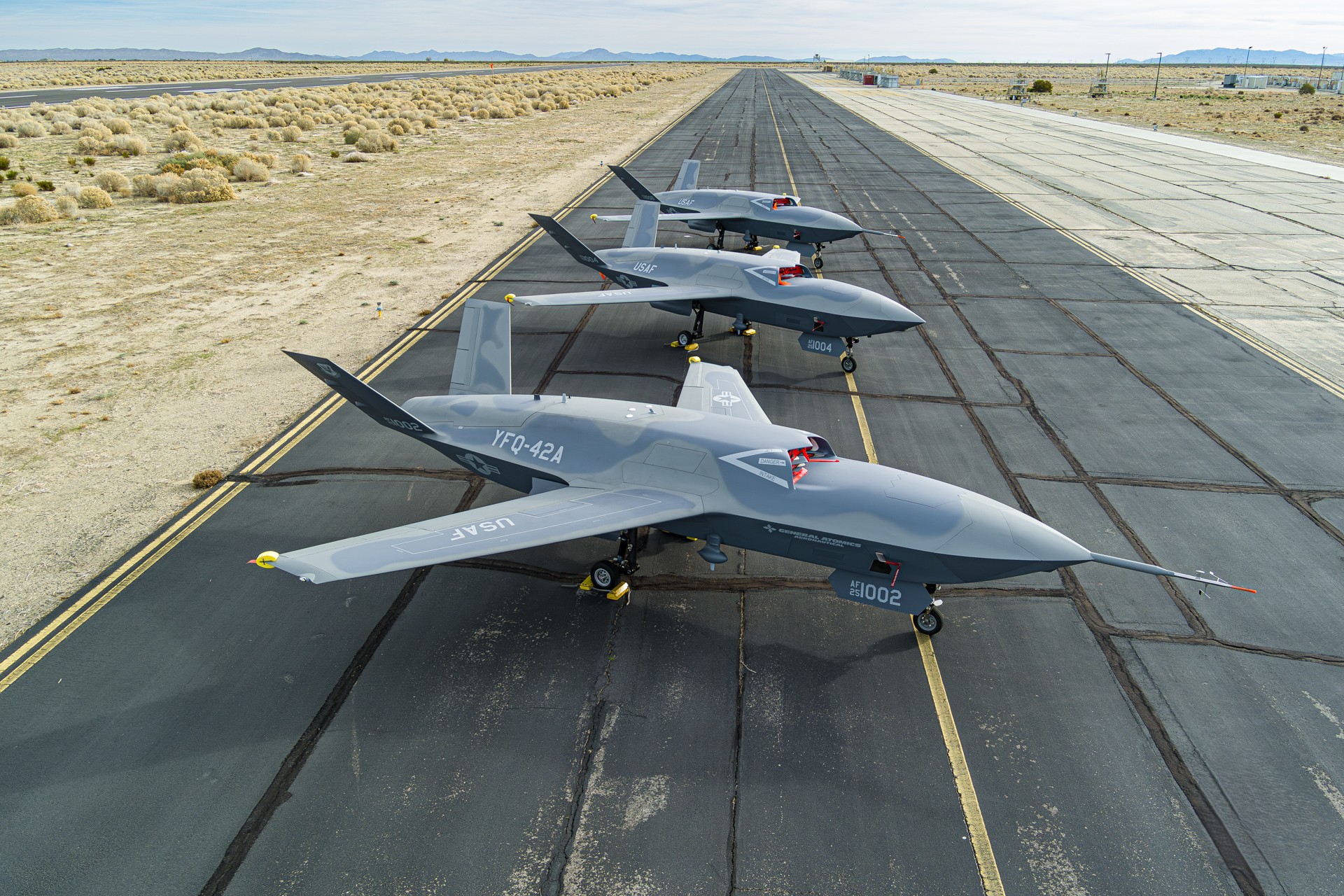
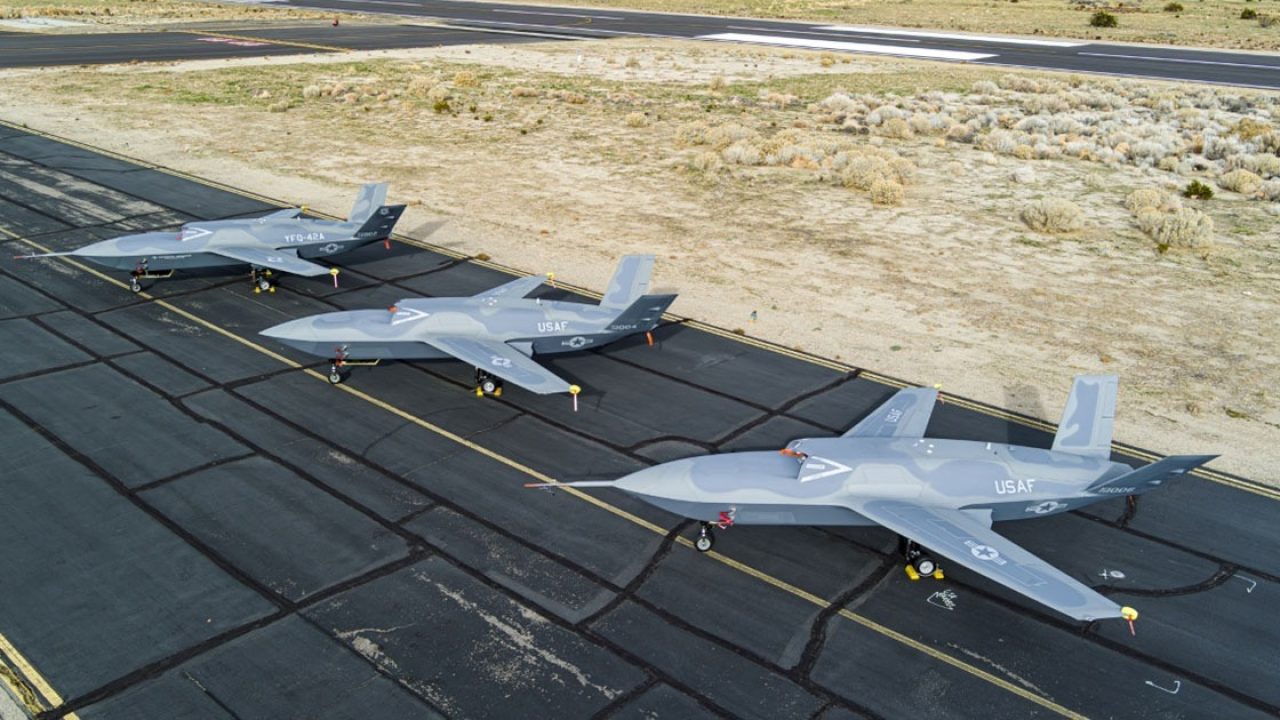
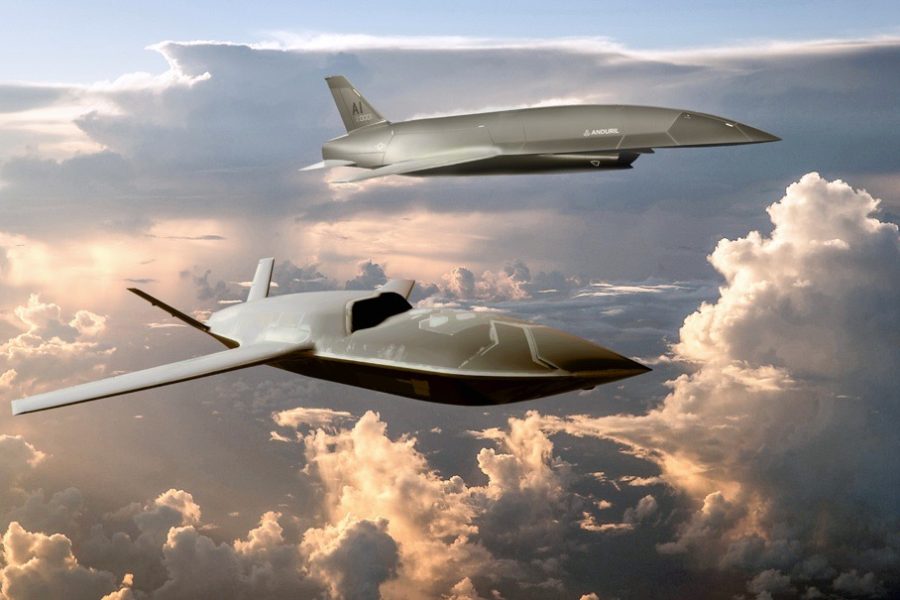
The U.S. Air Force's successful integration of the Autonomy Government Reference Architecture (A-GRA) across multiple Collaborative Combat Aircraft (CCA) platforms—General Atomics' YFQ-42A and Anduril's YFQ-44A—represents a fundamental shift toward open-systems defense procurement that creates unprecedented supply chain and B2B e-commerce opportunities. General Atomics completed the YFQ-42A's first semi-autonomous flight in February 2025 after integrating Collins Aerospace's Sidekick software, executing 4+ hours of autonomous operations with ground-based command systems. The Air Force plans to field 1,000+ CCAs across strike, reconnaissance, electronic warfare, and decoy missions by 2027, signaling a $15-20B multi-year procurement cycle.
For B2B sellers and industrial suppliers, this development creates three distinct market opportunities: (1) Component sourcing for autonomous systems—sensors, processors, communication modules, and power systems compatible with A-GRA standards; (2) Software ecosystem expansion—the modular architecture explicitly invites "non-traditional vendors and smaller technology companies" to develop mission autonomy software, creating demand for development tools, testing platforms, and integration services; (3) Supply chain consolidation—the shift from vendor lock-in to open standards means suppliers can now compete across multiple airframe manufacturers rather than being locked into exclusive relationships, expanding addressable markets by 40-60% for qualified vendors.
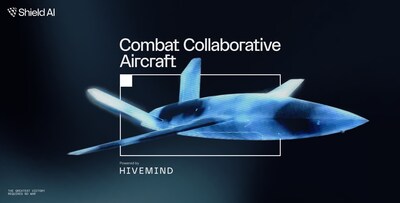
The modular architecture advantage directly parallels e-commerce platform dynamics: just as Amazon's open seller ecosystem created 9M+ seller accounts, the A-GRA approach enables smaller defense contractors and tech companies to enter the market without massive capital investment. Companies like Shield AI (autonomous software) and RTX Collins (mission systems) are now competing on algorithm performance rather than hardware exclusivity. This creates demand for specialized components—flight control processors, LiDAR/radar modules, communication systems, and power management units—that sellers can source from manufacturers and resell through B2B channels like Alibaba, Global Sources, or direct defense supply networks.
The timeline acceleration is critical: ground testing began spring 2025, flight tests followed through 2025, and production ramp-up targets 2026-2027. This 18-24 month window creates urgent demand for component suppliers to qualify and scale production. Sellers with existing relationships in aerospace electronics, embedded systems, or defense-grade components can capitalize on this by identifying component gaps in the supply chain and positioning themselves as qualified vendors to prime contractors (General Atomics, Anduril, RTX, Collins Aerospace) and their Tier-2/Tier-3 suppliers.
問題 8
What is the A-GRA standard and how does it create vendor opportunities?
The **Autonomy Government Reference Architecture (A-GRA)** is a modular open-systems standard that decouples mission autonomy software from specific aircraft hardware, enabling the Air Force to deploy algorithms from multiple vendors across different platforms. Unlike traditional defense contracts where a single vendor controls both airframe and software, A-GRA allows companies like Shield AI, RTX Collins, and emerging startups to compete on algorithm performance alone. This creates opportunities for component suppliers to sell sensors, processors, and communication modules to multiple airframe manufacturers (General Atomics, Anduril) rather than being locked into exclusive relationships. For B2B sellers, this means 500+ new vendor contracts are projected through 2026 as the Air Force qualifies suppliers across the ecosystem.
How many CCAs will the Air Force procure and what's the timeline?
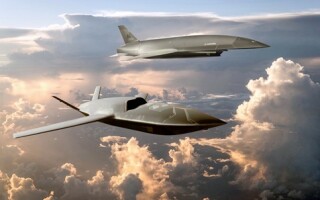
The U.S. Air Force plans to field **at least 1,000 Collaborative Combat Aircraft** in varying configurations for strike, reconnaissance, electronic warfare, and decoy missions by 2027. The procurement timeline shows ground testing began spring 2025, flight tests followed through 2025, and production ramp-up targets 2026-2027. This 18-24 month window represents a $15-20B multi-year procurement cycle. For suppliers, this creates urgent demand to qualify components and scale production capacity before 2026. The modular architecture means suppliers can serve multiple prime contractors simultaneously, expanding addressable markets by 40-60% compared to traditional exclusive vendor relationships.