


Gaming Launch Failures Reveal E-Commerce Product Strategy Lessons for Sellers
- Highguard's December 2024 collapse shows how poor communication and resource underestimation damage product launches; sellers can apply these lessons to gaming merchandise, collectibles, and digital product categories




概览
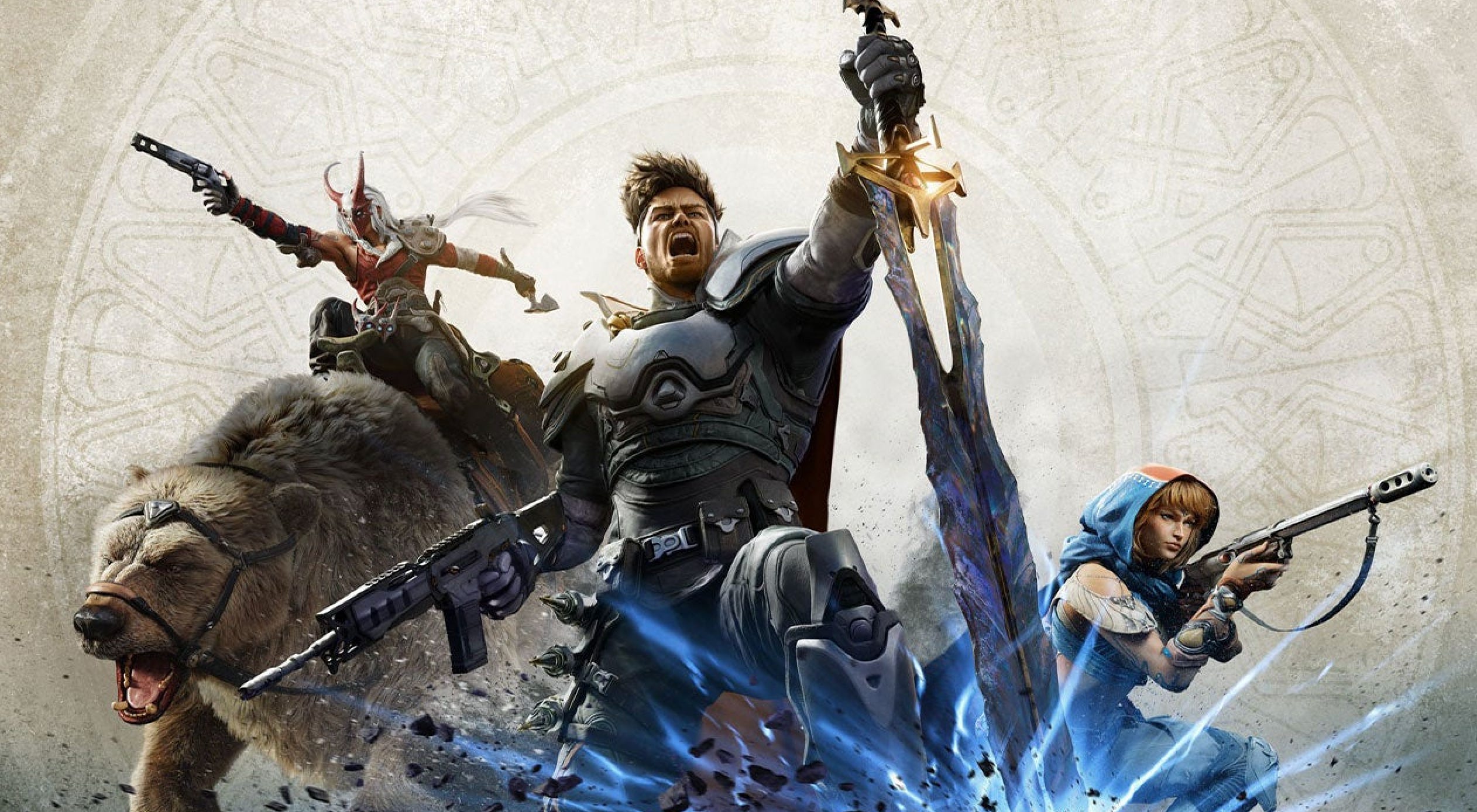
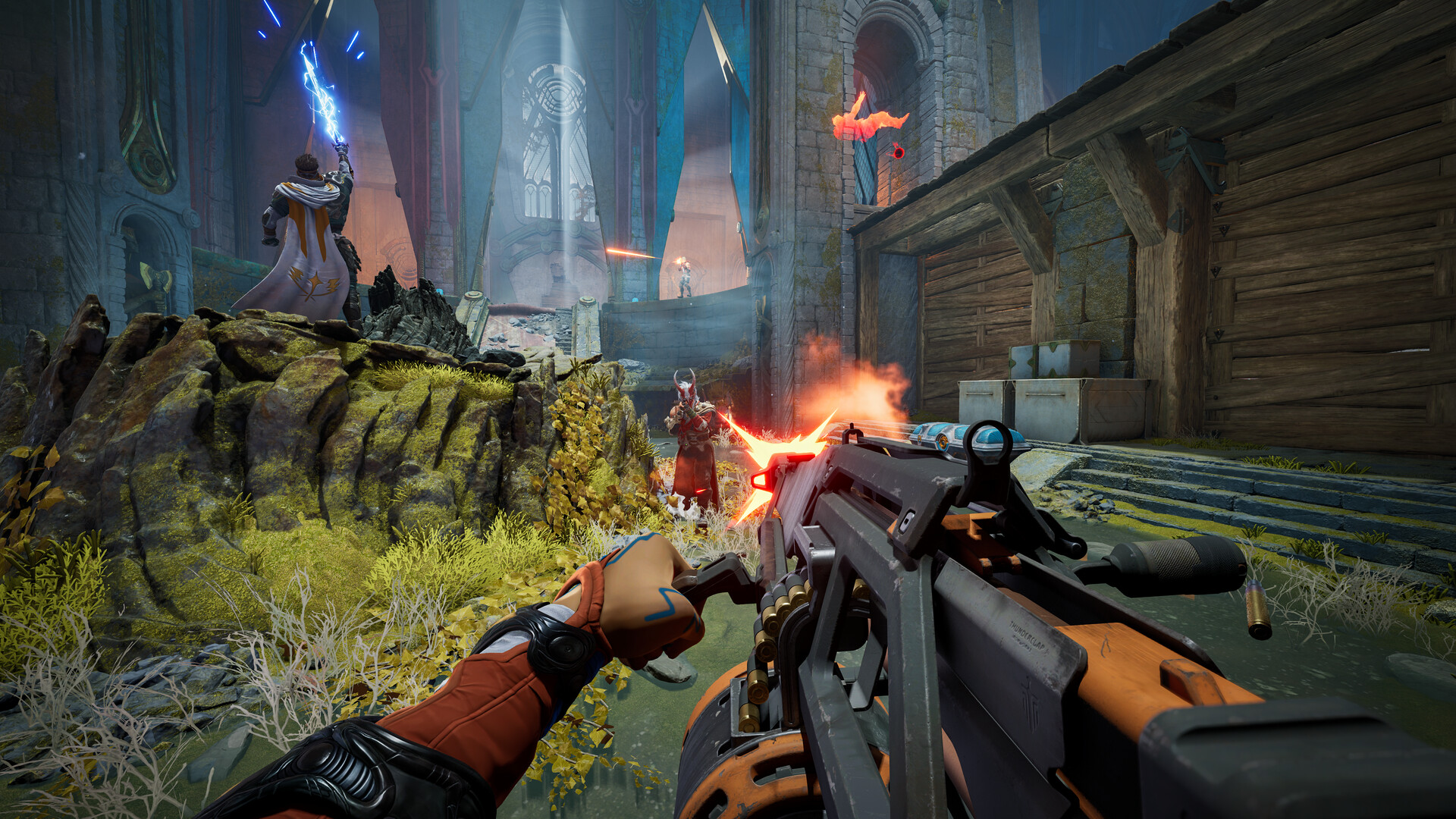
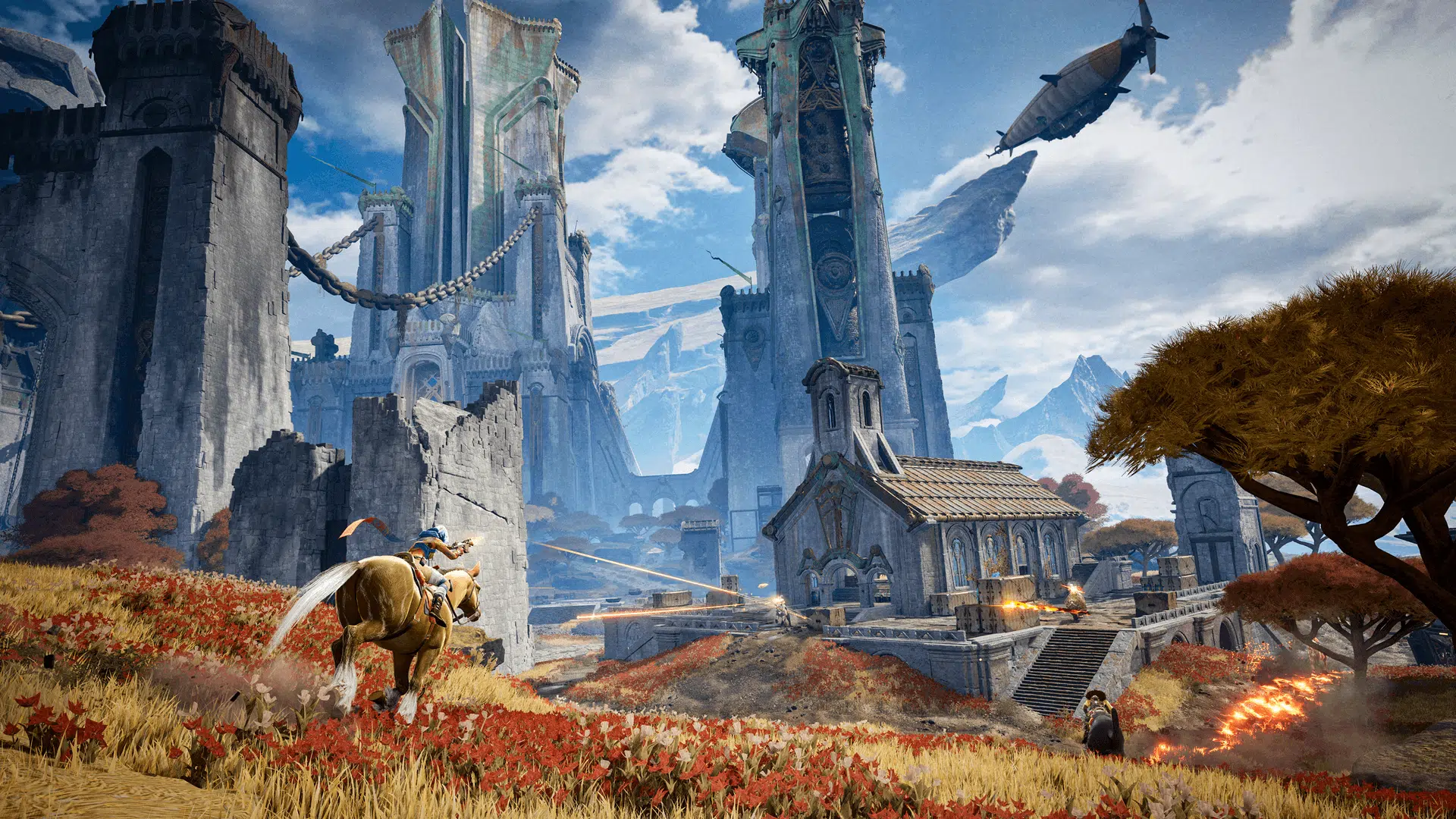
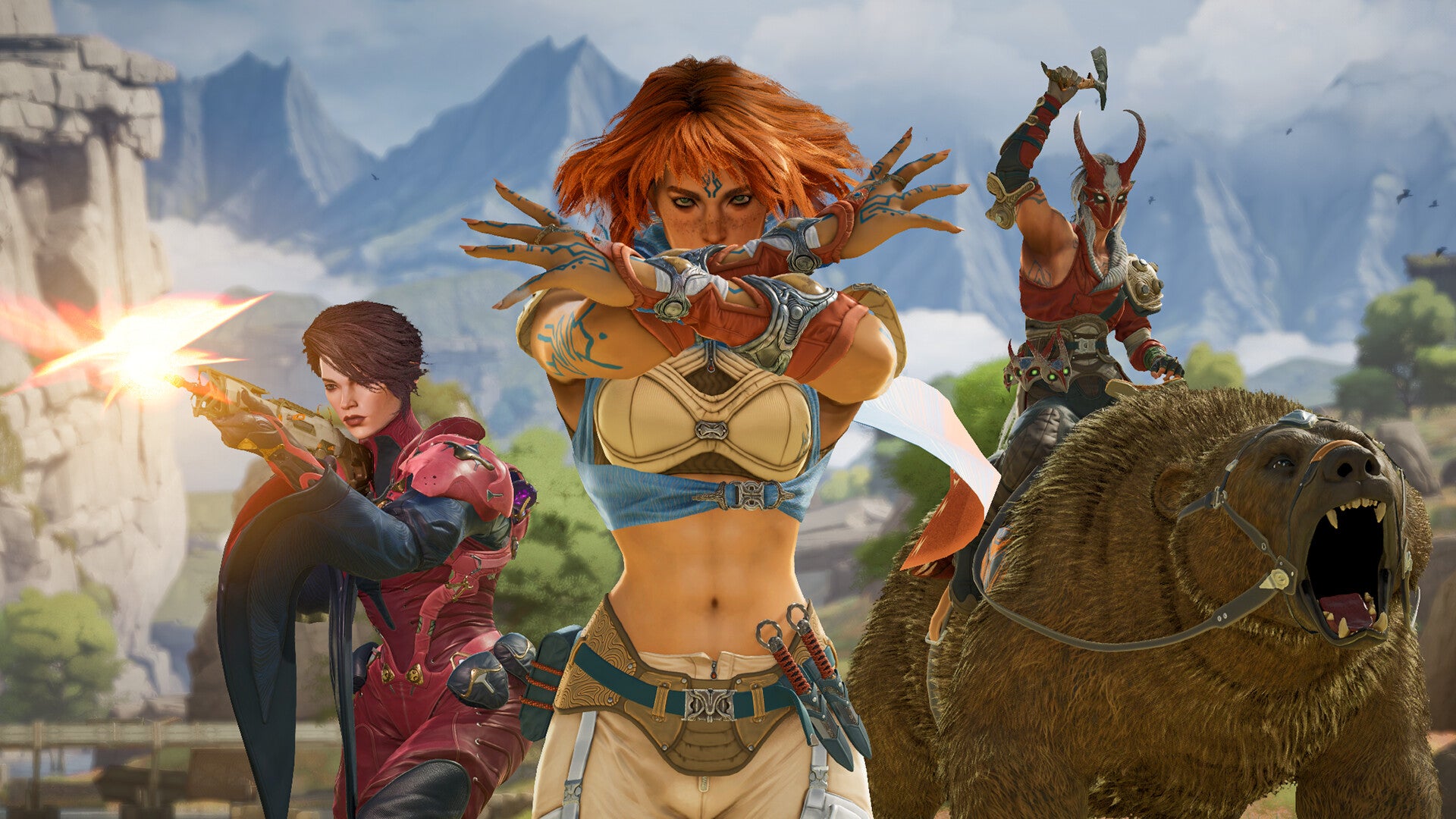
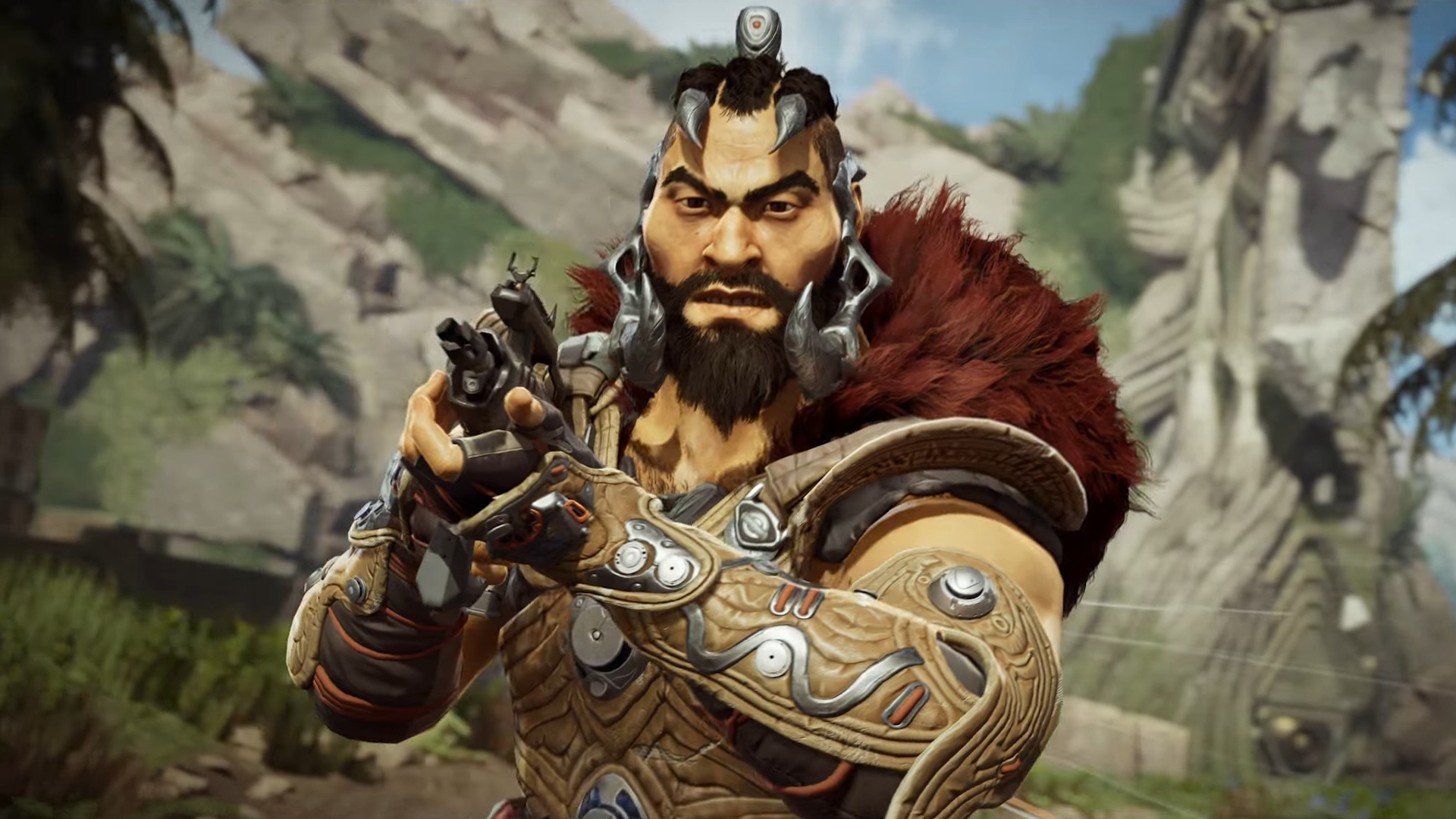
The Highguard gaming launch failure in December 2024 offers critical e-commerce lessons for sellers across multiple product categories. Wildlight Entertainment's hero shooter received significant backlash following its Game Awards announcement, launching just weeks later with a "shadow-drop" strategy that backfired spectacularly. The game faced disappointing performance metrics (only 6 players on oversized maps), immediate studio layoffs, and two months of radio silence—a communication vacuum that amplified negative sentiment. This case study reveals fundamental product launch principles applicable to e-commerce sellers: muddled positioning, insufficient financial backing, and poor audience engagement strategies compound technical shortcomings.
For e-commerce sellers, the Highguard collapse demonstrates why communication strategy matters as much as product quality. The studio's failure to implement alternative launch models—closed beta, Early Access, or phased rollouts—cost them valuable player feedback and audience relationship-building opportunities. These approaches have proven more beneficial for smaller teams launching on platforms like Steam, Epic Games Store, and console marketplaces. The gaming industry parallel directly applies to sellers launching new product lines on Amazon, Shopify, and eBay: shadow-drops without community engagement generate negative reviews, poor conversion rates, and algorithmic penalties.
The article references Concord (Sony's failed $200M hero shooter) as a cautionary tale, proving that even major publisher backing cannot overcome poor market positioning. This signals a broader market truth: the live-service gaming space demands significant financial headroom to compete against Activision Blizzard and EA. For e-commerce sellers, this translates to inventory management, advertising budgets, and customer service capacity. Sellers entering crowded categories (electronics, apparel, gaming peripherals) must allocate 8-12% of revenue to marketing and customer engagement—not just product development.
The core strategic errors identified apply directly to e-commerce product launches: (1) Resource underestimation—Wildlight's team previously worked on Apex Legends' successful shadow-drop but failed to account for increased competition and market saturation; (2) Communication vacuum—two months of silence after negative reception allowed negative sentiment to compound; (3) Launch model inflexibility—refusing to pivot to beta or Early Access eliminated feedback loops. E-commerce sellers face identical pressures: launching gaming merchandise, collectibles, or digital products without pre-launch community engagement, customer feedback mechanisms, or contingency strategies risks similar failures. The gaming industry's consolidation around major publishers mirrors e-commerce's concentration on Amazon and Shopify—smaller players must differentiate through superior communication, community building, and audience relationship management rather than competing on resources alone.
問題 8
How does Highguard's launch failure apply to e-commerce product launches?
Highguard's December 2024 collapse demonstrates that shadow-drop strategies without community engagement damage product viability. The game launched weeks after announcement with minimal communication, resulting in poor reviews and immediate layoffs. E-commerce sellers face identical risks when launching new products on Amazon or Shopify without pre-launch audience building, customer feedback mechanisms, or contingency plans. Gaming merchandise, collectibles, and digital products particularly benefit from beta testing and Early Access phases that build community trust before full launch. Sellers should allocate 4-6 weeks for pre-launch engagement rather than rushing to market.
What communication mistakes did Wildlight Entertainment make that sellers should avoid?
Wildlight's core error was two months of radio silence after negative reception—allowing negative sentiment to compound without counter-narrative or corrective action. The studio failed to implement alternative launch models like closed beta or Early Access that would have generated valuable player feedback and audience relationships. For e-commerce sellers, this translates to: (1) Never go silent after negative reviews—respond within 24-48 hours; (2) Use pre-launch beta phases to identify issues before full inventory commitment; (3) Build email lists and community channels before launch to maintain direct communication. Sellers in gaming, electronics, and collectibles categories should establish Discord communities or email lists 30+ days before product launch.