




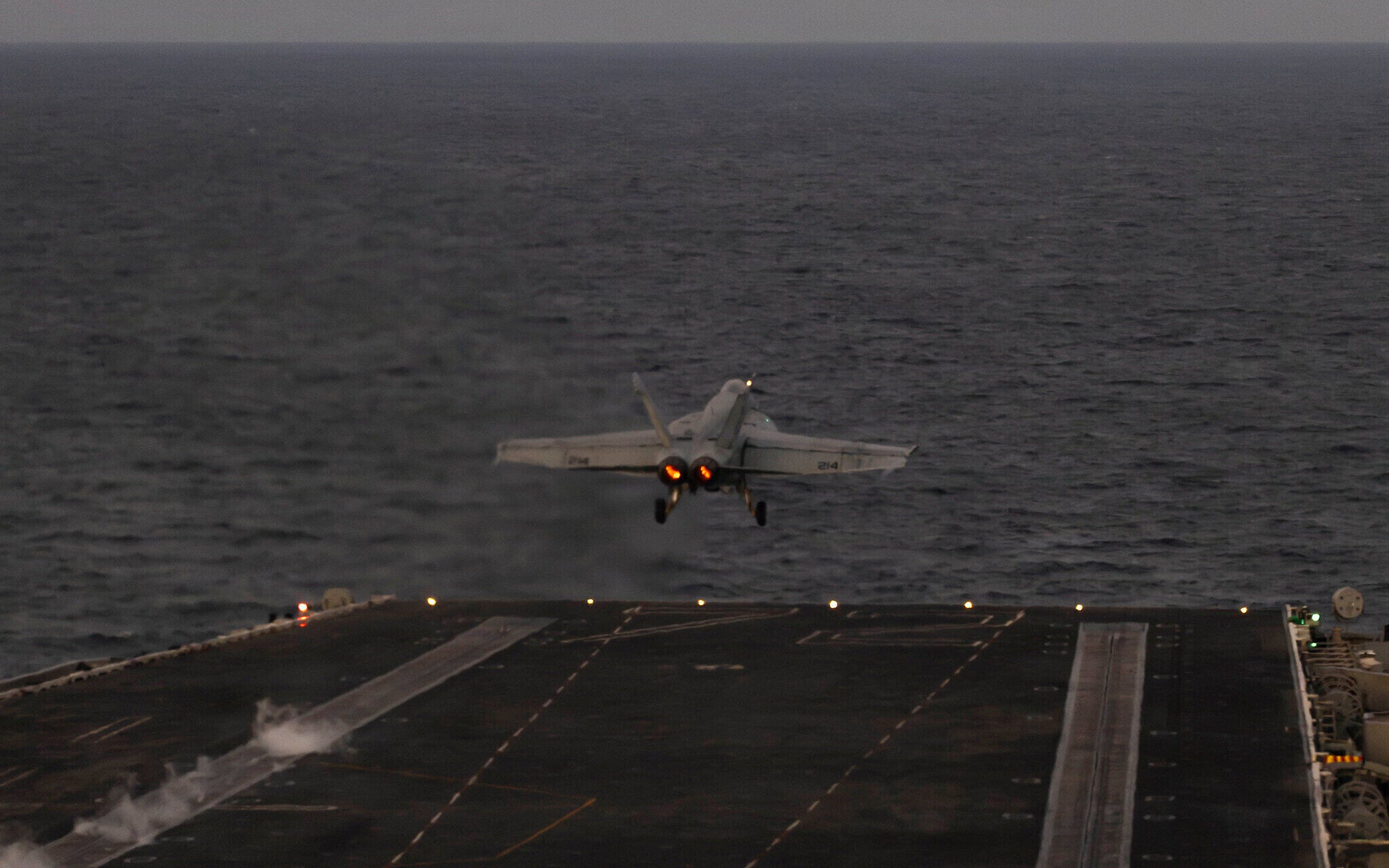

Middle East Escalation Risk | Cross-Border Sellers Face Supply Chain Volatility & Shipping Cost Surge
- Potential weeks-long military campaign threatens Persian Gulf shipping routes; logistics costs could spike 15-25% for sellers sourcing from Asia-Middle East corridor

















概览
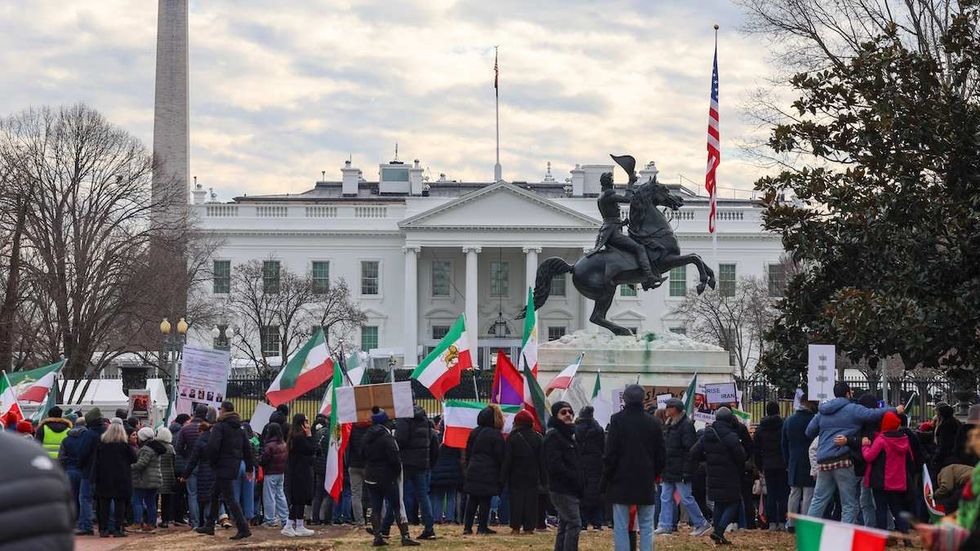
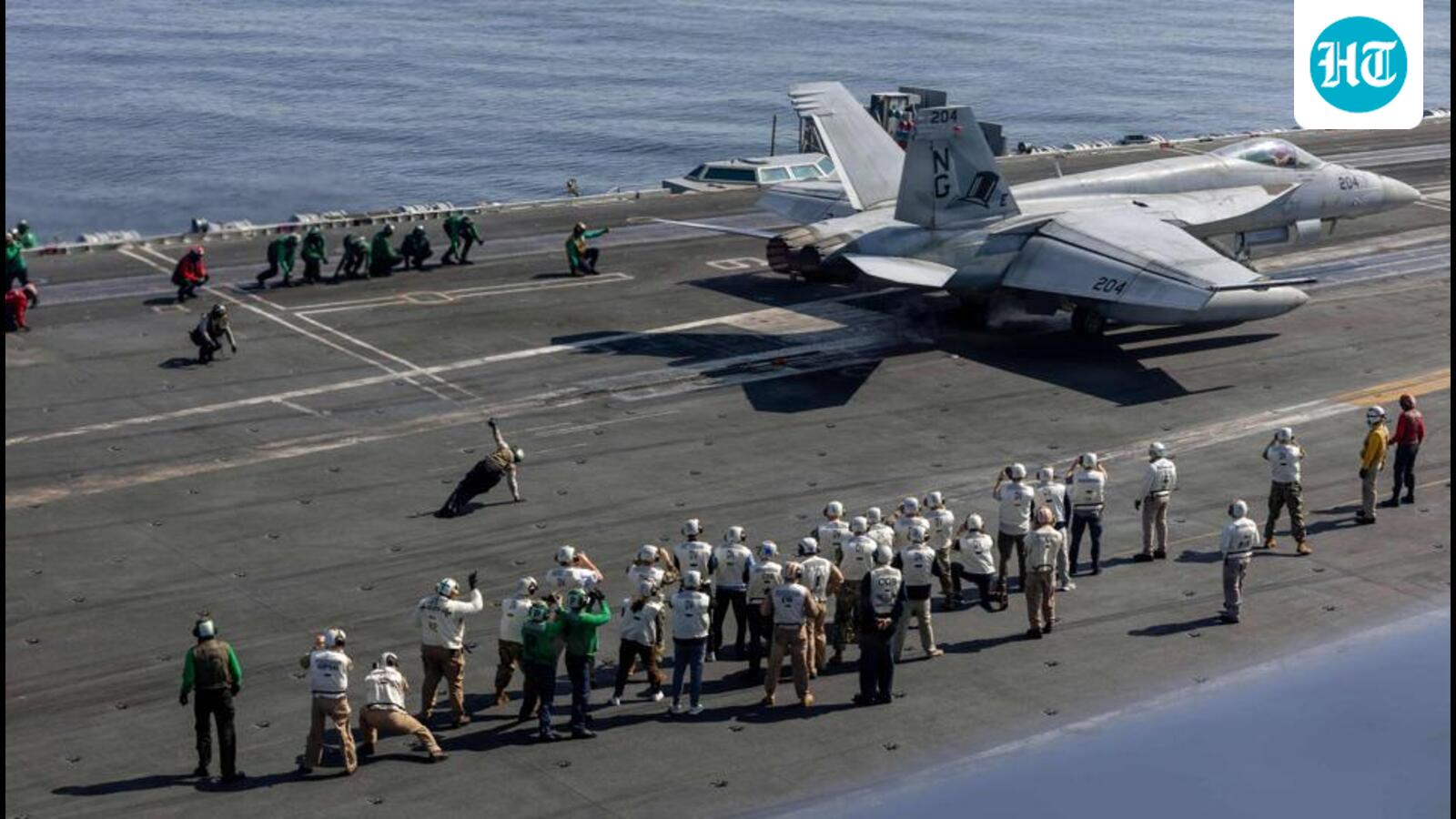
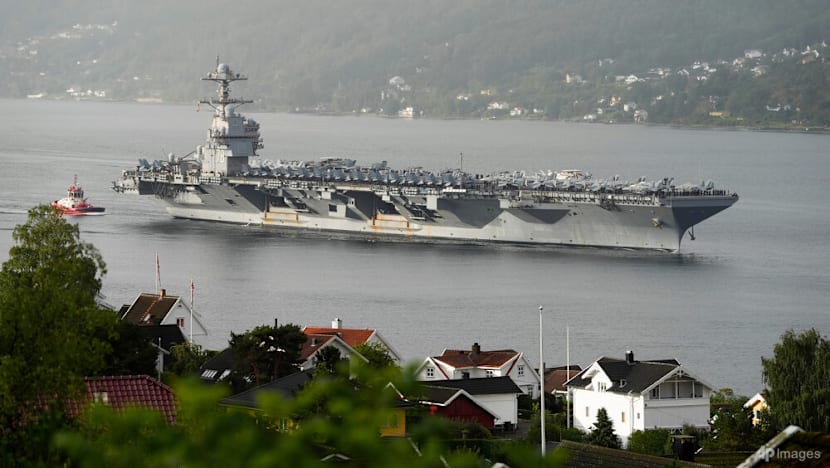
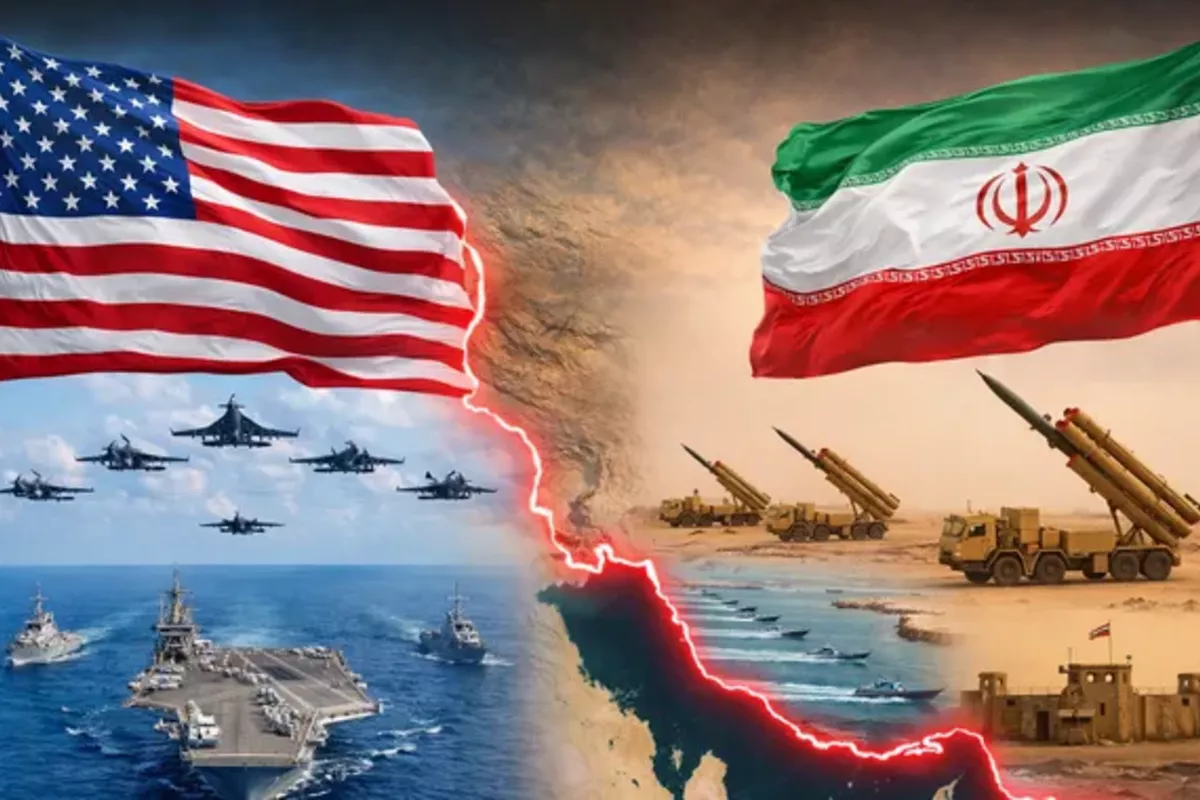
The US military is preparing for potential weeks-long sustained operations against Iran, representing a significant escalation from the June 2024 'Midnight Hammer' one-off strike. According to Reuters sources, current planning involves complex campaigns targeting Iranian state and security facilities beyond nuclear infrastructure, while diplomatic negotiations continue simultaneously through US envoys Steve Witkoff and Jared Kushner meeting Iranian representatives in Geneva. This dual-track approach creates substantial uncertainty for cross-border e-commerce sellers operating in or near the Middle East region.
Supply Chain & Logistics Impact: The most direct threat to sellers involves shipping routes through the Persian Gulf, which handles approximately 21% of global maritime trade. Military escalation could disrupt container shipping, increase insurance premiums by 10-20%, and force rerouting through longer Suez Canal alternatives, adding 7-14 days to transit times and 15-25% to logistics costs. Sellers sourcing electronics, textiles, or components from China, Vietnam, and India—which typically transit through the Persian Gulf—face immediate cost pressures. FBA sellers shipping inventory to Amazon fulfillment centers could see storage fees accumulate during extended transit delays, potentially triggering IPI score penalties if inventory velocity slows.
Product Category Opportunities & Consumer Behavior Shifts: Regional instability historically drives demand spikes in specific product categories. Sellers should monitor increased consumer interest in emergency preparedness items (flashlights, batteries, first aid kits), home security products, and fuel-efficient appliances—categories that typically see 30-50% demand increases during geopolitical tensions. Additionally, uncertainty often triggers consumer spending on discretionary items before potential price increases, creating short-term demand windows for electronics, home goods, and apparel. Sellers with inventory in these categories positioned in US fulfillment centers can capitalize on accelerated purchasing behavior.
Risk Mitigation for Seller Operations: Sellers with active sourcing from Iran face immediate compliance challenges, as existing US sanctions could expand significantly. Those relying on Persian Gulf shipping routes should diversify logistics providers and consider air freight alternatives despite 3-5x cost premiums for time-sensitive inventory. Sellers should audit their supply chain mapping to identify Persian Gulf dependencies and establish contingency 3PL partnerships. Monitoring diplomatic developments through official trade channels and adjusting inventory levels accordingly—potentially reducing orders by 20-30% until clarity emerges—protects against stranded inventory and excess storage fees.
問題 8
How long will shipping delays and cost increases last?
Historical precedent suggests 4-12 weeks of elevated costs and delays if military action occurs. The June 2024 'Midnight Hammer' strike caused temporary insurance premium spikes (10-15%) that normalized within 6-8 weeks. However, sustained weeks-long campaigns could extend disruption to 12-16 weeks. Shipping rates typically stabilize once diplomatic resolution emerges or alternative routes become established. Plan inventory for 8-week supply chain disruption as baseline scenario. Maintain 15-20% safety stock of fast-moving items to buffer against delays. Negotiate force majeure clauses with suppliers to protect against extended delays.
Should I increase prices now to offset potential cost increases?
Avoid aggressive price increases before cost impacts materialize—this risks losing market share to competitors. Instead, implement 5-8% strategic price adjustments on high-margin items (electronics, home goods) where demand is inelastic. Monitor competitor pricing weekly. Once shipping costs actually increase, you have 2-3 week window to raise prices before consumer resistance peaks. For FBA sellers, Amazon's dynamic pricing tools can automate adjustments based on cost changes. Focus on margin protection rather than revenue maximization—maintaining 30-35% margins during disruption is preferable to losing sales volume through aggressive pricing.