


Airline Disruption Trends Impact Air Freight Logistics | Sellers Must Adapt
- Emergency flight diversions increase carrier screening requirements, affecting air cargo delivery timelines and costs for cross-border sellers shipping time-sensitive goods




)

概览
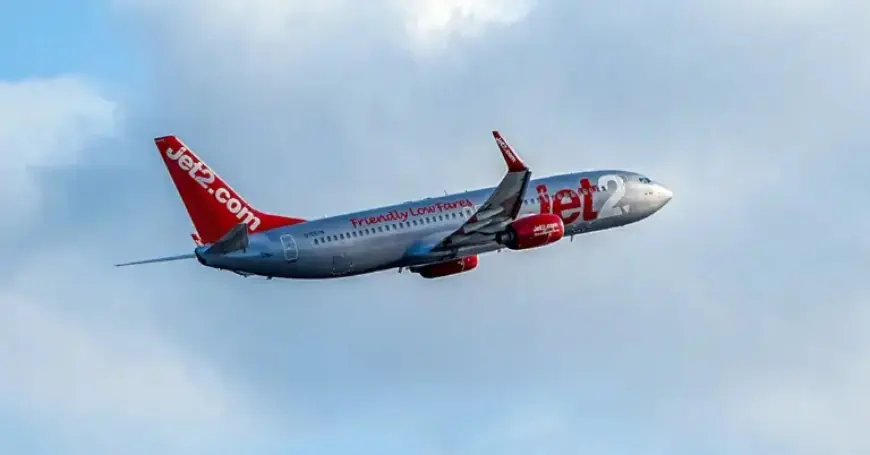
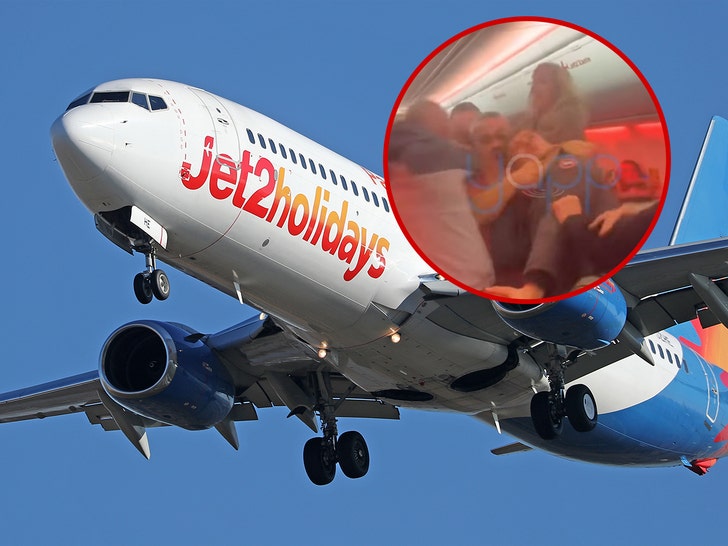
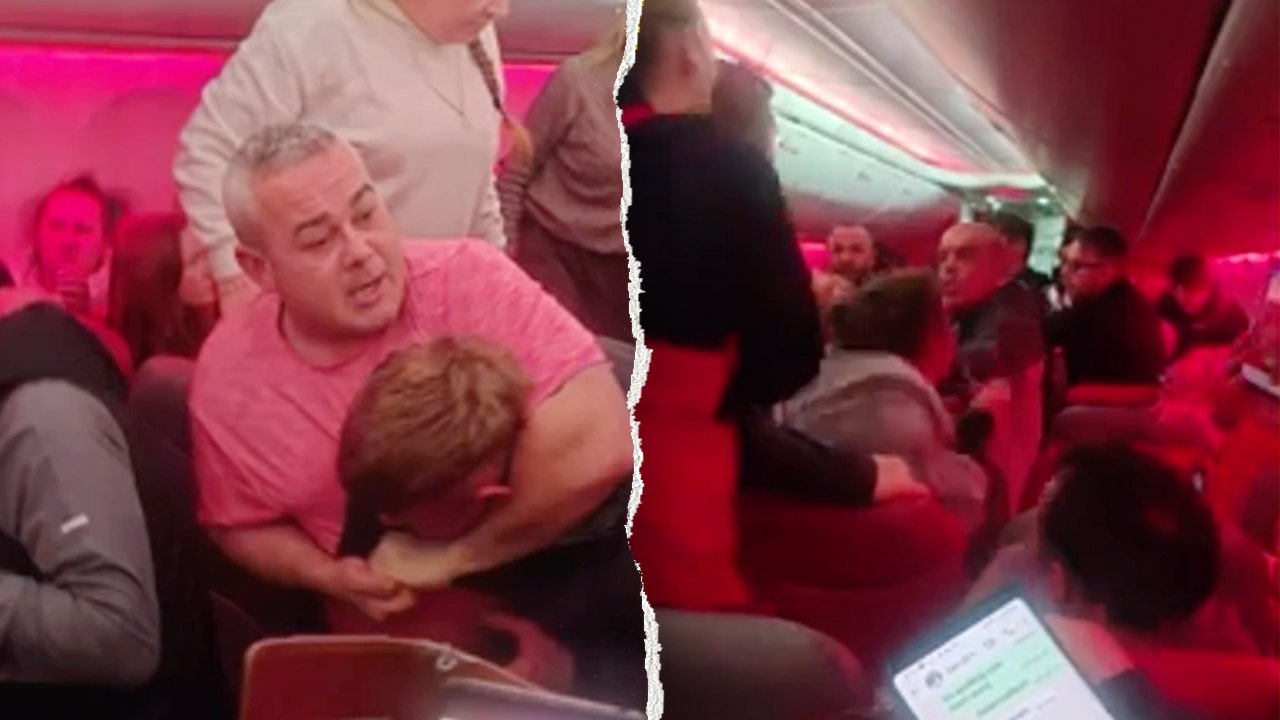
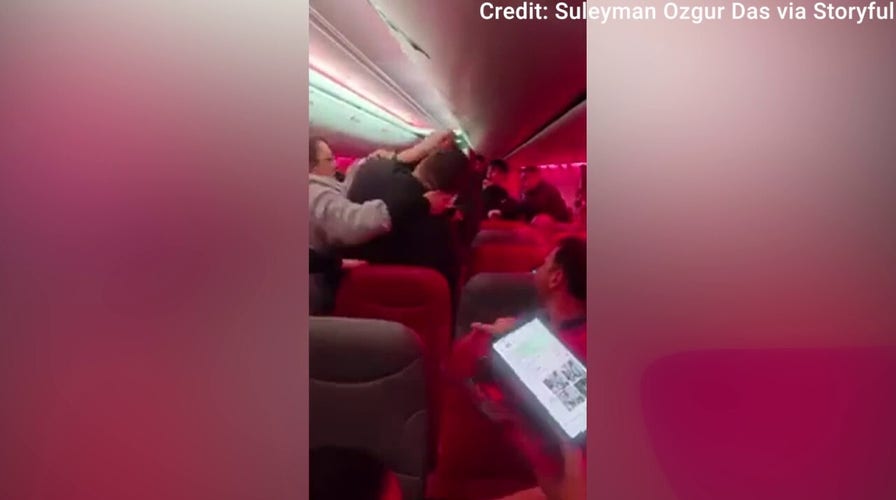
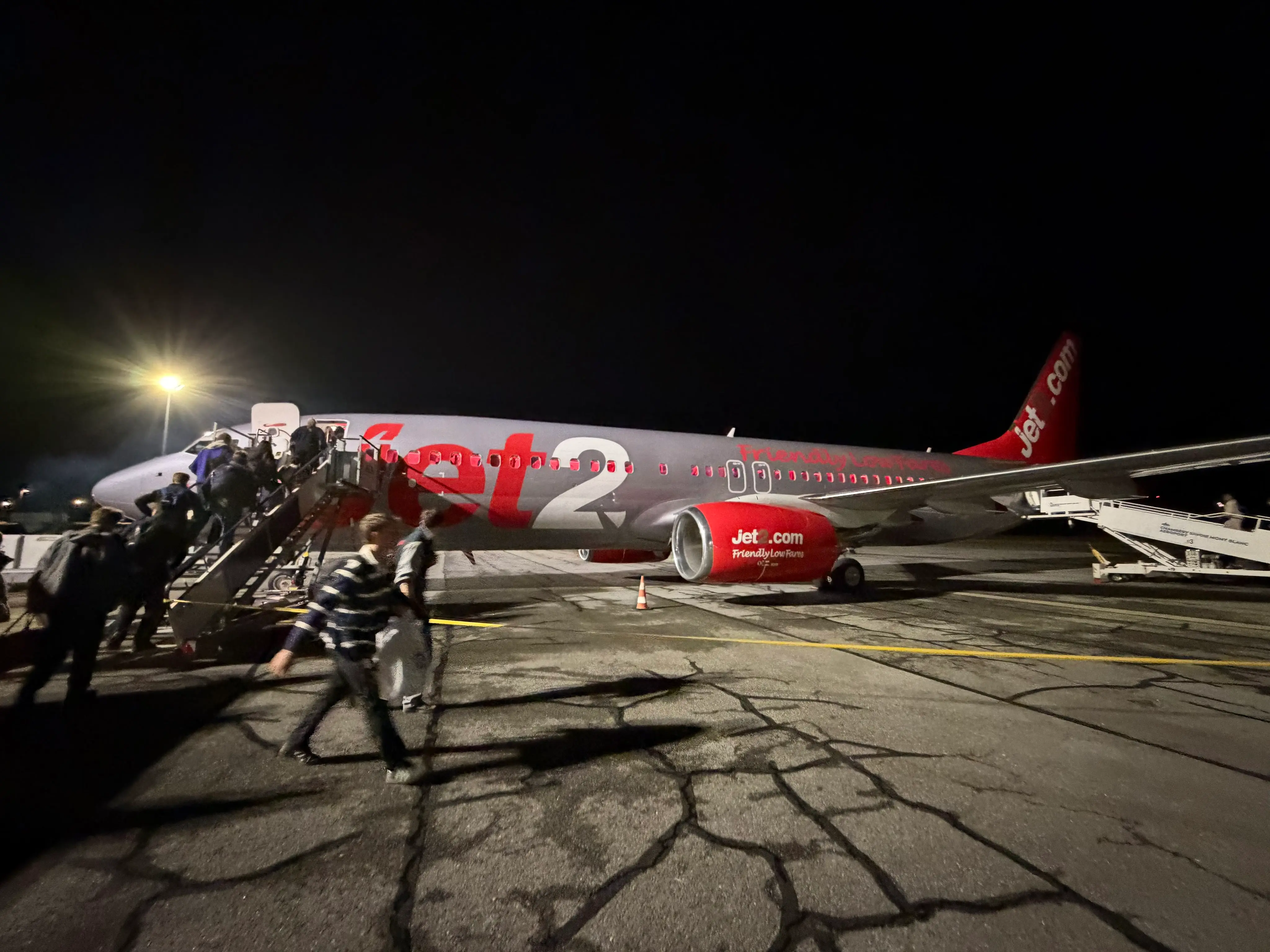
The February 13, 2026 Jet2 flight diversion incident—where a midair brawl between two passengers forced an emergency landing in Brussels—exemplifies escalating aviation disruption patterns that directly impact cross-border e-commerce logistics. Jet2 flight LS896 from Antalya, Turkey to Manchester diverted approximately 3 hours into a 5-hour flight, with both passengers permanently banned and the airline pursuing cost recovery for unscheduled landing expenses. This incident reflects broader industry trends: airlines globally report increased passenger misconduct incidents post-pandemic, prompting enhanced security protocols, stricter screening procedures, and additional documentation requirements that cascade through air freight operations.
For sellers relying on air cargo services, these disruptions create measurable operational costs. Emergency diversions increase airline operational expenses, which carriers typically offset through higher freight rates, stricter baggage policies, and extended processing timelines. Sellers shipping time-sensitive goods—electronics, perishables, fashion items with seasonal demand—face potential 6-12 hour delays when flights divert, directly impacting delivery commitments to Amazon FBA, eBay, or Shopify fulfillment networks. The incident's viral social media amplification (video widely circulated) demonstrates how individual incidents shape airline reputation and customer perception, influencing carrier reliability assessments that logistics professionals must monitor.
Jet2's zero-tolerance enforcement policy—lifetime bans, cost recovery pursuit—signals industry-wide tightening of operational standards. This reflects carriers' strategic shift toward stricter passenger vetting and enhanced in-flight protocols, which indirectly affect cargo operations through increased security screening, documentation requirements, and potential capacity reductions as airlines allocate resources to behavioral management. Sellers utilizing air freight to UK/EU markets (Manchester, Brussels hubs) should anticipate 3-5% rate increases and 1-2 day processing delays as carriers implement additional screening. The incident also highlights geographic vulnerability: routes from Turkey to UK/EU represent significant e-commerce supply chains for fashion, electronics, and home goods sellers, making carrier reliability critical for maintaining inventory levels and meeting marketplace deadlines.
Strategic implications extend to supply chain resilience. Sellers should diversify carrier relationships beyond single airlines, evaluate 3PL providers' contingency protocols, and consider sea freight alternatives for non-urgent shipments to absorb disruption costs. The incident underscores that individual passenger incidents cascade into systemic logistics challenges, requiring sellers to build 5-7 day buffer periods into air freight timelines and maintain secondary fulfillment options through alternative carriers or regional distribution centers.
問題 8
What geographic routes are most affected by UK-EU airline disruptions?
Routes from Turkey (Antalya) to UK/EU hubs (Manchester, Brussels) represent significant e-commerce supply chains for fashion, electronics, and home goods sellers. The Jet2 incident on this specific route highlights vulnerability for sellers sourcing from Turkey or shipping through these hubs. Sellers should diversify routing through alternative carriers, consider Frankfurt or Amsterdam hubs as alternatives to Manchester, and evaluate whether UK-EU trade route complexity (post-Brexit customs) justifies air freight costs. Building relationships with 3PL providers operating multiple European distribution centers reduces single-route dependency.
How can sellers use this incident to improve supply chain resilience planning?
The Jet2 incident demonstrates that individual passenger incidents cascade into systemic logistics challenges. Sellers should conduct supply chain vulnerability assessments identifying single points of failure (carrier dependency, route concentration, seasonal demand peaks). Implement scenario planning for 6-12 hour delays, establish backup fulfillment options, and negotiate SLAs with carriers that include disruption buffers. Monitor industry incident trends—post-pandemic passenger misconduct increases suggest ongoing volatility. Sellers should also evaluate whether air freight ROI justifies risks; sea freight alternatives with 2-3 week timelines may be more cost-effective for non-urgent inventory, reducing exposure to disruption-driven delays and rate increases.