




%252C_via_Wikimedia_Commons.jpg?rect=0%2C47%2C800%2C450&w=1200&h=675&auto=format%2Ccompress&fit=crop)

Cultural Activism & Brand Positioning | Artist Boycotts Signal Emerging Consumer Values in 2026
- High-profile artist boycott over political neutrality reveals consumer demand for authentic brand activism; sellers in books, film, and cultural merchandise face new authenticity expectations






















概览
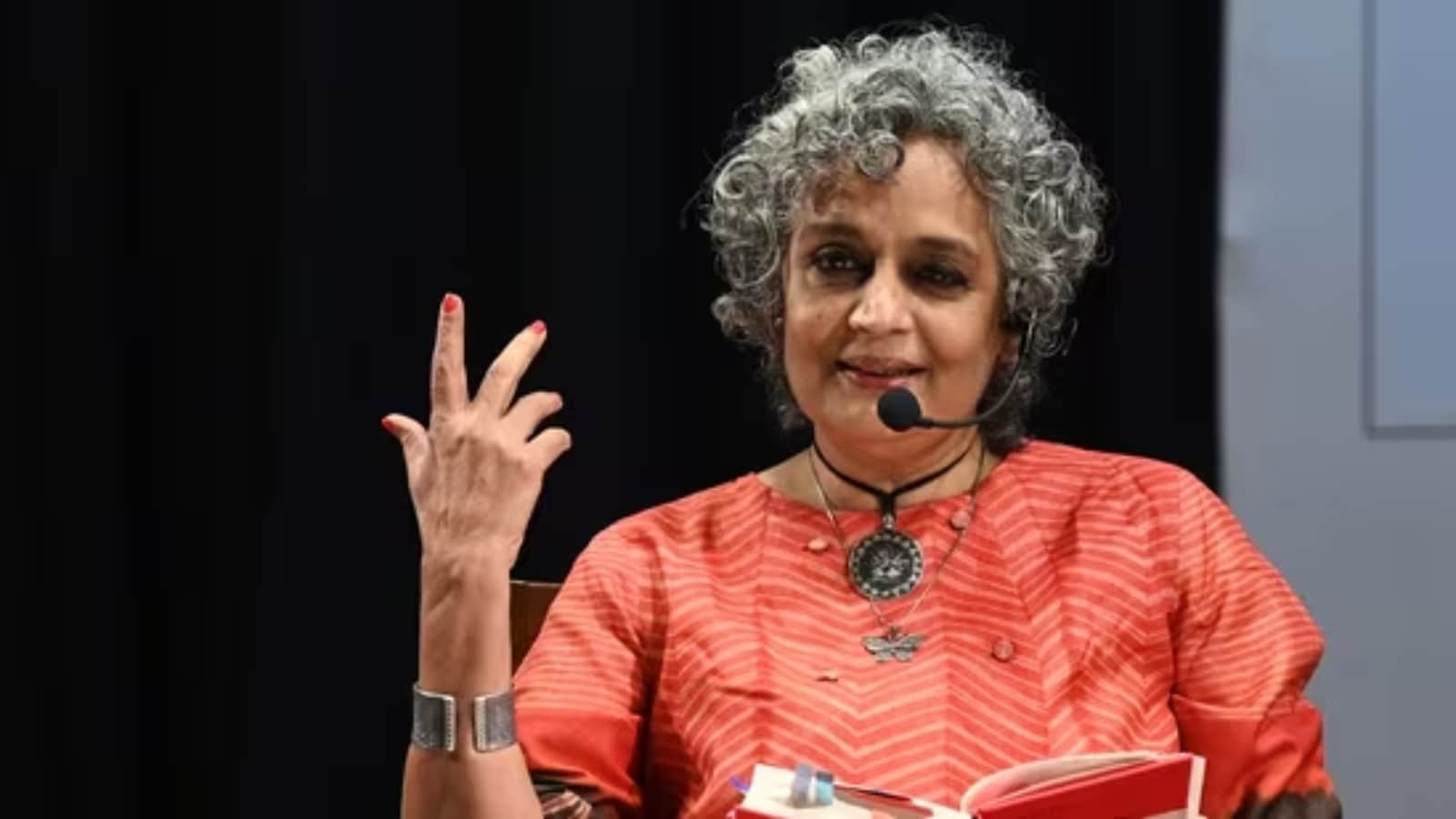
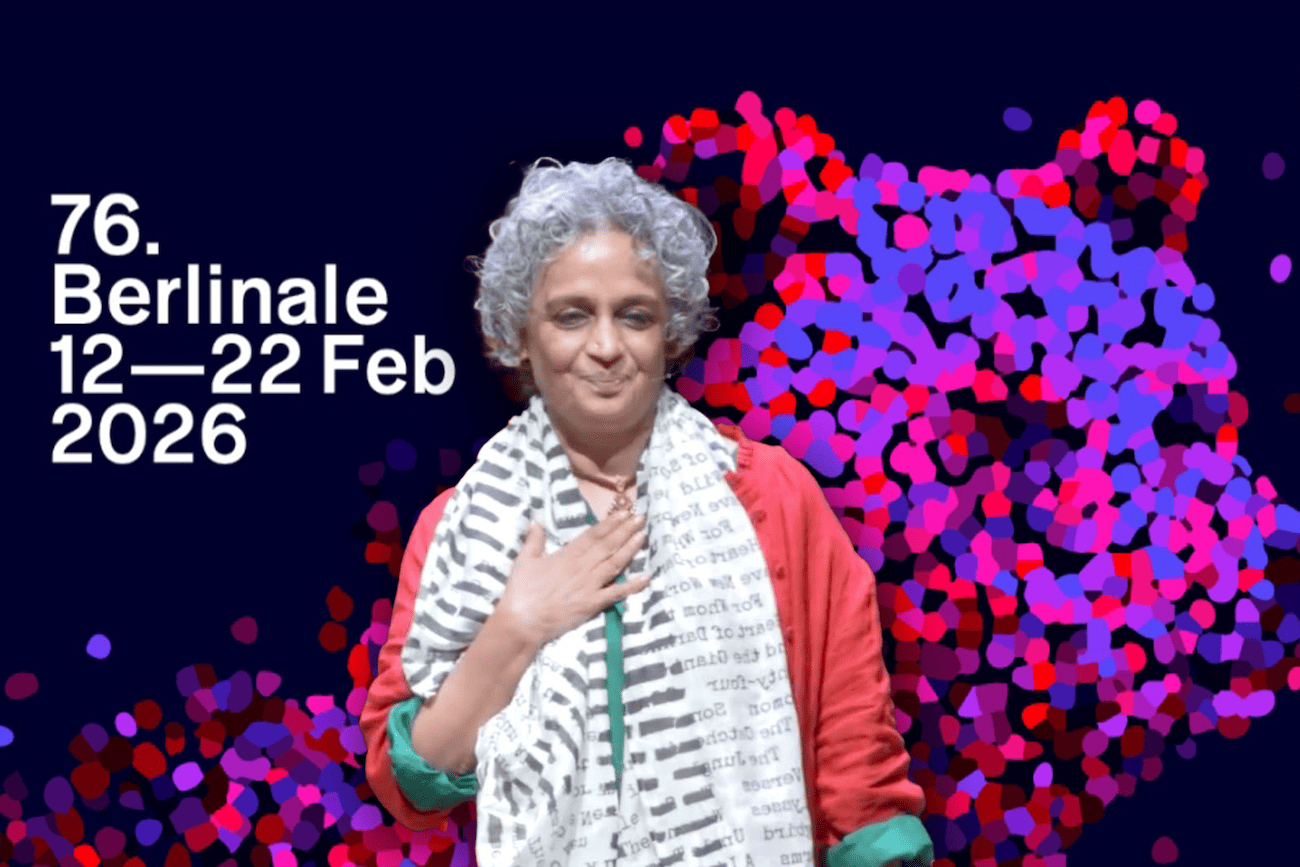
Arundhati Roy's February 2026 boycott of the Berlin Film Festival represents a critical inflection point in how cultural institutions and brands navigate political engagement—a trend with direct implications for e-commerce sellers in books, film merchandise, and cultural products. The incident, triggered by jury president Wim Wenders' statement that filmmakers should remain apolitical, demonstrates that high-profile cultural figures increasingly expect institutions to take explicit political stances. Roy's withdrawal, announced February 14, 2026, and her restoration of her 1989 cult film "In Which Annie Gives It Those Ones" for the festival's February 12-22 run, generated significant media attention across 4+ major news outlets, signaling mainstream audience interest in artist activism.
The broader context reveals structural pressure on cultural institutions and brands. Germany, ranking among the world's five largest weapons exporters to Israel, faces scrutiny from 500+ international artists who issued a 2024 joint call urging creatives to cease collaborating with German-funded cultural institutions, citing "McCarthyist policies" that suppress Palestinian solidarity expression. This creates a bifurcated market: consumers increasingly segment brands and cultural products based on perceived political authenticity. For e-commerce sellers, this manifests in three operational areas: (1) Product positioning—books, films, and cultural merchandise now carry implicit political signaling; (2) Brand narrative—sellers must decide whether to adopt activist positioning or maintain neutrality, each carrying commercial consequences; (3) Platform risk—social media monitoring of seller statements (noted in the news as institutional practice) creates compliance uncertainty for politically engaged sellers.
Specific seller implications emerge across categories. In books and literary merchandise, Roy's Booker Prize-winning status and activist profile drive demand for her works; sellers stocking "The God of Small Things" and her restored film can capitalize on renewed interest, but must navigate audience expectations for authentic political positioning. The restored 1989 film's cult status (achieved through VHS circulation before restoration) demonstrates that niche cultural products command premium pricing when positioned around authenticity and artistic integrity. Festival merchandise, artist-branded products, and political documentary content represent emerging high-margin categories where consumer willingness-to-pay correlates with perceived artist authenticity. However, sellers face reputational risk if their brand positioning contradicts their product curation—a "neutrality" stance on politically charged cultural products may alienate activist-oriented consumers while failing to satisfy mainstream audiences.
The operational challenge centers on platform governance and content moderation. The news reports that German cultural institutions monitor social media, petitions, and public statements to identify and exclude cultural workers misaligned with institutional positions. For cross-border sellers operating in EU markets, this signals potential compliance complexity: platforms may face pressure to moderate seller content around geopolitical issues, creating uncertainty around what constitutes acceptable political expression in product descriptions, brand narratives, and social media marketing. Sellers should anticipate that platforms may implement stricter content policies around Israel-Palestine discourse, similar to existing restrictions on other sensitive topics.
問題 8
How does Arundhati Roy's Berlin Film Festival boycott affect sellers of cultural and literary products?
Roy's February 2026 boycott over jury statements about artistic neutrality signals that consumers increasingly expect cultural products and their creators to take explicit political stances. For sellers stocking Roy's works, her restored 1989 film, or related literary merchandise, this creates both opportunity and risk: demand increases among activist-oriented consumers, but sellers must authentically align their brand positioning with the political values embedded in these products. Sellers who position themselves as neutral while selling politically charged cultural content face credibility gaps that reduce conversion rates and customer lifetime value. The incident demonstrates that cultural product categories now carry implicit political signaling that affects consumer purchasing decisions.
What compliance risks do cross-border sellers face from increased institutional content monitoring?
The news reports that German cultural institutions monitor social media, petitions, and public statements to identify cultural workers misaligned with institutional positions—a practice that extends to platform governance. For EU-based sellers and those shipping to EU markets, this signals potential platform content moderation expansion around geopolitical discourse. Sellers should anticipate that Amazon, eBay, Shopify, and other platforms may implement stricter policies on Israel-Palestine related content in product descriptions, brand narratives, and social media marketing. Compliance risk includes account suspension, content removal, or advertising restrictions if sellers' political expression violates emerging platform guidelines. Sellers should audit their current content and establish clear policies on political expression in brand communications.