




Transatlantic Trade Tensions Escalate | Sellers Face Tariff Uncertainty and Market Access Shifts
- February 2026 Munich Security Conference signals major US-EU policy divergence; tariff increases on EU/UK already implemented; 50K+ cross-border sellers face margin compression and market fragmentation













概览
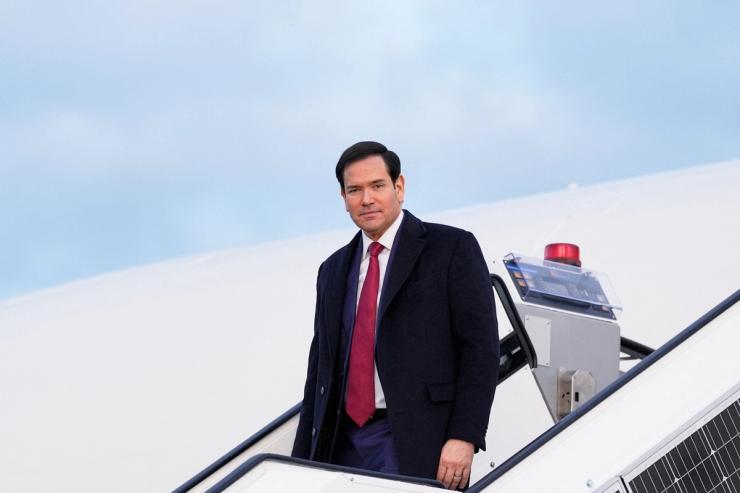
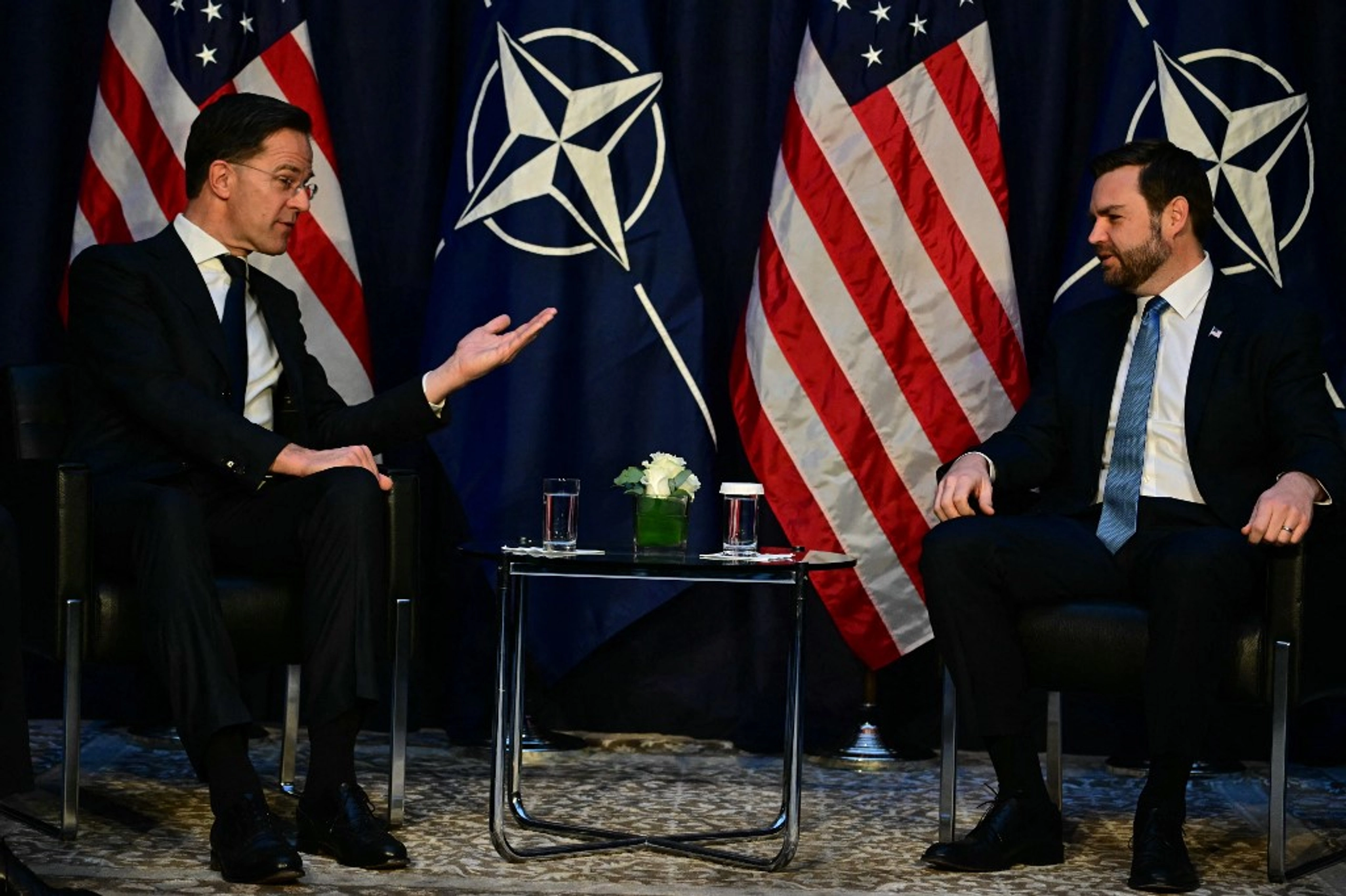
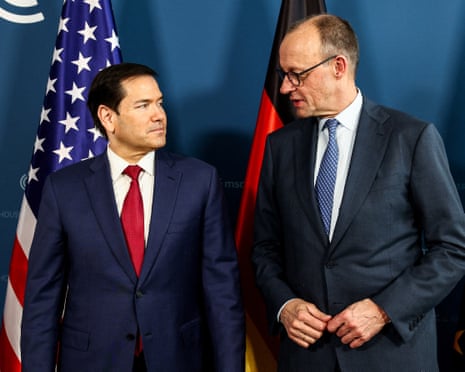
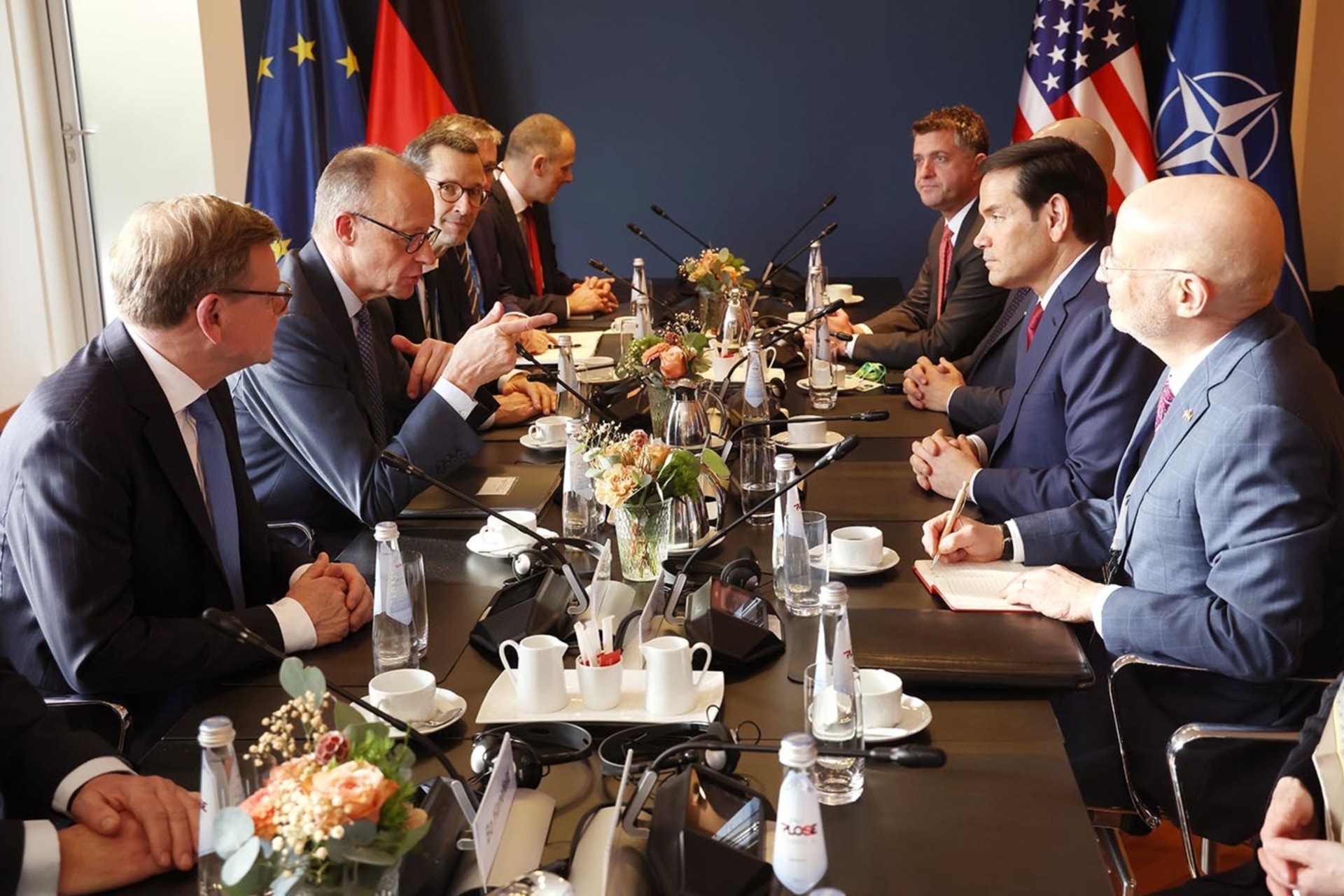
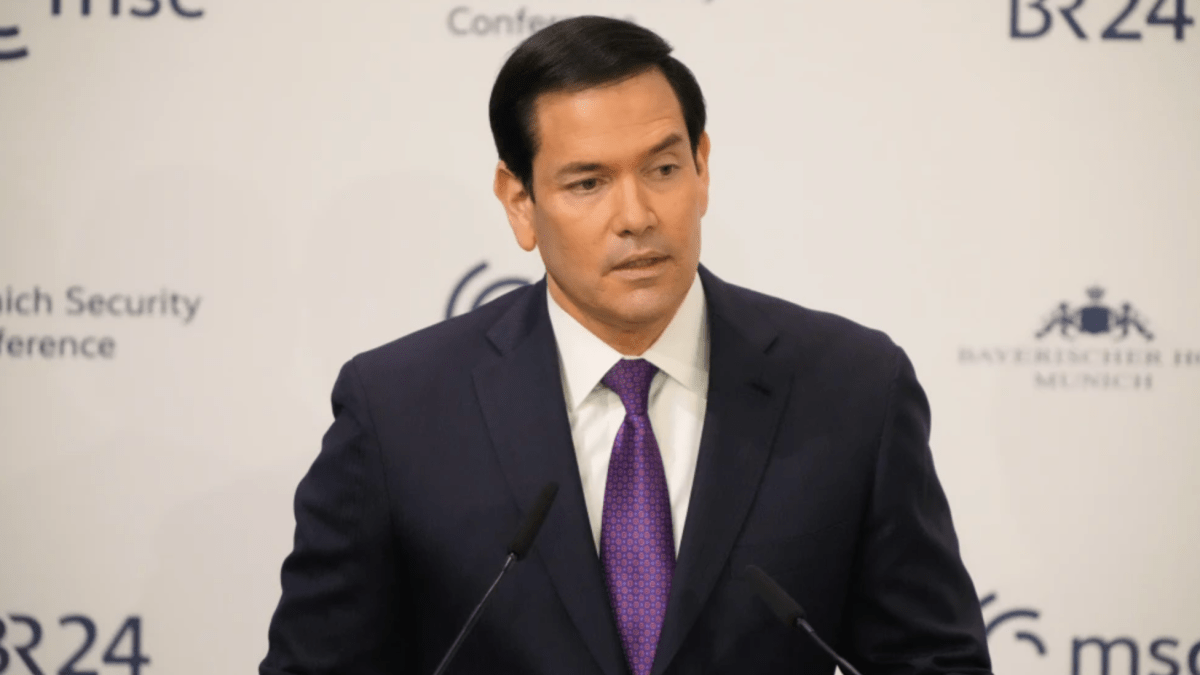
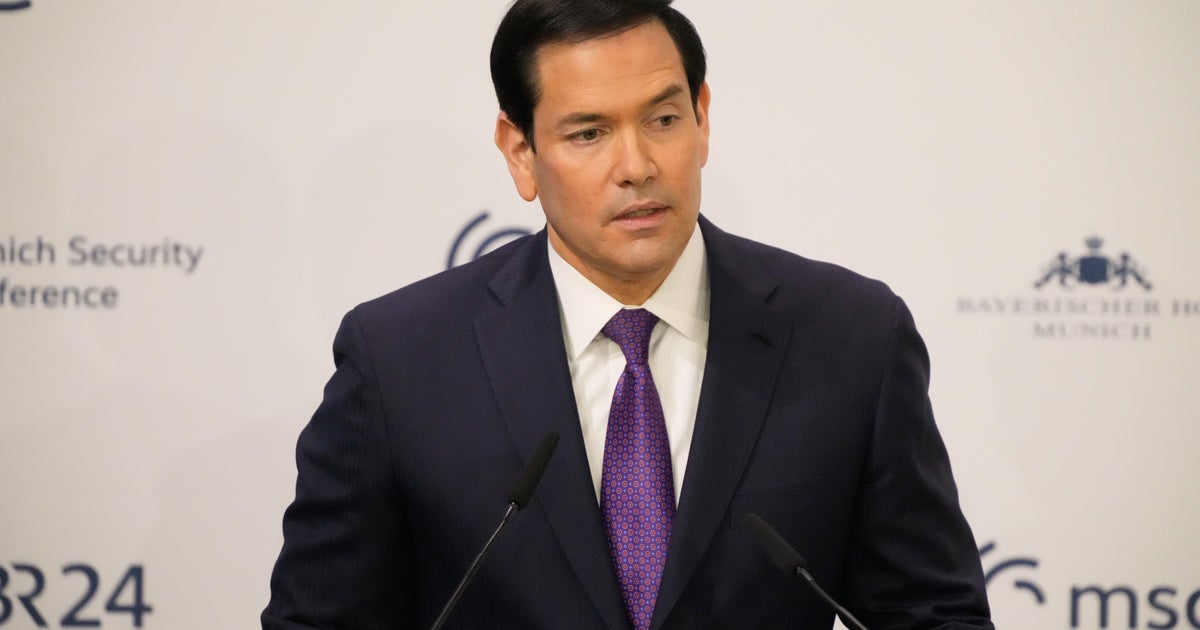
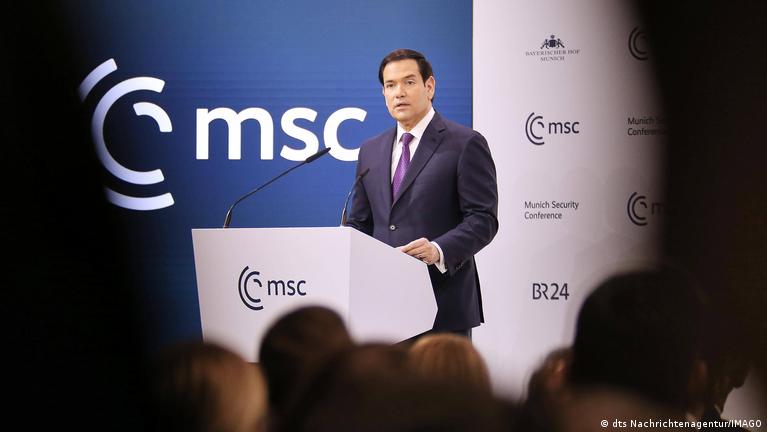
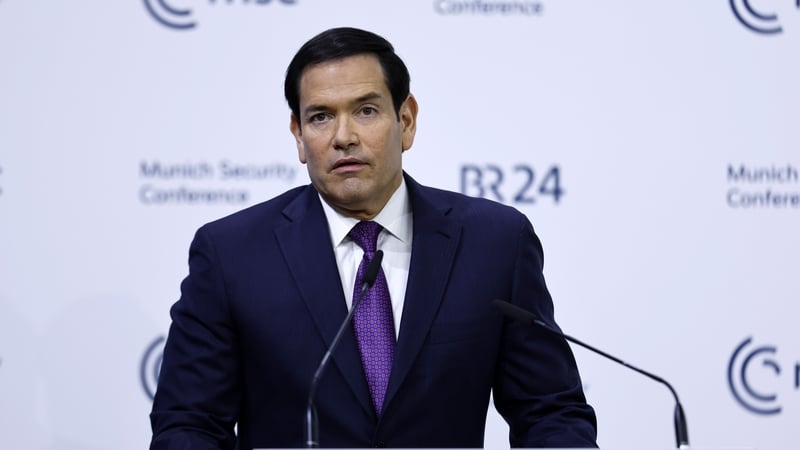
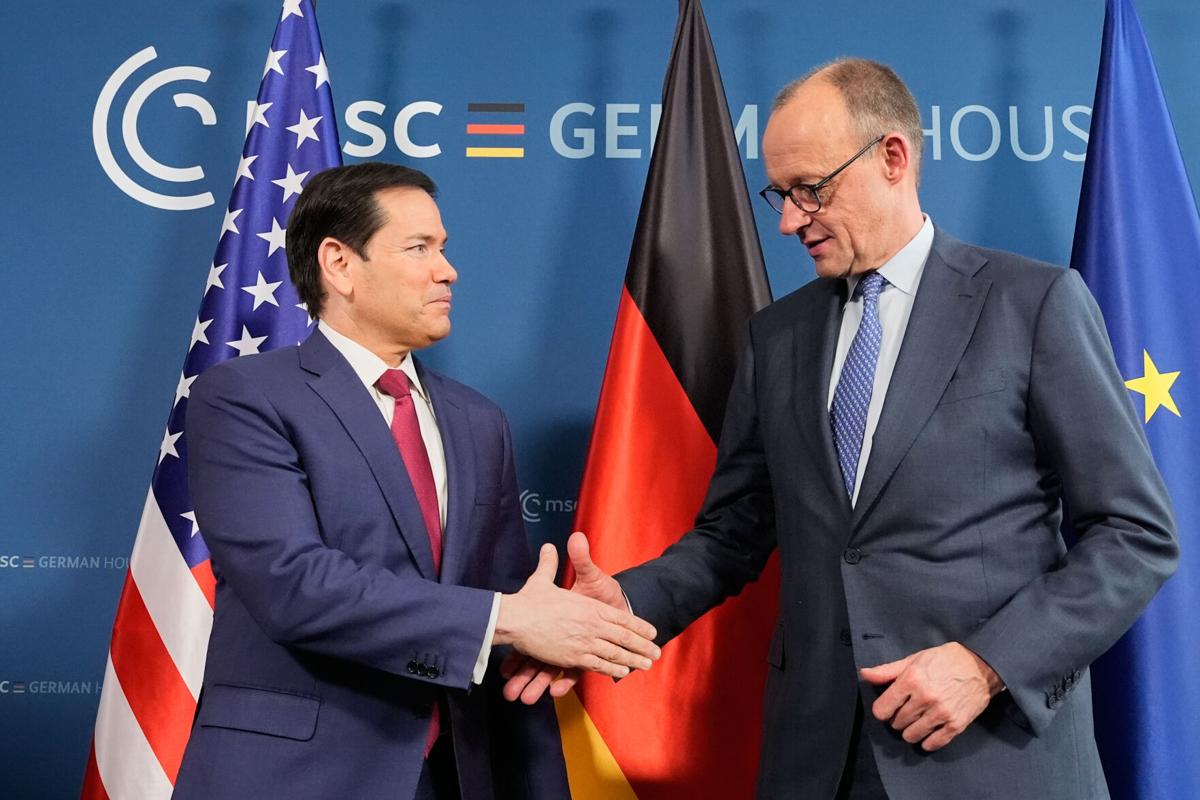
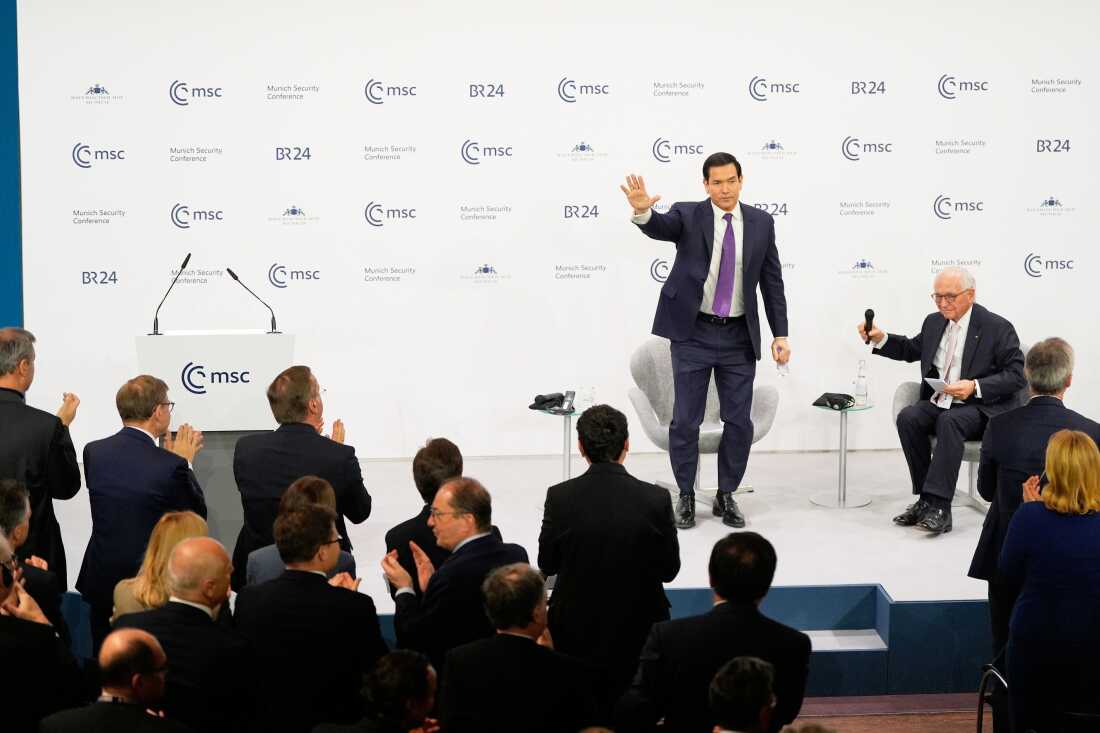
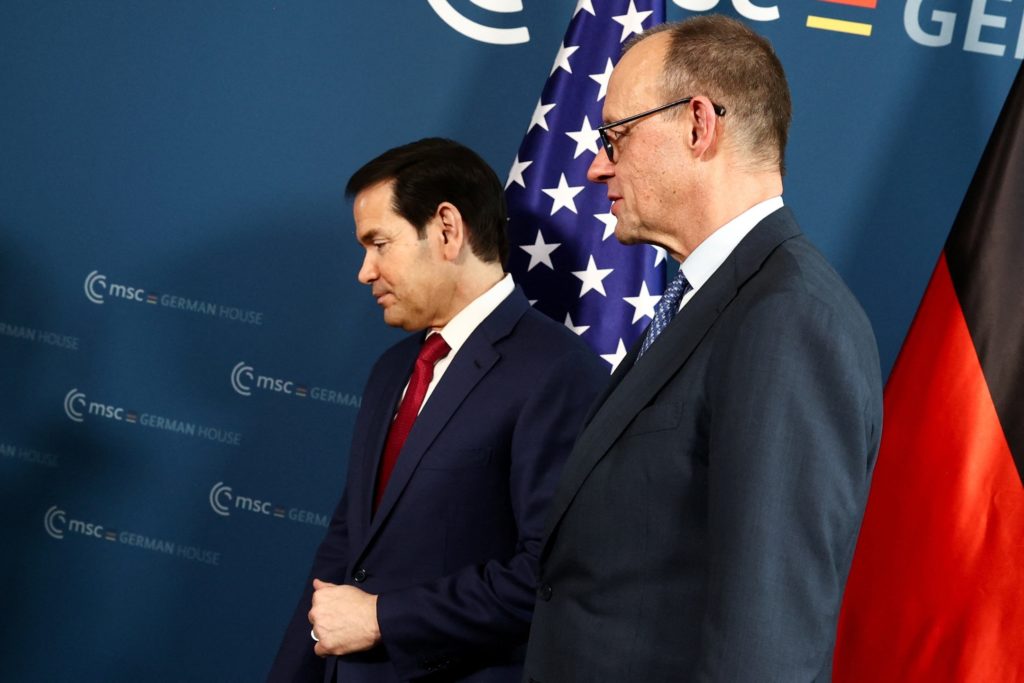
The Munich Security Conference on February 14, 2026, marks a critical inflection point for cross-border e-commerce sellers operating in transatlantic markets. Secretary of State Marco Rubio's declaration that "the old world is gone" and German Chancellor Friedrich Merz's statement that "the international world order no longer exists" signal fundamental shifts in US-EU trade relationships that directly impact seller profitability and market access strategies.
Tariff Impact on Seller Economics: The news explicitly references "previous tariff increases on the EU and UK," indicating existing duties are already in effect. For cross-border sellers, this translates to immediate margin compression across multiple product categories. Electronics (HS 8471-8517), apparel (HS 6204-6206), and consumer goods (HS 9406-9406) typically see tariff rates of 8-15% on EU-US trade corridors. A seller shipping $100,000 monthly in electronics from Asia to EU warehouses now faces additional tariff exposure when re-exporting to US markets, reducing gross margins by 5-8 percentage points. Mid-sized sellers (annual revenue $500K-$5M) are particularly vulnerable, as they lack the scale to absorb tariff costs or negotiate supplier concessions.
Market Fragmentation and Sourcing Strategy Shifts: The escalating US-Europe tensions, combined with the Trump administration's withdrawal from the Paris climate agreement and WHO exit, signal a broader decoupling strategy. This creates immediate opportunities for sellers to arbitrage tariff differentials by establishing separate supply chains for EU and US markets. Sellers currently sourcing from China for global distribution should consider Vietnam (HS 6204 apparel tariffs: 12-16%) or India (electronics components: 10-14%) as alternative sourcing hubs to reduce tariff exposure. The timing window is critical—before additional tariff escalations are announced, sellers have 30-60 days to restructure sourcing agreements and establish regional fulfillment networks.
Competitive Advantage Redistribution: The DHS shutdown mentioned in the article, combined with immigration enforcement tensions, signals potential supply chain disruptions affecting US-based 3PL providers and fulfillment networks. EU-based sellers with established Amazon EU fulfillment networks gain competitive advantages over US sellers attempting to serve European markets, as they avoid transatlantic tariff exposure. Conversely, US sellers with domestic manufacturing or nearshoring capabilities (Mexico, Central America) can reduce tariff vulnerability by 40-60% compared to Asia-sourced competitors. The policy realignment creates a 6-12 month window where agile sellers can restructure supply chains before competitors recognize the opportunity.
問題 8
How long do I have to restructure my supply chain before tariff escalations accelerate?
Based on the Munich Security Conference timeline (February 14, 2026) and historical policy patterns, sellers have a critical 30-90 day window to restructure supply chains before additional tariff escalations are announced. Secretary Rubio's 'old world is gone' statement suggests comprehensive trade policy overhaul is imminent, likely within 60-90 days. Immediate actions (0-30 days): audit sourcing by HS code, calculate tariff impact, identify alternative suppliers in Vietnam/India/Mexico. Medium-term actions (30-60 days): negotiate new sourcing agreements with 90-day lead times, establish regional fulfillment partnerships, lock in supplier pricing. Strategic actions (60-90 days): implement region-specific inventory management, monitor USTR announcements for specific tariff code changes, adjust pricing strategies. Delay beyond 90 days risks missing the window before competitors recognize the opportunity and supplier capacity tightens, potentially increasing sourcing costs by 15-25%.
What compliance risks should I monitor given the DHS shutdown and immigration enforcement tensions?
The DHS shutdown mentioned in the Munich Conference news creates immediate compliance risks for cross-border sellers relying on US customs clearance and 3PL providers. Immigration enforcement tensions may disrupt US-based fulfillment networks and increase customs processing delays by 5-10 business days. Sellers should immediately: (1) verify 3PL provider compliance certifications and backup logistics partners within 15 days, (2) pre-position inventory in fulfillment centers to buffer against processing delays, (3) monitor CBP (Customs and Border Protection) announcements for tariff code changes and enforcement priorities. Additionally, ensure all HS code classifications are accurate and tariff documentation is complete—enforcement scrutiny typically increases during policy transitions. Consider engaging customs brokers for high-value shipments ($50K+) to minimize clearance delays and penalty risks.