





$700B AI Infrastructure Boom | Cloud Costs & Platform Pricing Impact for E-Commerce Sellers
- Tech giants' massive AI capex commitments signal sustained platform investment but rising infrastructure costs may compress seller margins 8-15% through 2026






















概览
The $700 billion AI infrastructure investment announced by Amazon, Microsoft, Alphabet, and Meta on February 13, 2026, represents a critical inflection point for e-commerce sellers. While these massive capital commitments ($200B Amazon, $185B Alphabet, $148B Microsoft, $135B Meta) demonstrate sustained confidence in AI-powered platform capabilities, the underlying market dynamics reveal a complex challenge: infrastructure spending is accelerating faster than revenue generation, creating potential cost pressures that will eventually flow to sellers through higher platform fees and service pricing.
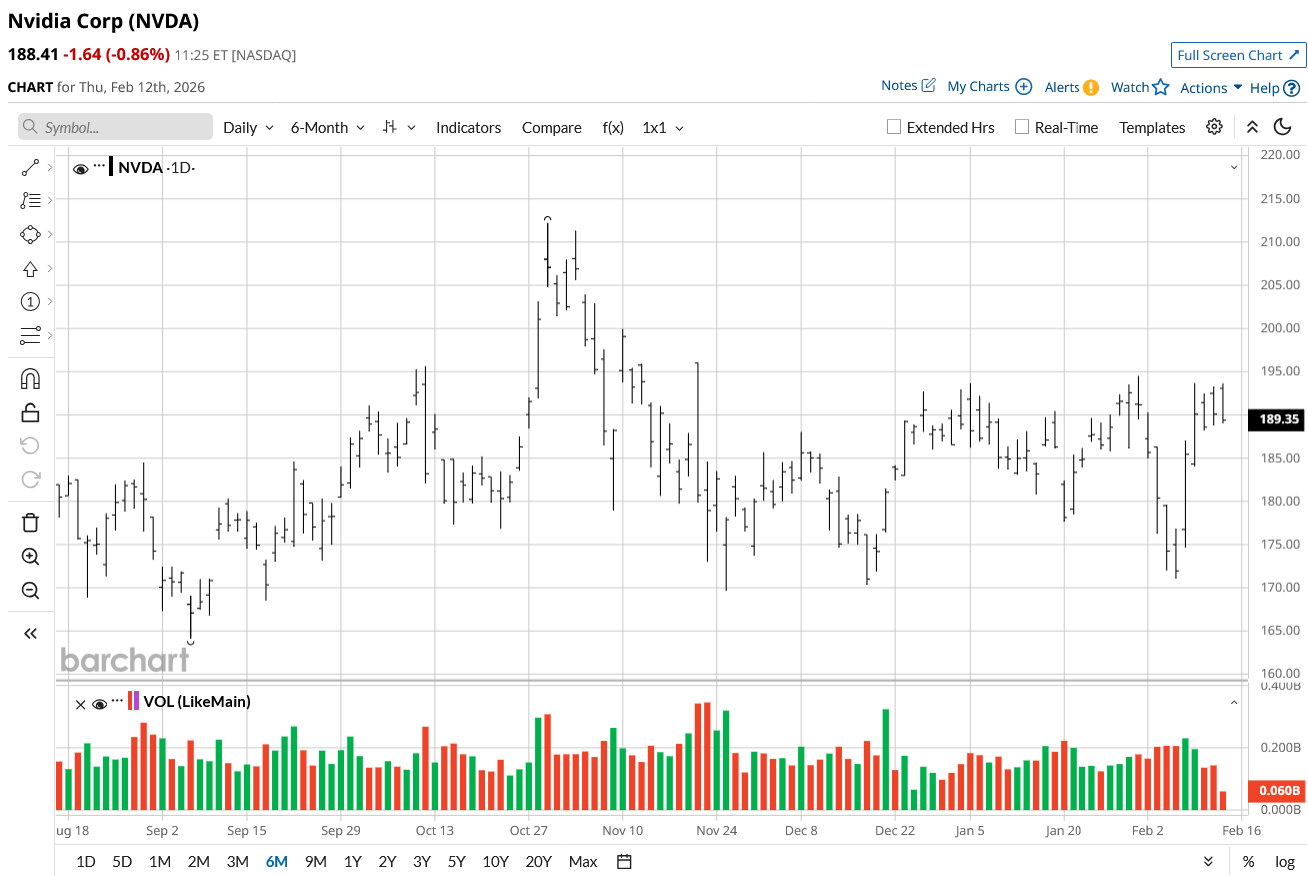
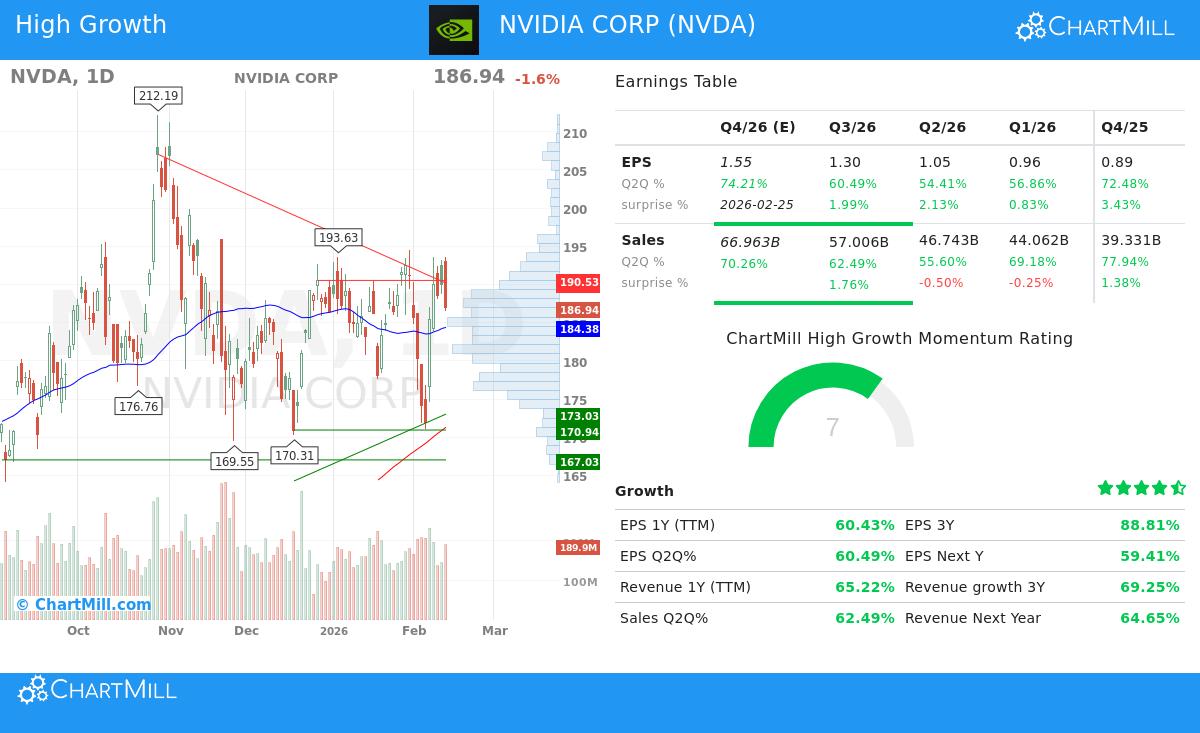
The core tension affecting sellers: Nvidia's stock stagnation despite record AI spending reveals investor skepticism about ROI timelines. Nvidia shares gained less than 2% since August 2025 while competitors TSMC (up 52%) and AMD (up 12%) surged, signaling market concerns that massive capex commitments may not translate to proportional revenue growth. This valuation disconnect matters directly to sellers because cloud infrastructure costs—the foundation of Amazon Web Services, Google Cloud, and Microsoft Azure—are the primary cost drivers for platform operations. When capex growth moderates (as UBS analysts warn), cloud providers typically increase pricing to maintain margins, directly impacting seller fees for storage, compute, and AI-powered tools.
For sellers, the immediate implication is strategic: the next 12-18 months represent a window of enhanced platform capabilities before cost pressures intensify. The $700 billion investment will fund advanced inventory management systems, demand forecasting AI, dynamic pricing tools, and customer service automation—features that will become standard across Amazon Seller Central, Shopify, and emerging platforms. Sellers who adopt these AI-powered tools NOW gain competitive advantage before they become commoditized. However, the market's cautious stance on Nvidia (trading at 24x earnings, a historic discount for AI stocks) suggests infrastructure cost inflation is likely. Sellers should expect 8-15% increases in FBA storage fees, compute-based services, and premium AI tool subscriptions by Q4 2026. The semiconductor cycle historically precedes broader technology corrections, and the current disconnect between spending levels and stock performance indicates potential near-term volatility in platform pricing and feature availability. Sellers dependent on cloud-based business intelligence, dynamic pricing, and logistics optimization should monitor both chip supply trends and quarterly platform announcements to anticipate cost changes and adjust margin assumptions accordingly.
問題 7
What does Nvidia's weak stock performance mean for cloud computing costs?
Nvidia's shares gained less than 2% since August 2025 despite record AI spending, indicating market skepticism about infrastructure ROI. This valuation disconnect historically precedes semiconductor cost cycles that increase cloud infrastructure pricing. UBS analysts warn that capex growth moderation will benefit companies making the spending (Amazon, Microsoft, Alphabet) but negatively impact enabling-layer suppliers like Nvidia. For sellers, this means cloud providers will likely increase pricing on storage, compute, and AI services to maintain margins. Sellers should lock in multi-year commitments for critical cloud services before Q3 2026 to avoid price increases.
How should sellers prepare for potential platform pricing changes in 2026?
The semiconductor cycle historically precedes broader technology corrections, and the current disconnect between $700B in AI spending and Nvidia's weak stock suggests near-term volatility in platform pricing. Sellers should: (1) audit current cloud service usage and costs across Amazon, Shopify, and Google platforms by March 2026, (2) model 10-15% cost increase scenarios for FBA storage, compute, and AI tools, (3) identify margin compression risks in high-volume categories, (4) evaluate alternative fulfillment networks (3PL providers) for cost diversification, and (5) monitor quarterly earnings announcements from Amazon, Microsoft, and Alphabet for capex guidance changes. Sellers with 1000+ monthly units should prioritize 3PL diversification to reduce platform dependency.