





Celebrity Wealth Management & Asset Division | Seller Business Planning Insights
- $3M settlement case reveals high-net-worth asset structuring strategies applicable to 6-figure+ e-commerce business owners managing substantial valuations






















概览
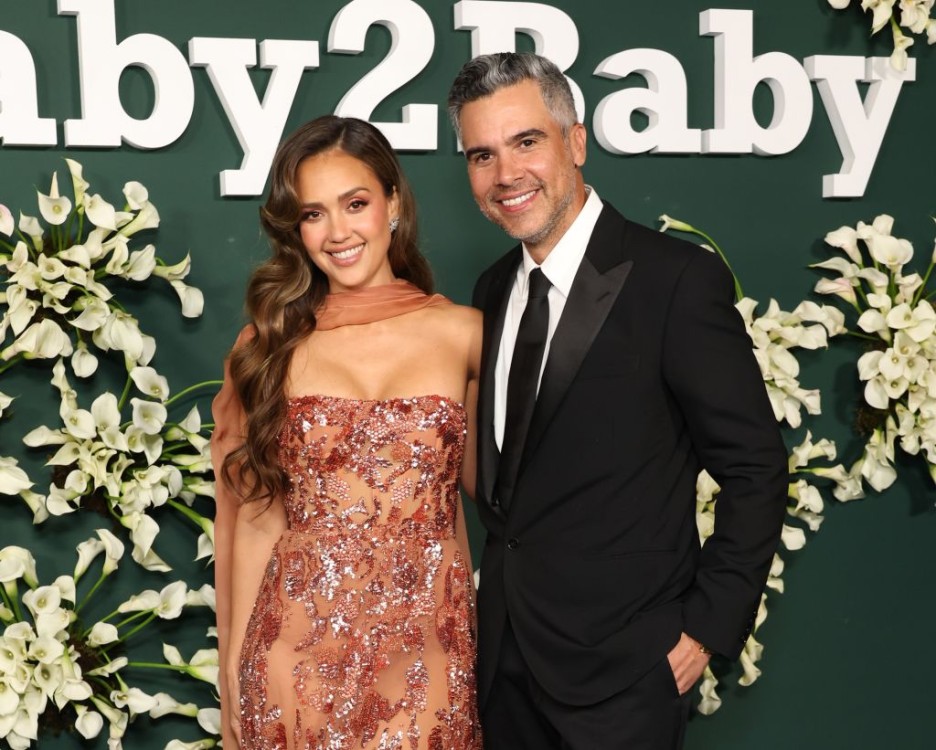
The Jessica Alba and Cash Warren divorce settlement finalized in February 2026 provides a compelling case study in high-net-worth asset division and financial planning for entrepreneurs managing significant business valuations. While the $3 million settlement and $10 million Beverly Hills property division may seem removed from e-commerce operations, the underlying legal and financial principles directly apply to sellers who have built substantial businesses on Amazon, Shopify, eBay, and other platforms.
Key Financial Structuring Lessons for Seller Business Owners: Alba's settlement demonstrates critical wealth management principles relevant to e-commerce entrepreneurs. The $3 million payment structured in two non-taxable installments ($1.5 million immediately, remainder in 2027) illustrates strategic timing of large financial obligations—a principle directly applicable to sellers managing business cash flow, reinvestment cycles, and tax planning. The case highlights that the couple's lack of a prenuptial agreement complicated asset division, a cautionary tale for seller-entrepreneurs whose business valuations may exceed $1-5 million. For e-commerce business owners, this underscores the importance of formal business structures, partnership agreements, and succession planning that clearly delineate personal and business assets.
Consumer Behavior & Honest Company Product Angle: Alba's founder role at Honest Company—a $1.7 billion valuation e-commerce brand specializing in eco-friendly consumer goods—signals continued consumer demand for premium, values-driven product categories. The brand's success in baby care, household products, and personal care demonstrates that celebrity-backed e-commerce ventures can achieve significant scale. Sellers in the sustainable products, organic baby care, and eco-conscious household categories can leverage this high-profile case to understand market positioning: Honest Company's premium pricing (30-50% above conventional brands) and direct-to-consumer focus generated $300+ million in annual revenue before recent market adjustments. This indicates sustained consumer willingness to pay premium prices for transparent, celebrity-endorsed sustainable products—a category where cross-border sellers can compete through Amazon, Walmart, and specialty marketplaces.
Operational Implications for Growing Sellers: The settlement's complexity—involving real estate assets, custody arrangements, and multi-year payment structures—mirrors challenges that rapidly-scaling e-commerce entrepreneurs face when business valuations grow beyond $500K-$1M. Sellers managing significant inventory investments, multiple SKUs across categories, and potential partnership structures should consider formal business planning that addresses: (1) clear asset ownership documentation for tax purposes, (2) succession planning if co-founders or partners are involved, (3) separation of personal and business finances to protect business valuation in legal scenarios, and (4) structured payment arrangements for major business investments or acquisitions. The case demonstrates that even high-profile entrepreneurs require specialized legal counsel (Alba used attorney Laura Wasser, known for celebrity cases) to navigate complex asset division—suggesting that sellers with 6-figure+ annual revenues should invest in business law consultation, not just tax accounting.
問題 7
What legal structures should sellers implement to protect business valuations?
The Alba-Warren case demonstrates that lack of formal agreements (they had no prenuptial) complicated asset division. E-commerce sellers should implement: (1) separate business entities (LLC or S-Corp) to isolate business assets from personal liability, (2) formal operating agreements or partnership documents if co-founders are involved, (3) clear documentation of business ownership percentages and decision-making authority, (4) succession plans addressing what happens if a founder exits, and (5) regular business valuations (annually for businesses exceeding $500K revenue). These structures protect business valuations in personal legal scenarios and facilitate potential exits, acquisitions, or partnerships. Sellers with 6-figure+ revenues should budget $2,000-$5,000 for business law consultation to establish proper structures.
How does Honest Company's success inform product strategy for cross-border sellers?
Honest Company achieved $1.7 billion valuation by positioning premium eco-friendly products at 30-50% price premiums above conventional brands, generating $300+ million annual revenue. This demonstrates sustained consumer demand for sustainable, transparent, celebrity-endorsed products. Cross-border sellers can capitalize on this trend by: (1) sourcing organic baby care, eco-friendly household, and personal care products from Asia-Pacific manufacturers, (2) positioning products on Amazon, Walmart, and specialty marketplaces with sustainability certifications (USDA Organic, EWG Verified), (3) targeting demographics aged 25-45 with household incomes $75K+, and (4) leveraging influencer partnerships similar to Alba's brand positioning. The category shows 15-20% annual growth, making it attractive for sellers with established supply chains.