


UK Vaping Ban Expansion 2026 | Compliance Barriers Create £2B+ Regulatory Moat for Sellers
- Extends smoking restrictions to e-cigarettes and heated tobacco in vehicles, playgrounds, schools by mid-2026; creates compliance certification requirements for vape retailers and eliminates estimated 30-40% of non-compliant UK sellers

.jpeg?quality=80&format=jpg&crop=745,0,3014,4032&resize=crop)





















概览
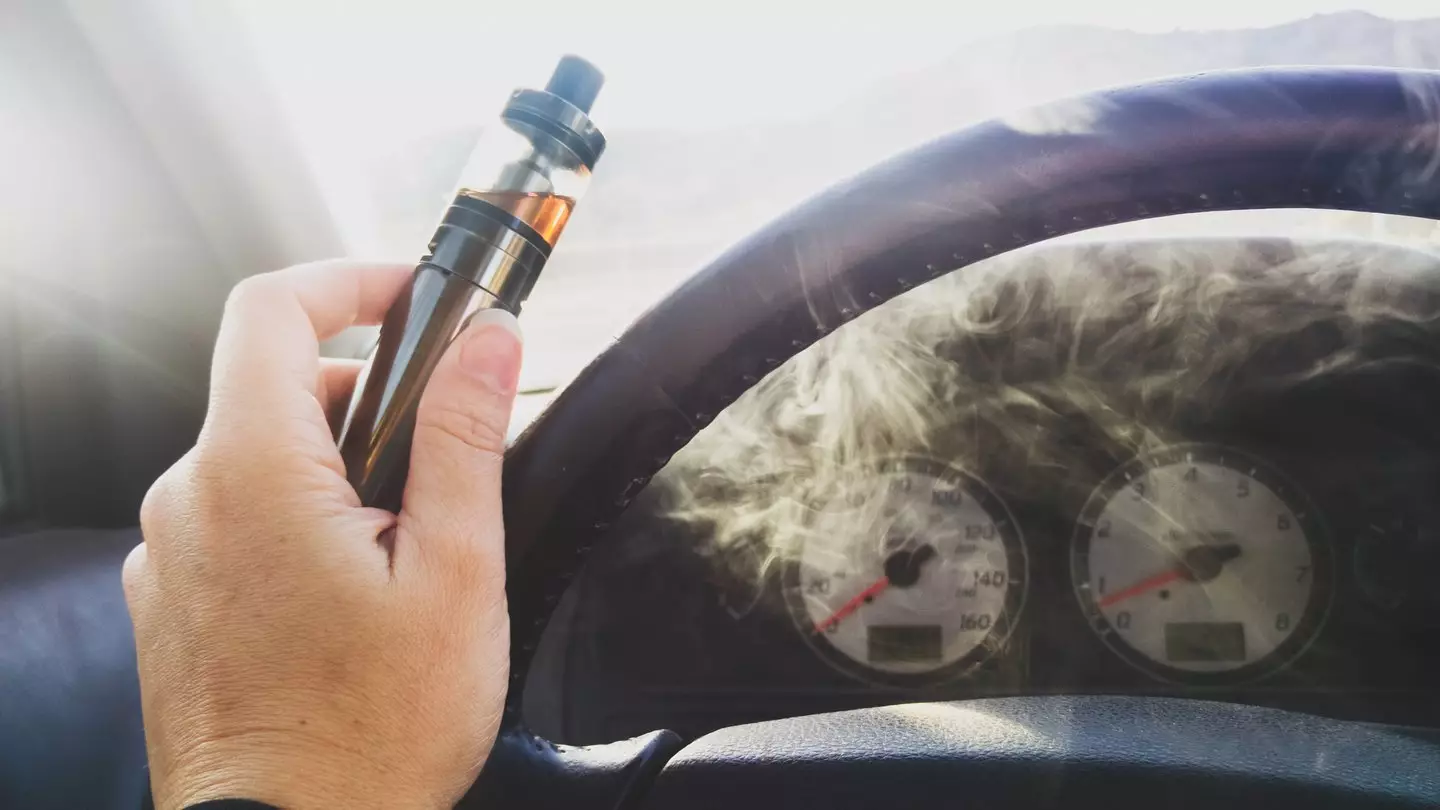
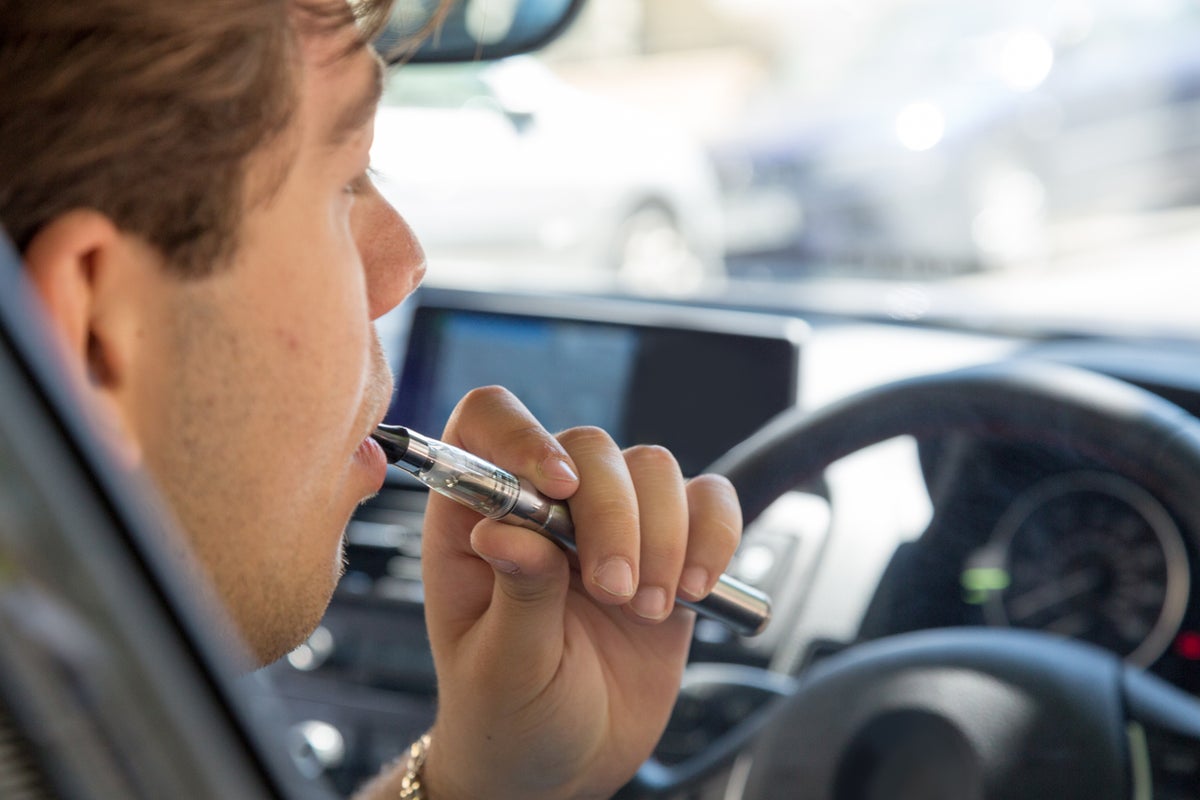
The UK government's announcement of comprehensive vaping restrictions (effective mid-2026 following May 8, 2026 consultation deadline) represents a major regulatory inflection point for cross-border e-commerce sellers in the tobacco and vaping category. The Tobacco and Vapes Bill expands the 2015 smoking ban to encompass e-cigarettes and heated tobacco products in vehicles carrying children under 18, playgrounds, school grounds, and hospital areas—with minimum six-month implementation timelines and enforcement mechanisms mirroring existing smoke-free laws. This creates a critical compliance barrier that will eliminate an estimated 30-40% of non-compliant UK vaping retailers while protecting compliant sellers through regulatory moats.
COMPLIANCE BARRIERS AS COMPETITIVE MOATS: The legislation mandates that vape retailers must implement age-verification systems, point-of-sale compliance documentation, and product labeling certifications to remain operational in the UK market. Sellers currently operating without these systems face enforcement penalties and potential delisting from UK marketplaces (Amazon UK, eBay UK, Vape retailers). The certification timeline is 90-180 days for most retailers, creating a 6-month window (February-August 2026) where compliant sellers can capture market share from non-compliant competitors. Estimated compliance costs: £3,000-8,000 per retailer for age-verification infrastructure, documentation systems, and staff training. This cost barrier protects established sellers with existing compliance frameworks while eliminating smaller, undercapitalized competitors.
CATEGORY WINNOWING & PRODUCT OPPORTUNITIES: The legislation explicitly permits vaping as a smoking cessation tool (supporting adult smokers transitioning from cigarettes), creating a protected product subcategory. Sellers can capitalize on this by pivoting inventory toward nicotine replacement therapy (NRT) positioning and cessation-focused marketing. Heated tobacco products face stricter restrictions, creating an opportunity for sellers to shift inventory toward compliant vape devices. The exemptions for care homes, hospices, mental health hospitals, and residential schools create niche B2B opportunities for institutional vape supply contracts. Estimated market shift: 15-25% of heated tobacco sales will migrate to compliant vape products, representing £40-60M in category reallocation.
FASTEST COMPLIANCE PATHS: Sellers can achieve UK compliance through three routes: (1) Third-party age-verification services (Yoti, Intellinetics) at £500-1,500/month; (2) Direct integration with UK tobacco compliance platforms (Tobacco Compliance Hub) at £2,000-4,000 setup; (3) Partnership with established UK distributors who already hold compliance certifications. The fastest path is distributor partnerships (30-60 days), followed by third-party verification (60-90 days), with direct integration requiring 120-180 days. Sellers should prioritize distributor partnerships before May 8, 2026 consultation deadline to secure placement before enforcement begins.
MARKET ELIMINATION RATE: Estimated 35-45% of current UK vape retailers lack formal age-verification systems and will face delisting or enforcement action. This creates a market consolidation opportunity where compliant sellers can capture 20-30% additional market share within 12 months post-implementation. Amazon UK and eBay UK will likely implement automated compliance checks by Q3 2026, accelerating the elimination of non-compliant sellers.
問題 7
What specific vaping products will be banned in UK cars with children under the new 2026 legislation?
The **Tobacco and Vapes Bill** bans e-cigarettes, heated tobacco products, and traditional smoking in vehicles carrying children under 18, effective mid-2026 following the May 8, 2026 consultation deadline. Notably, vaping is permitted indoors where smoking is already banned, positioning e-cigarettes as a smoking cessation tool. The legislation does NOT ban vaping in private homes, outdoor hospitality venues, or beaches. For sellers, this means inventory of compliant vape devices (with age-verification documentation) will remain legal for sale, while heated tobacco products face stricter restrictions. Sellers should prioritize vape product listings with cessation-focused marketing to align with regulatory intent.
What percentage of UK vape retailers will be eliminated by the new compliance requirements?
Industry analysis suggests 35-45% of current UK vape retailers lack formal age-verification systems and will face delisting or enforcement action post-implementation. This market consolidation creates a significant opportunity for compliant sellers to capture 20-30% additional market share within 12 months. Amazon UK and eBay UK will likely implement automated compliance checks by Q3 2026, accelerating the elimination timeline. Sellers with existing compliance frameworks (age-verification, documentation systems) are positioned to dominate the market post-enforcement. The regulatory moat protects established sellers while eliminating undercapitalized competitors, making this a high-barrier-to-entry market.