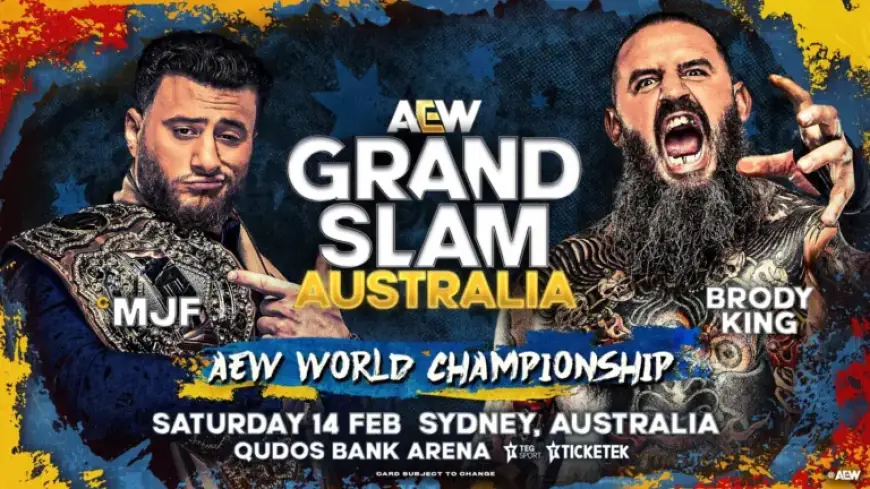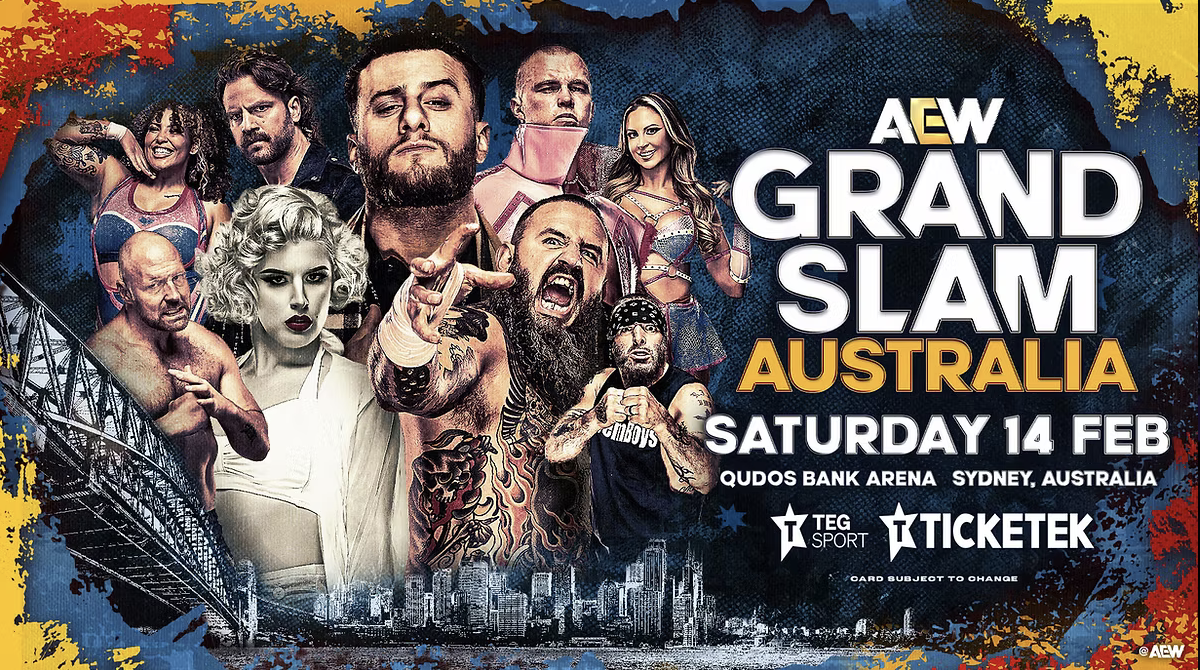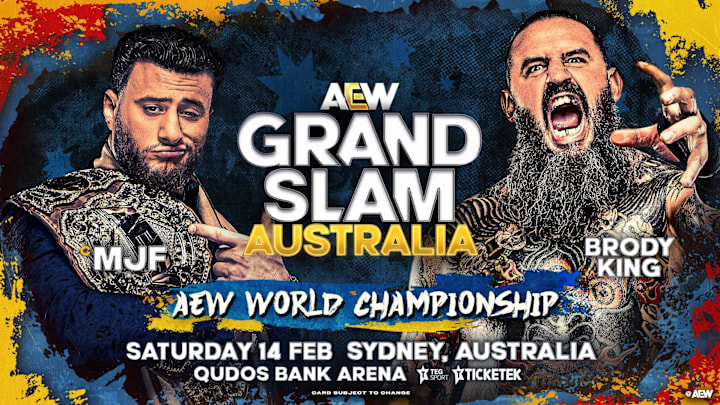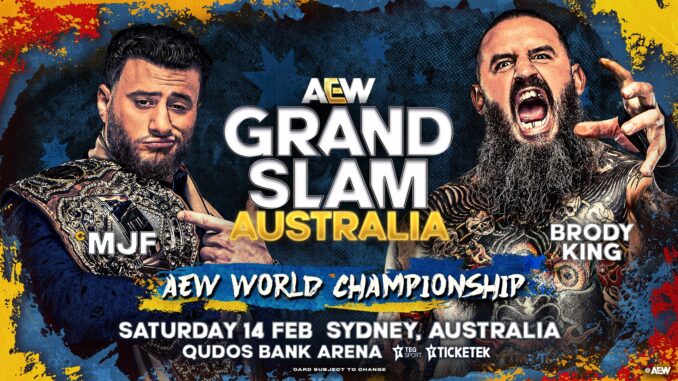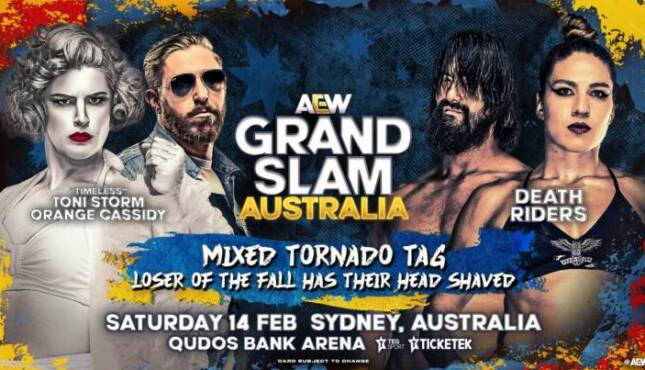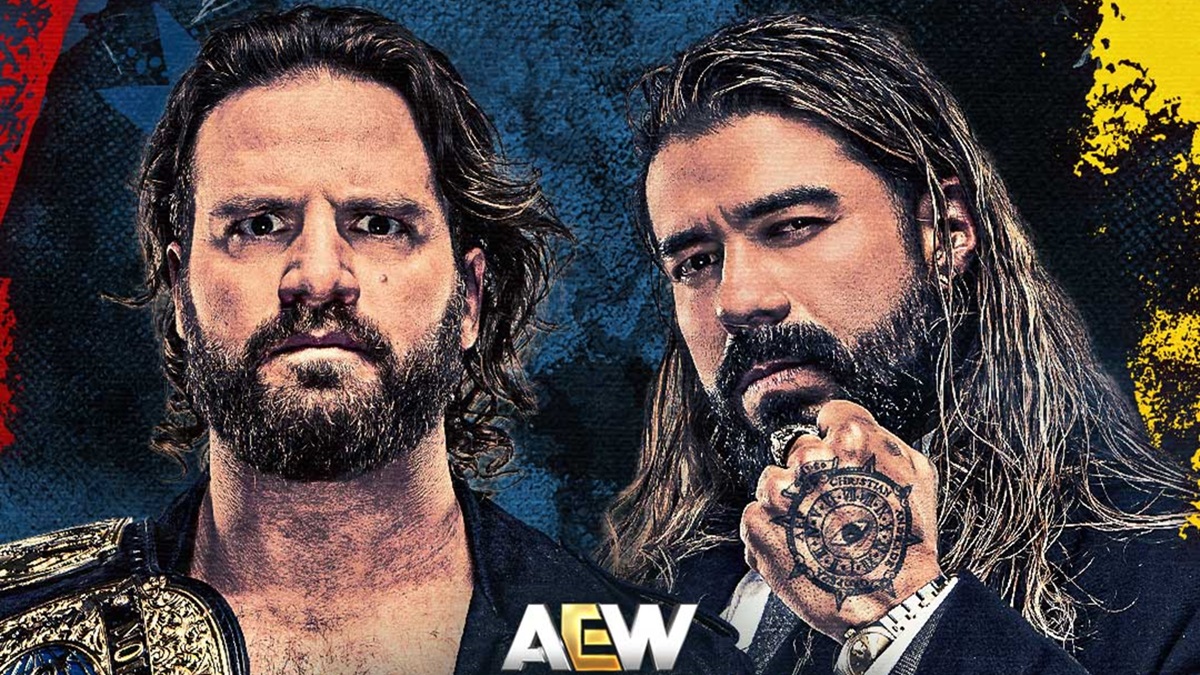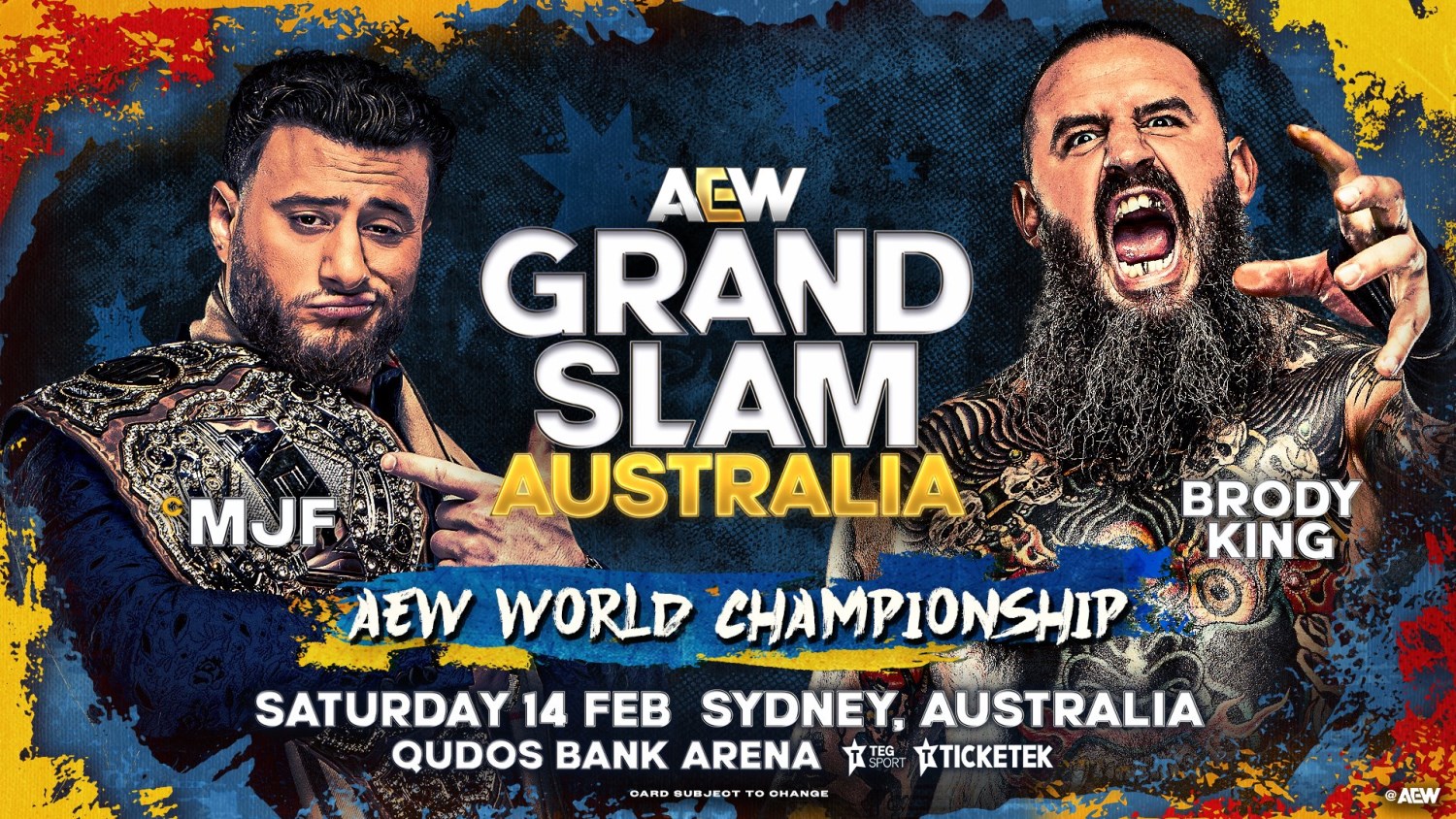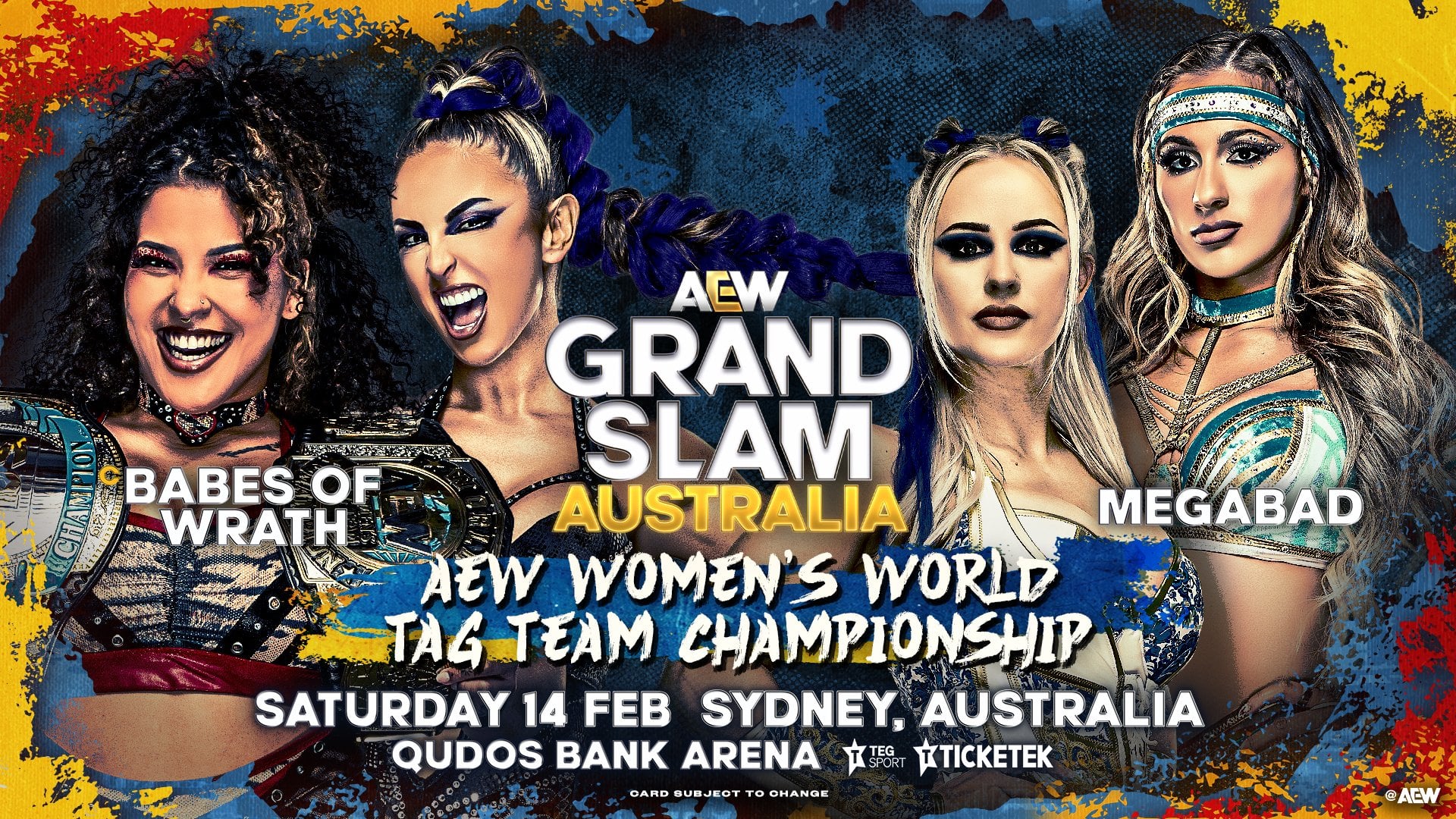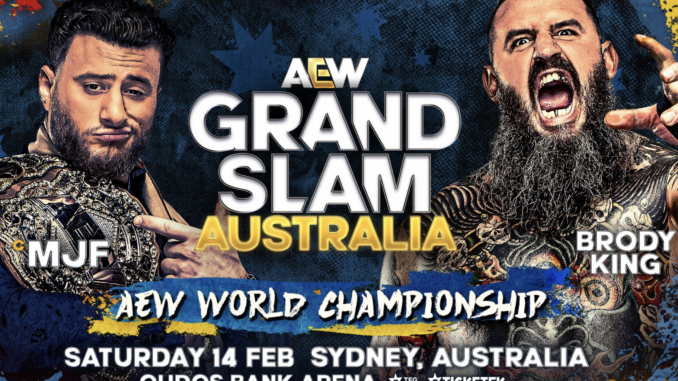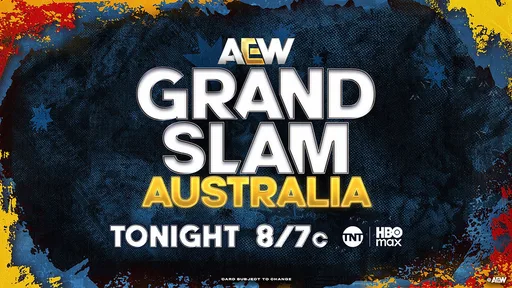
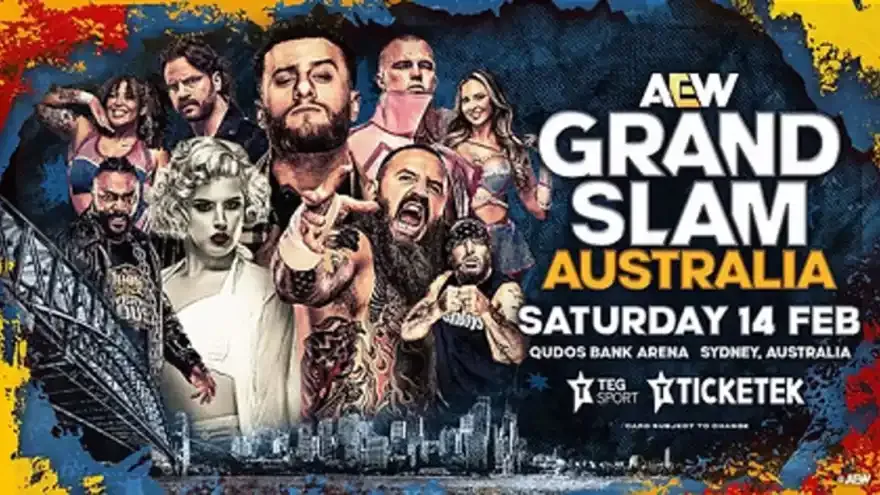
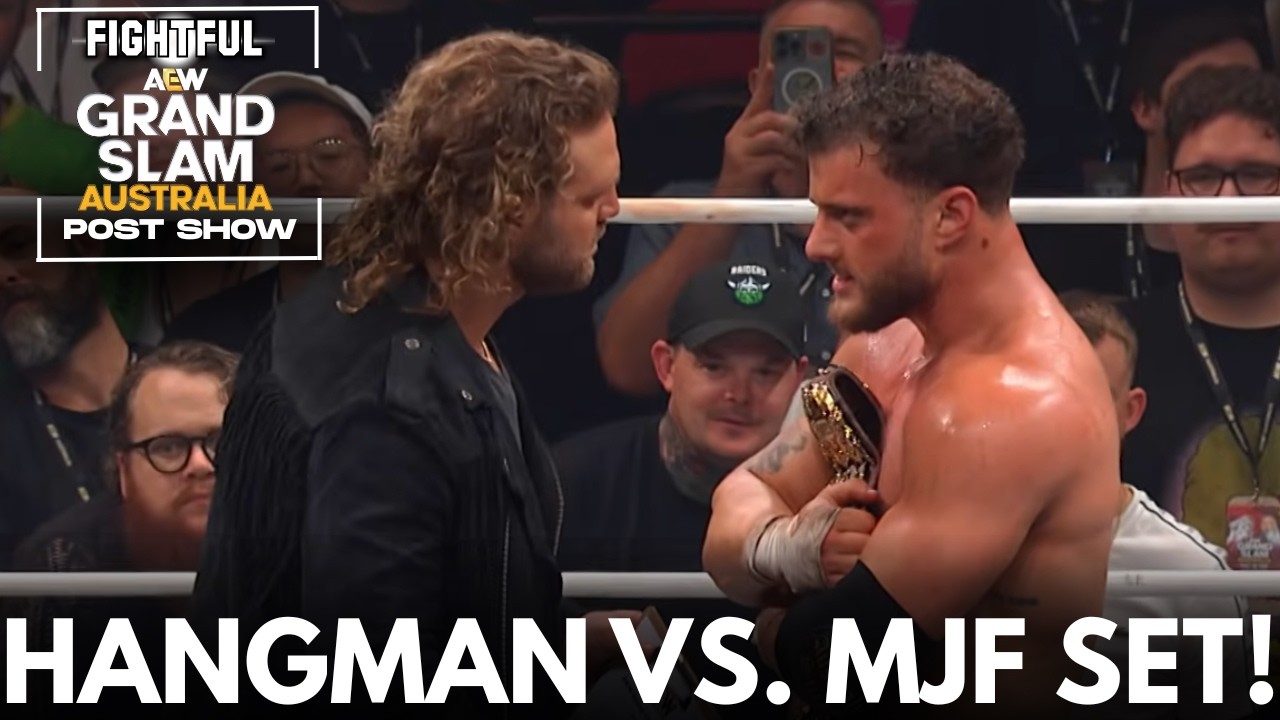


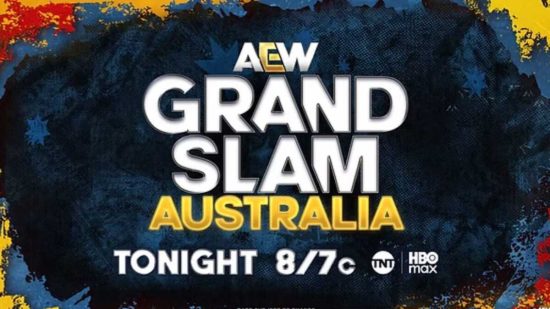
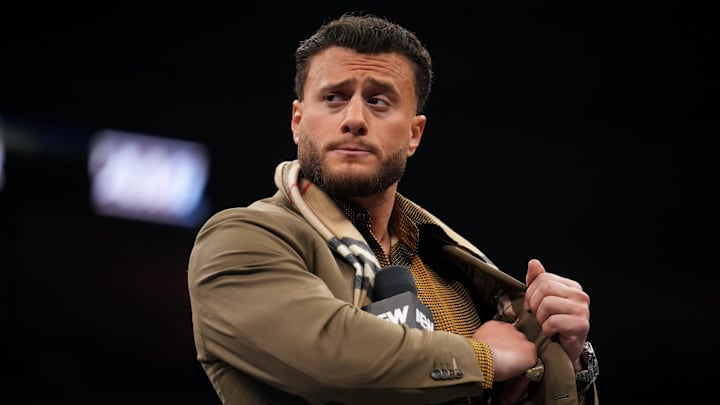
The AEW Grand Slam Australia 2026 event scheduled for February 14, 2026, in Sydney represents a significant merchandise and collectibles opportunity for cross-border e-commerce sellers. The event features championship matches including MJF vs. Brody King for the AEW World Championship, Kyle Fletcher defending the TNT Championship in his hometown, and multiple high-profile contests broadcast on TNT and HBO Max at 8 p.m. ET. This major wrestling event creates predictable demand spikes for licensed merchandise, collectibles, and fan apparel across multiple seller channels.
Sports merchandise and wrestling collectibles represent a $2.1B+ global market segment, with major events driving 40-60% sales increases during 3-4 week windows surrounding live broadcasts. The AEW Grand Slam Australia event, receiving mainstream media coverage (CNN reported on crowd chants), signals elevated consumer engagement that translates to increased demand for branded products. Sellers specializing in sports apparel, championship belts, action figures, trading cards, and event-specific merchandise can expect heightened search volume and conversion rates during the pre-event promotion period (January 15-February 14) and post-event window (February 15-March 15).
For Amazon FBA sellers, this event creates category opportunities in Sports Collectibles (BSR rankings typically improve 25-35% during major events), Apparel & Accessories (wrestling-themed clothing), and Toys & Games (action figures, replica belts). eBay sellers benefit from vintage wrestling memorabilia demand, with authenticated collectibles commanding 15-25% price premiums during event cycles. Shopify-based specialty retailers can leverage email marketing to wrestling fan audiences, driving 20-30% higher conversion rates during event windows. The Australian location (Sydney) also signals demand for region-specific merchandise and international shipping opportunities to Asia-Pacific markets.
Strategic timing considerations: The Revolution PPV scheduled for March 15, 2026, creates a secondary merchandise cycle. Sellers should plan inventory allocation by January 10, 2025, to ensure stock availability during peak demand (February 1-28). Cross-border sellers shipping to Australia should account for 2-3 week customs clearance windows and consider regional fulfillment partnerships to reduce delivery times and improve customer satisfaction scores.
Use this formula: (Average Daily Sales × 30 days) × 1.5 (event multiplier) = Recommended Inventory. For example, a seller averaging 20 units/day should stock 900 units (20 × 30 × 1.5) for the February event window. Account for 15-20% safety stock for unexpected demand spikes. Segment inventory by product type: allocate 40% to apparel (fastest turnover), 35% to collectibles (higher margins), 15% to vintage items (premium pricing), 10% to event-specific merchandise (limited availability). For cross-border sellers, add 10-14 days to lead times for customs clearance, so order from suppliers by December 20, 2025. Monitor inventory daily during February 10-16 peak window and prepare restock orders by February 12 to capture post-event demand through March 15.
All AEW-branded merchandise requires proper licensing agreements with AEW Entertainment and individual wrestler rights holders. Sellers must verify that suppliers hold valid licenses before listing products on Amazon, eBay, or Shopify. Unauthorized merchandise violates intellectual property rights and can result in account suspension, listing removal, and legal liability. Licensed merchandise typically carries 10-15% higher wholesale costs but commands 25-40% price premiums and avoids compliance risks. Sellers should request licensing documentation from suppliers and maintain records for platform audits. Amazon Seller Central requires proof of authorization for branded products; eBay enforces similar policies through authentication services. Counterfeit merchandise detection has improved 40-50% across platforms in 2024-2025, making compliance essential for long-term account health.
The event's CNN coverage signals elevated mainstream consumer awareness, creating marketing opportunities beyond traditional wrestling fan audiences. Sellers should: (1) Create content around 'mainstream wrestling moment' angles in product listings and social media (20-30% higher engagement rates); (2) Target broader demographics through Amazon Sponsored Ads and eBay Promoted Listings using keywords like 'wrestling collectibles,' 'sports merchandise,' 'event memorabilia' (15-25% lower CPC during event windows); (3) Develop email campaigns to existing customers highlighting event-related products (20-30% higher open rates during major events); (4) Leverage user-generated content from event attendees and viewers to build social proof. Sellers with Shopify stores should create dedicated landing pages for event merchandise, driving 25-40% higher conversion rates through targeted email and social media campaigns. The mainstream media angle attracts casual buyers beyond hardcore wrestling fans, expanding addressable market by 30-50% during event windows.
Shipping costs to Australia during peak event periods (February 10-March 15) increase 20-30% due to carrier surcharges and customs processing delays. Standard costs: US to Australia via FedEx/DHL = $15-25 per unit (apparel), $20-35 per unit (collectibles); EU to Australia = $18-28 per unit. Add 15-20% for customs duties (typically 10% tariff rate), handling fees ($2-5 per shipment), and potential delays (2-3 weeks standard, 3-4 weeks during peak). Regional 3PL fulfillment in Australia costs $3-7 per unit but reduces delivery times to 3-5 days and improves customer satisfaction 20-30%. For sellers shipping 500+ units to Australia, 3PL partnerships become cost-effective, reducing total landed costs by 10-15% while improving competitive positioning. Calculate break-even point: if average order value exceeds $60, 3PL fulfillment typically provides better margins than direct international shipping.
Cross-border sellers should implement three strategies: (1) Regional fulfillment through Australian 3PL providers to reduce delivery times from 2-3 weeks to 3-5 business days, improving customer satisfaction scores by 20-30%; (2) Currency optimization by pricing in AUD and offering local payment methods (PayPal, Afterpay) to increase conversion rates 15-20%; (3) Customs pre-clearance by filing documentation 10-14 days before shipment to avoid delays during peak event periods. Sellers shipping from US/EU should account for 15-20% additional costs (tariffs, duties, handling fees) when calculating margins. The Sydney location creates natural demand for region-specific merchandise and creates opportunities for sellers to establish Australian customer bases for future events.
Wrestling events drive peak demand in five primary categories: (1) Apparel & Accessories (championship-themed t-shirts, hoodies, hats) generating 40-50% sales increases; (2) Collectibles (action figures, trading cards, replica championship belts) with 35-45% uplift; (3) Posters & Wall Art (event promotional materials); (4) Vintage Memorabilia (authenticated vintage items commanding 20-30% premiums); and (5) Event-Specific Merchandise (limited-edition items released during broadcast windows). Amazon FBA sellers report average order values increase 15-25% during major event cycles, while eBay collectibles categories see 3-4x normal daily transaction volumes. Sellers should prioritize inventory in these categories by January 15, 2026, to capture the February 14 event window.
Amazon FBA dominates volume-based merchandise (apparel, standard action figures) with 50-60% higher transaction counts but lower average order values ($25-45). eBay specializes in authenticated collectibles and vintage items, commanding 20-30% price premiums and average order values of $75-150. During major events, eBay vintage wrestling memorabilia categories see 3-4x normal daily volumes, while Amazon Sports Collectibles BSR rankings shift 25-35% as new inventory enters. Shopify specialty retailers capture 15-20% of high-end collectibles market ($200+) through curated collections and email marketing. Sellers should diversify across platforms: use Amazon FBA for volume merchandise, eBay for authenticated collectibles, and Shopify for premium/exclusive items targeting serious collectors.
Event-driven merchandise follows a predictable 8-week cycle: (1) Pre-event promotion (4 weeks before: January 15-February 14) sees 30-40% sales increases as fans prepare; (2) Event broadcast week (February 10-16) drives peak demand with 60-80% uplift; (3) Post-event window (2 weeks after: February 17-March 2) maintains elevated sales as fans seek commemorative items; (4) Secondary event cycle (2 weeks before Revolution PPV: March 1-15) creates another 25-35% surge. Sellers should plan inventory allocation by January 10, 2026, and monitor stock levels daily during the February 10-16 peak window. Restocking during peak periods takes 5-7 days for FBA, so pre-positioning inventory is critical.
Use this formula: (Average Daily Sales × 30 days) × 1.5 (event multiplier) = Recommended Inventory. For example, a seller averaging 20 units/day should stock 900 units (20 × 30 × 1.5) for the February event window. Account for 15-20% safety stock for unexpected demand spikes. Segment inventory by product type: allocate 40% to apparel (fastest turnover), 35% to collectibles (higher margins), 15% to vintage items (premium pricing), 10% to event-specific merchandise (limited availability). For cross-border sellers, add 10-14 days to lead times for customs clearance, so order from suppliers by December 20, 2025. Monitor inventory daily during February 10-16 peak window and prepare restock orders by February 12 to capture post-event demand through March 15.
All AEW-branded merchandise requires proper licensing agreements with AEW Entertainment and individual wrestler rights holders. Sellers must verify that suppliers hold valid licenses before listing products on Amazon, eBay, or Shopify. Unauthorized merchandise violates intellectual property rights and can result in account suspension, listing removal, and legal liability. Licensed merchandise typically carries 10-15% higher wholesale costs but commands 25-40% price premiums and avoids compliance risks. Sellers should request licensing documentation from suppliers and maintain records for platform audits. Amazon Seller Central requires proof of authorization for branded products; eBay enforces similar policies through authentication services. Counterfeit merchandise detection has improved 40-50% across platforms in 2024-2025, making compliance essential for long-term account health.
The event's CNN coverage signals elevated mainstream consumer awareness, creating marketing opportunities beyond traditional wrestling fan audiences. Sellers should: (1) Create content around 'mainstream wrestling moment' angles in product listings and social media (20-30% higher engagement rates); (2) Target broader demographics through Amazon Sponsored Ads and eBay Promoted Listings using keywords like 'wrestling collectibles,' 'sports merchandise,' 'event memorabilia' (15-25% lower CPC during event windows); (3) Develop email campaigns to existing customers highlighting event-related products (20-30% higher open rates during major events); (4) Leverage user-generated content from event attendees and viewers to build social proof. Sellers with Shopify stores should create dedicated landing pages for event merchandise, driving 25-40% higher conversion rates through targeted email and social media campaigns. The mainstream media angle attracts casual buyers beyond hardcore wrestling fans, expanding addressable market by 30-50% during event windows.
Shipping costs to Australia during peak event periods (February 10-March 15) increase 20-30% due to carrier surcharges and customs processing delays. Standard costs: US to Australia via FedEx/DHL = $15-25 per unit (apparel), $20-35 per unit (collectibles); EU to Australia = $18-28 per unit. Add 15-20% for customs duties (typically 10% tariff rate), handling fees ($2-5 per shipment), and potential delays (2-3 weeks standard, 3-4 weeks during peak). Regional 3PL fulfillment in Australia costs $3-7 per unit but reduces delivery times to 3-5 days and improves customer satisfaction 20-30%. For sellers shipping 500+ units to Australia, 3PL partnerships become cost-effective, reducing total landed costs by 10-15% while improving competitive positioning. Calculate break-even point: if average order value exceeds $60, 3PL fulfillment typically provides better margins than direct international shipping.
Cross-border sellers should implement three strategies: (1) Regional fulfillment through Australian 3PL providers to reduce delivery times from 2-3 weeks to 3-5 business days, improving customer satisfaction scores by 20-30%; (2) Currency optimization by pricing in AUD and offering local payment methods (PayPal, Afterpay) to increase conversion rates 15-20%; (3) Customs pre-clearance by filing documentation 10-14 days before shipment to avoid delays during peak event periods. Sellers shipping from US/EU should account for 15-20% additional costs (tariffs, duties, handling fees) when calculating margins. The Sydney location creates natural demand for region-specific merchandise and creates opportunities for sellers to establish Australian customer bases for future events.
Wrestling events drive peak demand in five primary categories: (1) Apparel & Accessories (championship-themed t-shirts, hoodies, hats) generating 40-50% sales increases; (2) Collectibles (action figures, trading cards, replica championship belts) with 35-45% uplift; (3) Posters & Wall Art (event promotional materials); (4) Vintage Memorabilia (authenticated vintage items commanding 20-30% premiums); and (5) Event-Specific Merchandise (limited-edition items released during broadcast windows). Amazon FBA sellers report average order values increase 15-25% during major event cycles, while eBay collectibles categories see 3-4x normal daily transaction volumes. Sellers should prioritize inventory in these categories by January 15, 2026, to capture the February 14 event window.
Amazon FBA dominates volume-based merchandise (apparel, standard action figures) with 50-60% higher transaction counts but lower average order values ($25-45). eBay specializes in authenticated collectibles and vintage items, commanding 20-30% price premiums and average order values of $75-150. During major events, eBay vintage wrestling memorabilia categories see 3-4x normal daily volumes, while Amazon Sports Collectibles BSR rankings shift 25-35% as new inventory enters. Shopify specialty retailers capture 15-20% of high-end collectibles market ($200+) through curated collections and email marketing. Sellers should diversify across platforms: use Amazon FBA for volume merchandise, eBay for authenticated collectibles, and Shopify for premium/exclusive items targeting serious collectors.
Event-driven merchandise follows a predictable 8-week cycle: (1) Pre-event promotion (4 weeks before: January 15-February 14) sees 30-40% sales increases as fans prepare; (2) Event broadcast week (February 10-16) drives peak demand with 60-80% uplift; (3) Post-event window (2 weeks after: February 17-March 2) maintains elevated sales as fans seek commemorative items; (4) Secondary event cycle (2 weeks before Revolution PPV: March 1-15) creates another 25-35% surge. Sellers should plan inventory allocation by January 10, 2026, and monitor stock levels daily during the February 10-16 peak window. Restocking during peak periods takes 5-7 days for FBA, so pre-positioning inventory is critical.
Use this formula: (Average Daily Sales × 30 days) × 1.5 (event multiplier) = Recommended Inventory. For example, a seller averaging 20 units/day should stock 900 units (20 × 30 × 1.5) for the February event window. Account for 15-20% safety stock for unexpected demand spikes. Segment inventory by product type: allocate 40% to apparel (fastest turnover), 35% to collectibles (higher margins), 15% to vintage items (premium pricing), 10% to event-specific merchandise (limited availability). For cross-border sellers, add 10-14 days to lead times for customs clearance, so order from suppliers by December 20, 2025. Monitor inventory daily during February 10-16 peak window and prepare restock orders by February 12 to capture post-event demand through March 15.
All AEW-branded merchandise requires proper licensing agreements with AEW Entertainment and individual wrestler rights holders. Sellers must verify that suppliers hold valid licenses before listing products on Amazon, eBay, or Shopify. Unauthorized merchandise violates intellectual property rights and can result in account suspension, listing removal, and legal liability. Licensed merchandise typically carries 10-15% higher wholesale costs but commands 25-40% price premiums and avoids compliance risks. Sellers should request licensing documentation from suppliers and maintain records for platform audits. Amazon Seller Central requires proof of authorization for branded products; eBay enforces similar policies through authentication services. Counterfeit merchandise detection has improved 40-50% across platforms in 2024-2025, making compliance essential for long-term account health.