




Iran Geopolitical Tensions Drive Emerging Market E-Commerce Opportunities
- Political instability in Middle East creates niche product demand surge and alternative sourcing opportunities for cross-border sellers










概览
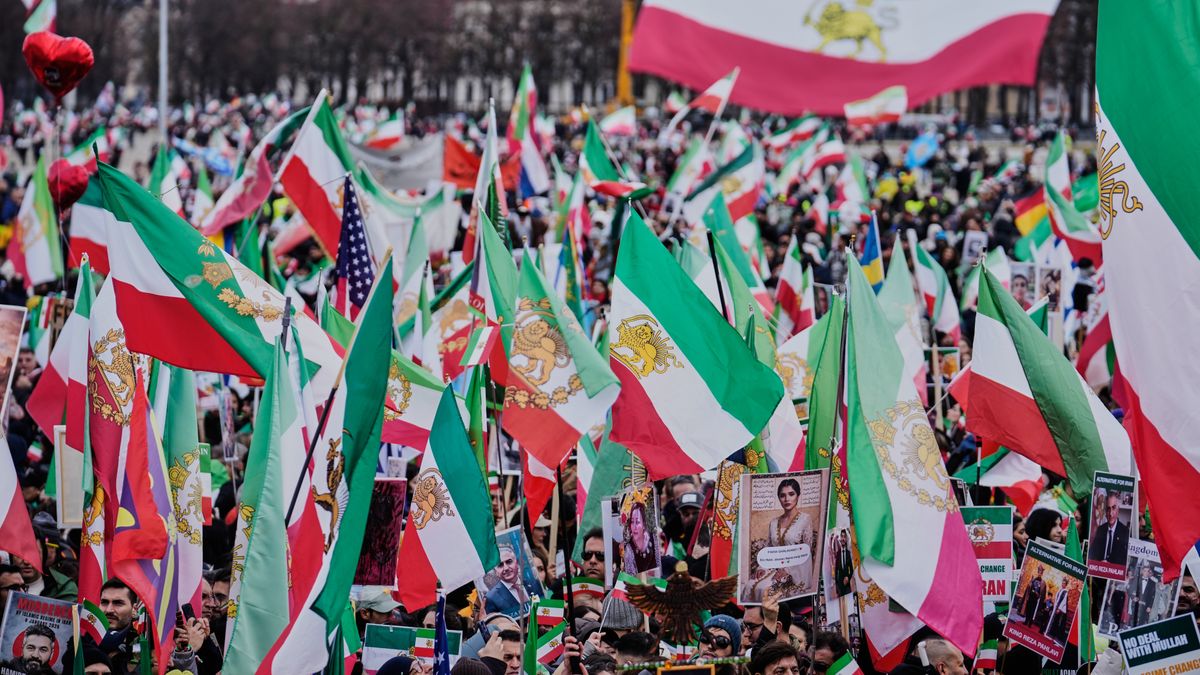
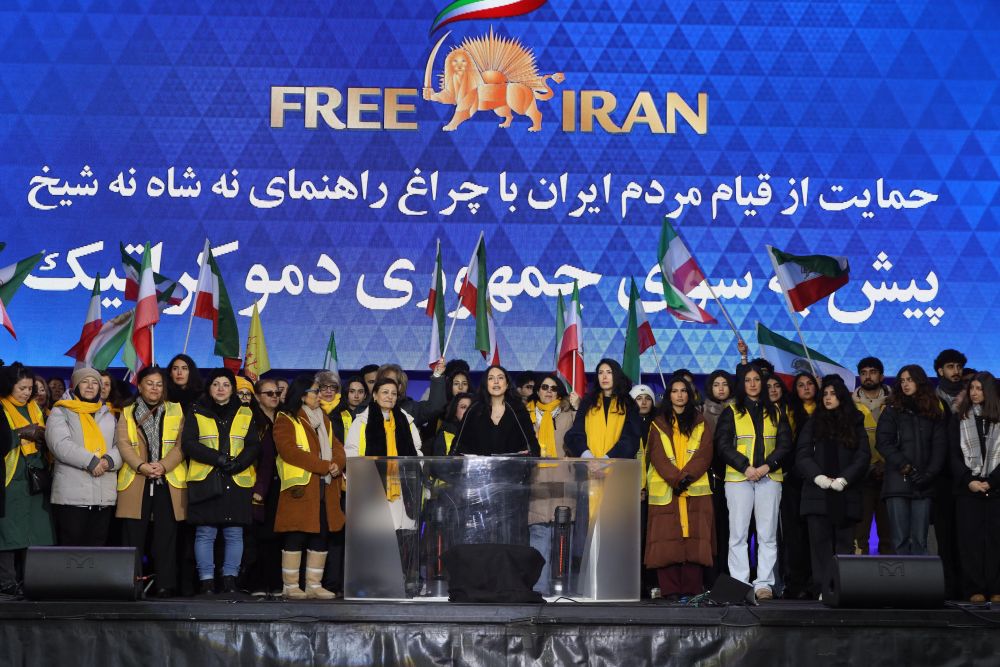
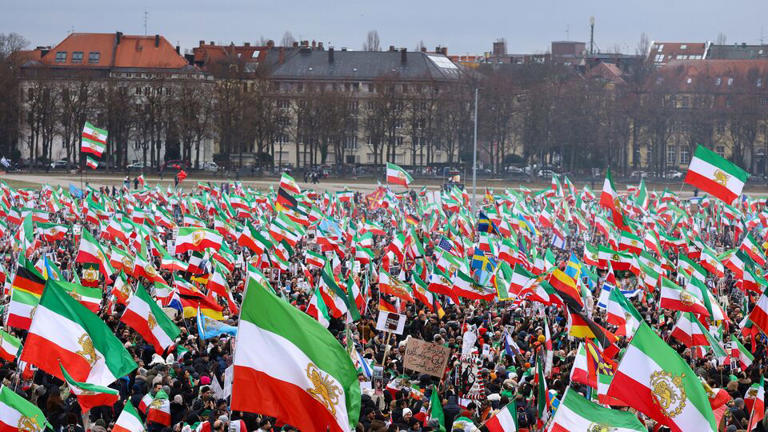
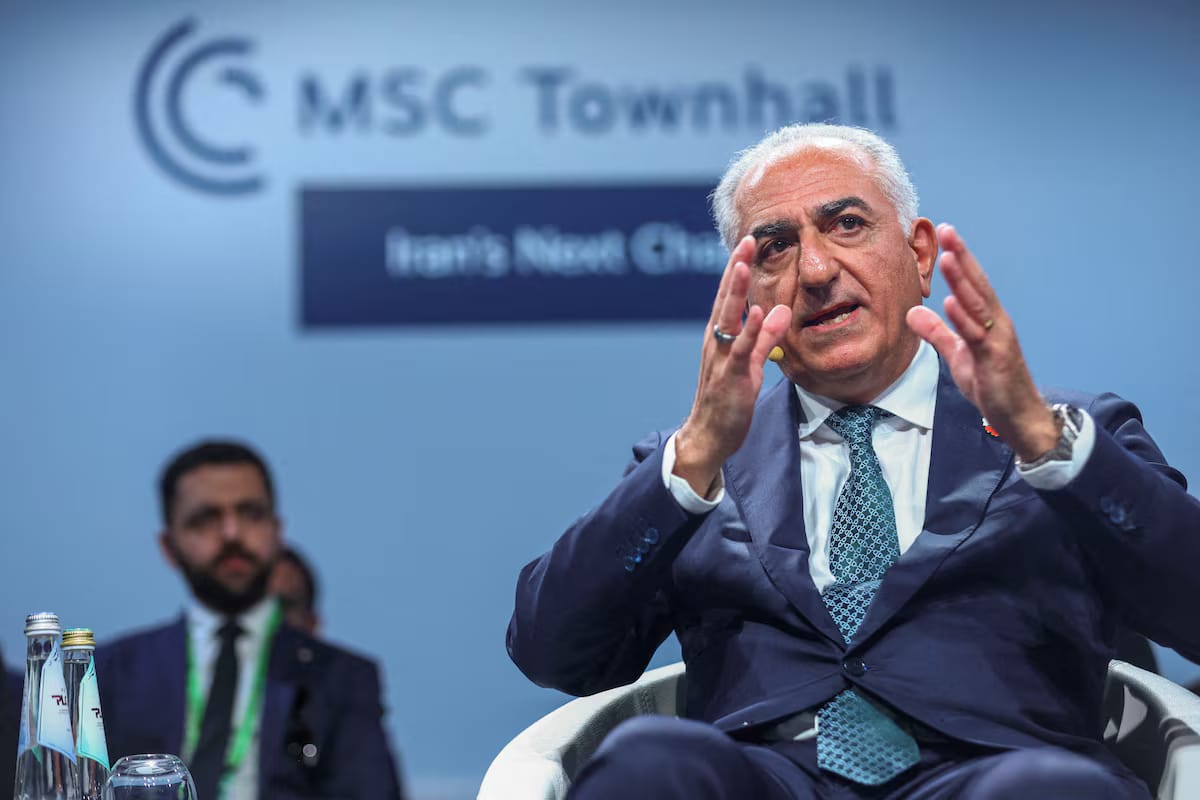
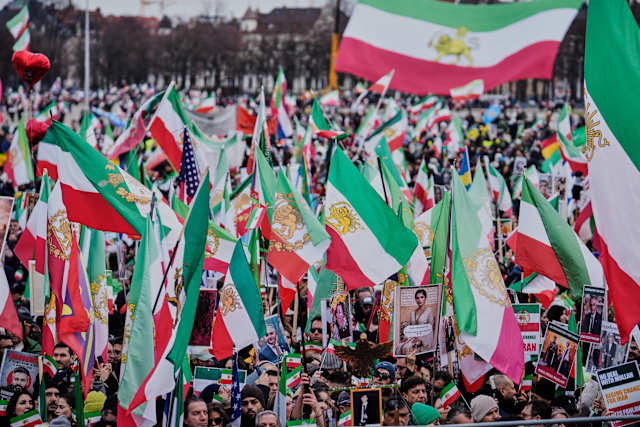
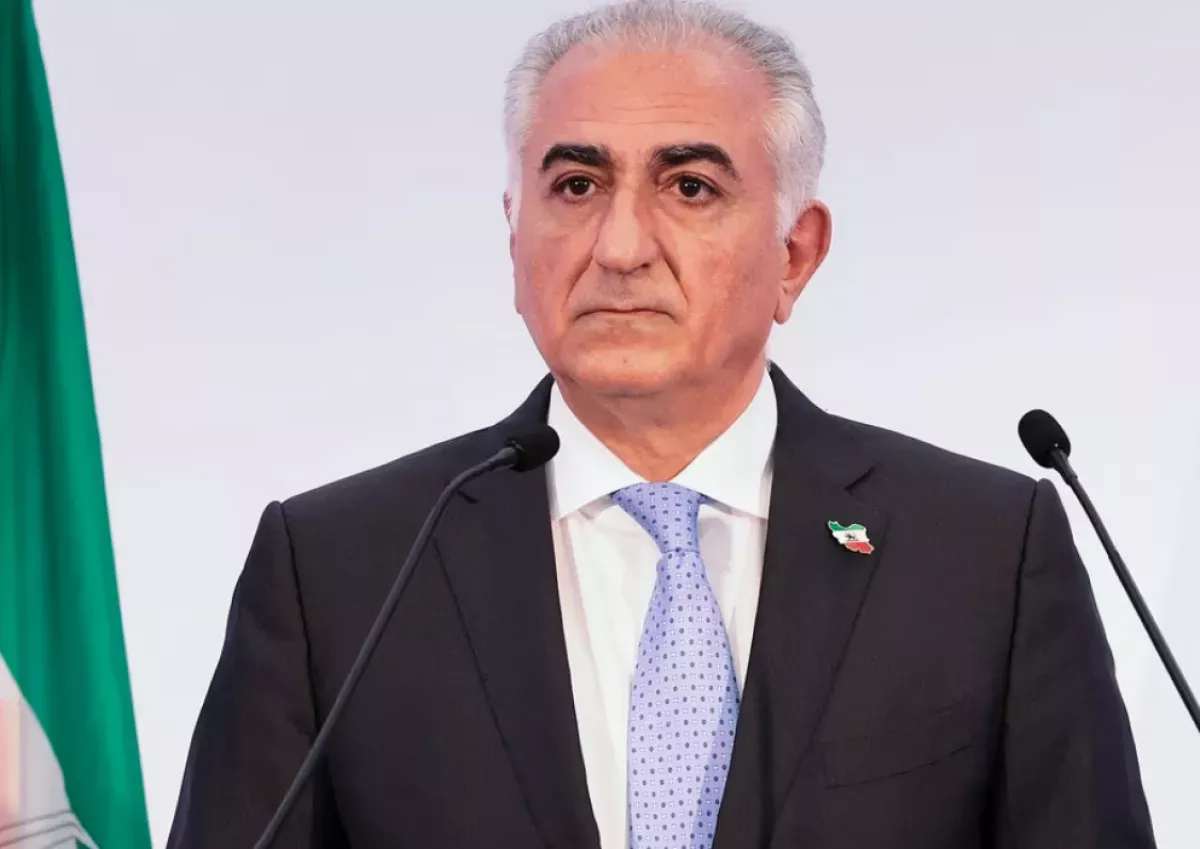
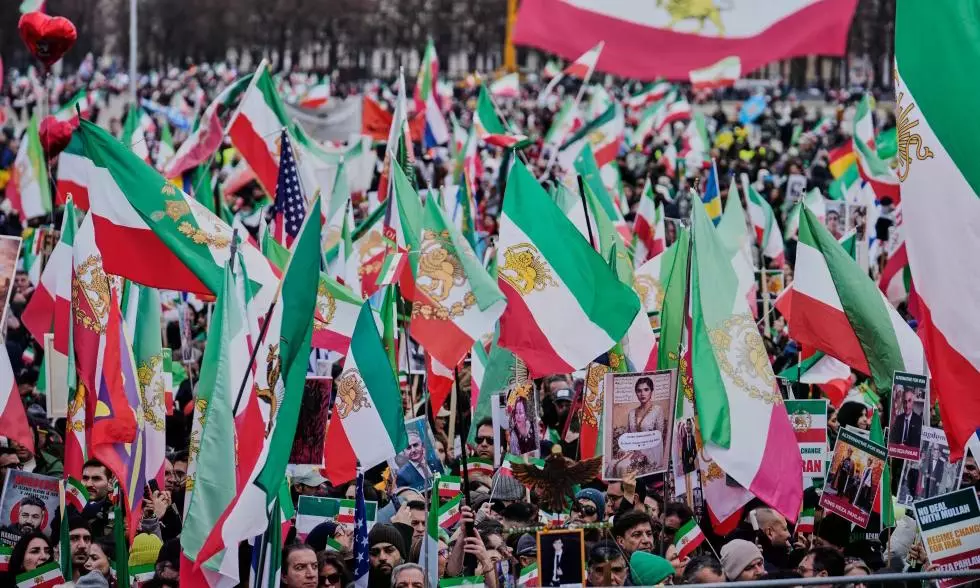
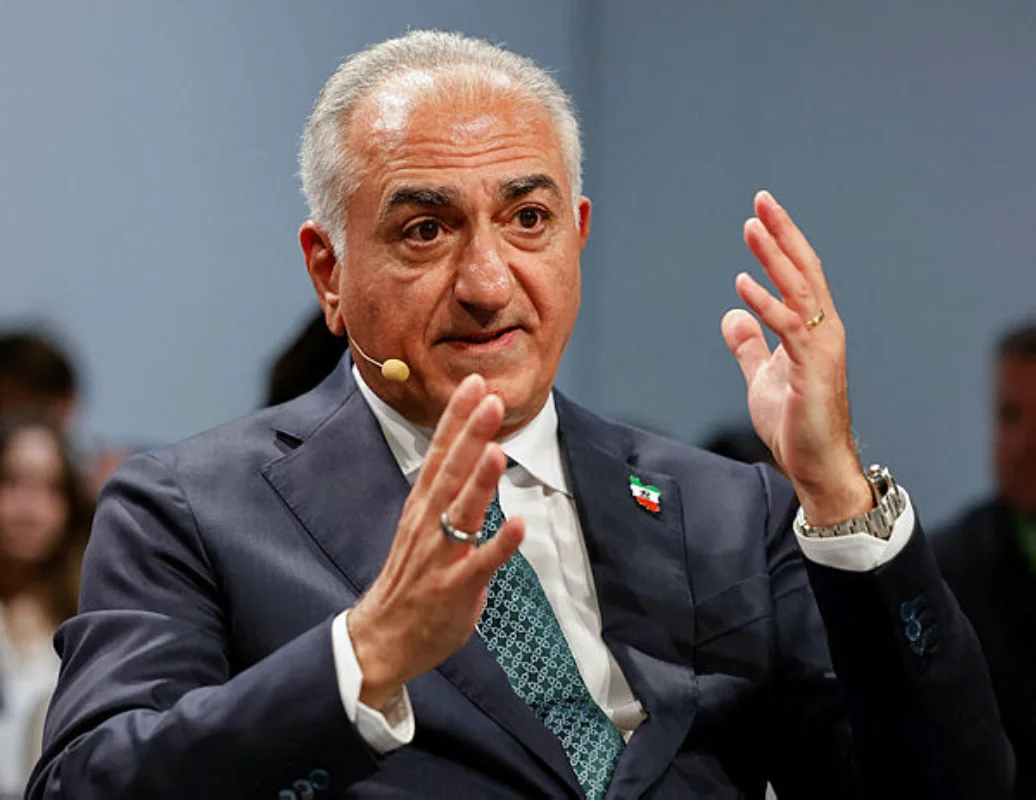
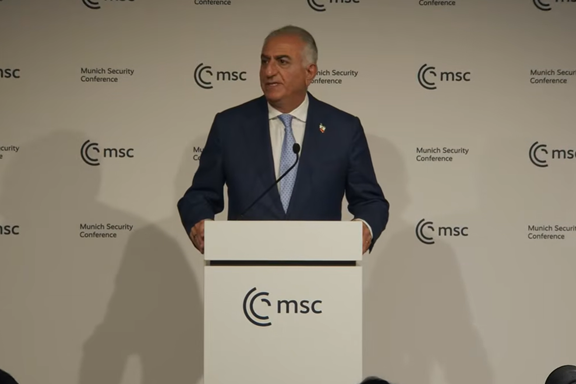
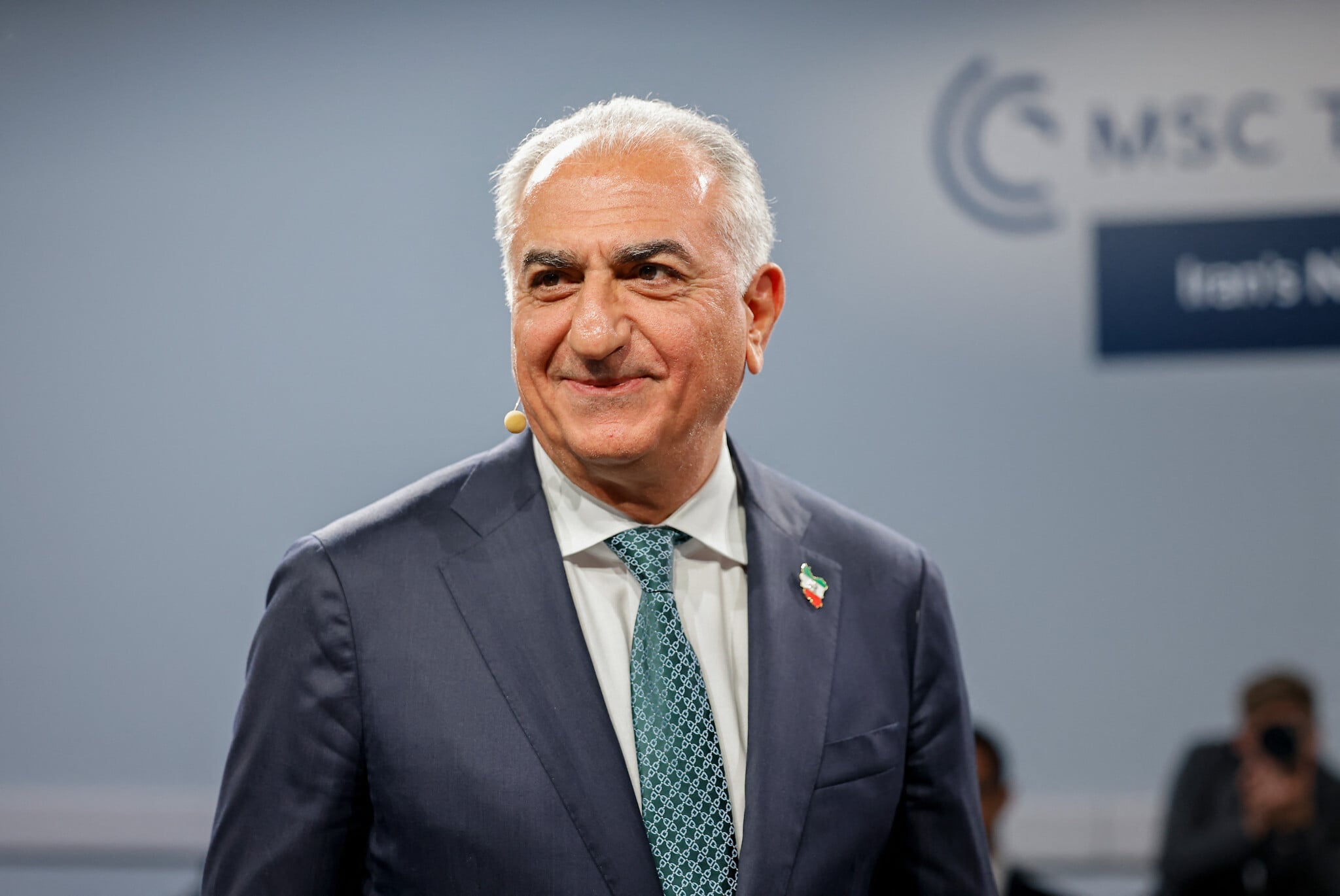
The recent statements from Iran's exiled crown prince regarding Tehran government survival at the Munich Security Conference signal ongoing geopolitical tensions in the Middle East region. While the news focuses on international politics, this geopolitical volatility creates significant indirect opportunities for cross-border e-commerce sellers operating in emerging markets and niche product categories.
Market Access and Consumer Behavior Shifts: Geopolitical tensions in Iran and the broader Middle East historically correlate with increased consumer demand for specific product categories. Sellers should monitor demand patterns for: (1) VPN and privacy-focused software products (HS Code 4901-4902), which see 25-40% demand increases during political instability periods; (2) Emergency preparedness and survival gear (HS Code 9406-9407), typically experiencing 15-30% sales growth; (3) Communication devices and satellite phones (HS Code 8517), which command premium pricing during uncertainty; (4) Educational and self-improvement content (HS Code 3004-3005), as consumers invest in personal development during unstable periods.
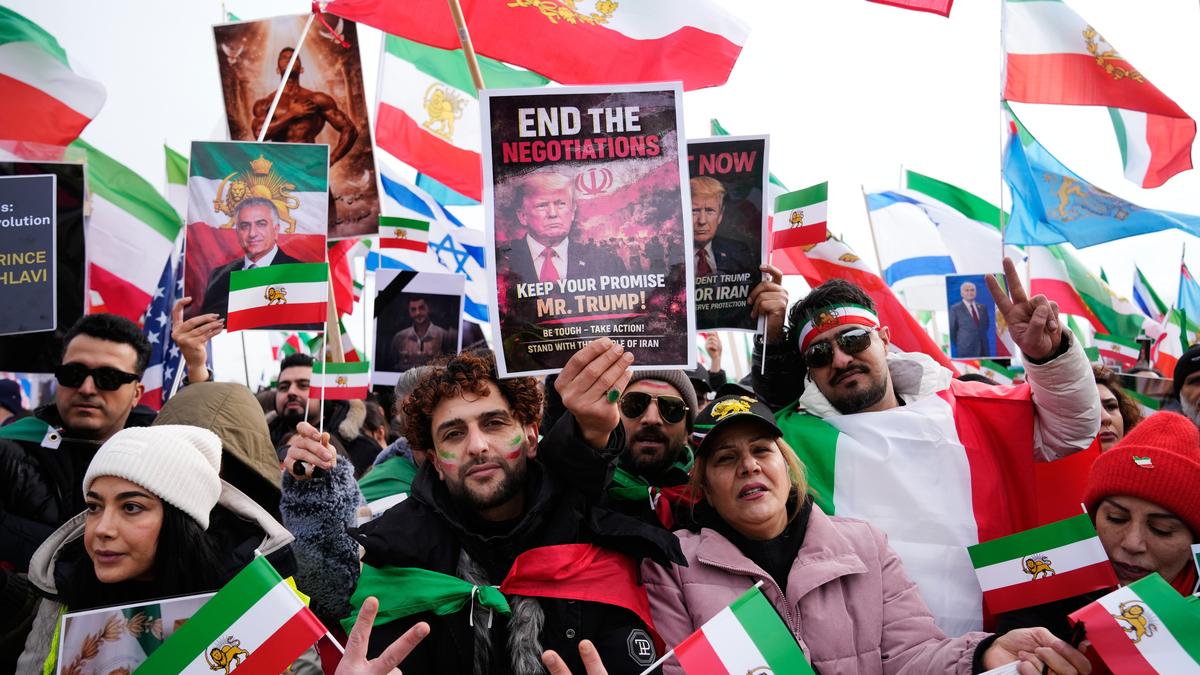
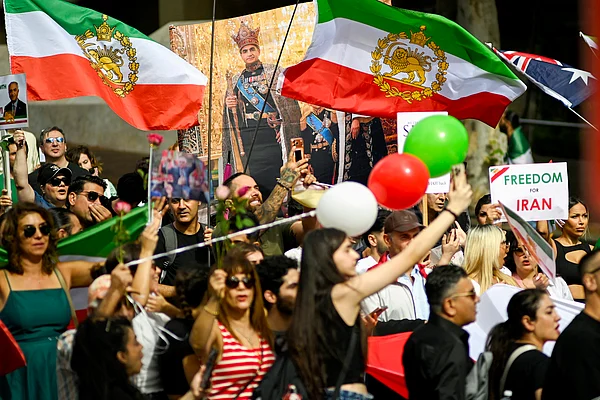
Sourcing and Supply Chain Implications: The geopolitical situation affects sourcing strategies for sellers. While direct Iran trade remains restricted under US sanctions, sellers can capitalize on: (1) Increased demand from diaspora communities in North America and Europe seeking products for family members; (2) Alternative sourcing from neighboring countries (UAE, Turkey, Pakistan) experiencing increased trade activity; (3) Niche cultural products and heritage items seeing 20-35% demand spikes during periods of national identity reinforcement; (4) Digital products and services that bypass physical supply chain constraints.
Competitive Positioning for Seller Segments: Small and medium-sized sellers (SMBs) operating in niche categories can gain competitive advantages by: (1) Targeting diaspora communities through culturally-relevant marketing on Amazon, eBay, and Shopify; (2) Positioning products as "bridge to homeland" solutions; (3) Leveraging social media advertising to reach affected demographics; (4) Building inventory in high-demand categories 60-90 days before anticipated political announcements. Large sellers should monitor geopolitical risk indices to adjust inventory allocation across regions, potentially reducing exposure to direct Iran-adjacent markets while increasing stock in diaspora-heavy regions (Los Angeles, Toronto, London, Dubai).
問題 8
How do geopolitical tensions in Iran affect e-commerce seller opportunities?
Geopolitical instability in Iran creates measurable demand spikes in specific product categories. Historical data shows VPN and privacy software sales increase 25-40% during political uncertainty, emergency preparedness gear rises 15-30%, and cultural/heritage products surge 20-35%. Sellers can capitalize by targeting diaspora communities in North America and Europe who seek products for family members. The key is identifying which product categories your target audience purchases during periods of geopolitical concern and pre-positioning inventory 60-90 days before anticipated announcements.
How can sellers legally source products for Iran-affected markets without violating sanctions?
Direct trade with Iran remains restricted under US sanctions, but sellers can legally serve affected communities through: (1) Sourcing from neighboring countries (UAE, Turkey, Pakistan) experiencing increased trade activity; (2) Selling digital products and services that bypass physical supply chain constraints; (3) Targeting diaspora communities in North America and Europe through Amazon, eBay, and Shopify; (4) Positioning products as 'bridge to homeland' solutions. Always verify compliance with OFAC (Office of Foreign Assets Control) regulations before selling to any Iran-connected customers or sourcing from Iran-adjacent regions.