




Amazon Leo Satellite Broadband Expansion | Global Logistics Infrastructure Opportunity for Cross-Border Sellers
- Amazon deploys 214+ satellites across 8 missions; 3,200+ satellite constellation planned by 2026 enabling last-mile delivery optimization in underserved emerging markets






















概览
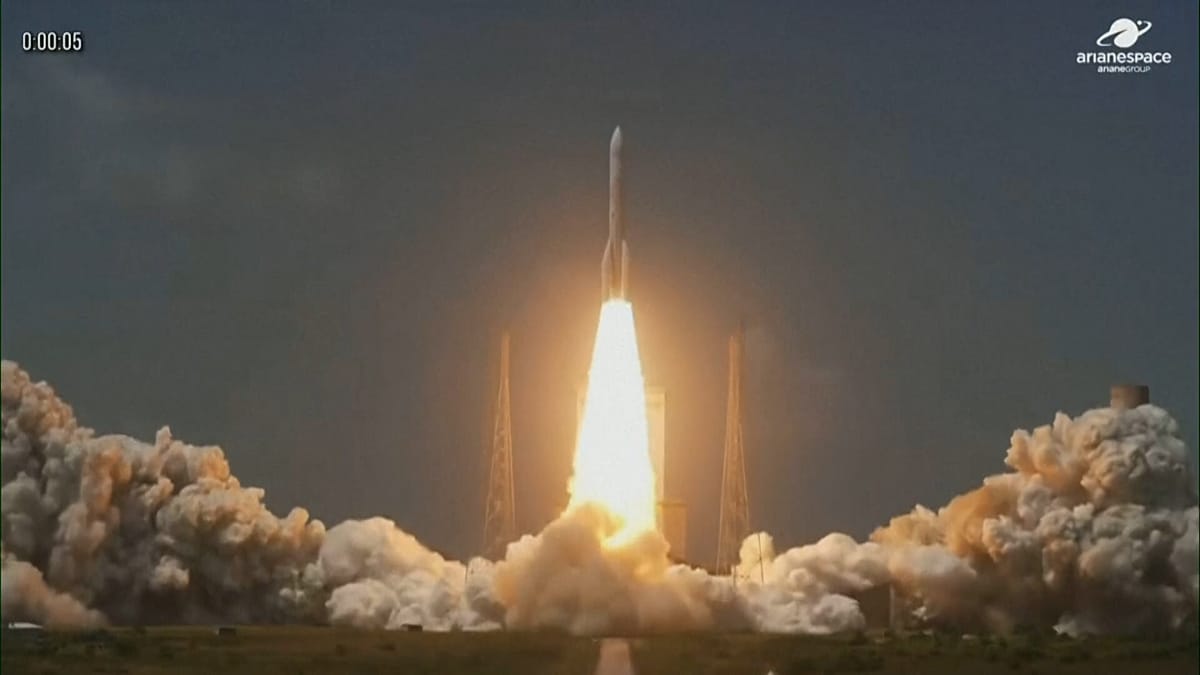
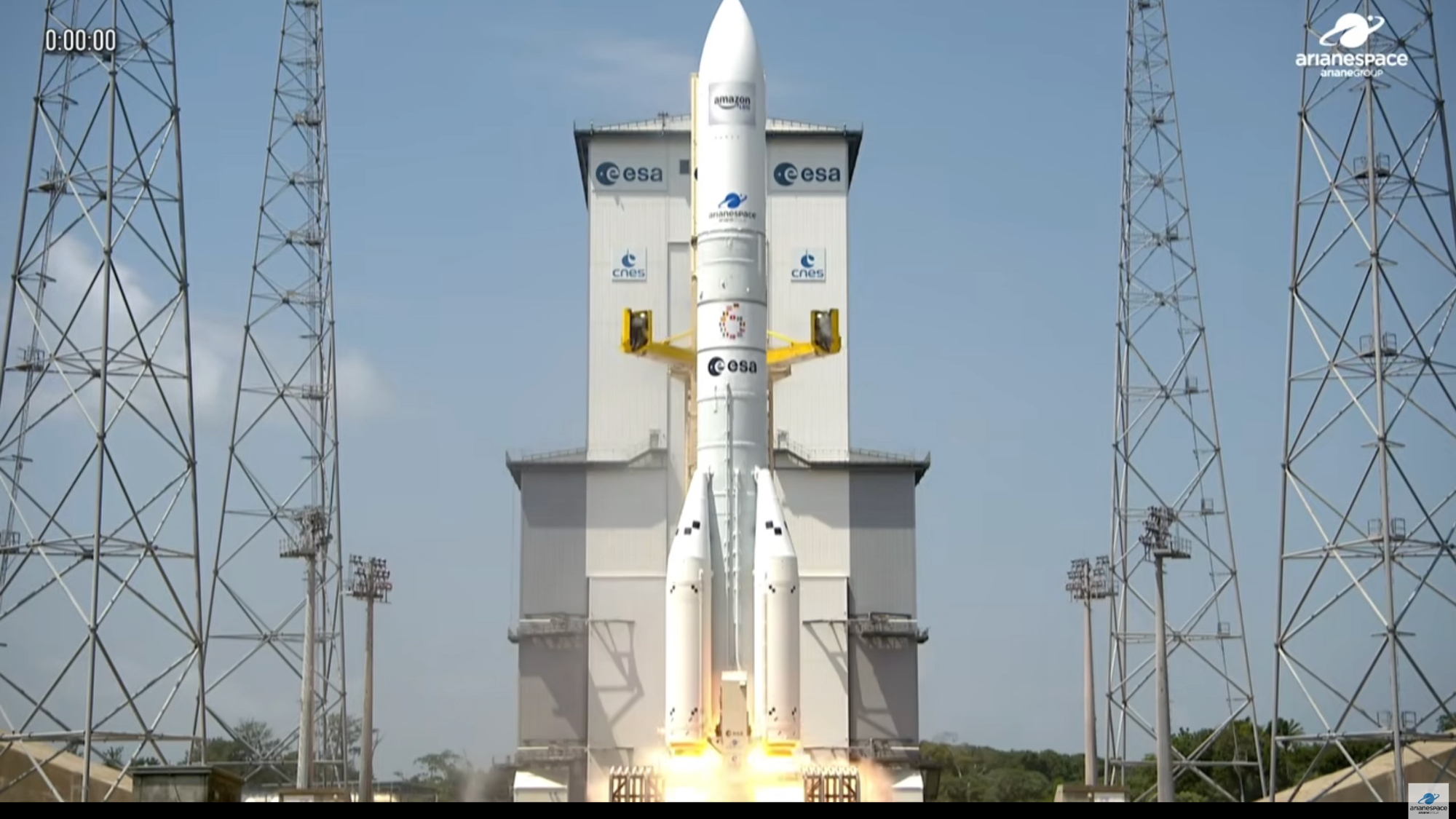
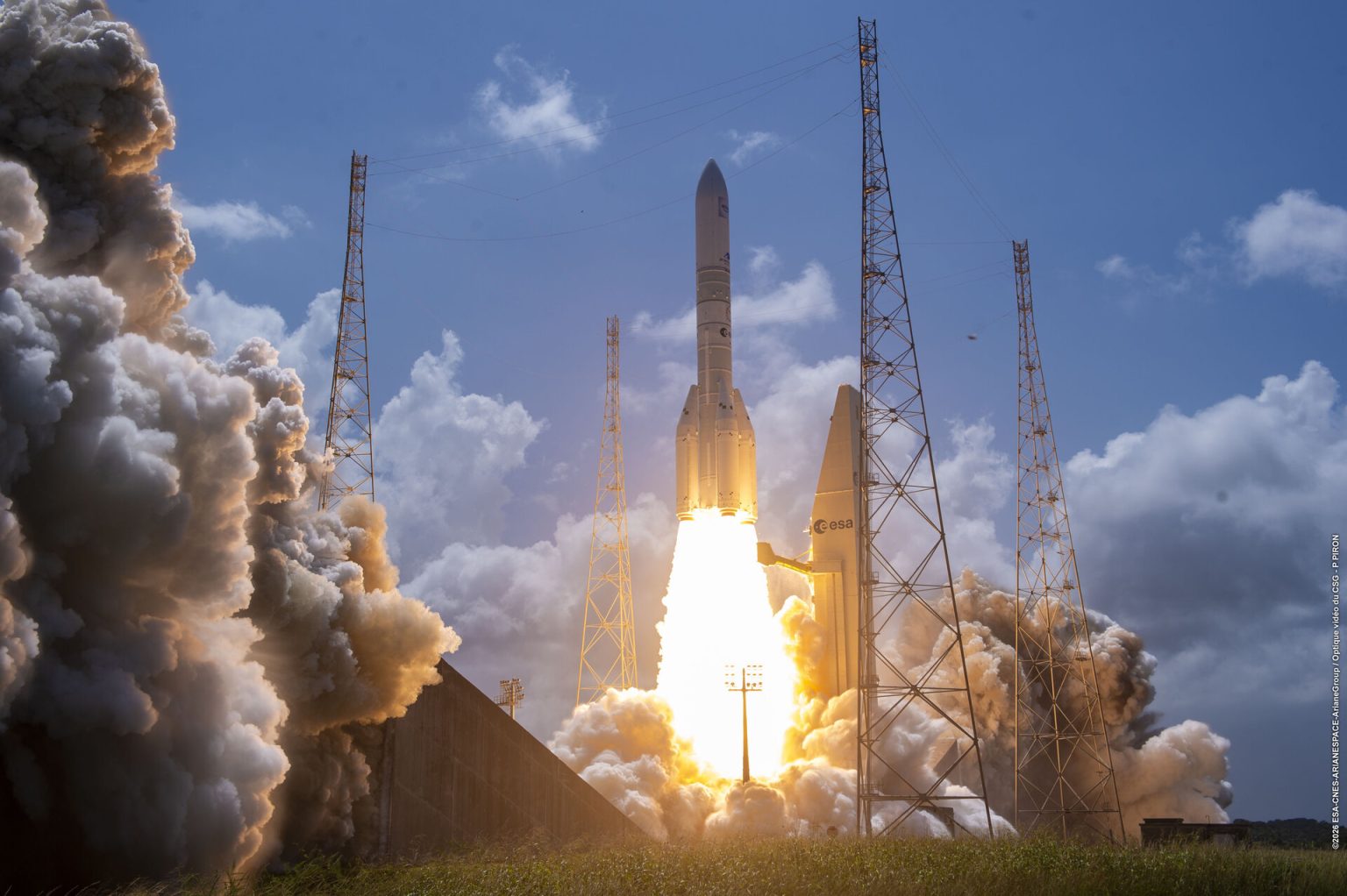
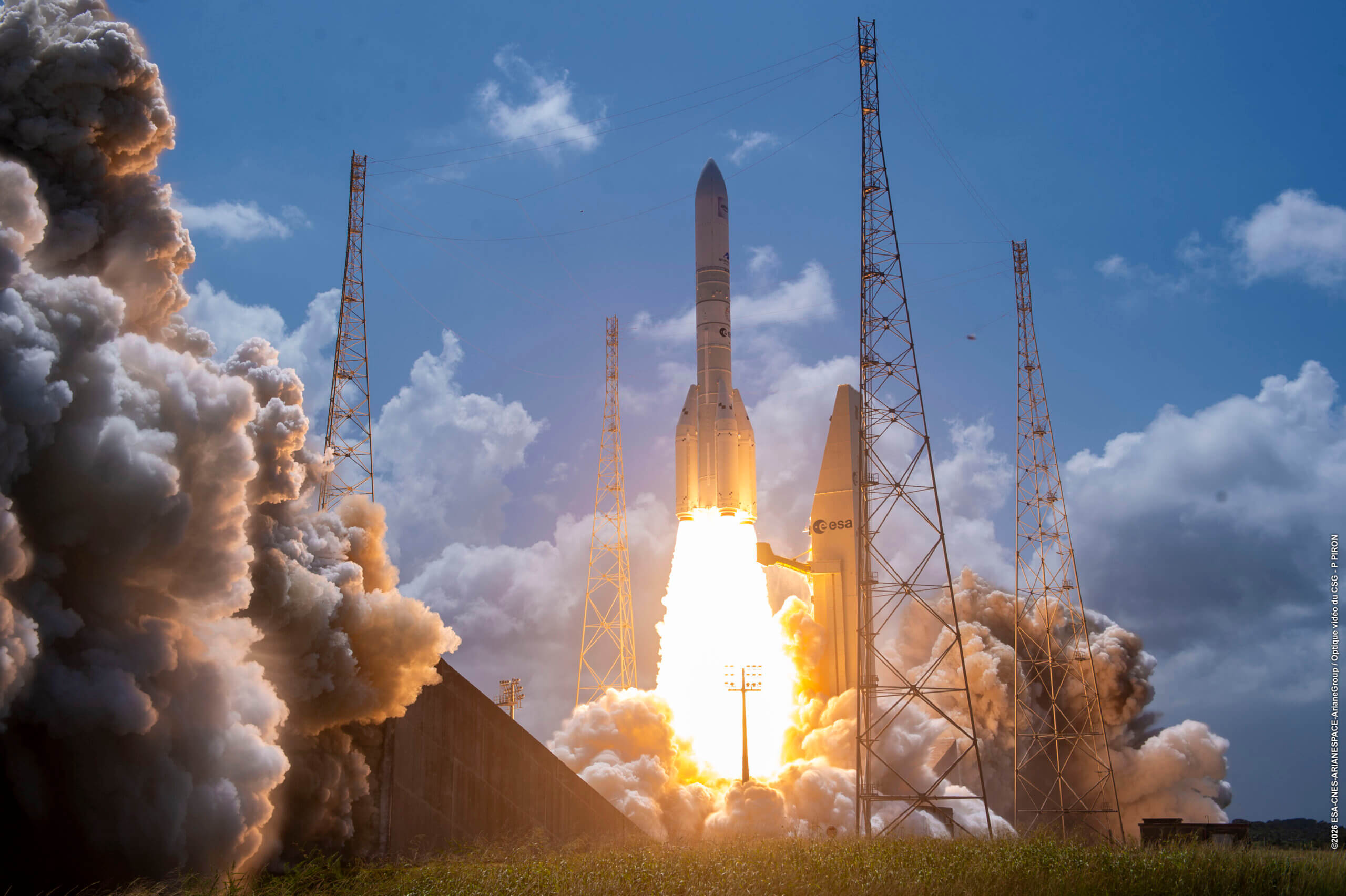
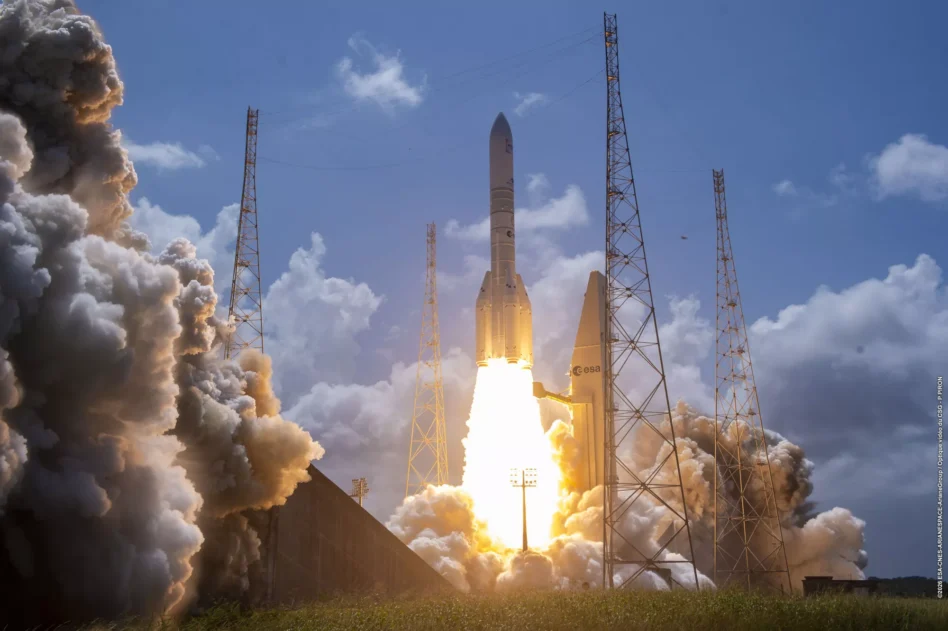
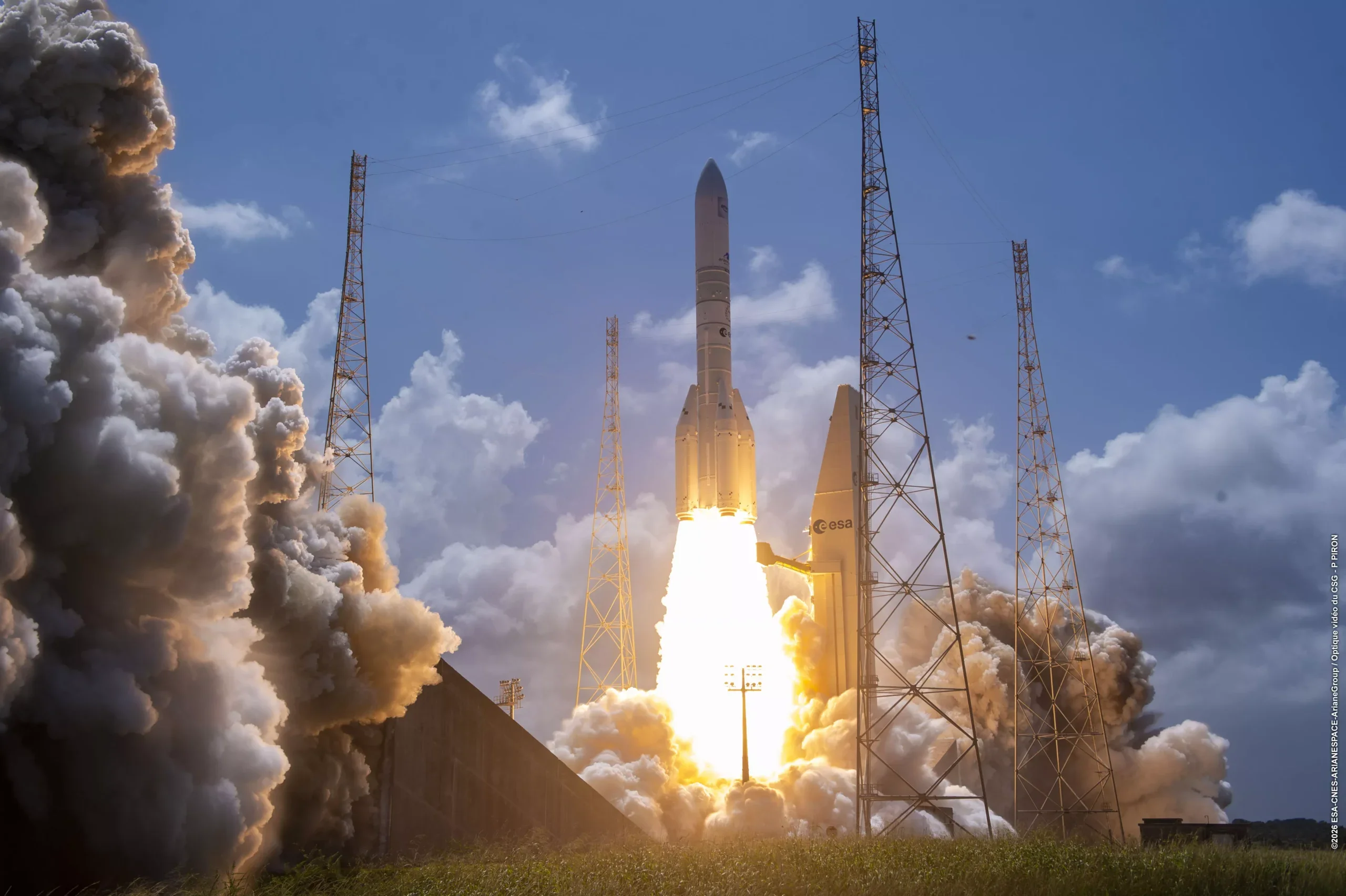
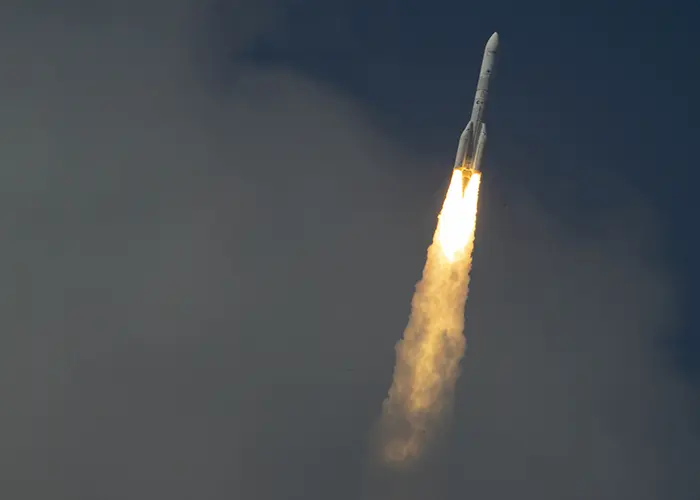
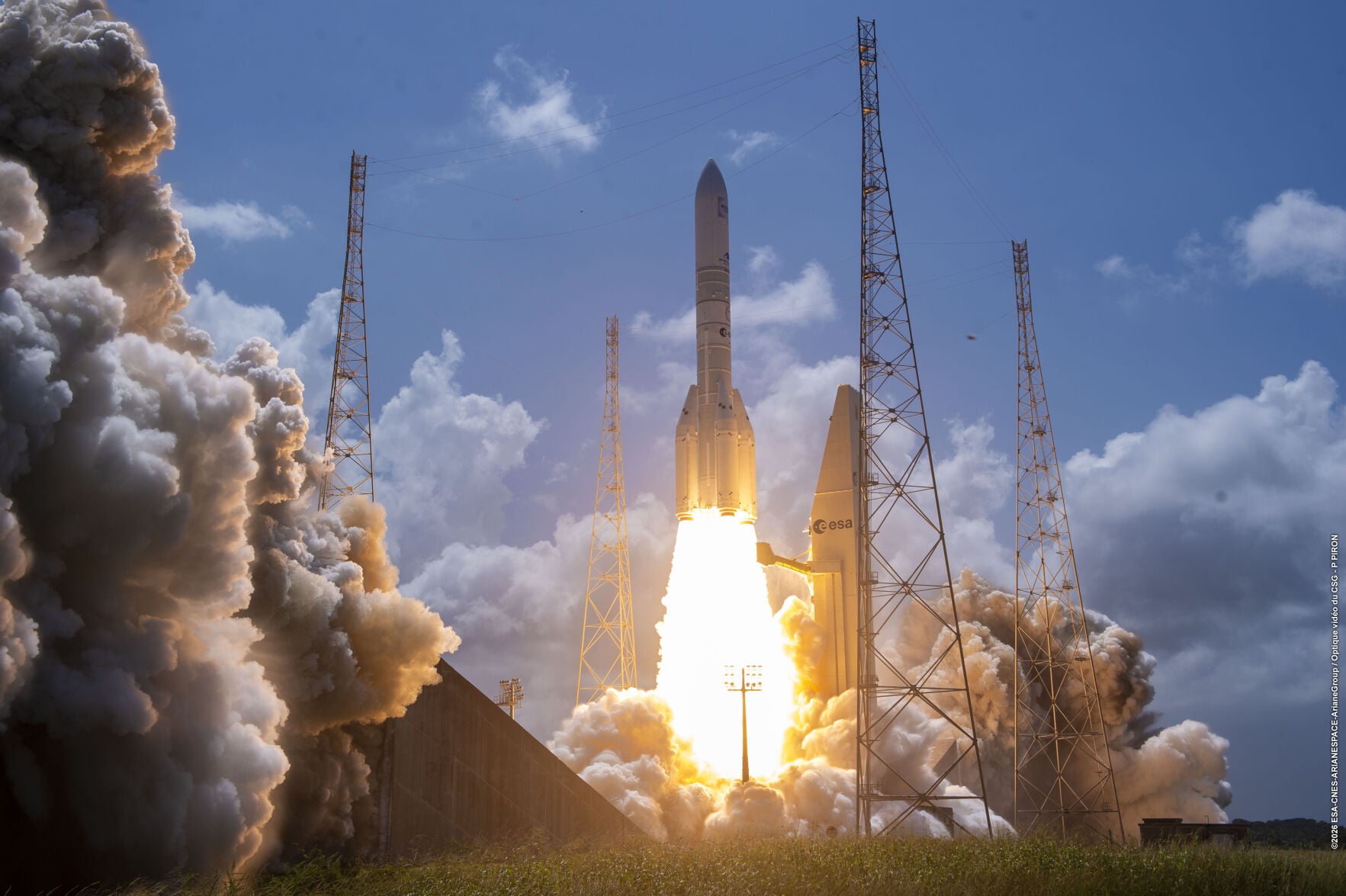
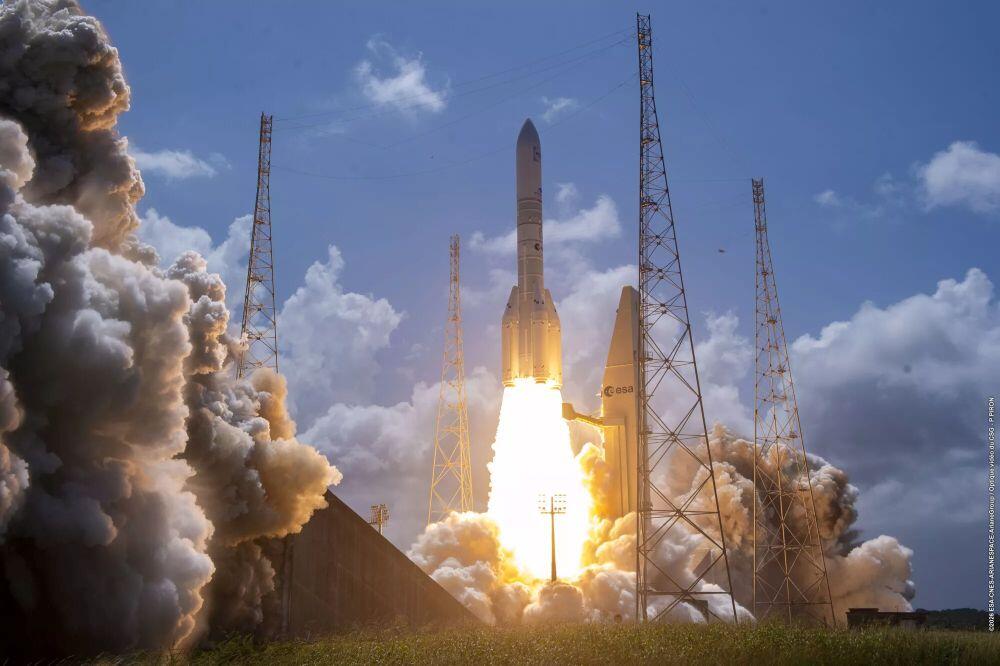
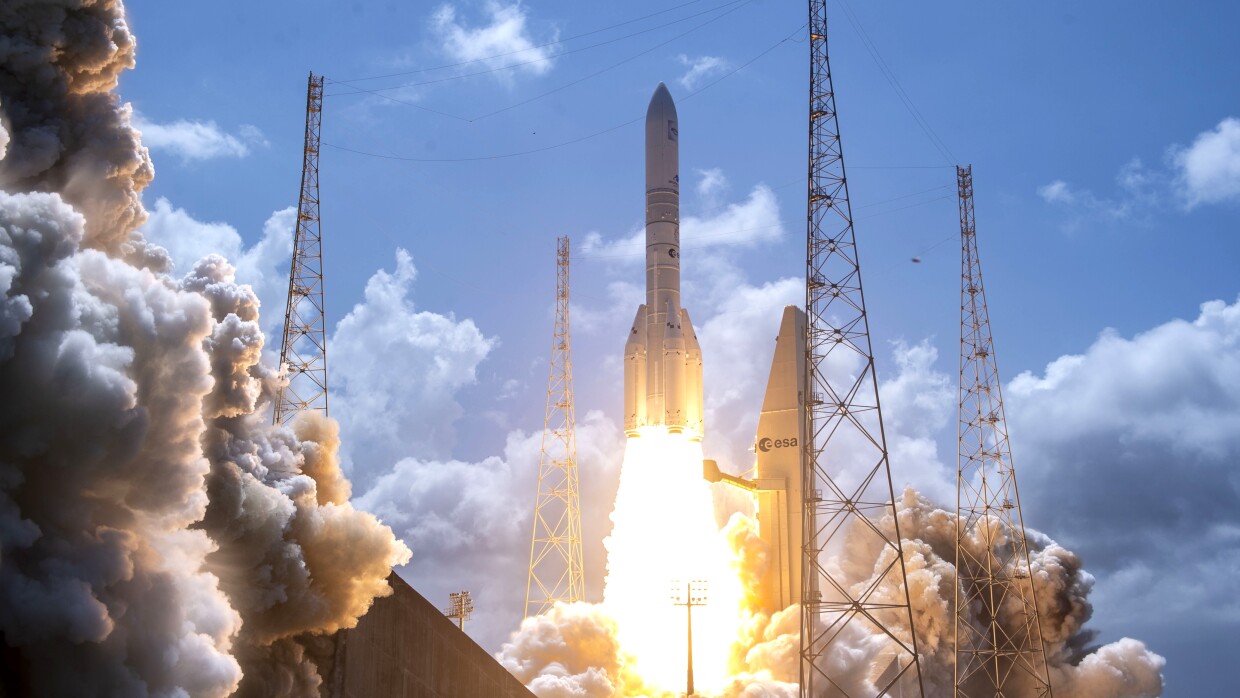
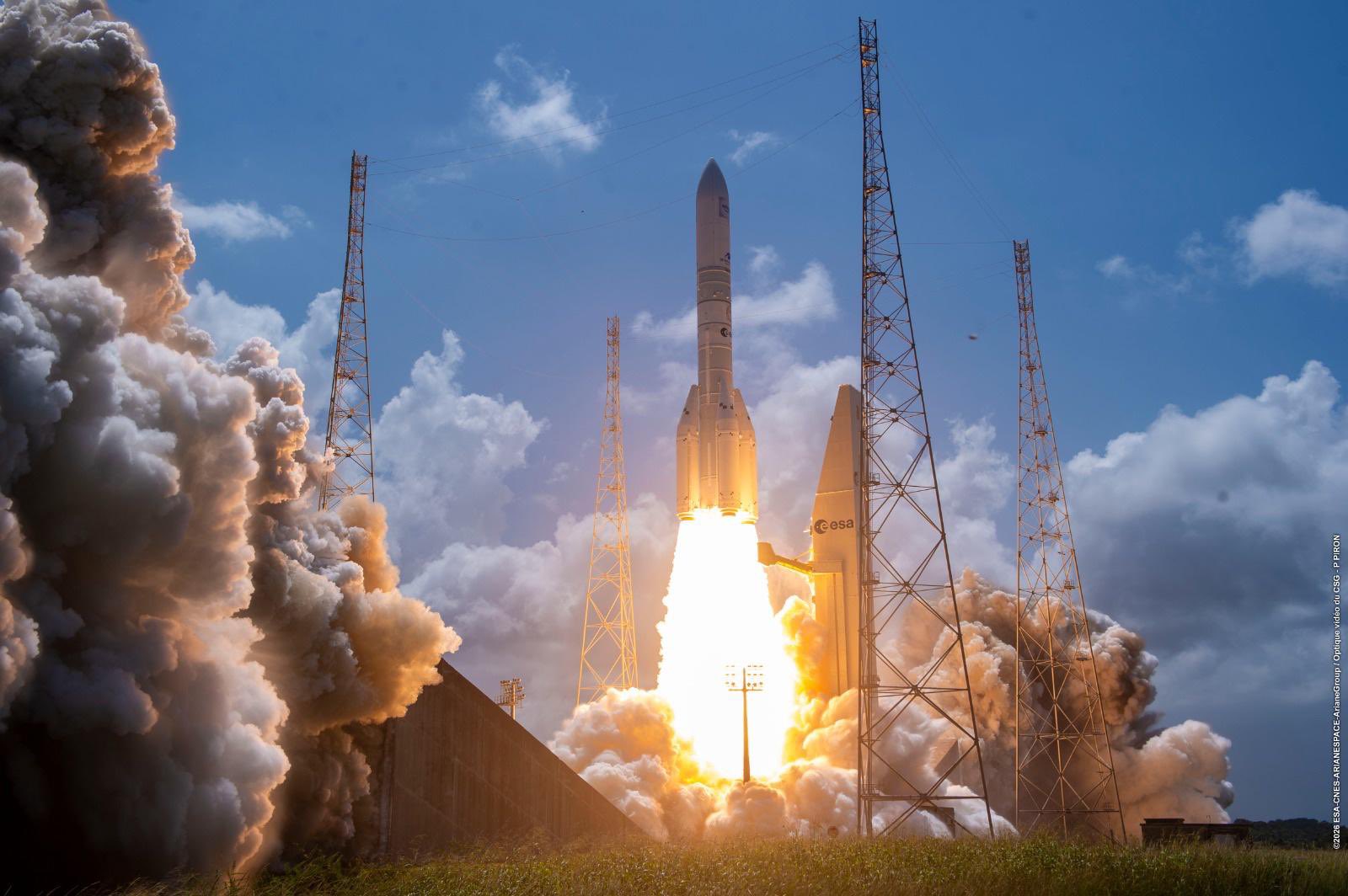
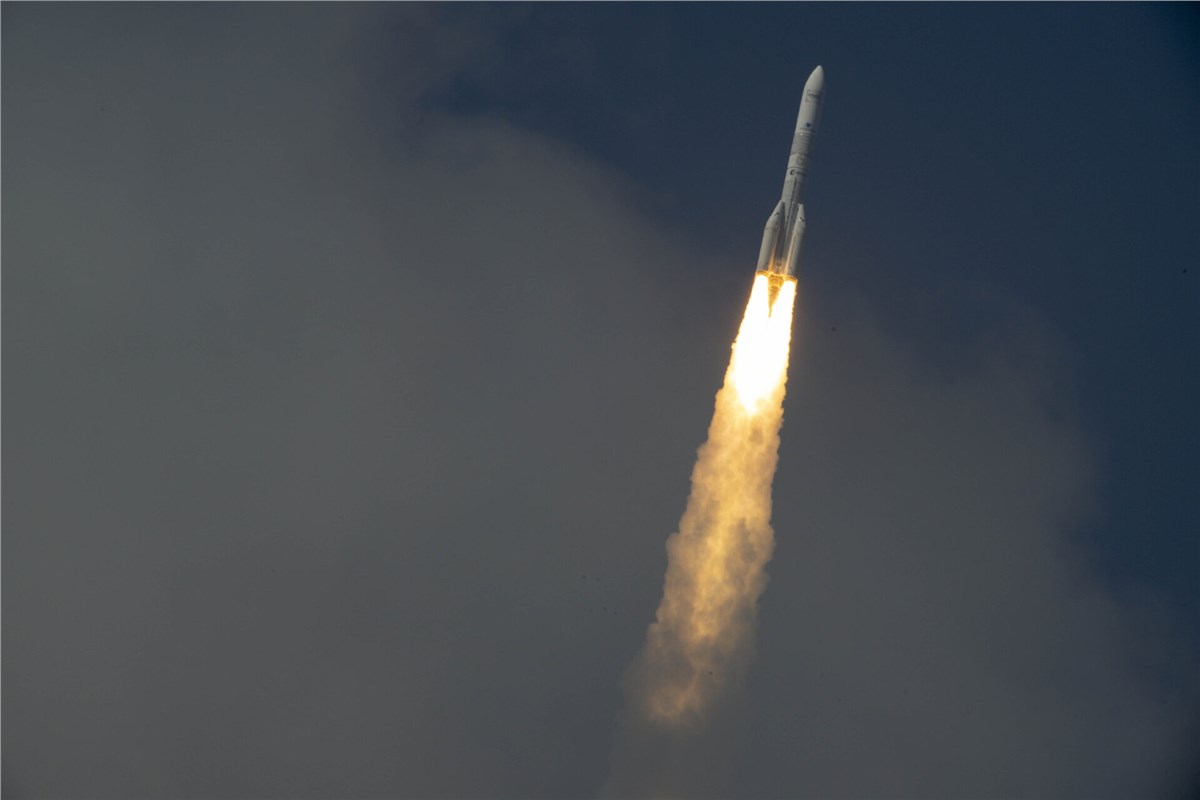
Amazon's successful deployment of 32 Amazon Leo satellites via Europe's Ariane 64 rocket on February 12-13, 2026, represents a transformative infrastructure shift with direct implications for cross-border e-commerce sellers targeting emerging markets. The Ariane 64's inaugural heavy-lift mission—delivering 20 metric tons of payload with 3.4 million pounds of thrust—marks the first of 18 planned missions supporting Amazon's Project Kuiper constellation. With 214 production satellites now in orbit across eight missions and 100+ additional launches booked across four providers (SpaceX, ULA, Blue Origin, Arianespace), Amazon is building autonomous global broadband infrastructure that will fundamentally reshape last-mile delivery economics in regions with limited terrestrial connectivity.
For cross-border sellers, this satellite infrastructure expansion creates three immediate market opportunities. First, emerging market accessibility: Improved broadband coverage in rural Africa, Southeast Asia, Latin America, and South Asia will enable new customer segments to participate in e-commerce. Sellers specializing in essential goods, agricultural equipment, solar power systems, and telecommunications devices can now reach previously underserved populations. Second, supply chain visibility: Satellite-based tracking systems will reduce logistics costs for sellers shipping to remote regions, improving inventory management and reducing shrinkage. Third, platform expansion: Amazon's infrastructure investment signals aggressive expansion into emerging markets, creating first-mover advantages for sellers establishing presence in these regions before competition intensifies.
The competitive landscape shows Amazon's multi-launcher diversification strategy accelerating deployment timelines. Despite facing an FCC deadline requiring 50% constellation deployment by July 2026, Amazon simultaneously purchased 10 additional Falcon 9 launches and increased Blue Origin New Glenn orders from 12 to 24 missions. This redundancy reduces single-provider dependency and signals Amazon's commitment to rapid global coverage. The European Space Agency's successful Ariane 64 deployment—with planned P160C booster upgrades projecting 10-15% performance increases—demonstrates intensifying competition in satellite launch services, which will drive innovation in satellite-based logistics and tracking systems. Sellers relying on real-time inventory visibility and last-mile optimization will benefit from cost reductions in satellite communications infrastructure.
Regional demand signals indicate highest opportunity concentration in Asia-Pacific and Africa. Southeast Asia's 700M+ population with 60-70% internet penetration but limited rural broadband represents a $180B+ addressable market for e-commerce. Sub-Saharan Africa's 1.1B population with 35-40% connectivity creates demand for essential goods, agricultural inputs, and solar products. Latin America's 650M population with 65% urban internet penetration but weak rural infrastructure presents opportunities for logistics-dependent categories. Sellers targeting these regions should prioritize product categories with high shipping-to-value ratios and strong demand signals in emerging markets.
問題 8
How should sellers adjust their supply chain strategy to leverage satellite-based tracking and inventory visibility?
Sellers should implement real-time inventory tracking systems compatible with satellite-based IoT networks, prioritize products with high shrinkage risk in remote regions, and establish regional distribution hubs in emerging markets. The satellite infrastructure enables sellers to reduce safety stock by 20-30% through improved visibility, lowering working capital requirements. Sellers should also invest in packaging and logistics partnerships optimized for satellite-tracked shipments, which require different handling than terrestrial logistics. Consider shifting 15-25% of inventory allocation to emerging markets during 2026-2027 as infrastructure improves. Sellers with existing presence in Southeast Asia and Africa should accelerate FBA expansion, as satellite connectivity will reduce fulfillment costs by 15-25% compared to current terrestrial-dependent models.
What risks should sellers monitor regarding Amazon's satellite constellation deployment timeline?
Amazon's FCC deadline extension request (filed January 30, 2026) indicates potential deployment delays beyond July 2026. Sellers should monitor quarterly Ariane 6 launch schedules and track satellite deployment announcements, as delays could push full operational coverage to Q2 2027. The company's reliance on four launch providers creates geopolitical risks—Arianespace operates from French Guiana, SpaceX from US facilities, and Blue Origin from multiple locations. Sellers should diversify logistics partnerships across multiple providers rather than betting entirely on Amazon's infrastructure. Additionally, satellite broadband speeds (100-500 Mbps) may not match terrestrial fiber in developed markets, limiting applicability to emerging markets with weaker existing infrastructure. Monitor regulatory changes in target markets, as some governments restrict foreign satellite operations.