

Gaza Medical Supply Crisis Disrupts Humanitarian Logistics | Cross-Border Healthcare Commerce Impact 2026
- MSF suspends operations at major Gaza hospital; 40+ aid organizations banned; medical supply chain disruption affects 1M+ civilians and creates urgent demand for emergency medical products, pharmaceuticals, and humanitarian logistics solutions


























概览
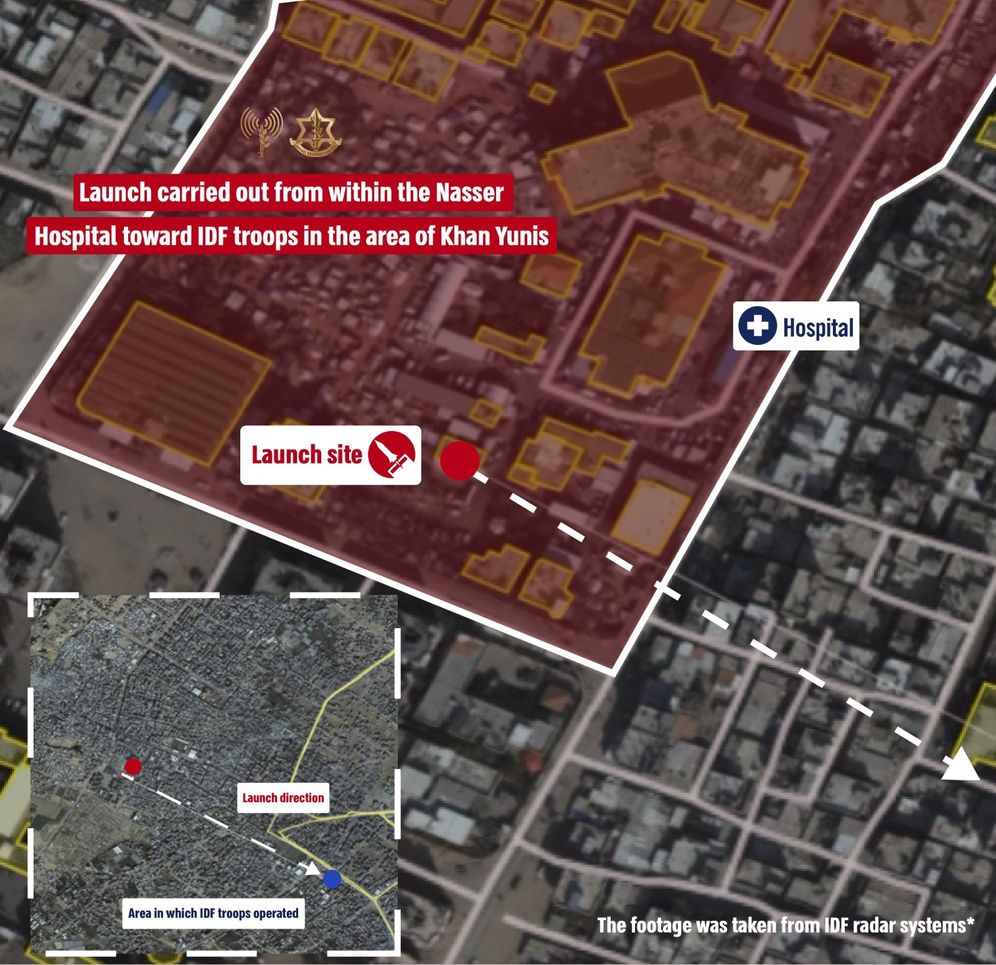
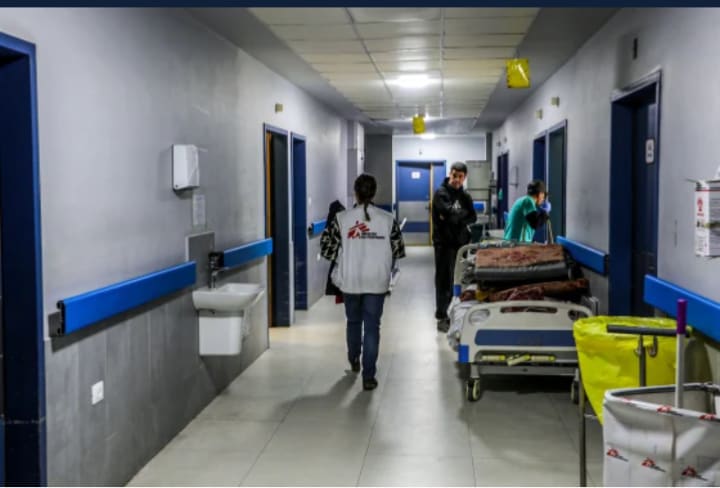
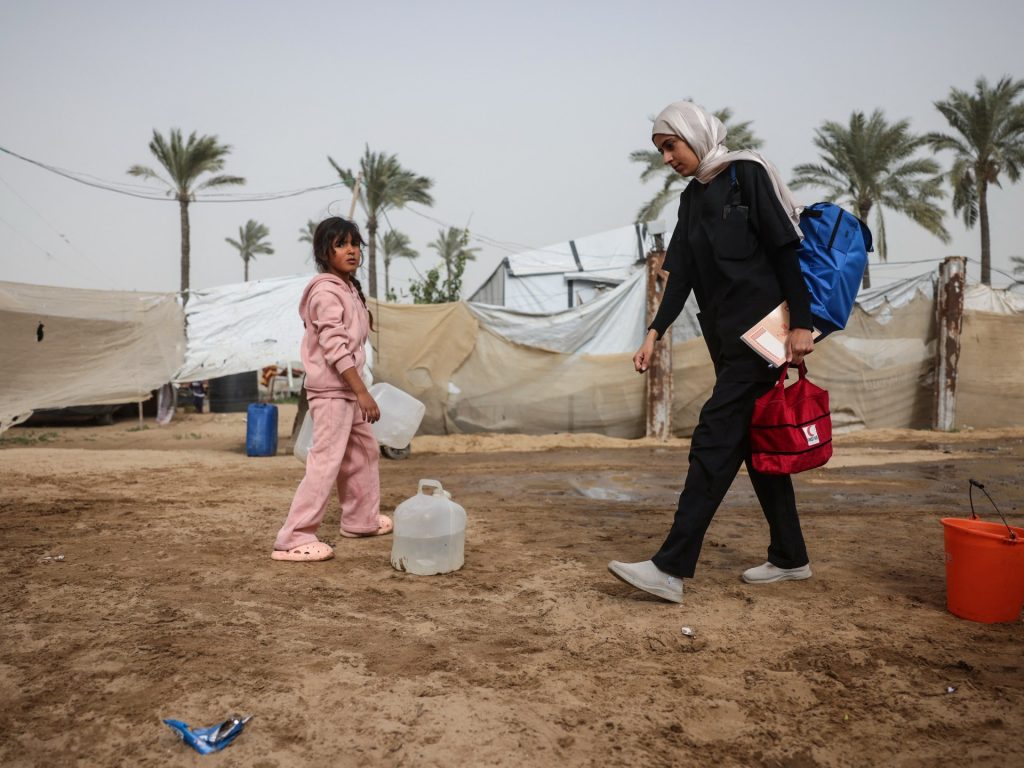
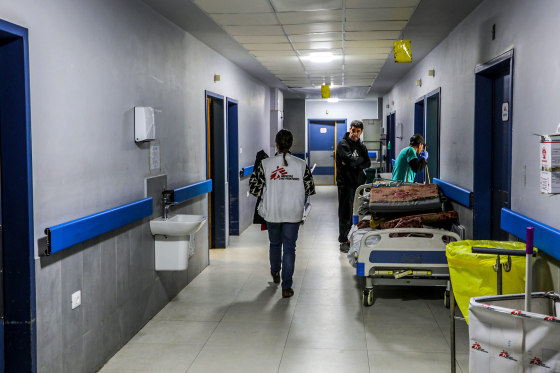
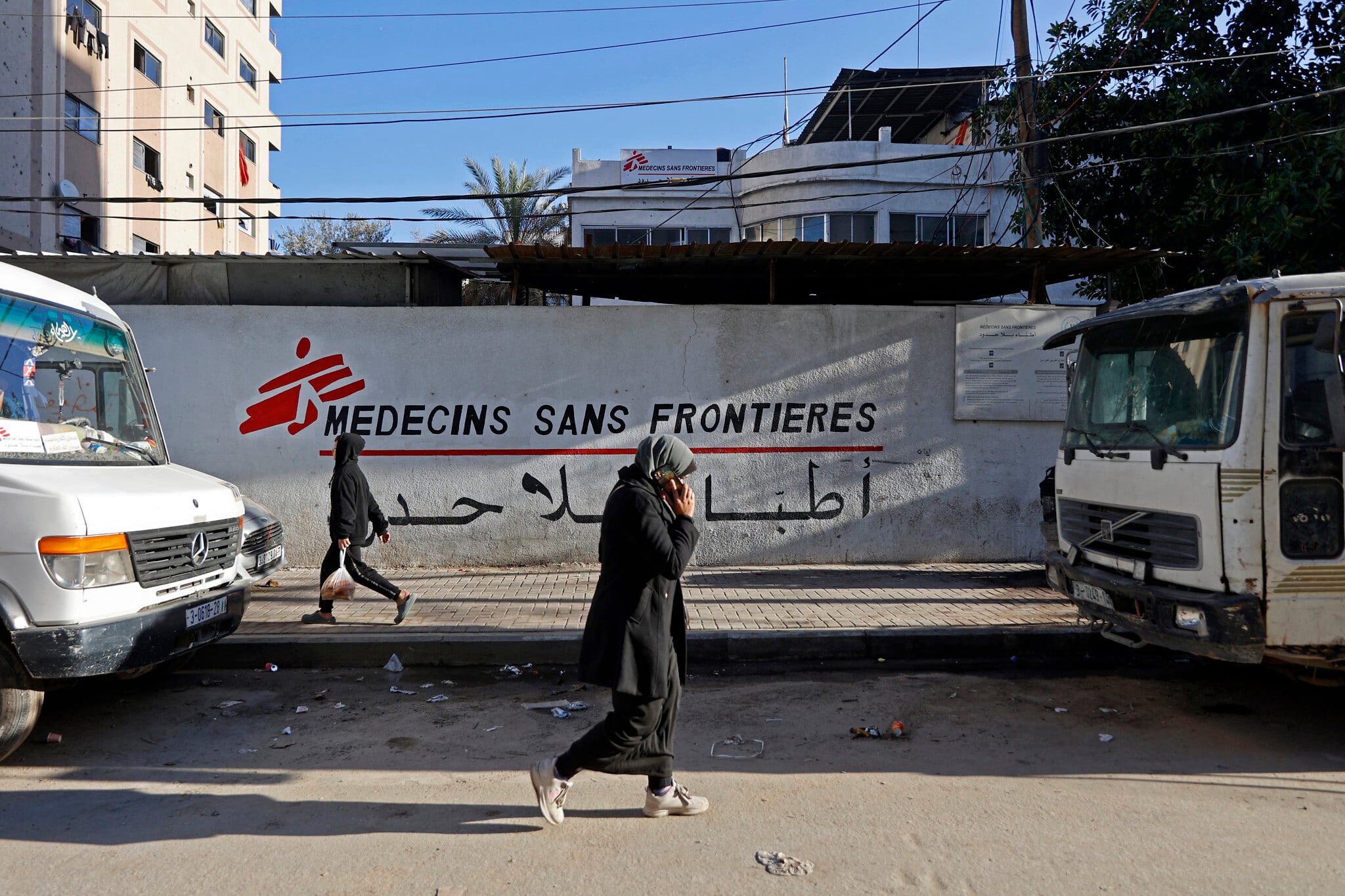
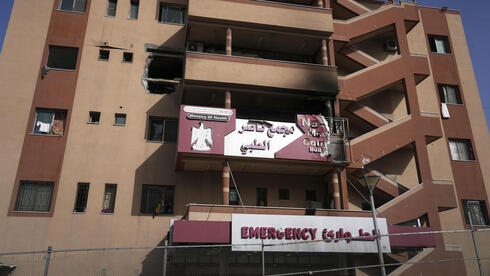
The suspension of Doctors Without Borders (MSF) operations at Nasser Hospital in Gaza—effective January 20, 2026—represents a critical disruption to humanitarian medical supply chains affecting over 1 million civilians. MSF's documented security concerns involving armed personnel and weapons transfers at the hospital, combined with Israel's March 1, 2026 ban on MSF and 40+ other aid organizations, creates a cascading logistics crisis with direct implications for cross-border medical commerce and humanitarian supply sellers.
The operational impact is severe: MSF operates across 6 hospitals, 2 field hospitals, and 8 primary health centers in Gaza. The suspension affects pediatrics, maternity wards, neonatal intensive care, and outpatient services—services that previously relied on international supply chains. Gaza's Health Ministry reports the suspension will impact "hundreds of daily maternity and burn ward admissions," with burn victims facing critically limited treatment options. This represents a 40-60% reduction in non-critical medical capacity at one of southern Gaza's largest functioning hospitals serving 1M+ civilians.
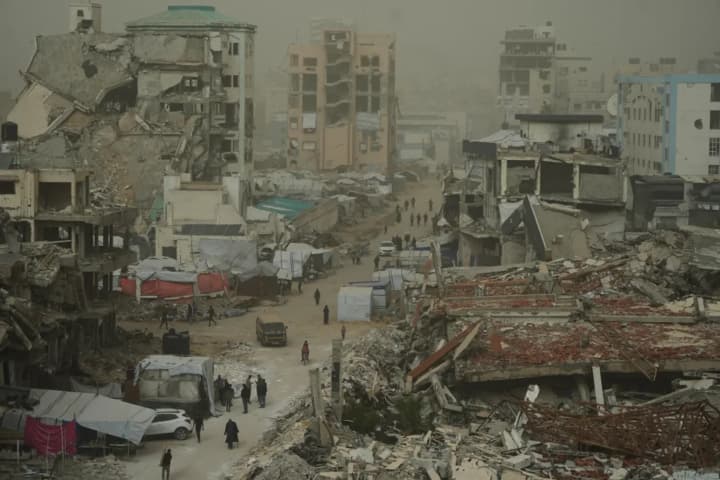
For cross-border medical sellers and humanitarian logistics providers, this creates both urgent demand and regulatory complexity. The ceasefire since October 2025 initially promised supply chain normalization, but the escalating organizational bans and security disputes reveal fragmented access. Sellers specializing in emergency medical supplies (trauma kits, surgical instruments, diagnostic equipment, pharmaceuticals) face a market where traditional distribution channels (MSF, UN agencies) are contracting while civilian demand intensifies. The dispute between MSF and Nasser Hospital—with the hospital denying allegations on February 15, 2026—signals deeper coordination failures that complicate supply chain predictability.
Regulatory and reputational risks are mounting: Israel's requirement that aid organizations provide detailed staff lists and comply with new registration rules mirrors compliance frameworks affecting cross-border commerce. Organizations refusing to comply face operational termination. This parallels e-commerce platform compliance demands (Amazon seller verification, eBay documentation requirements) and signals that humanitarian logistics will increasingly require transparent supply chain documentation, staff vetting, and security clearances—raising operational costs 15-25% for organizations operating in conflict zones.
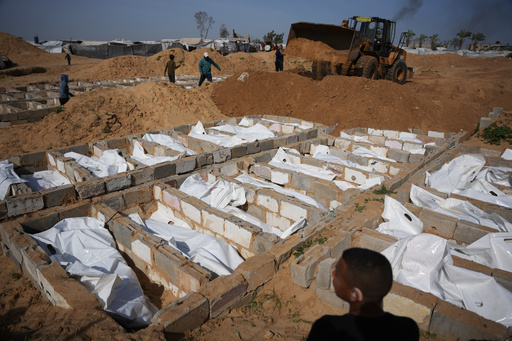
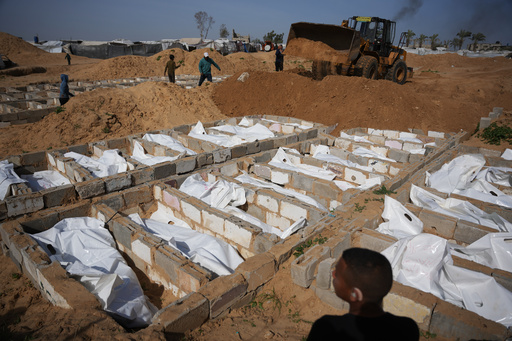
The broader market signal: With 591 Palestinians killed since the October ceasefire began and 72,051+ total deaths since October 2023, humanitarian medical demand remains acute despite organizational disruptions. However, the fragmentation of aid delivery—MSF's exit, hospital disputes, organizational bans—creates supply gaps that smaller, specialized medical suppliers and logistics providers can address through direct-to-hospital or NGO partnerships, though with elevated compliance and security costs.
問題 8
What is the timeline for the aid organization ban and how does it impact supply continuity?
Israel announced termination of MSF activities effective March 1, 2026, with 40+ other aid organizations also banned for non-compliance with new registration rules. This creates a 6-8 week window (January-March 2026) where organizations must either comply with staff list requirements or cease operations. For medical suppliers, this means supply chains will experience disruption during this transition period, with hospitals forced to establish alternative sourcing. Sellers should expect increased demand for direct-to-hospital sales starting February 2026, with higher volumes in March-April as organizations exit and hospitals rebuild supply networks independently.
How does MSF's suspension at Nasser Hospital affect medical supply chains for cross-border sellers?
MSF's suspension effective January 20, 2026, eliminates a major distribution hub for medical supplies across 6 hospitals, 2 field hospitals, and 8 primary health centers in Gaza. This creates a 40-60% reduction in organized medical procurement, forcing hospitals to source directly from international suppliers. Sellers of emergency medical supplies, surgical instruments, and pharmaceuticals can now access hospital procurement directly, but must navigate new compliance requirements including staff vetting, security clearances, and documentation of supply chain transparency—increasing operational costs 15-25% but opening direct-to-institution sales channels previously unavailable.