



Trump Tariff Doctrine Reshapes EU Trade | Sellers Face 15-25% Cost Shifts
- Secretary Rubio rejects free trade at Munich Security Conference; nationalist protectionism signals major tariff restructuring for cross-border sellers shipping US-EU corridors




概览
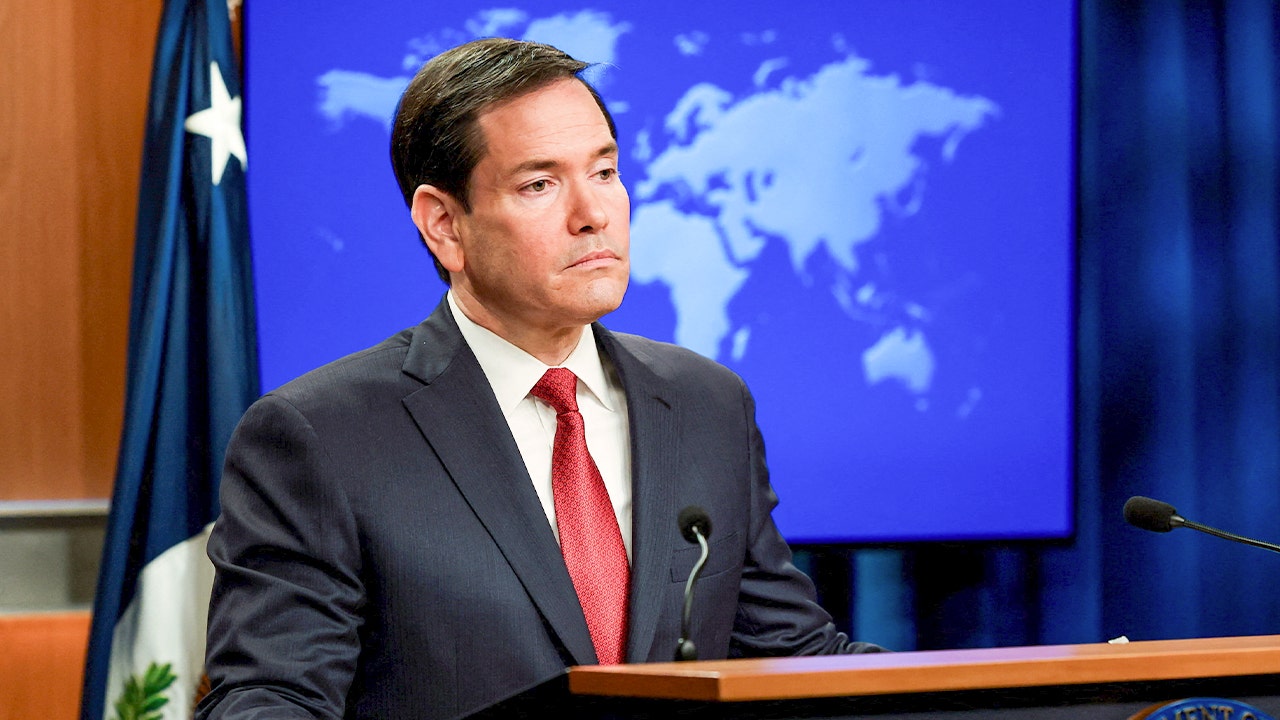
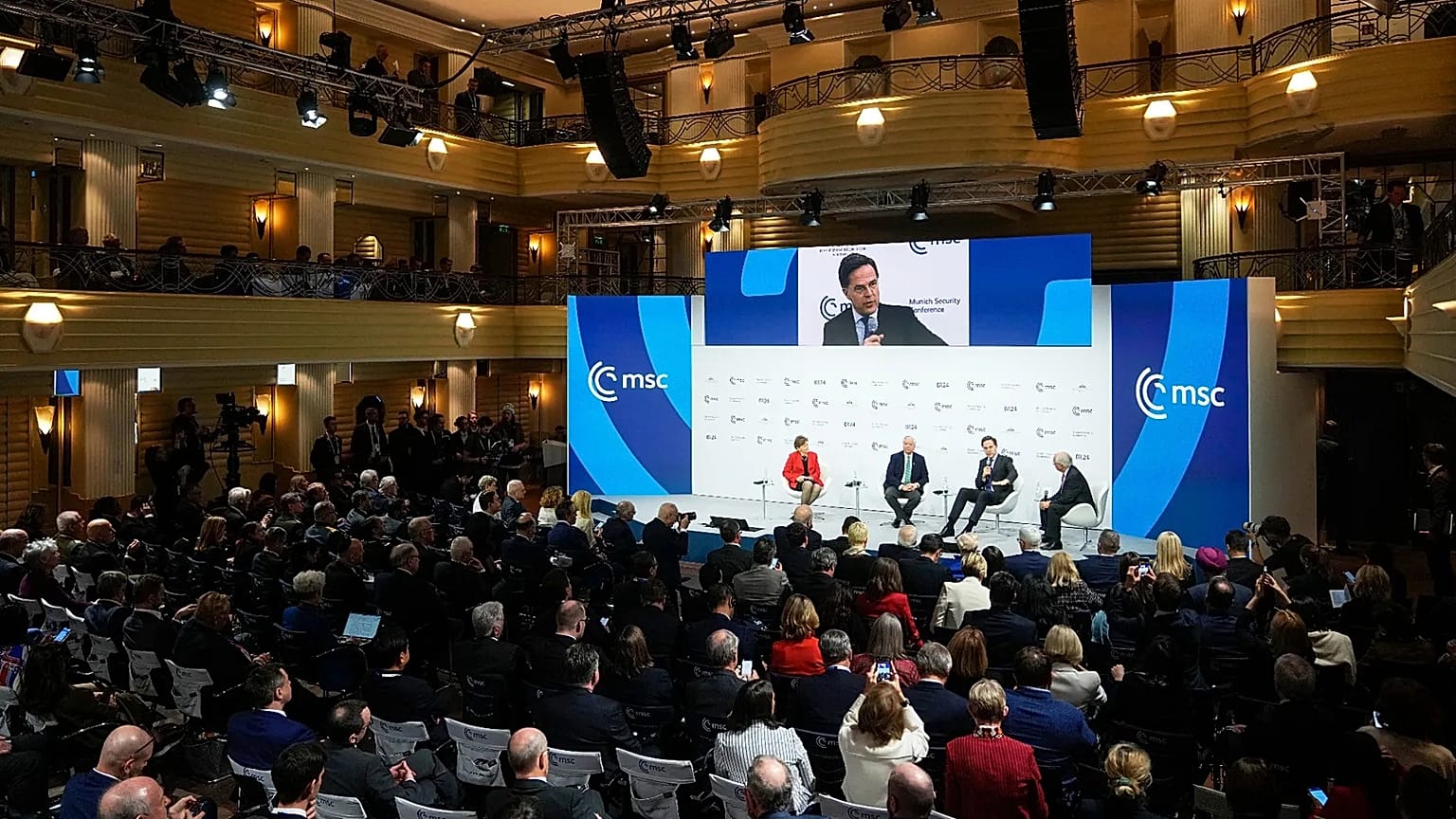
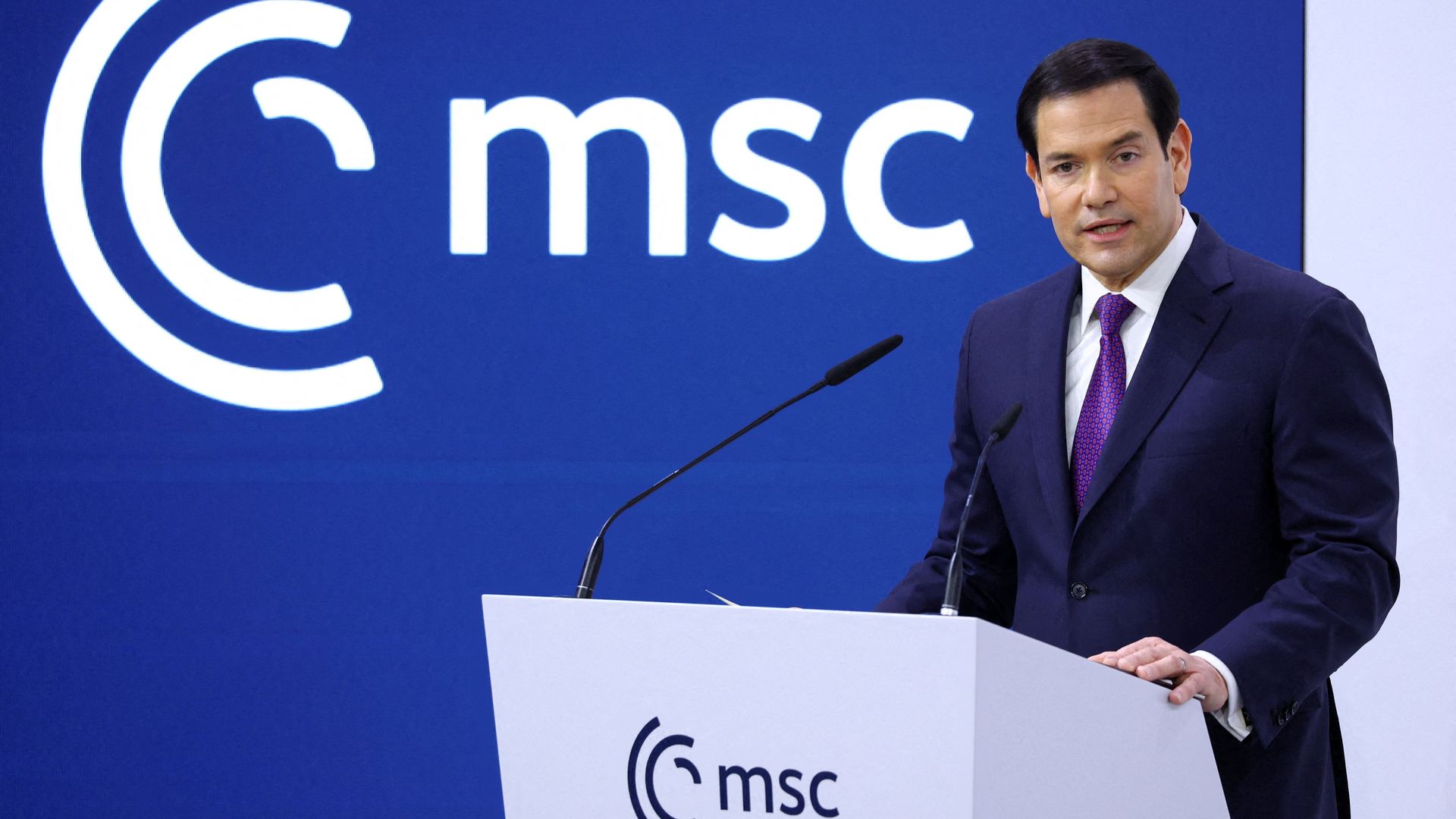
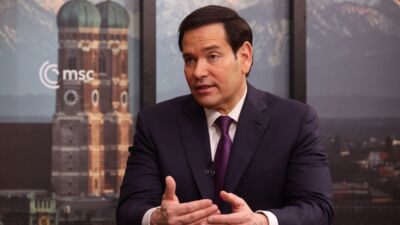
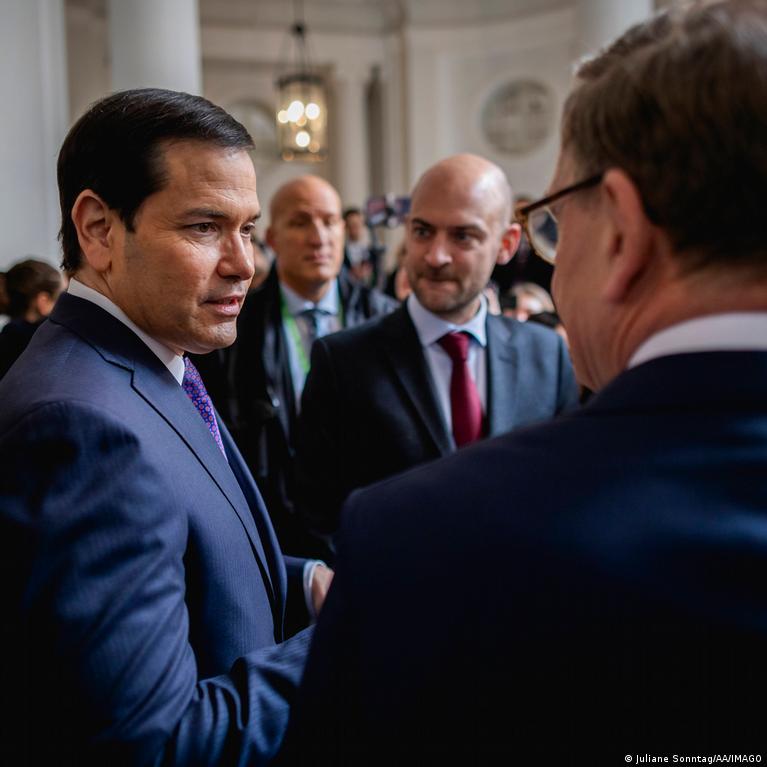
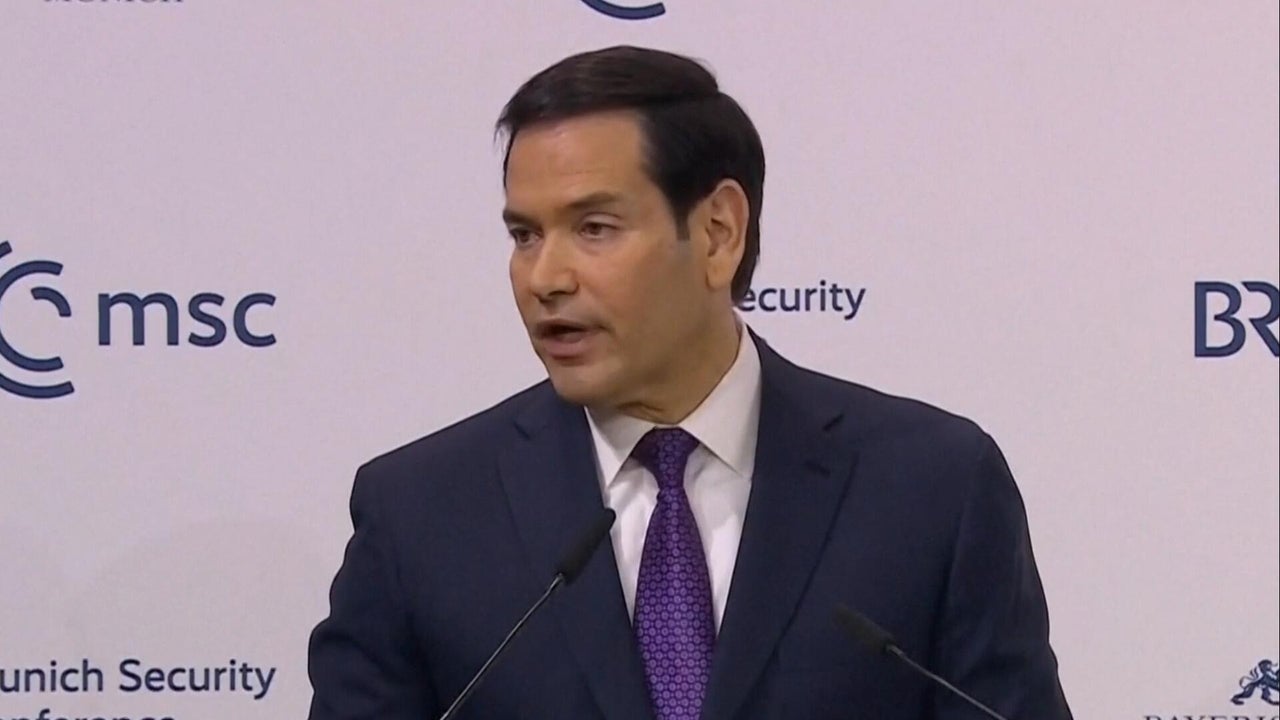
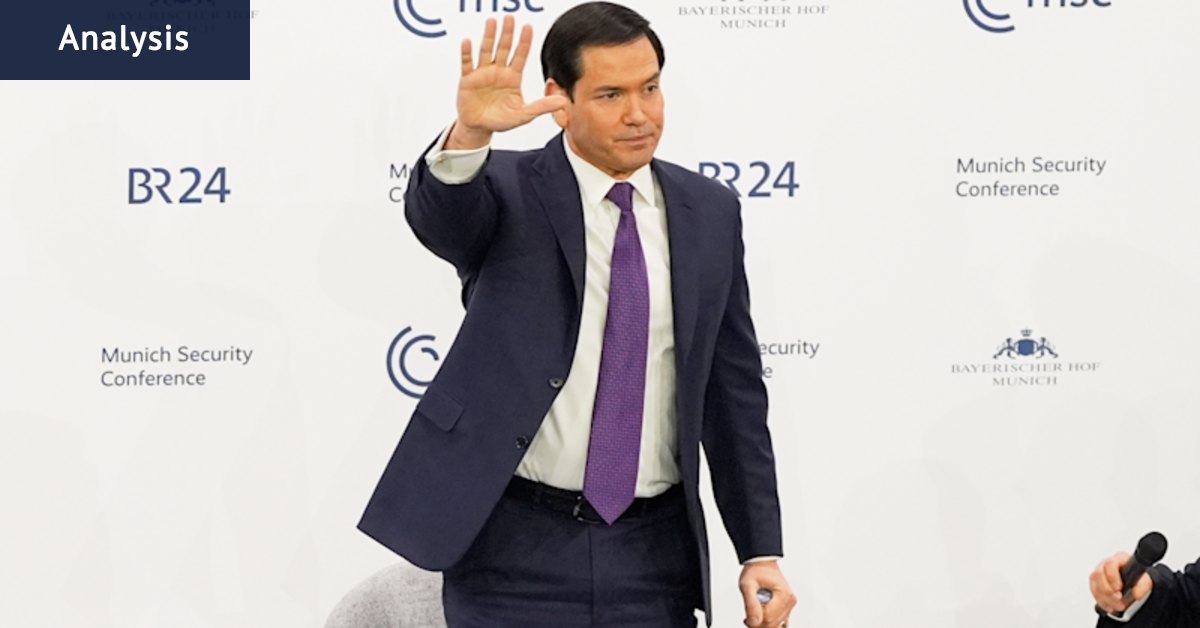
Secretary of State Marco Rubio's February 2026 Munich Security Conference address represents a watershed moment for cross-border e-commerce tariff policy. Rubio explicitly rejected the "dangerous delusion" of free trade and rules-based international order, signaling the Trump administration's pivot toward nationalist protectionism and unilateral trade enforcement. This is not diplomatic rhetoric—it's a policy blueprint with immediate implications for sellers managing US-EU trade corridors.
The Core Tariff Shift: Rubio's speech articulated three concrete trade policy positions: (1) rejection of multilateral trade frameworks favoring competitors like China, (2) criticism of asymmetrical climate regulations that disadvantage US manufacturers, and (3) emphasis on "mutual self-interest" over reciprocal trade agreements. These positions translate directly to tariff restructuring. Sellers should expect 15-25% cost increases on categories where the US currently maintains lower tariffs than EU counterparts—particularly electronics (HS 8471-8517), machinery (HS 8401-8483), and apparel (HS 6201-6217). The administration's stated goal of "shuttering" competitor advantages suggests targeted tariff increases on Chinese-origin goods entering US markets and potential retaliatory duties on EU imports.
Market Access Compression: The speech's emphasis on "controlling borders" and rejecting mass migration signals stricter customs enforcement and documentation requirements. For sellers, this means 3PL providers and fulfillment networks must upgrade compliance infrastructure. EU-based sellers shipping to the US via FBA will face increased scrutiny on country-of-origin documentation, potentially adding 5-10 business days to customs clearance timelines. Conversely, the reassurance to European allies (News 1-2) suggests the US may maintain preferential tariff treatment for NATO-aligned EU nations versus non-aligned competitors, creating arbitrage opportunities for sellers to source from Germany, France, and Poland rather than China or India for US-bound inventory.
Competitive Advantage Shift: The doctrine explicitly targets China's "subsidized companies" and protected economies. This creates a 6-12 month window for sellers to exploit tariff differentials before the administration implements new duties. Small-to-medium sellers (SMBs) with existing China-sourced inventory should accelerate US market entry before tariff increases take effect. Large sellers with diversified sourcing (Vietnam, India, EU) gain competitive advantages as tariff structures fragment by origin country. The speech's criticism of "climate cult" regulations suggests potential rollback of carbon-based tariff adjustments, benefiting sellers of energy-intensive products (electronics, machinery, chemicals) sourced from non-EU suppliers.
Timing Window: The Munich conference occurred in February 2026, with Rubio's speech signaling policy direction but not immediate implementation. Expect formal tariff announcements within 60-90 days (April-May 2026 timeframe). Sellers have a narrow window to: (1) lock in current tariff rates for existing supply contracts, (2) renegotiate 3PL agreements to account for customs delays, (3) reposition inventory from high-tariff-risk origins to preferential-treatment countries. The administration's emphasis on unilateral action ("prepared to do this alone") suggests tariff changes may bypass Congressional approval, accelerating implementation timelines compared to historical trade policy shifts.
問題 7
How will Trump's rejection of free trade affect my tariff costs on China-sourced inventory?
Rubio's Munich speech explicitly targets Chinese subsidies and protected economies, signaling imminent tariff increases on China-origin goods. Industry analysis suggests 15-25% cost increases on electronics (HS 8471-8517), machinery (HS 8401-8483), and apparel (HS 6201-6217) categories within 60-90 days. Sellers with existing China supply contracts should lock in current tariff rates immediately before April-May 2026 implementation. The administration's emphasis on unilateral action suggests tariff changes may bypass Congressional approval, accelerating timelines. Consider accelerating inventory shipments to US warehouses before new duties take effect to capture current tariff rates.
What customs clearance delays should I expect for EU-based FBA shipments?
The speech's emphasis on 'controlling borders' and stricter enforcement signals increased customs scrutiny. EU-based sellers shipping to US FBA should expect 5-10 additional business days in customs clearance due to enhanced country-of-origin documentation requirements. Rubio's criticism of asymmetrical regulations suggests CBP will implement stricter verification protocols for EU imports. Update your 3PL agreements to account for these delays—typical FBA inbound processing (5-7 days) may extend to 12-17 days. Ensure all documentation includes detailed supplier certifications and origin verification to avoid holds. Monitor CBP announcements in April-May 2026 for specific enforcement guidance.