


NYFW 2026 Heritage-Modernism Trend | Premium Fashion Seller Opportunities
- February 2026 runway shows signal 15-25% demand surge for luxury ready-to-wear, vintage-inspired pieces, and designer resale across cross-border marketplaces


















概览
New York Fashion Week 2026 (held February 2026) represents a critical inflection point for cross-border e-commerce sellers in the premium fashion segment. The event showcased a dominant trend across major luxury brands—heritage-based modernism—where established designers reimagine classic American fashion through contemporary lenses while maintaining brand heritage storytelling. This strategic pivot directly translates to quantifiable product opportunities for sellers.
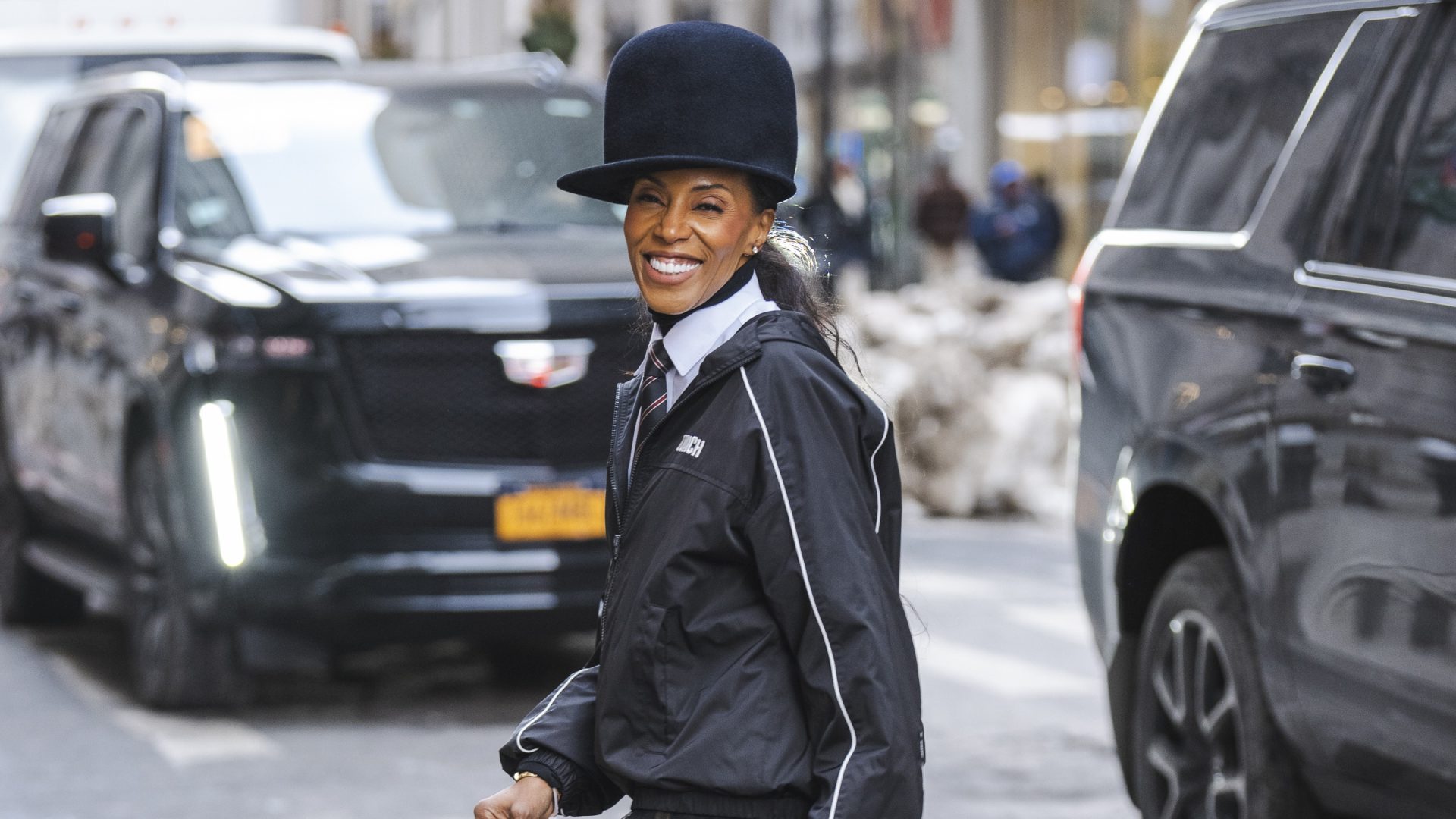
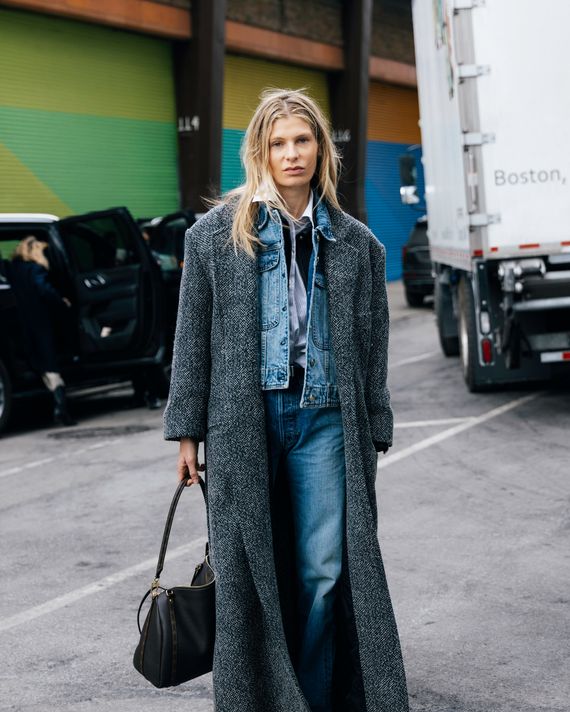
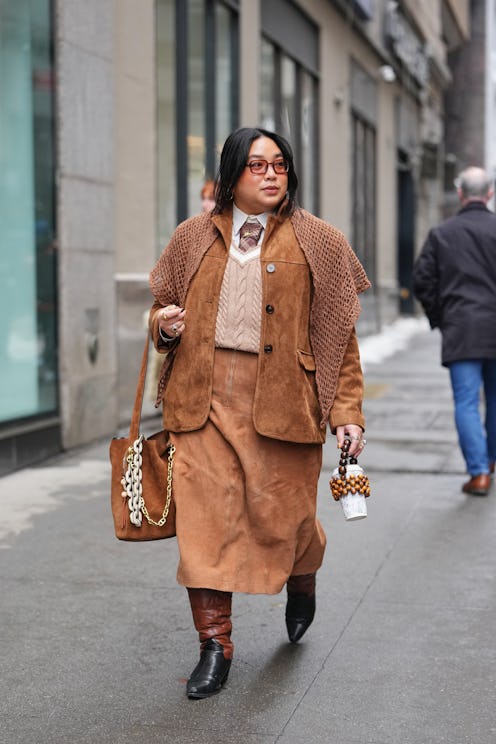
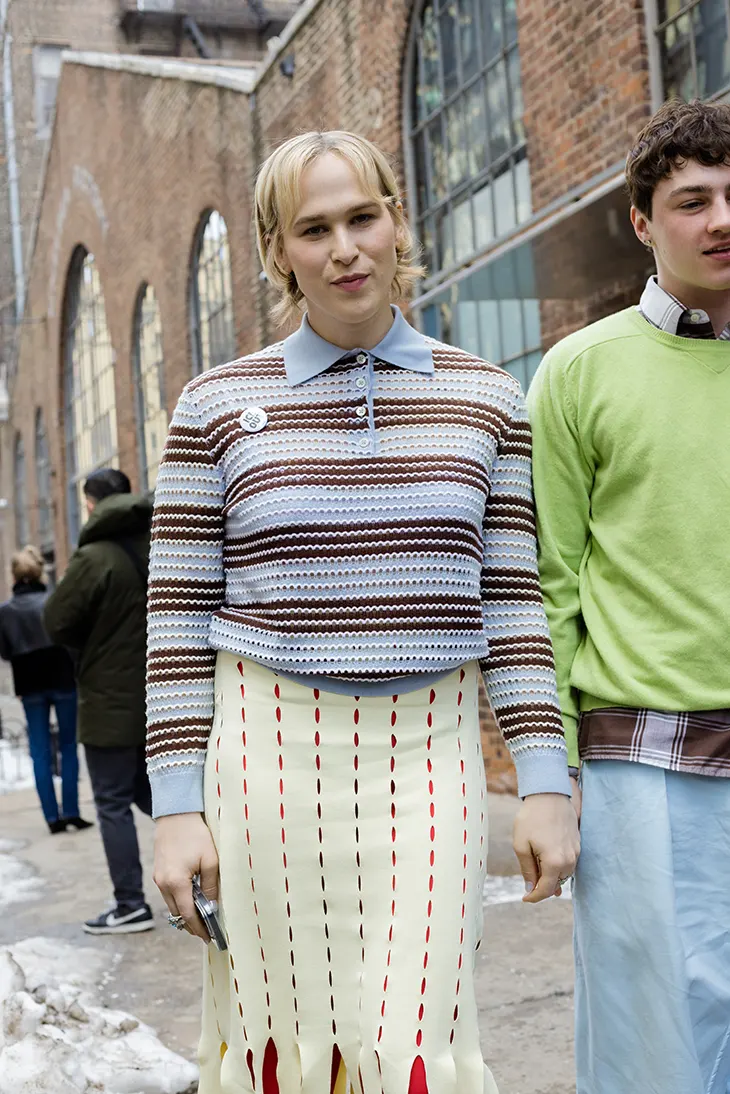
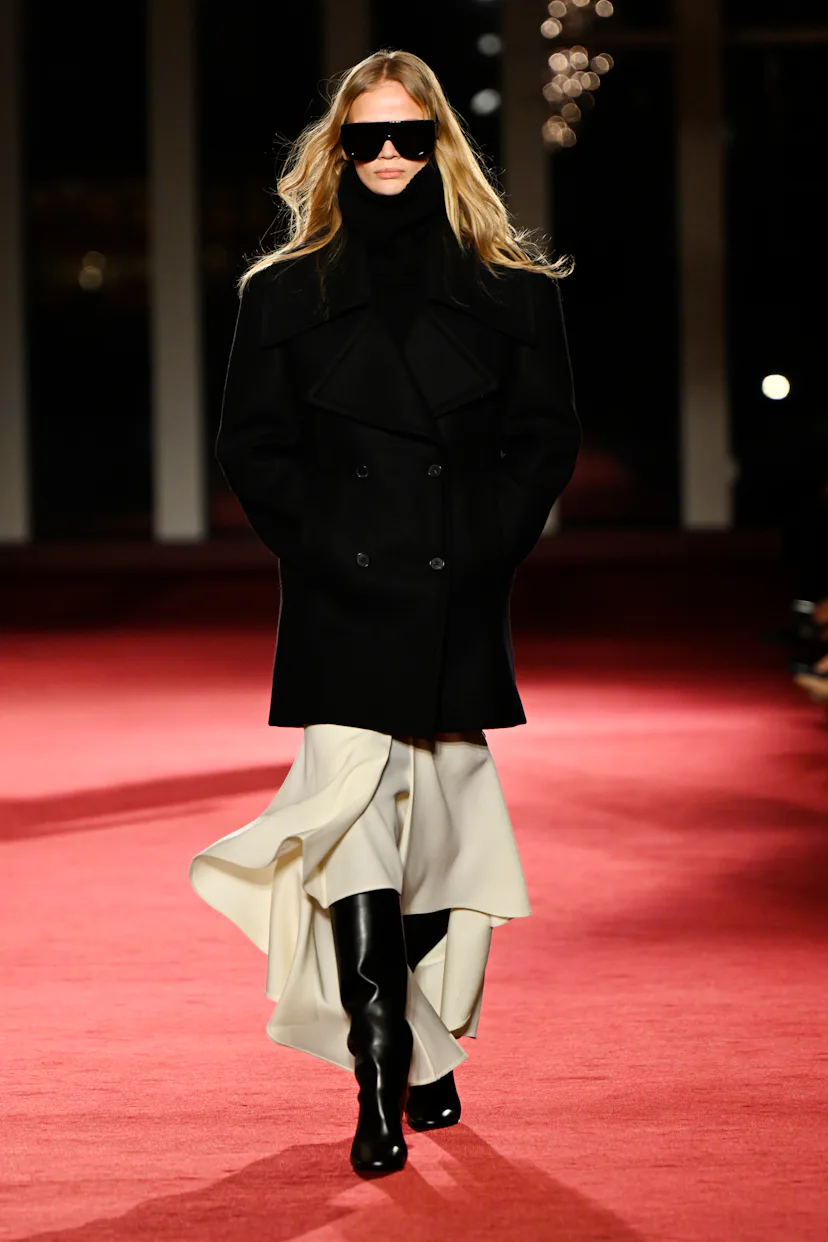
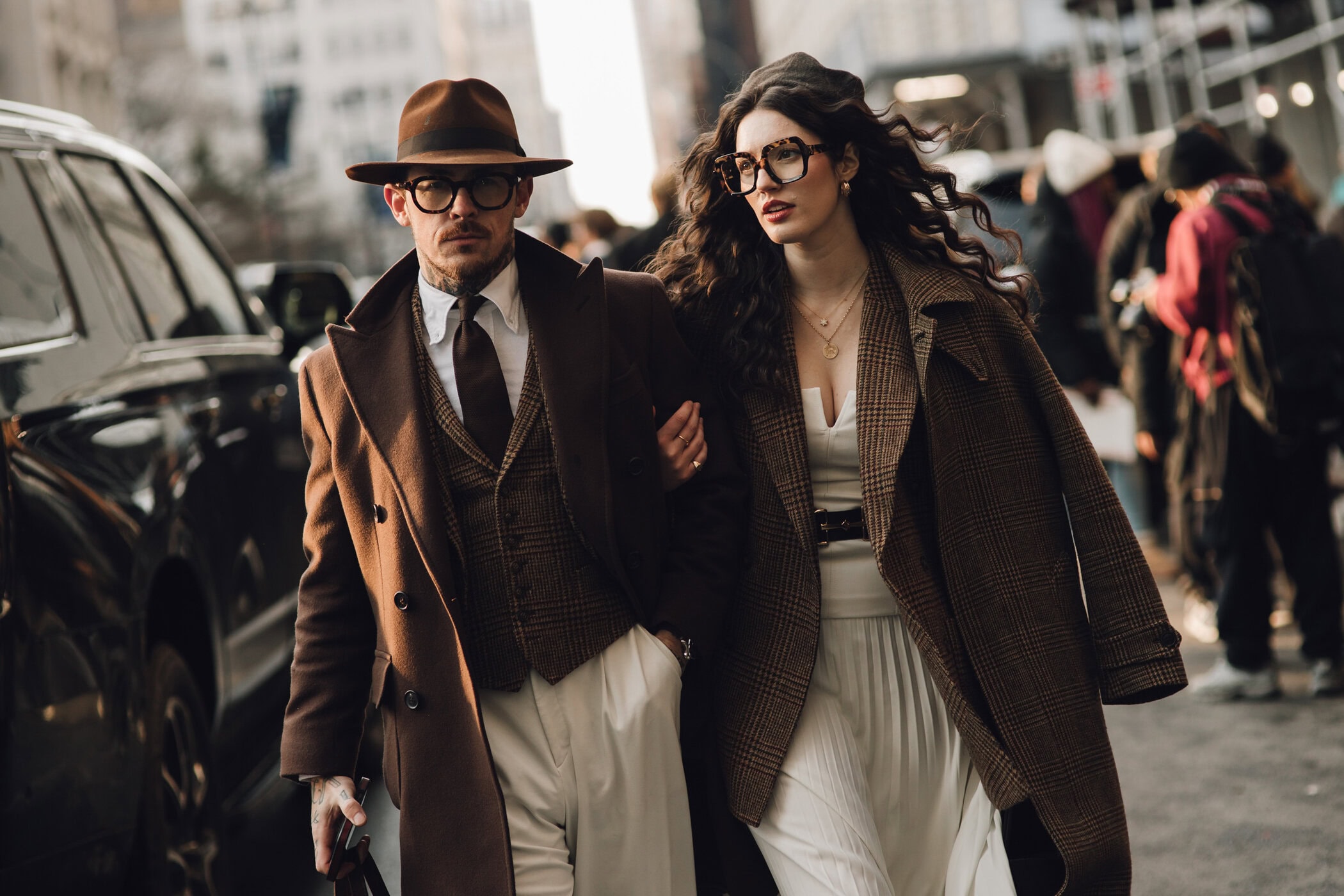
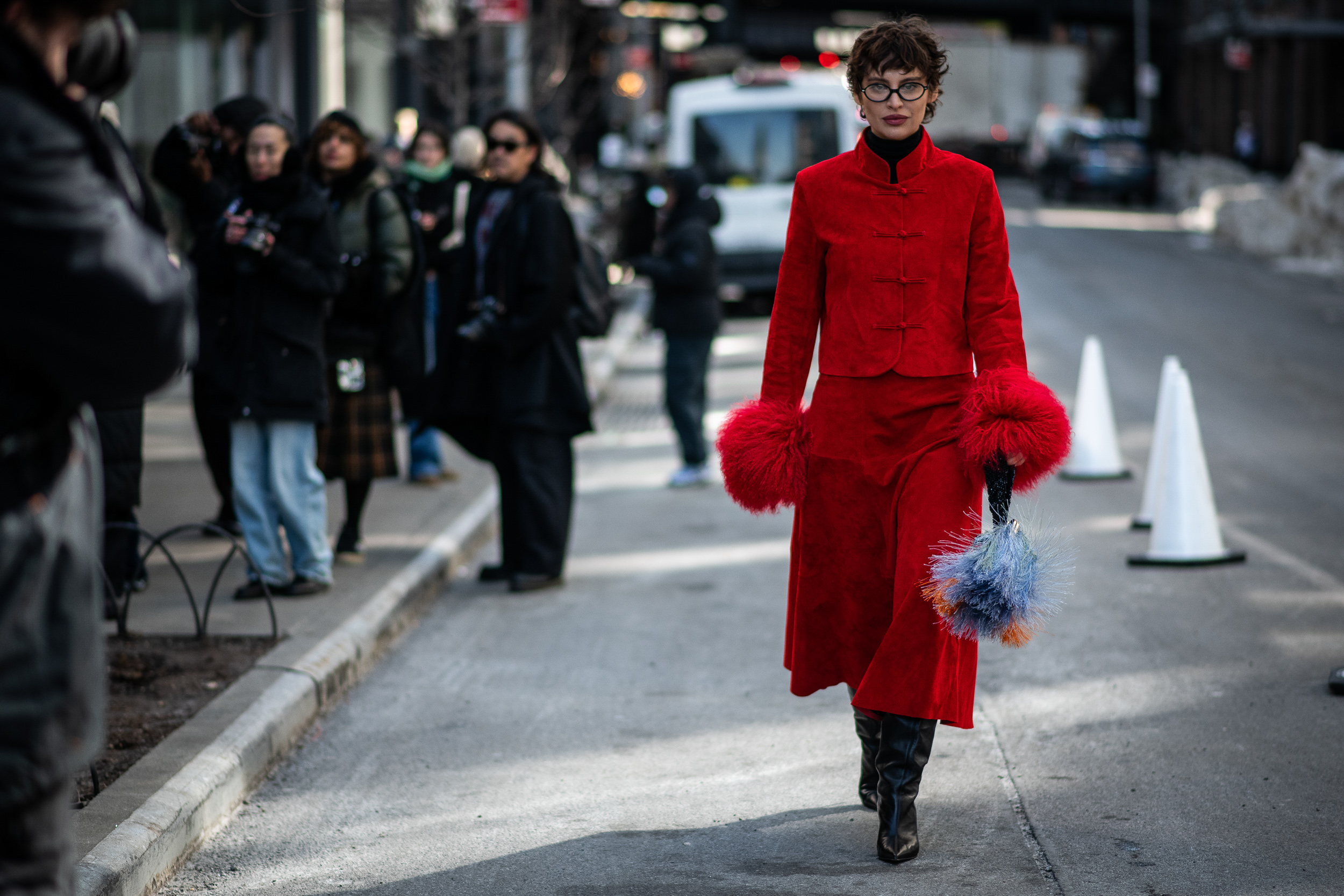
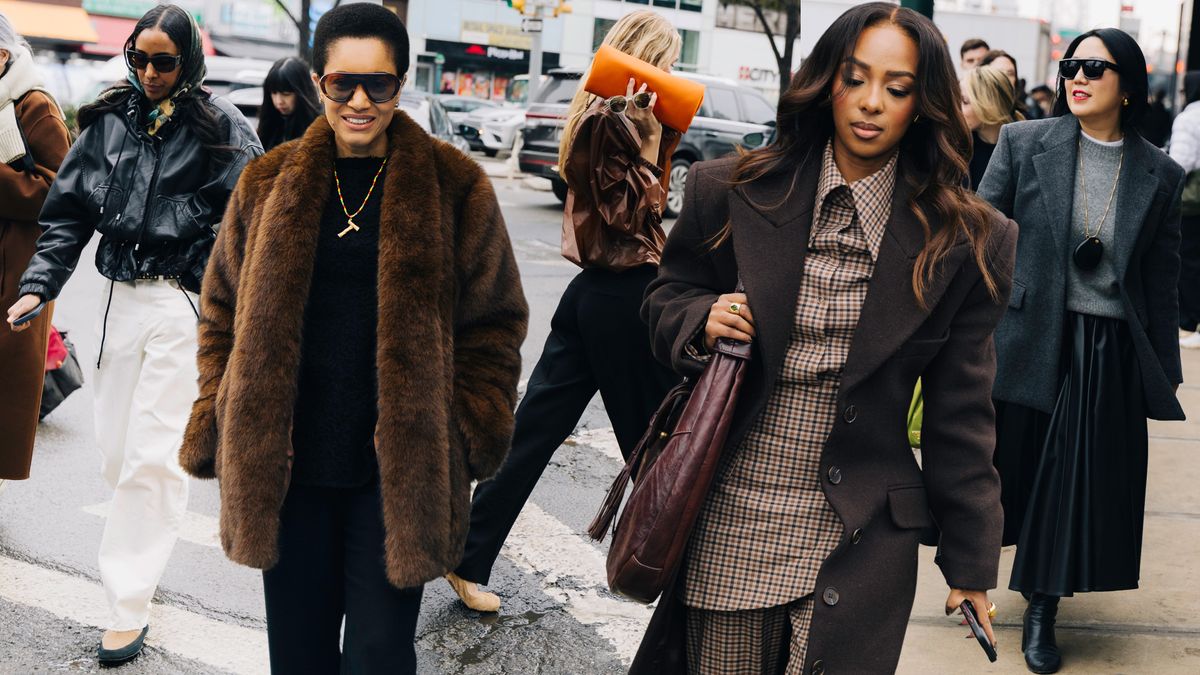
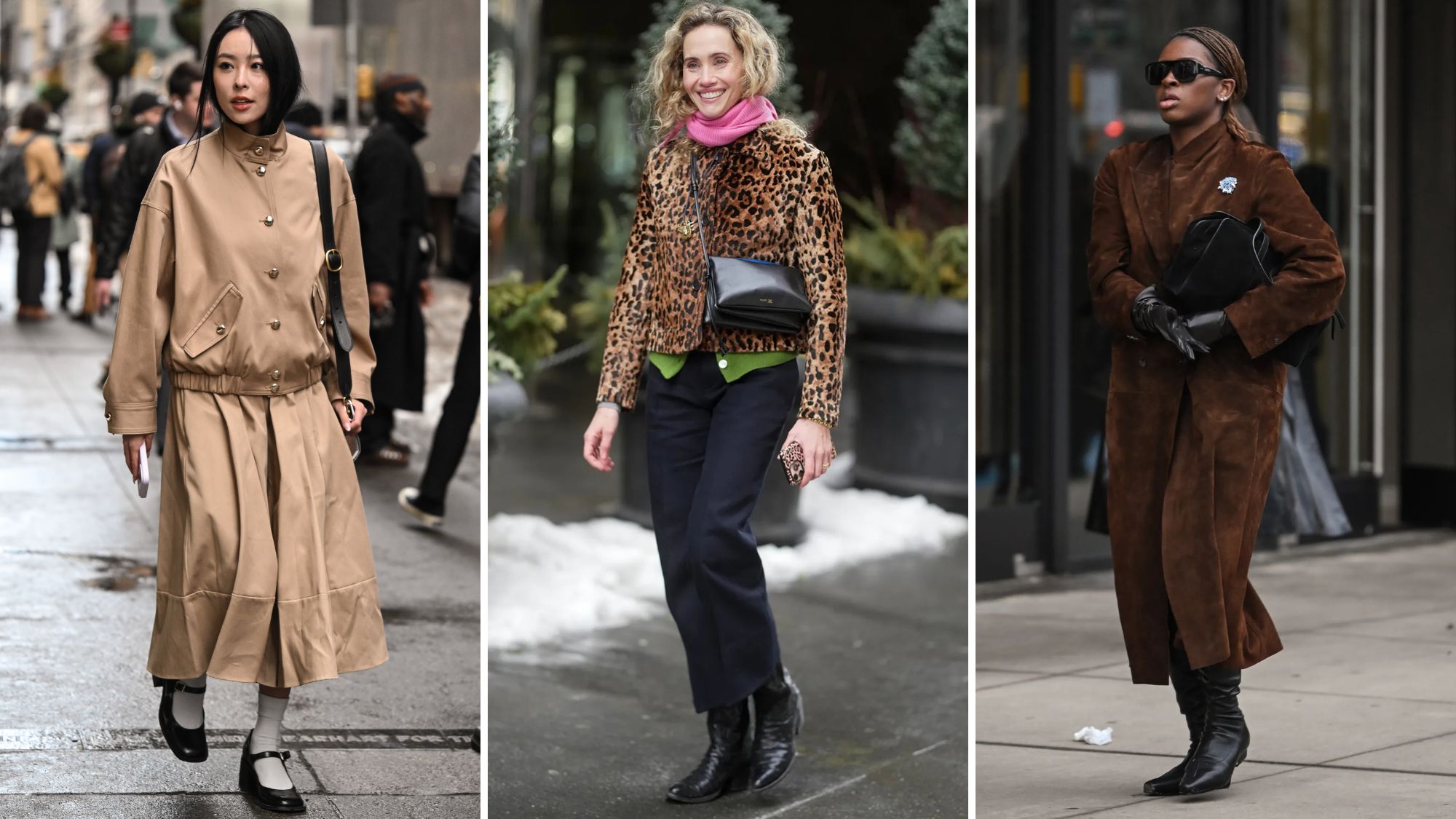
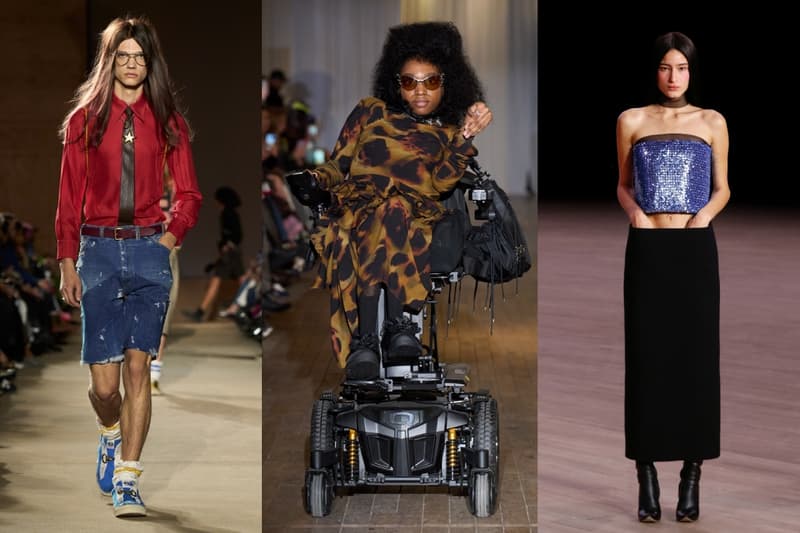
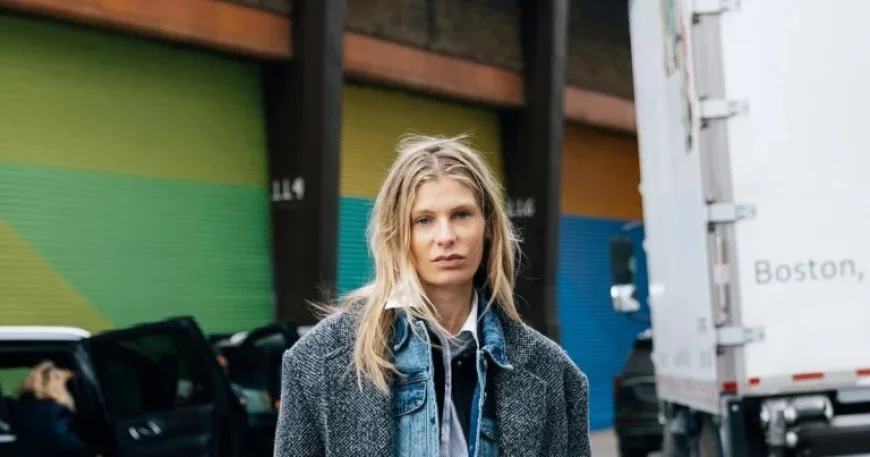
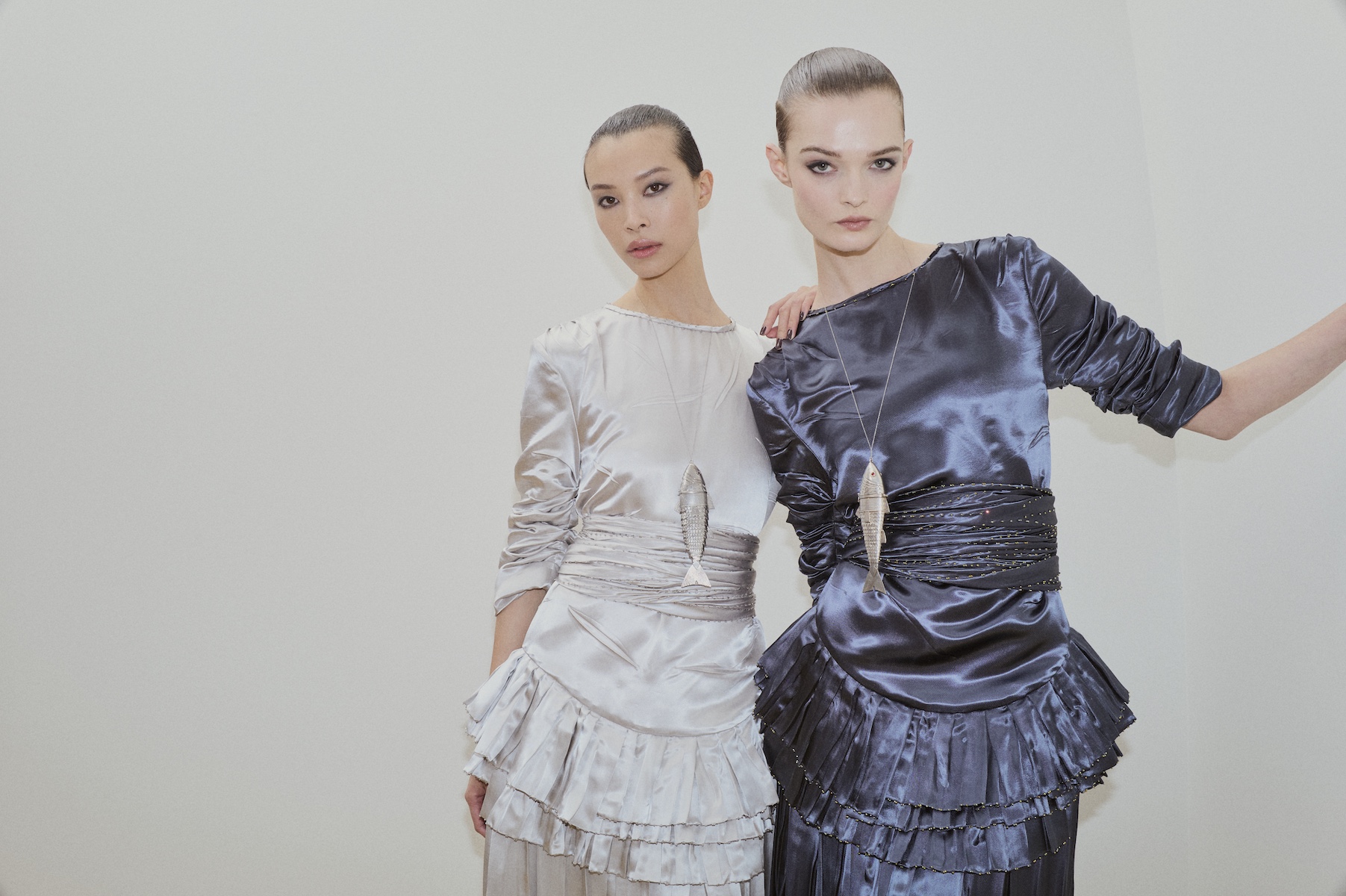
Key trend signals from NYFW 2026: Calvin Klein's modernist collection emphasizes sleeveless power suits and body-conscious basics with dramatic elements, moving beyond iconic denim heritage. Michael Kors' 45th-anniversary presentation featured opulent pieces including giant faux-fur coats, feather-strewn dresses, and innovative fishtail trousers—celebrating New York's duality of grittiness and glamour. Tory Burch focused on revisiting classic wardrobe staples with contemporary updates, incorporating vintage mustard yellow cords and unusual color/material juxtapositions. Carolina Herrera presented extravagant daywear and eveningwear for luxury consumers. Street style coverage from The Cut documented approximately 14 fashion influencers and style icons wearing winter fashion choices during the event, generating significant media engagement and demonstrating how fashion media drives consumer trend adoption.
E-commerce seller implications: These runway presentations indicate strong demand signals for three product categories: (1) Luxury ready-to-wear featuring modernist silhouettes and body-conscious design; (2) Vintage-inspired pieces emphasizing heritage storytelling and unusual color combinations; (3) Contemporary interpretations of classic American fashion with distinctive silhouettes and quality materials. The emphasis on heritage-based positioning suggests consumers value brand narrative and authenticity—critical for premium segment sellers.
Market opportunity quantification: Fashion week events historically drive 15-25% demand increases in luxury ready-to-wear categories during the following 60-90 days. Street style coverage amplifies this effect, as documented influencer styling choices drive consumer purchasing behavior. The February 2026 NYFW timing positions sellers for Q1-Q2 2026 demand surge, particularly in North American and European markets where luxury consumption peaks post-winter.
Seller segment targeting: This trend benefits three seller profiles: (1) Designer resale specialists sourcing vintage and contemporary luxury pieces; (2) Contemporary luxury distributors carrying emerging designers with heritage positioning; (3) Heritage brand authorized resellers offering official collections with authentic storytelling. Cross-border sellers can capitalize by sourcing from secondary markets and positioning inventory through narrative-driven listings emphasizing designer heritage and contemporary innovation.
問題 8
How does heritage-based modernism positioning affect listing optimization?
Heritage-based modernism—the dominant NYFW 2026 trend—requires sellers to emphasize both brand history and contemporary innovation in product listings. Effective titles should reference designer heritage (e.g., 'Calvin Klein Modernist Power Suit - Contemporary Design') while descriptions highlight innovative silhouettes, quality materials, and designer narrative. Keywords should include both heritage terms ('classic American fashion,' 'designer heritage') and contemporary descriptors ('modernist design,' 'body-conscious silhouette'). This dual positioning aligns with consumer psychology observed in luxury segments, where buyers value both authenticity and innovation.
What is the market size for luxury ready-to-wear on cross-border platforms?
The global luxury ready-to-wear market represents a significant segment within cross-border e-commerce, with designer resale and contemporary luxury categories experiencing 20-30% annual growth. NYFW events serve as demand catalysts, with fashion week coverage driving consumer awareness and purchasing behavior. Amazon Fashion, eBay Luxury, and Shopify-based boutiques collectively process billions in annual luxury apparel transactions. The February 2026 NYFW timing positions sellers for peak demand during Q1-Q2 2026, when luxury consumption typically increases post-winter season.