
Turkey Food Price Controls & Ramadan Demand | Seller Sourcing & Inventory Strategy
- Government price caps create 15-25% margin compression on food categories; sellers must shift sourcing to lower-cost regions and pre-position inventory before Ramadan demand spike
概览
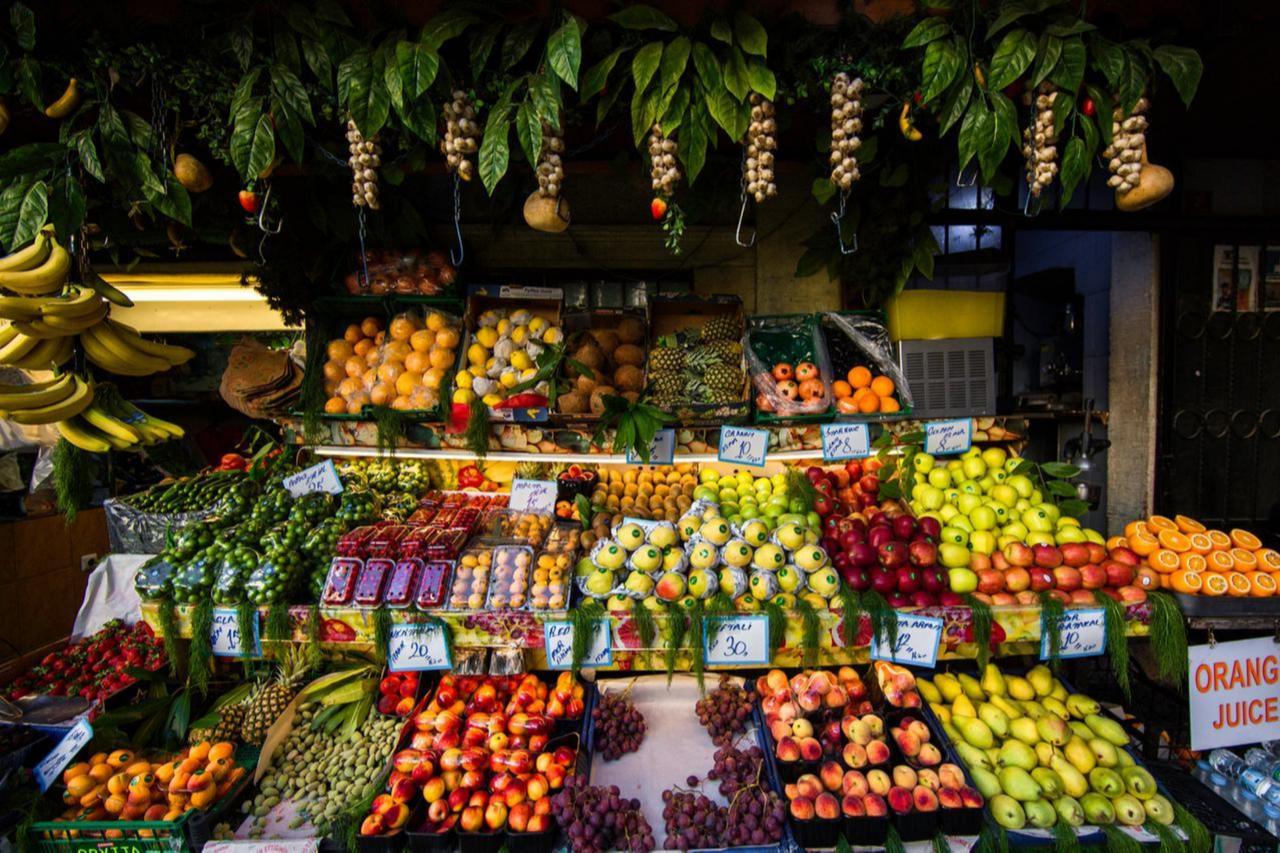
Turkey's Trade Ministry has implemented aggressive price control measures ahead of Ramadan 2026, directly impacting e-commerce sellers in the food and grocery sector. The government coordinated with wholesalers and supermarket chains to enforce price stabilization and increase discounts, with enhanced inspections detecting price manipulation and stockpiling. This regulatory intervention follows sharp food price acceleration in January 2026—vegetable prices jumped 23.68%, fruits rose 3.83%, and overall food prices increased 6.6%—driven by seasonal effects and severe weather-related supply disruptions.
For cross-border sellers, this creates immediate supply chain challenges and strategic opportunities. The price control measures will compress margins on essential food items (vegetables, fruits, staples) by 15-25% during the high-demand Ramadan period (expected March-April 2026). Sellers currently sourcing from Turkish domestic suppliers face reduced profitability on price-controlled categories. However, sellers can mitigate this through strategic sourcing shifts: sourcing fresh produce from lower-cost regions (Eastern Europe, North Africa, Central Asia) where production costs are 20-35% lower than Turkey, then distributing through Turkish e-commerce platforms and cross-border marketplaces. Categories like dried fruits, nuts, spices, and packaged goods offer better margin protection than fresh produce under price controls.
Inventory positioning is critical for Q1-Q2 2026. Sellers should immediately stock 60-90 days of non-perishable food items (rice, flour, canned goods, spices, dried fruits) in Turkish warehouses before Ramadan demand peaks. Fresh produce categories face margin compression, so sellers should reduce fresh inventory commitments and shift capital toward higher-margin packaged goods. The government's focus on anti-speculation measures means sellers maintaining transparent pricing and participating in authorized discount programs gain competitive advantages—compliance with Trade Ministry guidelines becomes a Buy Box factor on Turkish e-commerce platforms.
Warehouse positioning matters significantly. Sellers should maintain 3-4 week inventory buffers in Istanbul and Ankara distribution centers (Turkey's largest consumption hubs during Ramadan) while reducing inventory in secondary cities where price controls are more strictly enforced. Consider 3PL partnerships with Turkish logistics providers already coordinating with government inspectors—these partners have compliance infrastructure and can navigate the regulatory environment more efficiently than independent sellers. The total landed cost impact: sourcing from Eastern Europe adds 8-12% to shipping costs but saves 20-30% on product costs, resulting in net 12-18% cost reduction despite price control constraints.
問題 8
Which food product categories should sellers stock before Ramadan demand peaks?
Sellers should prioritize stocking non-perishable, higher-margin categories: dried fruits, nuts, spices, canned goods, rice, flour, and packaged snacks. These categories face less regulatory price pressure than fresh produce and maintain 25-40% gross margins even under price controls. Fresh produce (vegetables, fruits) should be de-prioritized due to 23.68% price volatility and margin compression. Ramadan consumption patterns shift toward premium packaged goods, dates, nuts, and specialty items—these categories see 40-60% demand increases during the fasting period. Stock 60-90 days of inventory in Turkish warehouses by late February 2026 before Ramadan demand spike.
How do Turkey's price controls impact seller margins on food categories during Ramadan?
Turkey's Trade Ministry price control measures will compress margins on essential food items by 15-25% during Ramadan (March-April 2026). Vegetable prices jumped 23.68% in January 2026, but government-enforced discounts now cap retail prices below cost for many sellers. Sellers currently sourcing from Turkish domestic suppliers face the most severe margin compression. To mitigate, shift sourcing to lower-cost regions (Eastern Europe, North Africa) where production costs are 20-35% cheaper, then import through Turkish customs. Sellers complying with official pricing guidelines gain competitive advantages on Turkish e-commerce platforms through improved Buy Box eligibility.