



Iran Political Crisis Triggers Merchandise Boom | Political Apparel & Collectibles Opportunity 2026
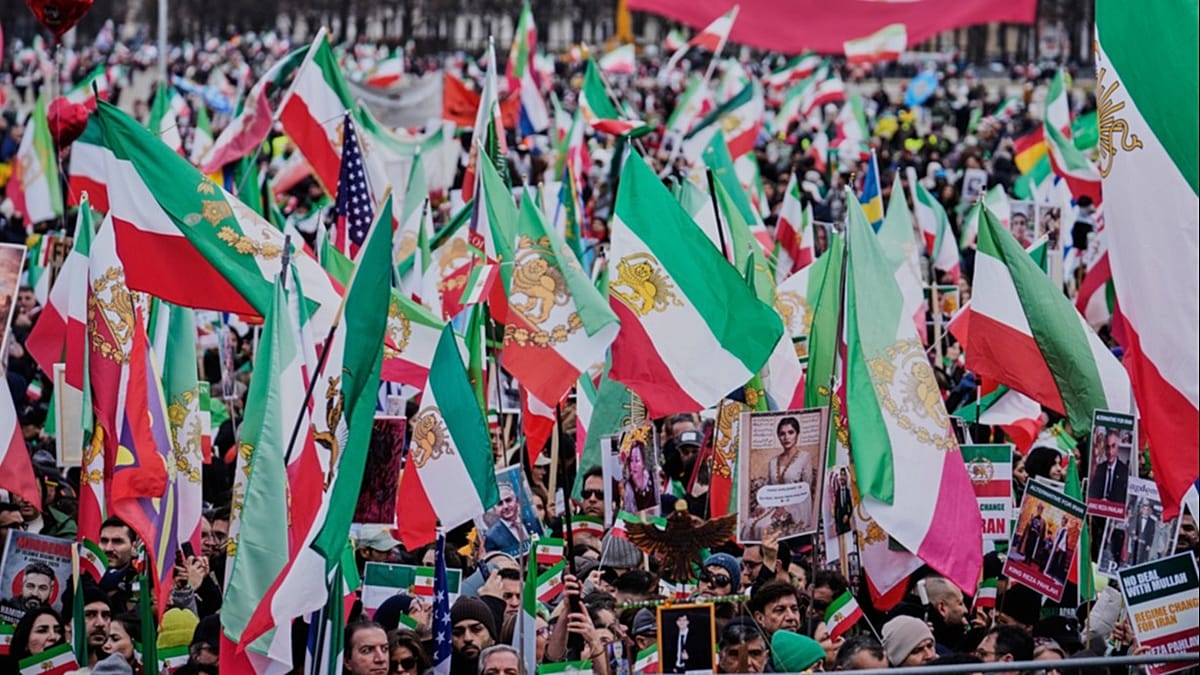
- 600,000+ global protesters create demand spike for political merchandise, opposition branded goods, and diaspora-targeted products across North America and Europe




















概览
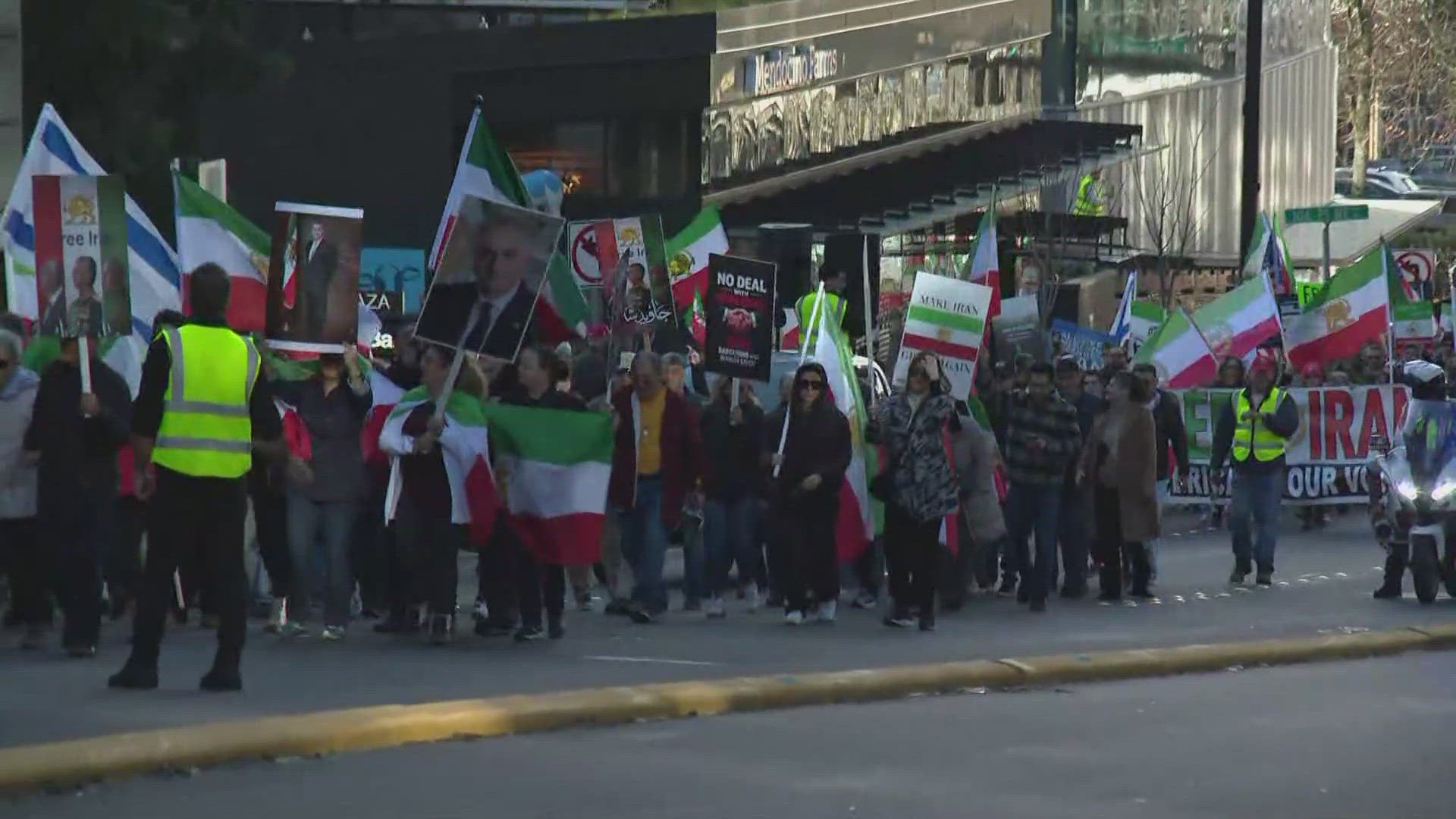
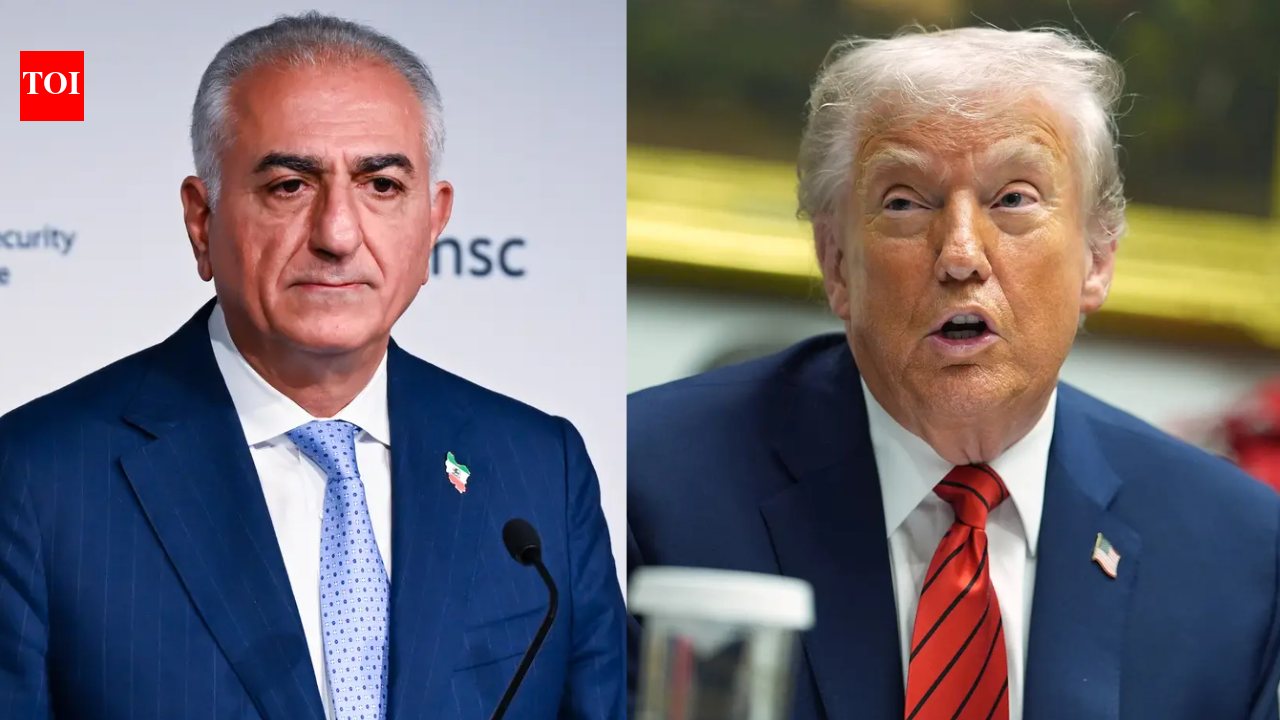
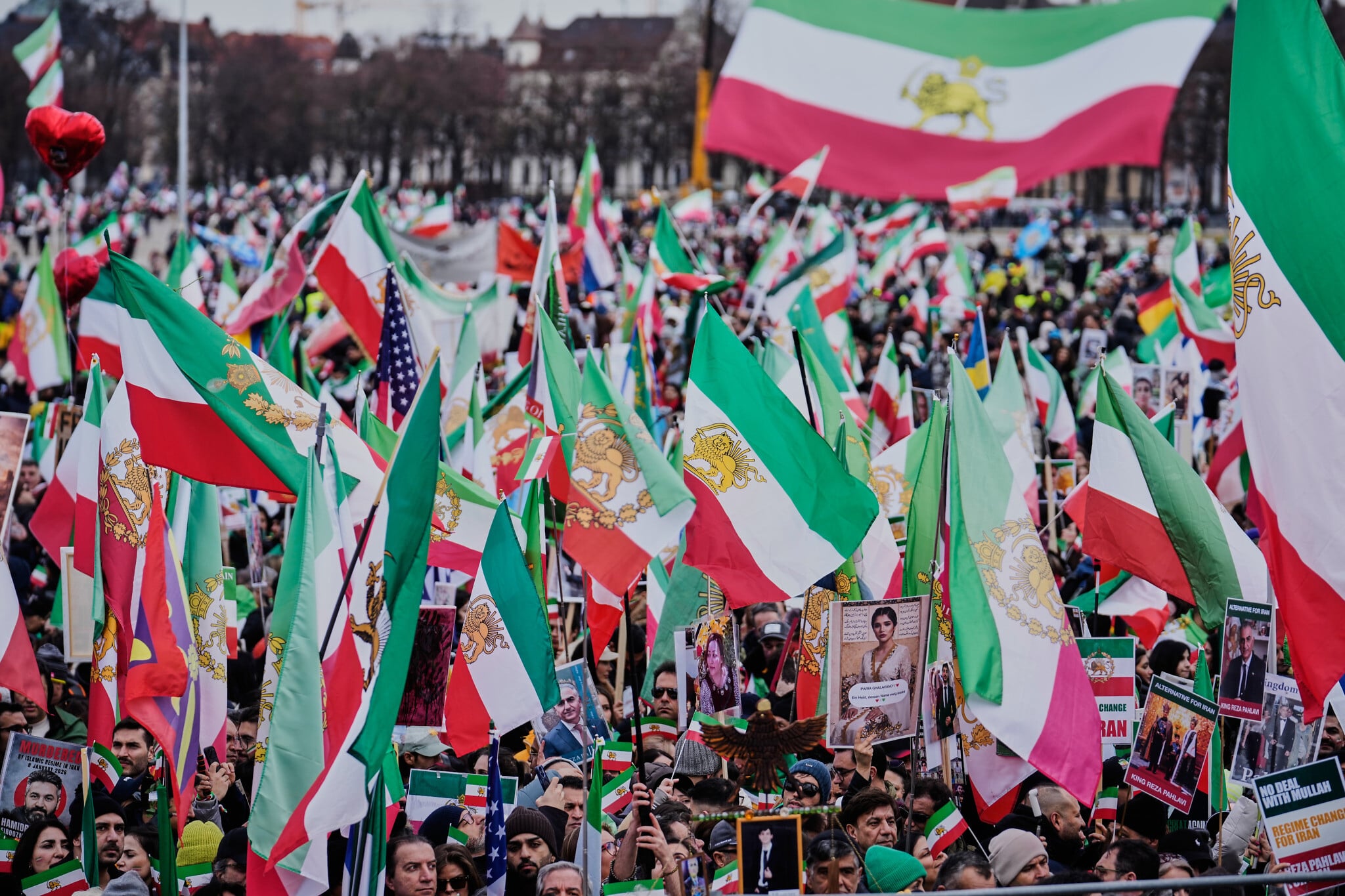
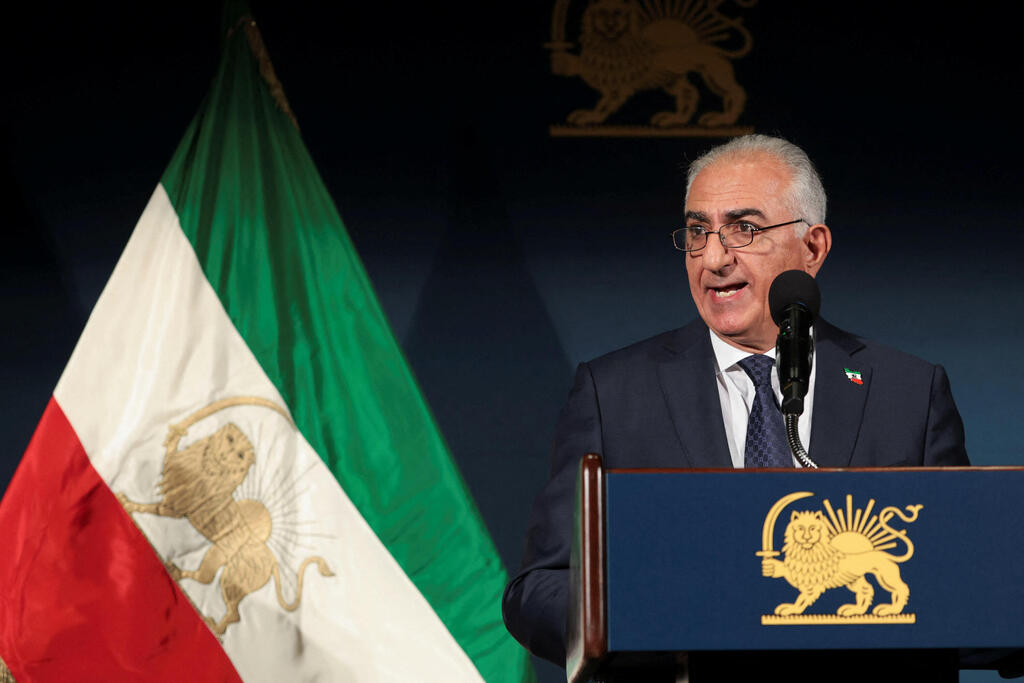
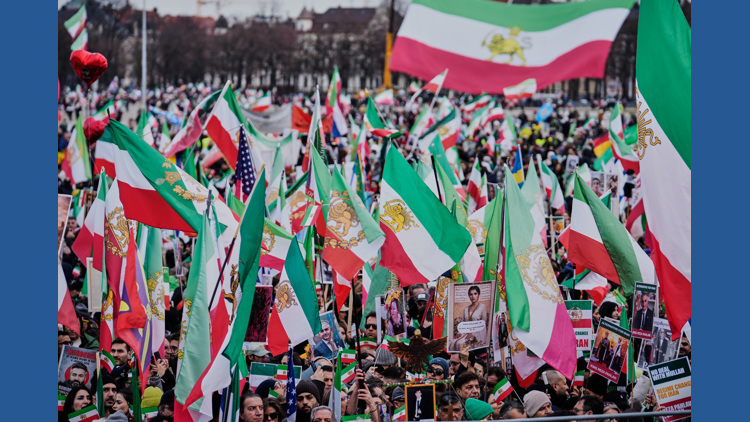
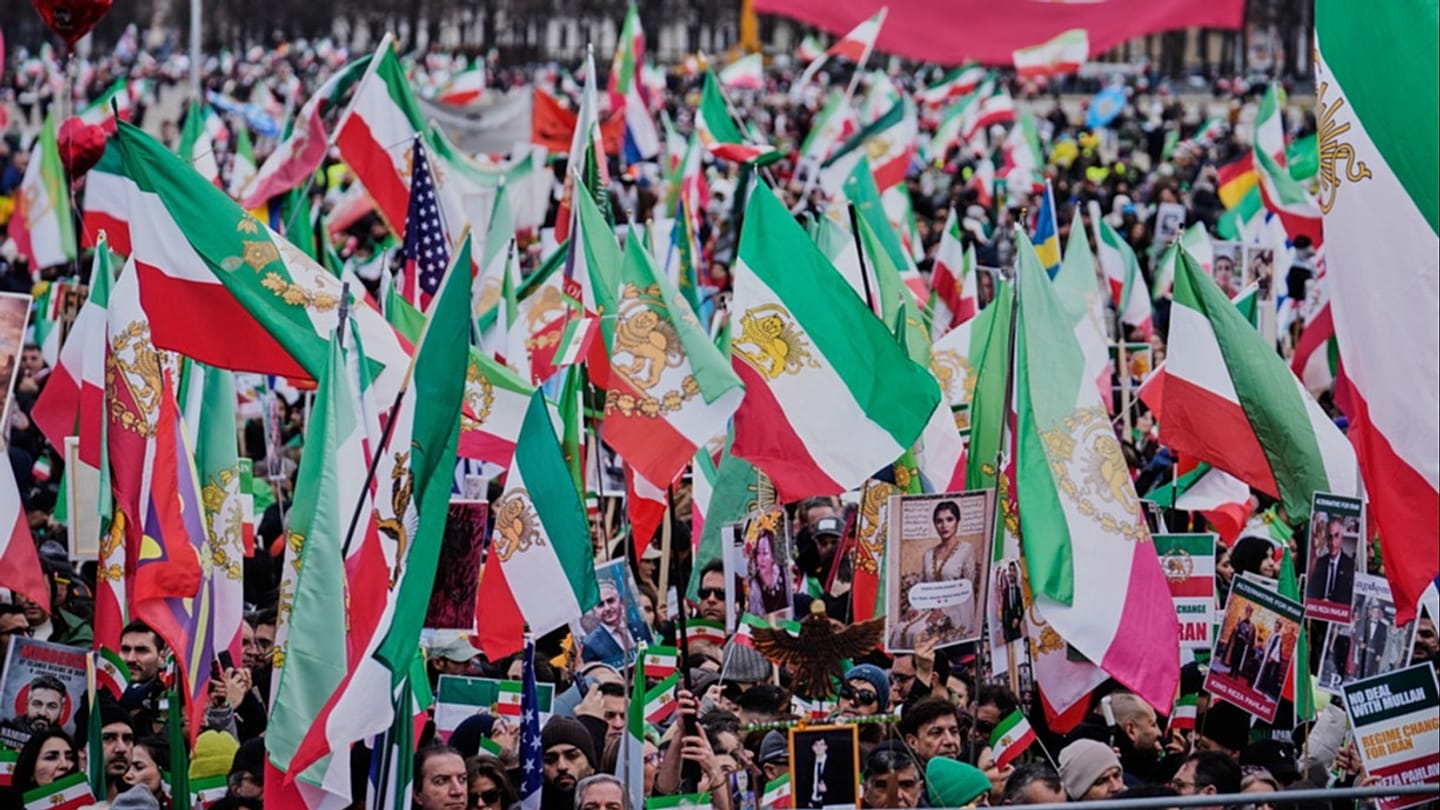
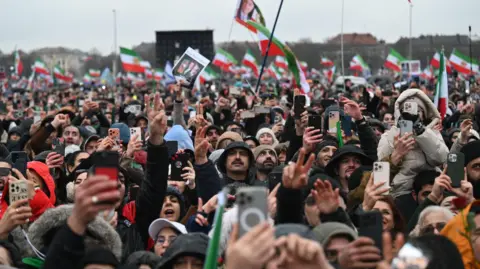
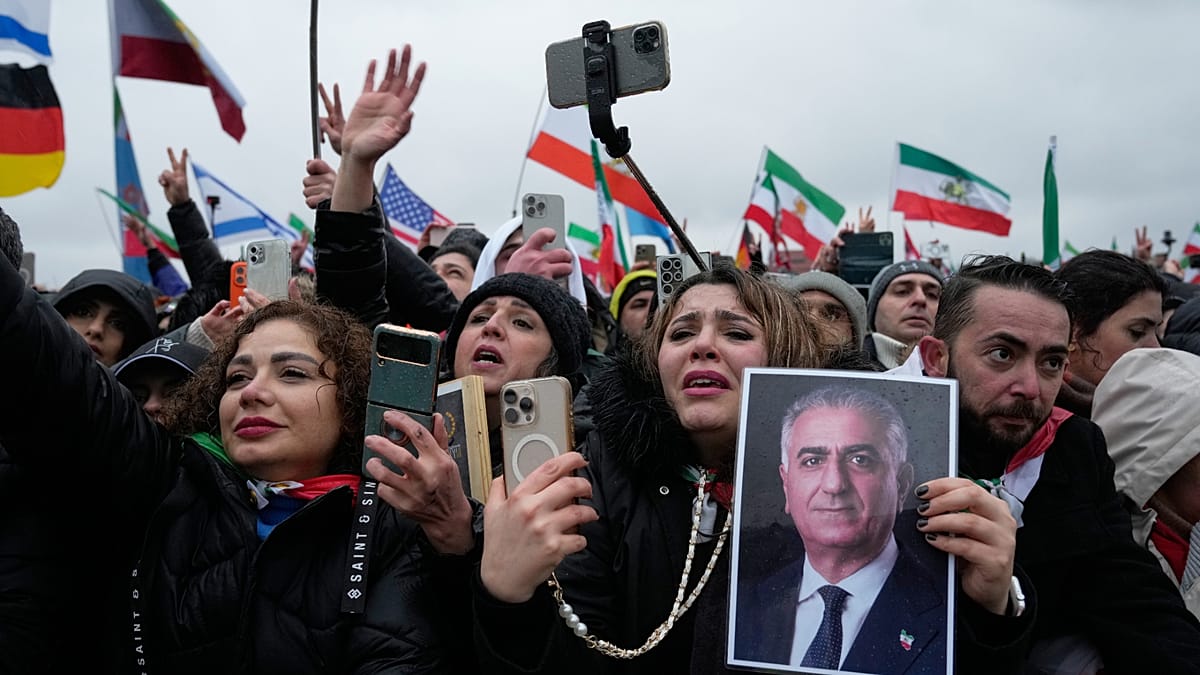
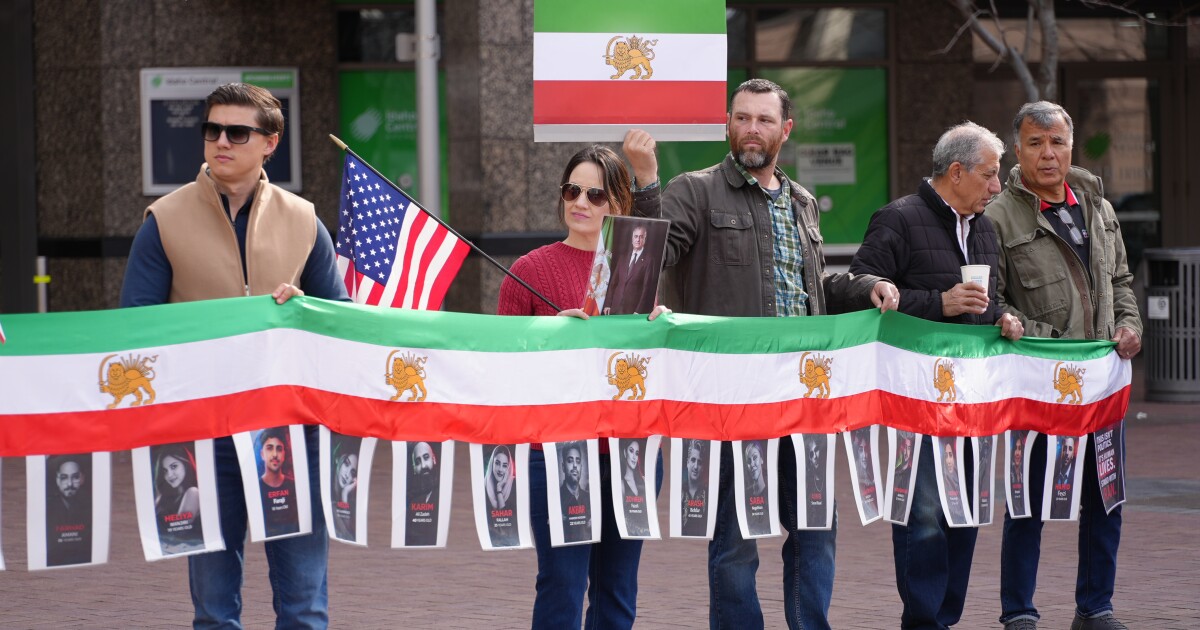
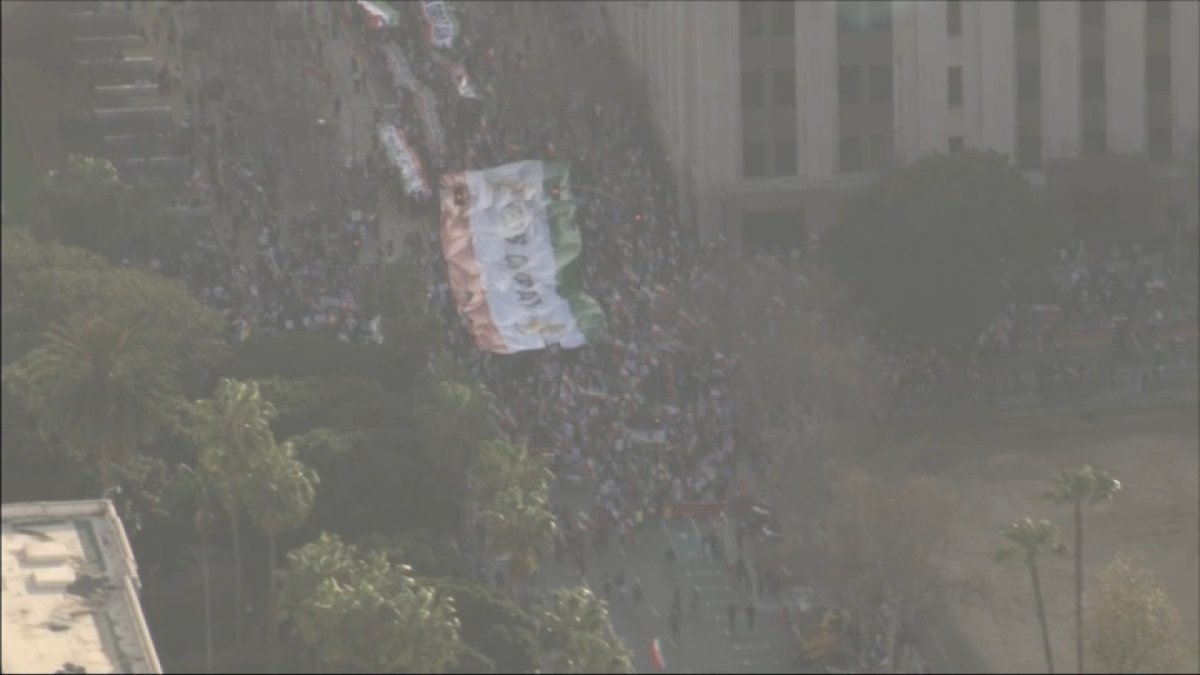
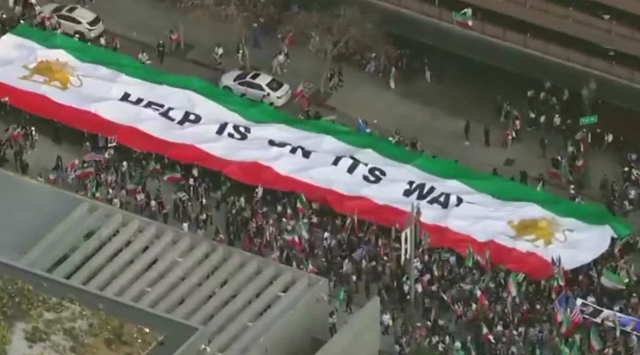
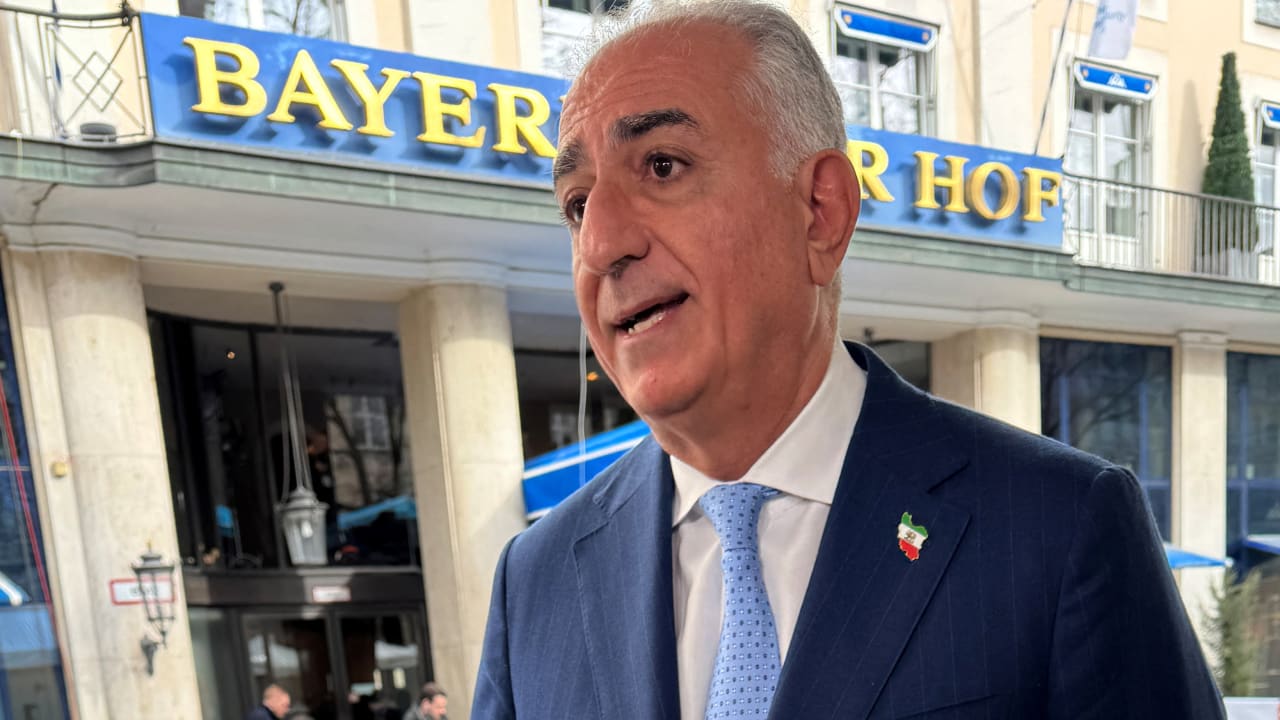
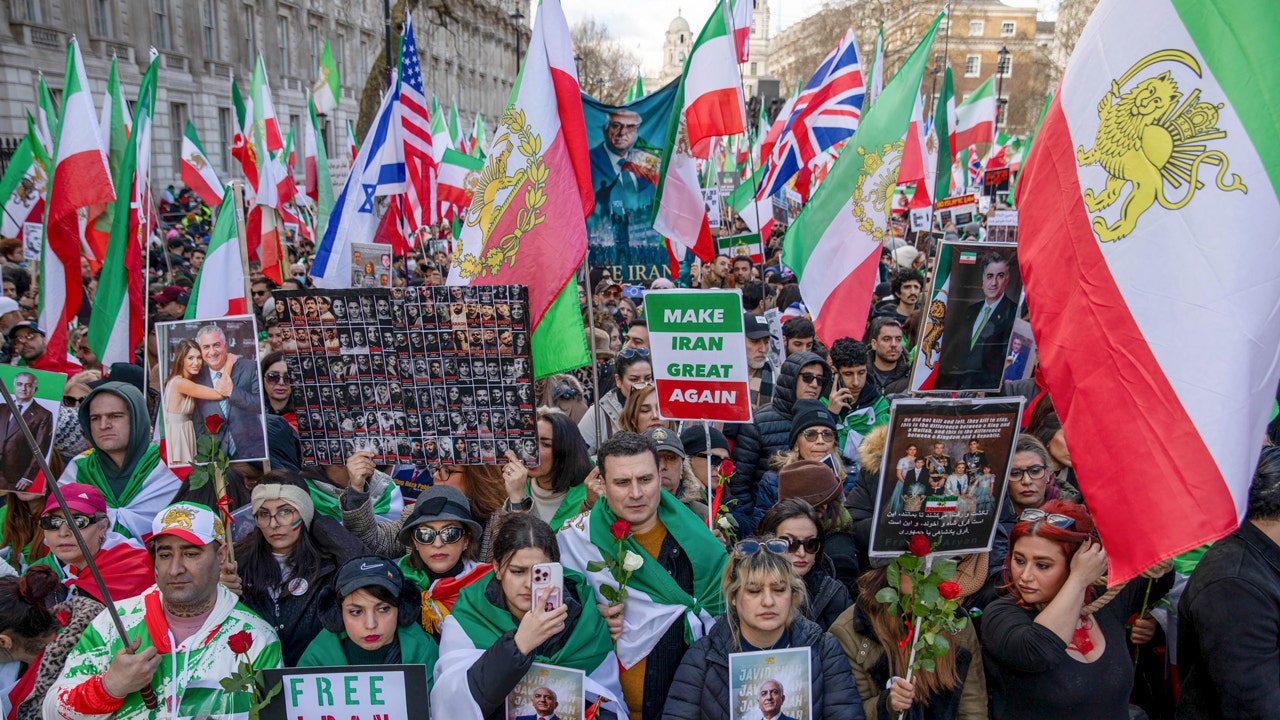
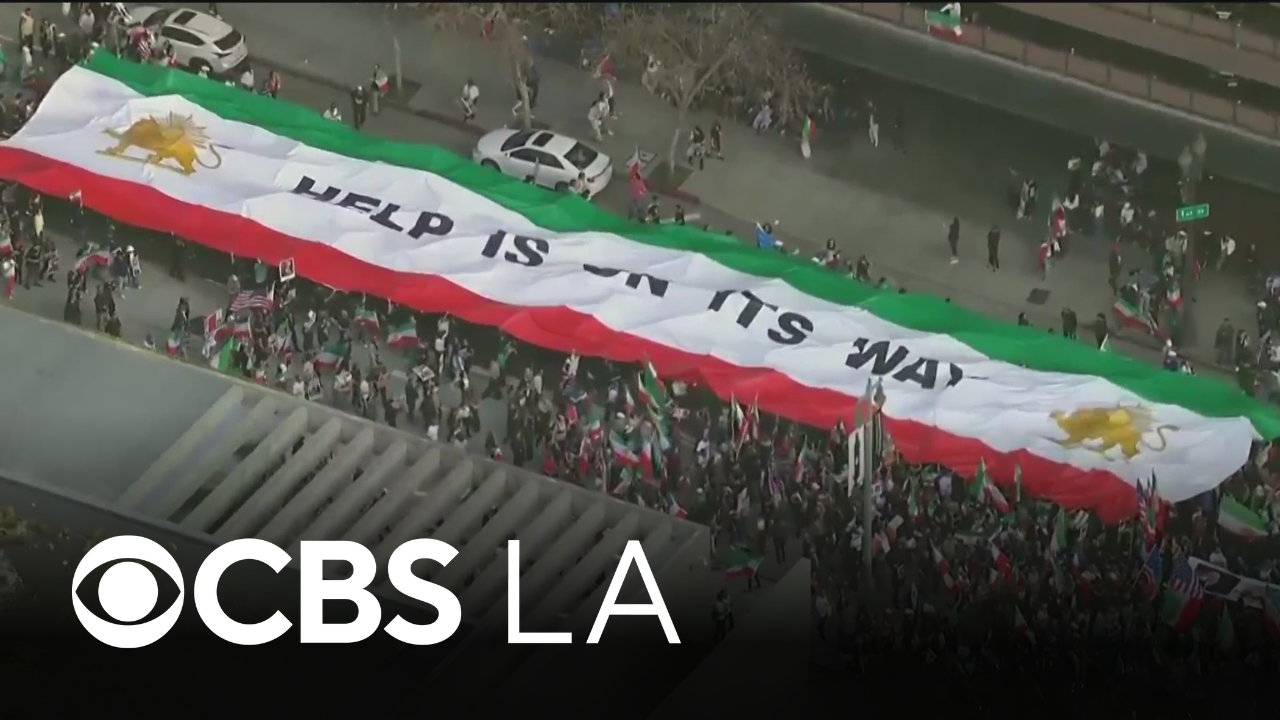
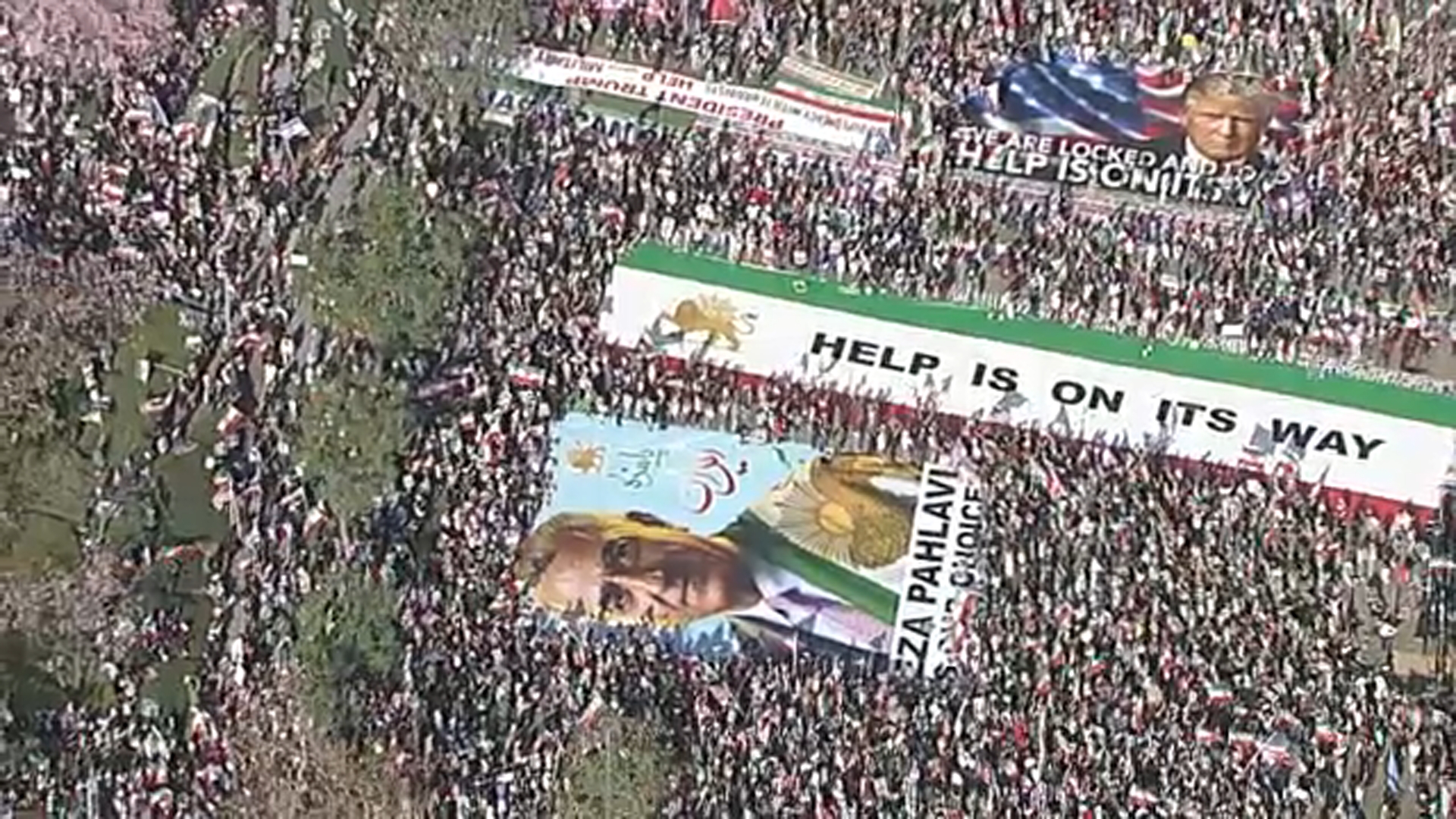
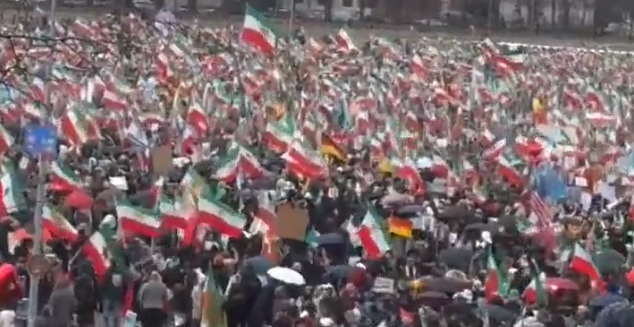
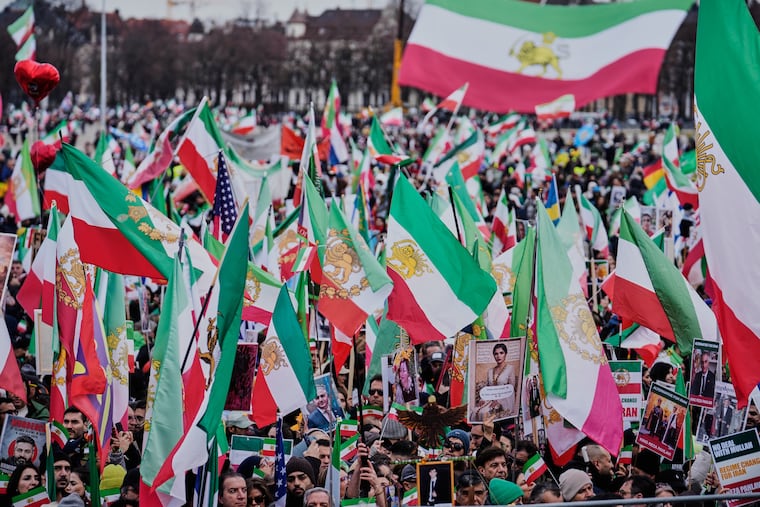
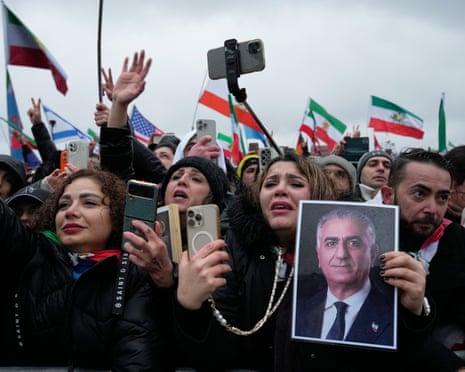
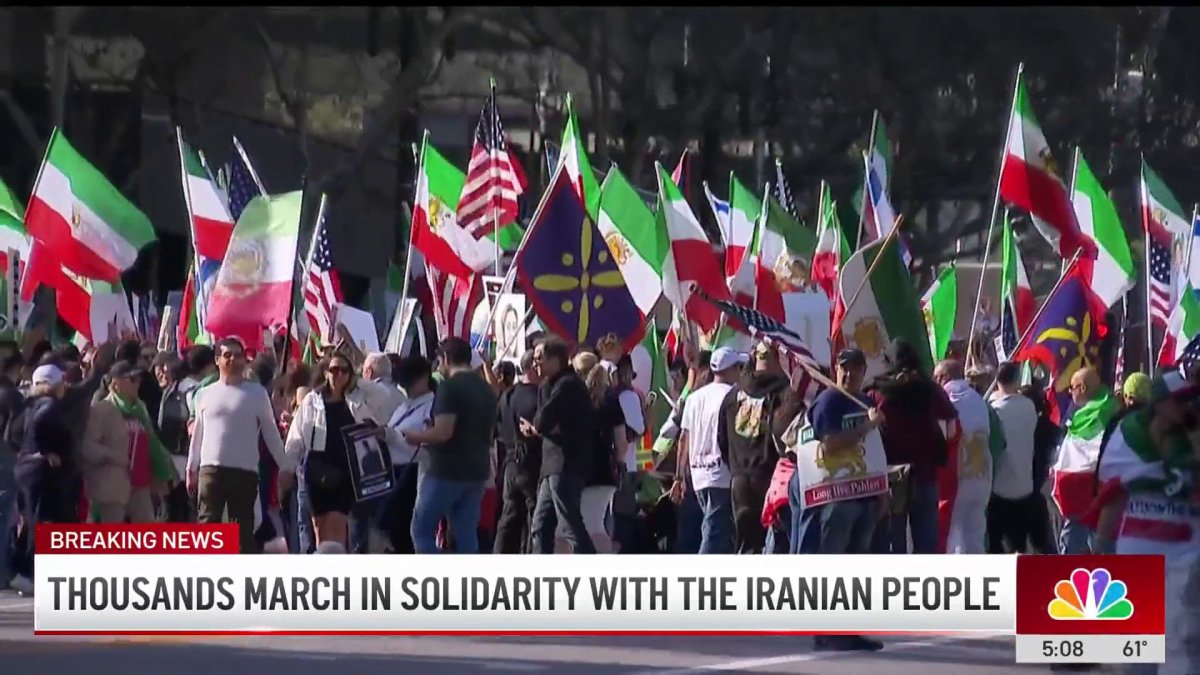
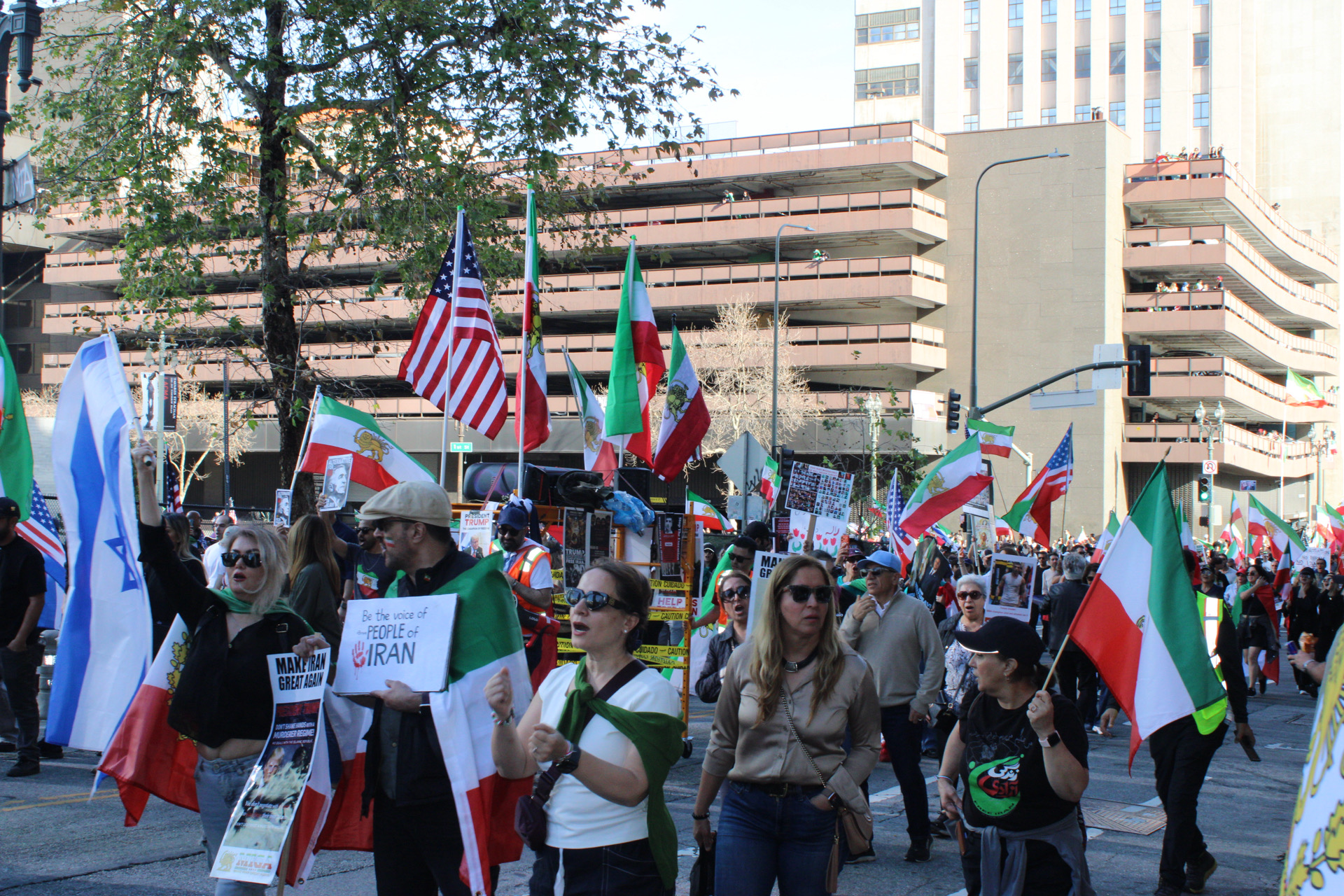
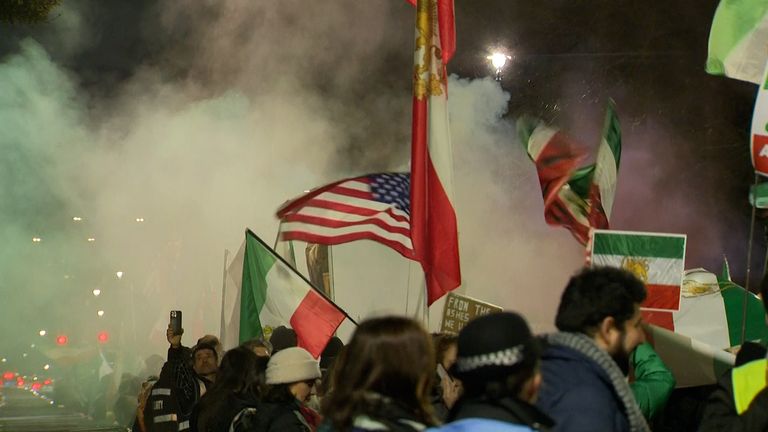
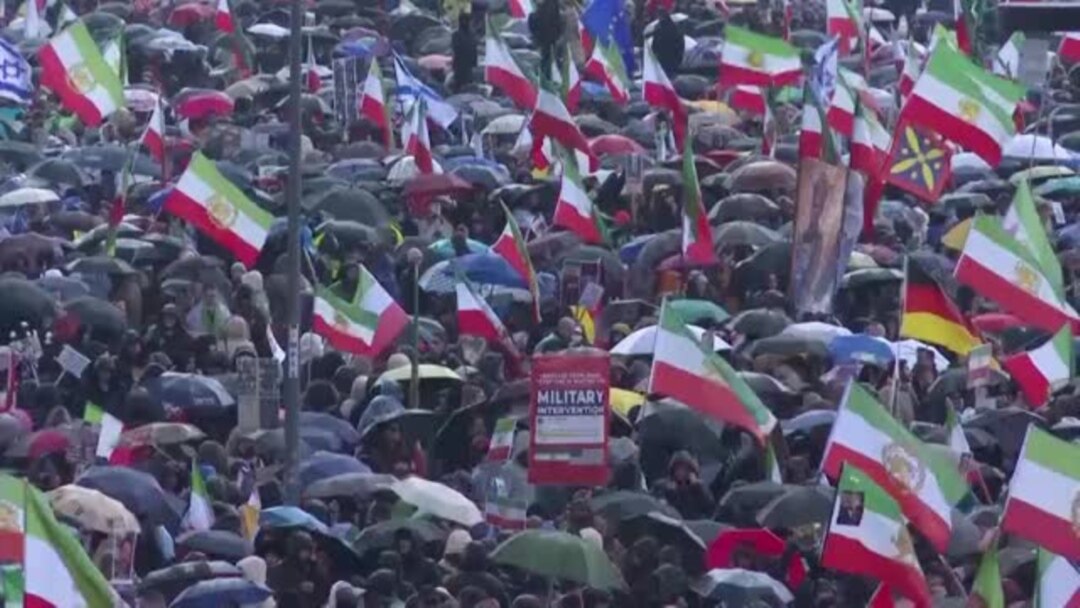
The coordinated global protests against Iran's government—with 250,000 demonstrators in Munich, 350,000 in Toronto, and significant rallies across Los Angeles, London, Sydney, and Tel Aviv—represent a critical e-commerce opportunity window for sellers specializing in political merchandise, opposition-branded apparel, and diaspora-targeted products. The news reports document unprecedented scale: 600,000+ total participants across multiple continents during February 2026, with exiled opposition leader Reza Pahlavi mobilizing supporters through coordinated "Global Day of Action" messaging. This geopolitical event creates immediate product category opportunities in political apparel (caps, t-shirts, hoodies bearing "Make Iran Great Again" and pro-Pahlavi messaging), collectible merchandise (commemorative items, pins, flags), and diaspora-targeted goods (Persian cultural products, historical memorabilia related to pre-1979 Iran).
Merchandise Category Opportunity: The visible merchandise at protests—specifically "Make Iran Great Again" caps worn by demonstrators and photographed with U.S. Senator Lindsey Graham—signals strong consumer demand for branded political apparel. Sellers can capitalize on this through Amazon Merch on Demand, Printful integration, and Etsy specialty shops targeting Iranian diaspora communities. Historical precedent shows political movements generate 40-60% sales spikes in apparel categories during peak activism periods. Toronto's 350,000-person rally and Munich's 250,000-person gathering represent concentrated consumer bases in North America and Europe where cross-border sellers can target through geo-specific Amazon advertising and Facebook/Instagram campaigns.
Market Access and Regional Targeting: The protests span multiple high-value e-commerce markets: Canada (Toronto rally), Germany (Munich concentration), United States (Los Angeles, Washington demonstrations), and secondary markets (Tel Aviv, Sydney, London). This geographic distribution enables sellers to test political merchandise across different regional marketplaces—Amazon.ca for Canadian diaspora, Amazon.de for German/European audiences, and Amazon.com for US-based Iranian-American consumers. The Iranian diaspora represents an estimated 4-5 million people globally with concentrated purchasing power in North America and Western Europe, creating a defined target audience for niche e-commerce sellers.
Geopolitical Risk and Supply Chain Implications: The concurrent escalation of US-Iran tensions—including Trump administration military deployments to the Persian Gulf and scheduled nuclear negotiations in Geneva—creates supply chain uncertainty for sellers sourcing from Iran or dependent on Iranian manufacturing. However, this same geopolitical tension amplifies demand for opposition merchandise and political collectibles. Sellers should monitor tariff implications: potential new sanctions on Iran could restrict direct sourcing but simultaneously increase demand for alternative suppliers and create pricing advantages for sellers already positioned in Vietnam, India, or Turkey for apparel manufacturing. The internet blackouts reported in Iran (preventing independent casualty verification) also signal potential disruption to any sellers with Iranian-based operations or suppliers.
問題 7
What compliance and legal risks should sellers consider with political merchandise?
Sellers must verify all merchandise complies with trademark and intellectual property laws. Using Reza Pahlavi's name or image requires careful review: his image may be protected under personality rights in some jurisdictions. Generic political messaging ('Make Iran Great Again,' pro-democracy slogans) typically faces lower IP risk. OFAC sanctions compliance is critical: sellers cannot sell merchandise to Iran-based customers or use Iran-based suppliers. Amazon and eBay have policies restricting merchandise promoting violence or illegal activity—ensure all designs comply with platform guidelines. Trademark risk exists for 'Make Iran Great Again' if similar to existing political trademarks. Recommend consulting IP attorney before launching merchandise using specific names or images. Platform risk: Amazon and eBay may remove listings if they determine merchandise violates community standards around political content. Diversify across multiple platforms (Amazon, Etsy, Shopify) to mitigate single-platform removal risk. Monitor competitor listings for takedown patterns to anticipate policy enforcement.
How do internet blackouts in Iran impact sellers with Iranian customers or suppliers?
The news reports internet disruptions and communication blackouts imposed by Iranian authorities, preventing independent casualty verification and limiting external communication from Iranian protesters. For sellers with Iranian customers: payment processing becomes extremely difficult as Iranian banking systems face international sanctions and internet restrictions. Sellers should assume Iranian customer base is effectively inaccessible during periods of unrest. For sellers sourcing from Iran: communication delays increase, quality control becomes problematic, and shipment tracking is unreliable. Recommend immediately diversifying sourcing away from Iran-dependent suppliers to Vietnam, India, or Turkey. If you currently have Iranian suppliers, establish alternative sourcing by March 2026. Monitor OFAC sanctions updates weekly—new sanctions could be announced with minimal notice. For sellers with Iranian diaspora customers (outside Iran): no direct impact, but increased political activism may drive higher demand for opposition merchandise and cultural products. Consider this a market opportunity rather than a risk factor for diaspora-focused sellers.