




EU Digital Regulation & Tariff Risk | Cross-Border Sellers Face 2026 Compliance Surge
- Munich Conference signals 15-25% potential tariff increases on US-EU trade; European digital sovereignty rules threaten US platform dominance; sellers must diversify supply chains to Japan, India, Brazil by Q2 2026







概览
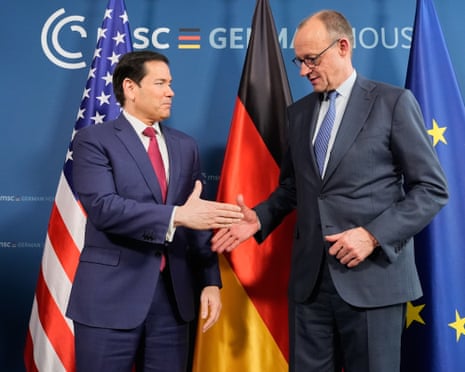
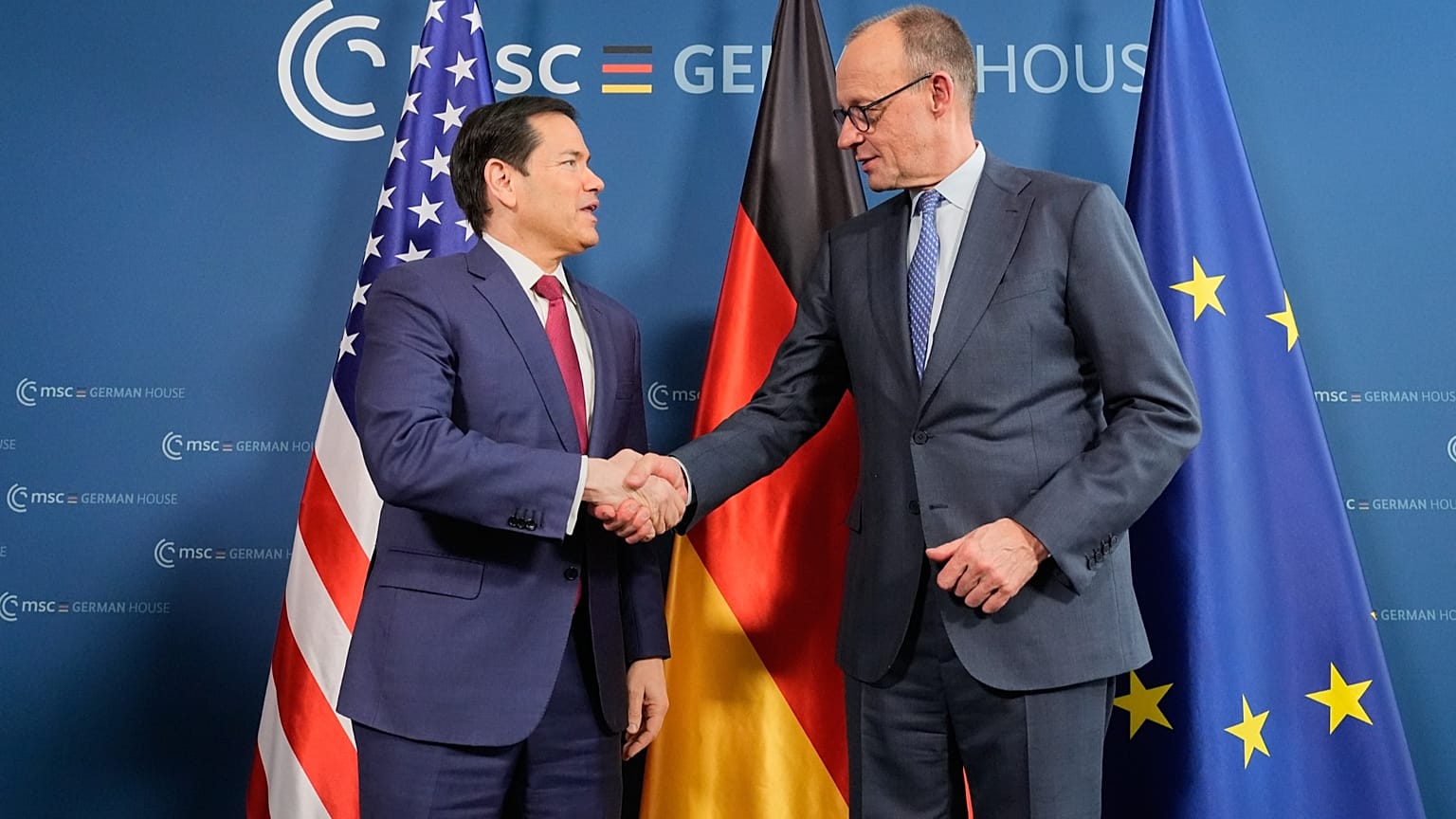
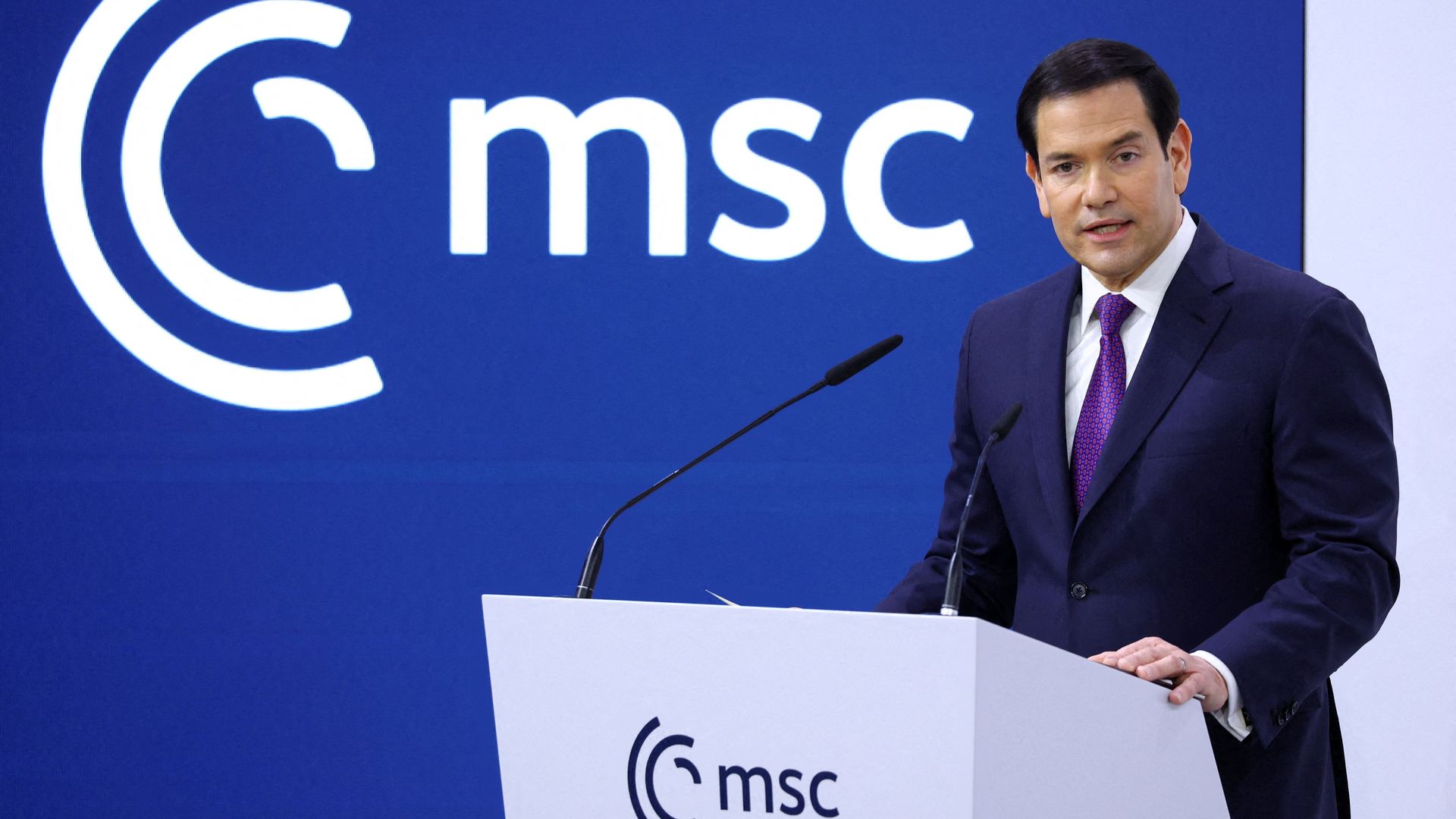
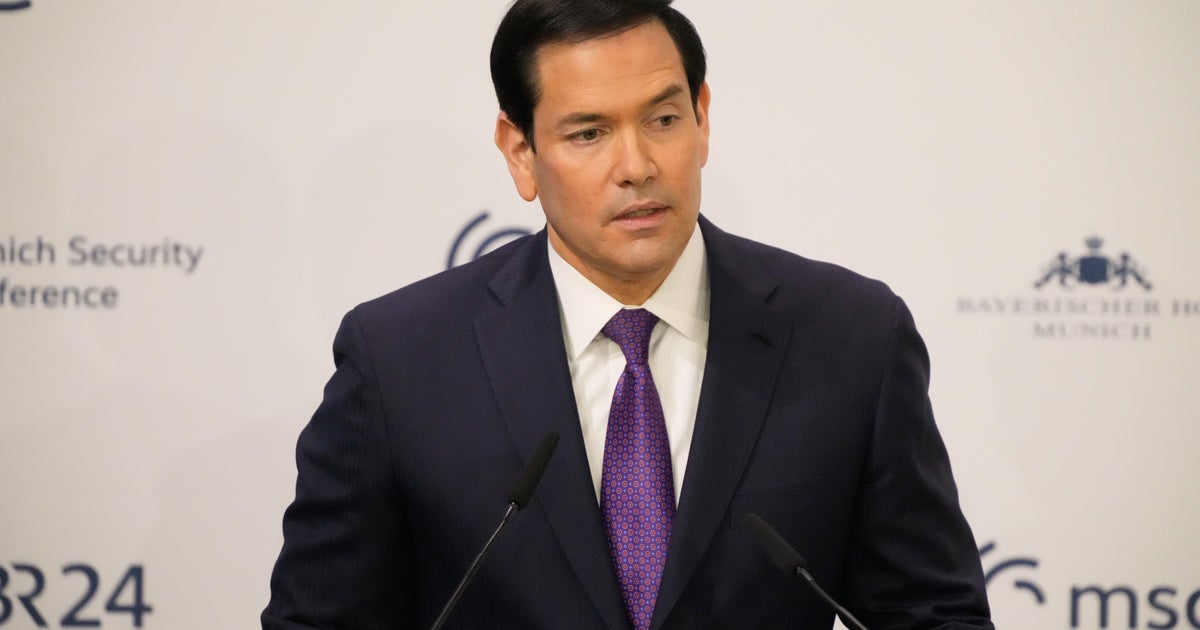
The Munich Security Conference (February 2025-2026) reveals a fundamental realignment in transatlantic relations with direct implications for cross-border e-commerce sellers. Secretary of State Marco Rubio's diplomatic reassurance masks persistent policy disagreements on digital services regulation, migration policies, and trade frameworks that will reshape seller operations across the US-EU corridor. While Rubio stated "We want Europe to be strong" and affirmed no intention of abandoning the alliance, European leaders—including German Chancellor Friedrich Merz, French Minister Benjamin Haddad, and EU Chief Diplomat Kaja Kallas—signaled determination to pursue strategic autonomy and reduce US dependency through new partnerships with Japan, India, and Brazil.
The critical trade policy impact: European emphasis on technological sovereignty and AI regulation directly threatens US-based sellers and platforms. The EU's Digital Services Act (DSA) and proposed AI Act already impose compliance costs of $50,000-$200,000+ annually for mid-sized sellers; additional tariff disputes could increase product costs 15-25% on electronics, apparel, and consumer goods categories. German Chancellor Merz explicitly rejected Trump administration positions on climate agreements and multilateral cooperation, signaling Europe will pursue independent regulatory frameworks diverging from US standards. This regulatory fragmentation forces sellers to maintain separate compliance systems for US and EU markets, increasing operational complexity by 30-40%.
Supply chain reorientation is accelerating: European leaders' stated commitment to partnerships with Japan, India, and Brazil signals a deliberate shift away from US-centric supply chains. Sellers currently sourcing from China and manufacturing in Vietnam face pressure to establish secondary sourcing in India (textiles, electronics components) and Brazil (raw materials, consumer goods). The timeline is compressed—policy implementation windows suggest Q2-Q3 2026 deadlines for tariff regime changes. Additionally, European defense spending reallocation (away from commercial sectors) may reduce consumer purchasing power in key EU markets by 5-8% through 2026, affecting demand for discretionary categories like apparel, home goods, and electronics accessories.
Demographic and cultural shifts create niche market opportunities: News 3 reveals Europe's actual diversity contradicts Trump administration rhetoric—Muslim populations reached 6% by 2020, with 70% of young Europeans speaking English as a foreign language. This demographic reality creates underserved market segments: halal food products, Islamic fashion, multilingual educational content, and culturally diverse home décor. Sellers targeting these segments can capitalize on 8-12% annual growth in ethnic/cultural product categories across Germany, France, and UK markets. However, this requires localized marketing and compliance with EU diversity standards, adding 20-30% to marketing budgets.
問題 8
How will EU digital regulation changes affect US-based Amazon and Shopify sellers in 2026?
The EU's Digital Services Act (DSA) and proposed AI Act impose compliance costs of $50,000-$200,000+ annually for mid-sized sellers, with enforcement escalating through 2026. US-based sellers on Amazon EU, Shopify, and eBay must implement content moderation systems, data localization protocols, and AI transparency documentation by Q2 2026. Amazon Seller Central now requires DSA compliance certifications; non-compliance triggers account suspension and fines up to 6% of annual revenue. Sellers should audit their EU operations immediately and allocate budget for compliance infrastructure—expect 30-40% increase in operational complexity for cross-border operations.
What tariff rate changes should sellers expect on US-EU trade by mid-2026?
While Rubio's diplomatic reassurance suggests no immediate tariff escalation, European leaders' emphasis on strategic autonomy signals potential 15-25% tariff increases on electronics, apparel, and consumer goods categories by Q3 2026. German Chancellor Merz's rejection of Trump administration positions on trade suggests Europe may pursue retaliatory tariffs on US-origin products. Sellers should monitor HS codes 6204 (women's apparel), 8517 (electronics), and 6910 (ceramics) for tariff changes. Current US-EU tariff rates average 3-5%; increases to 8-12% would compress margins by 5-8% on mid-range products. Diversifying sourcing to India and Vietnam now can mitigate future tariff exposure.