



Japan's Takaichi Victory Signals Trade Policy Shift | Sellers Face Tariff Uncertainty
- Political landslide creates 30-90 day window for tariff/trade policy clarity; sellers importing from/to Japan must monitor announcements for potential protectionist measures or market access changes





















概览
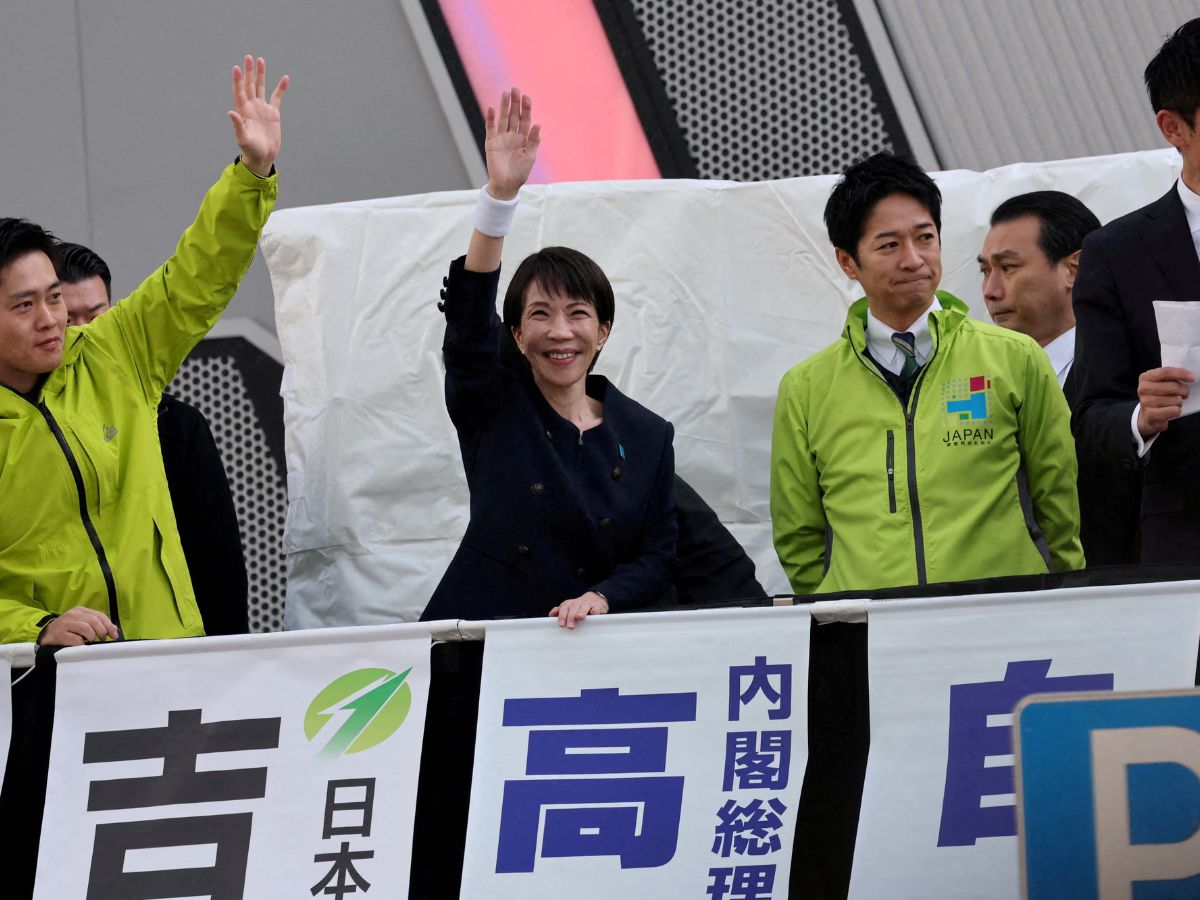
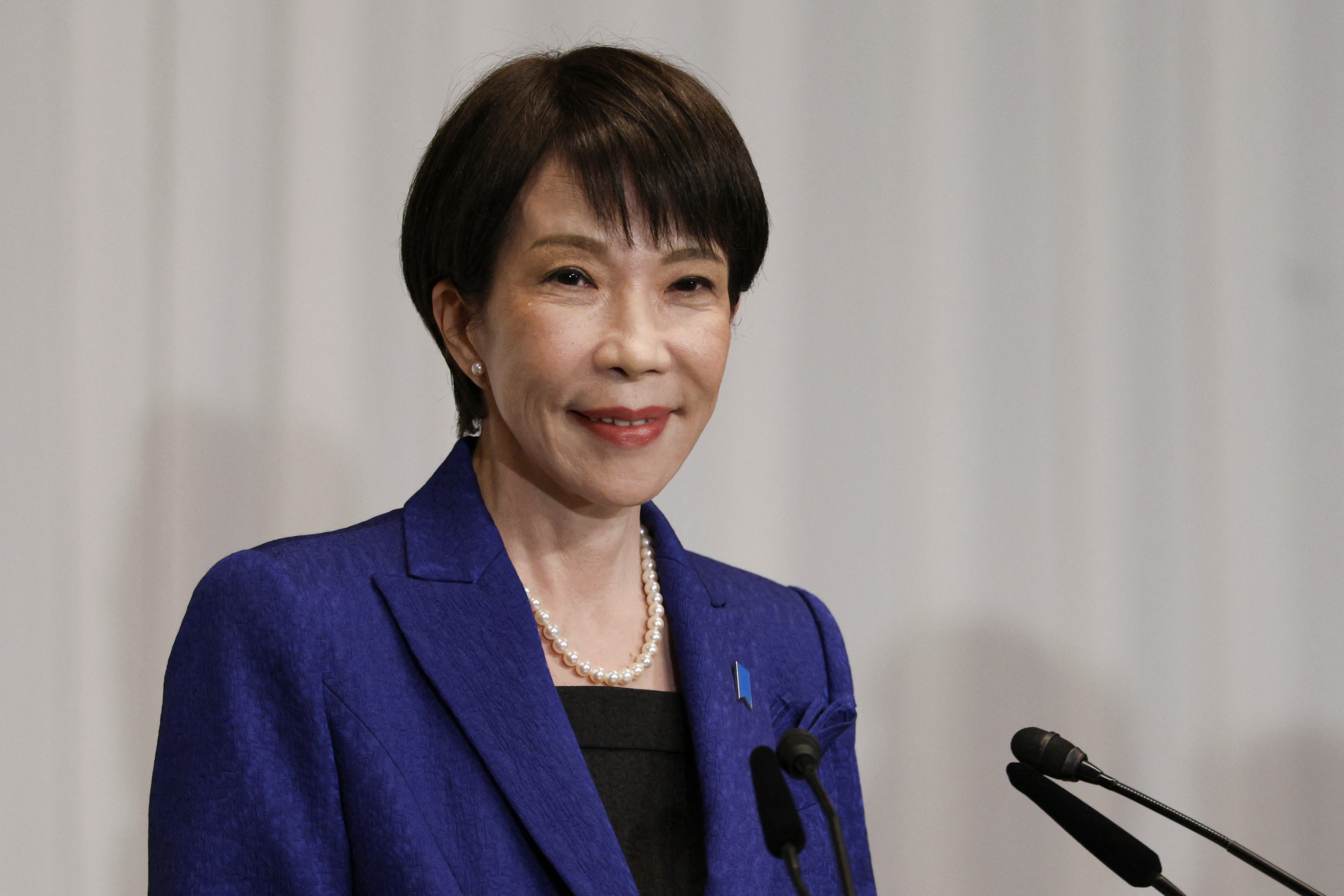
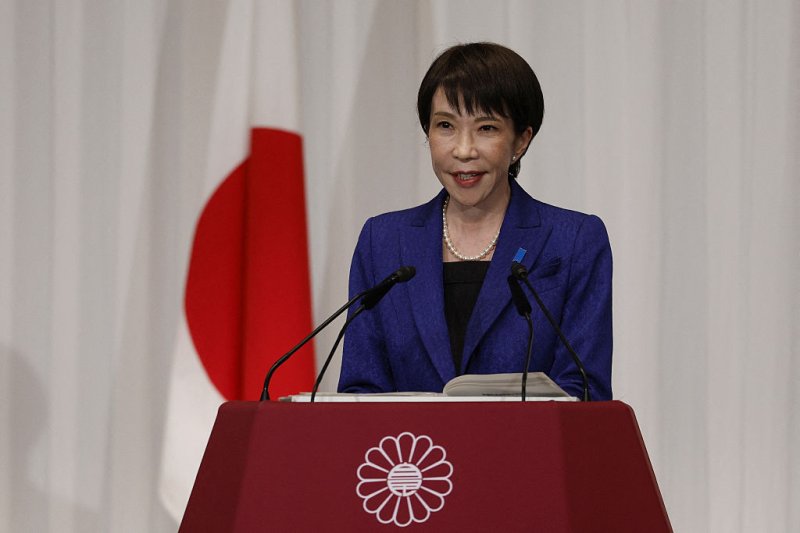
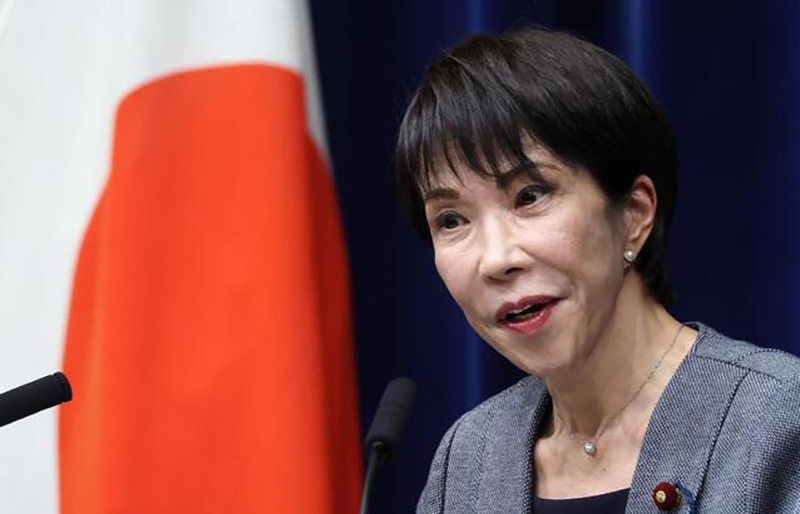
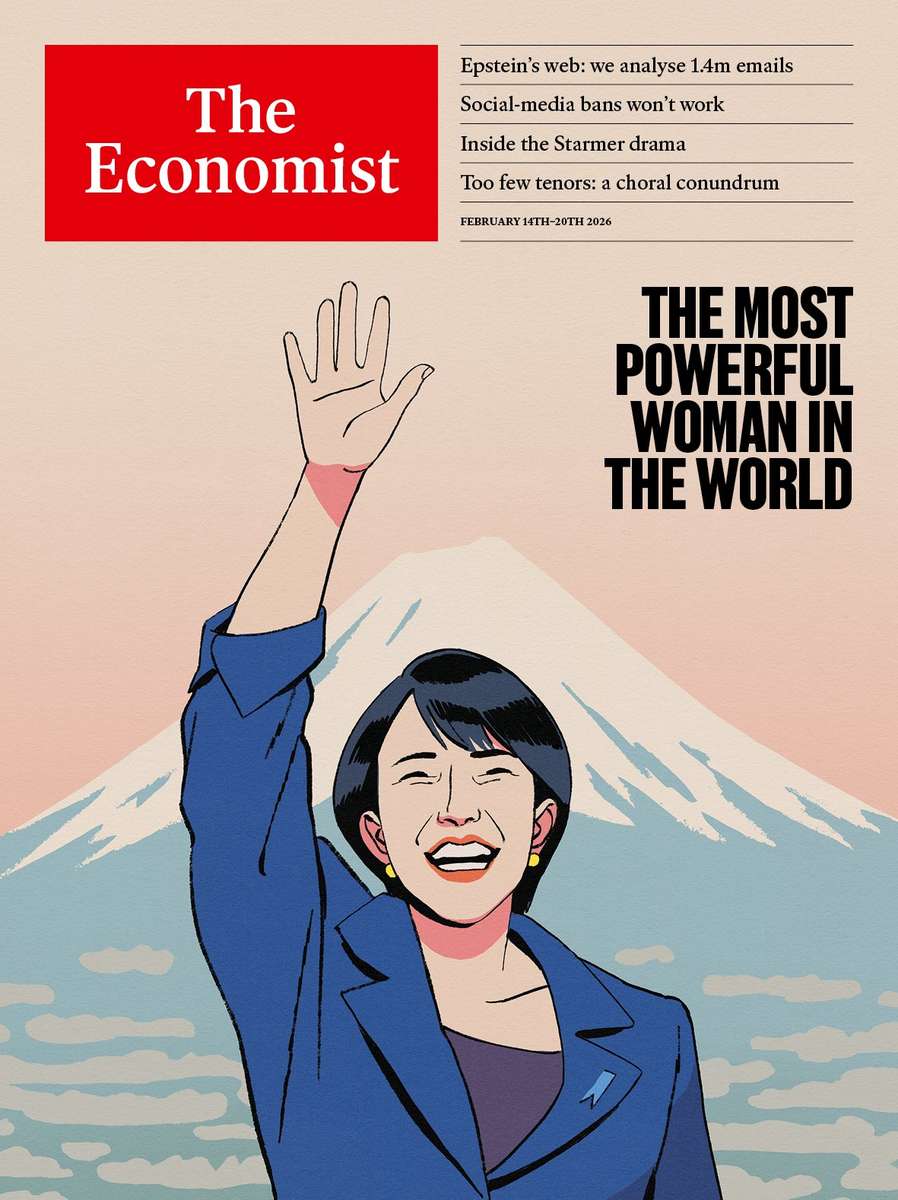
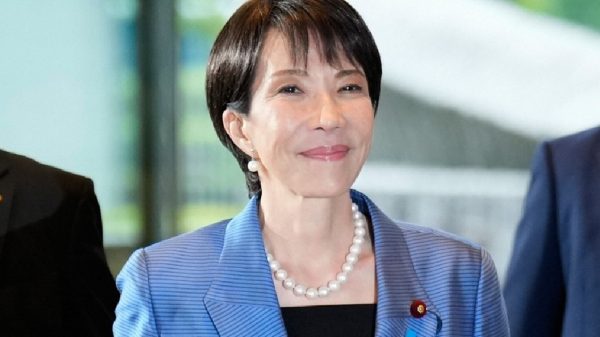
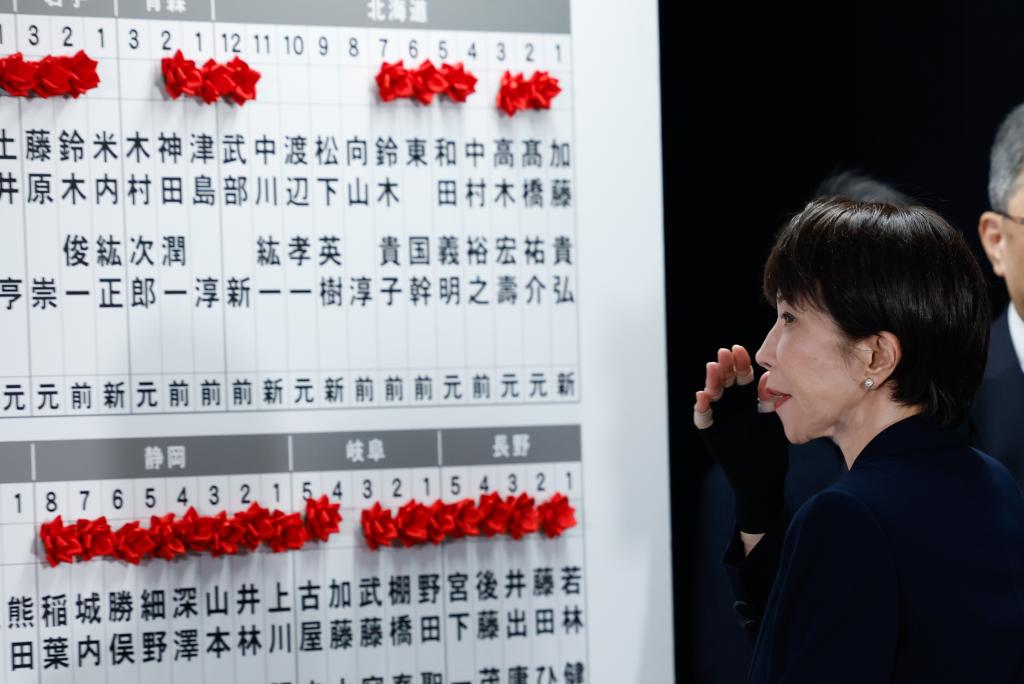
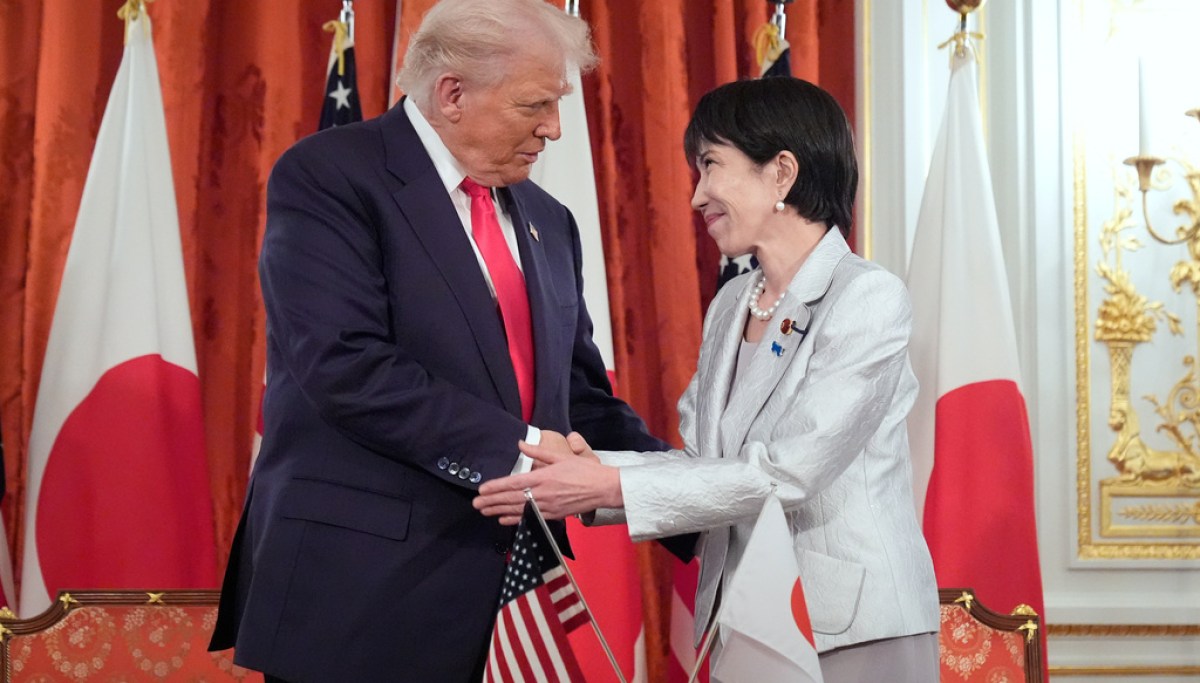
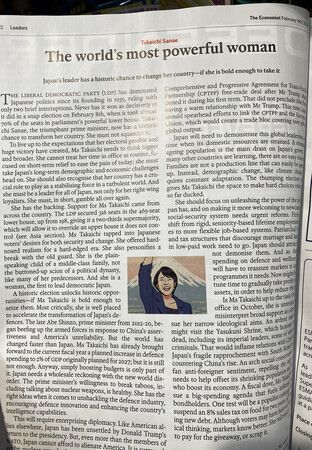
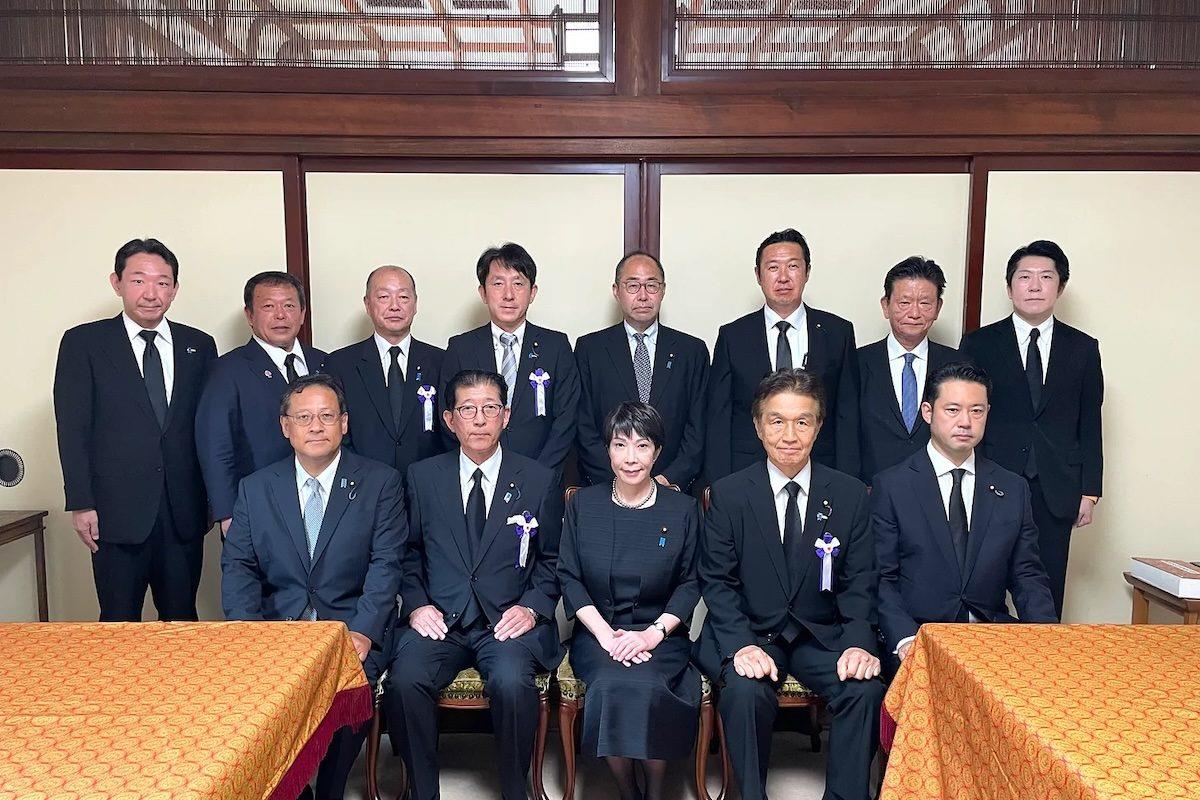
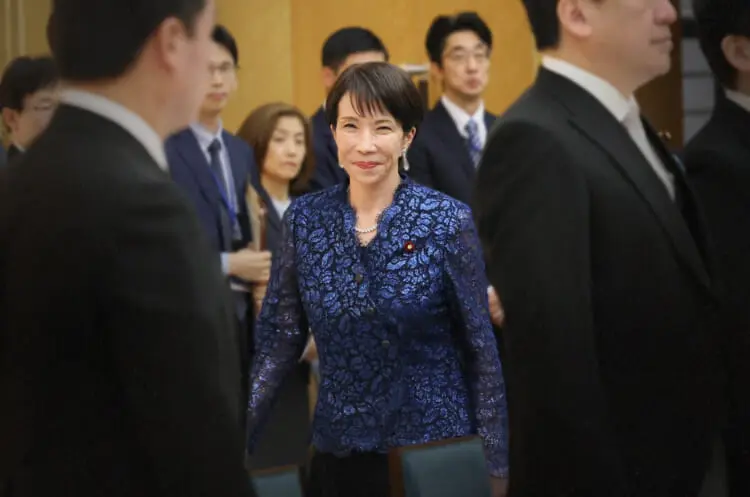
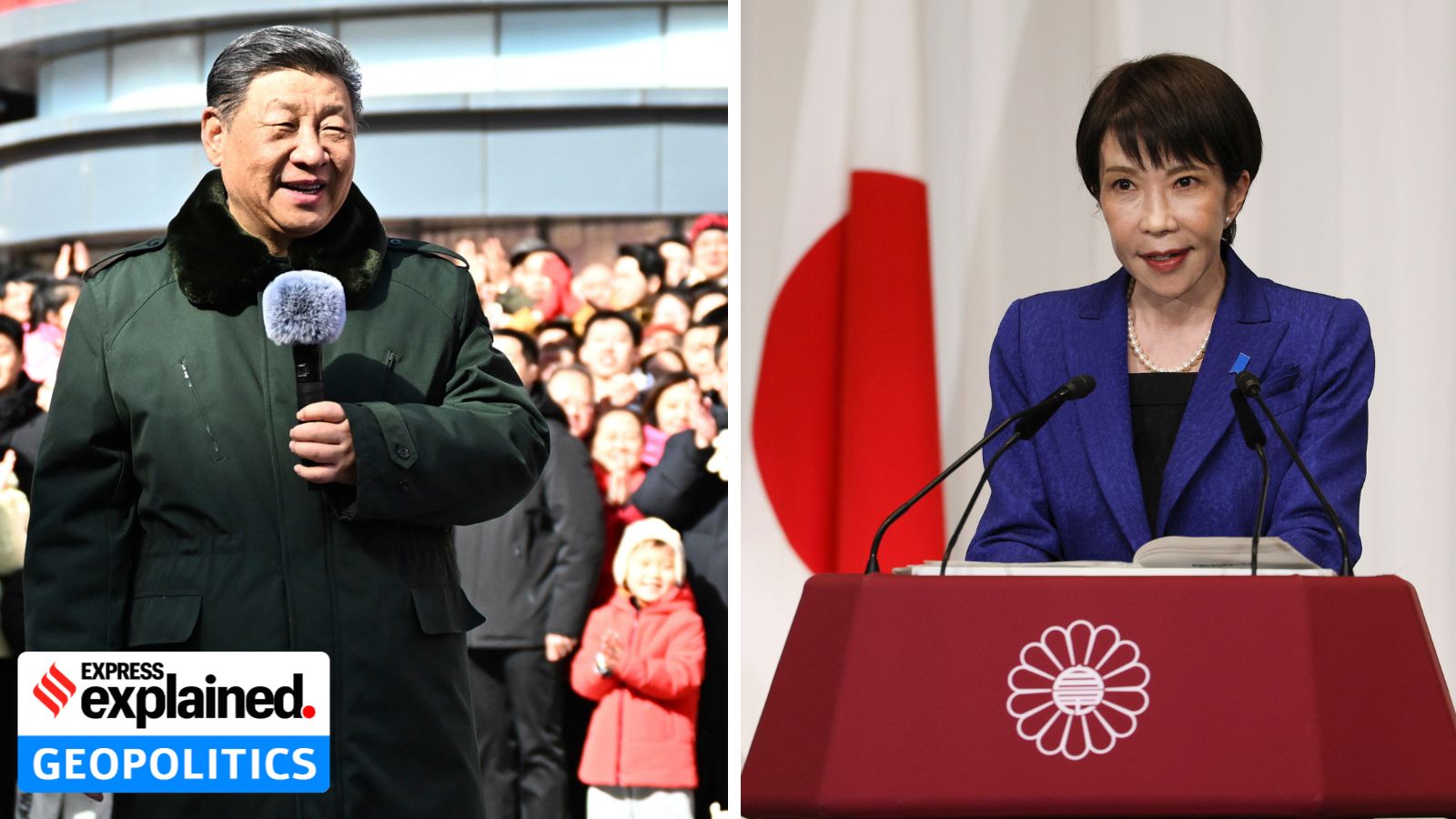
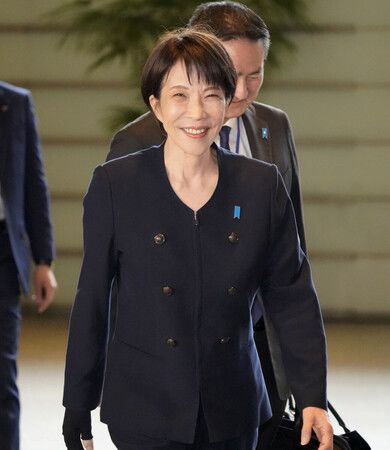
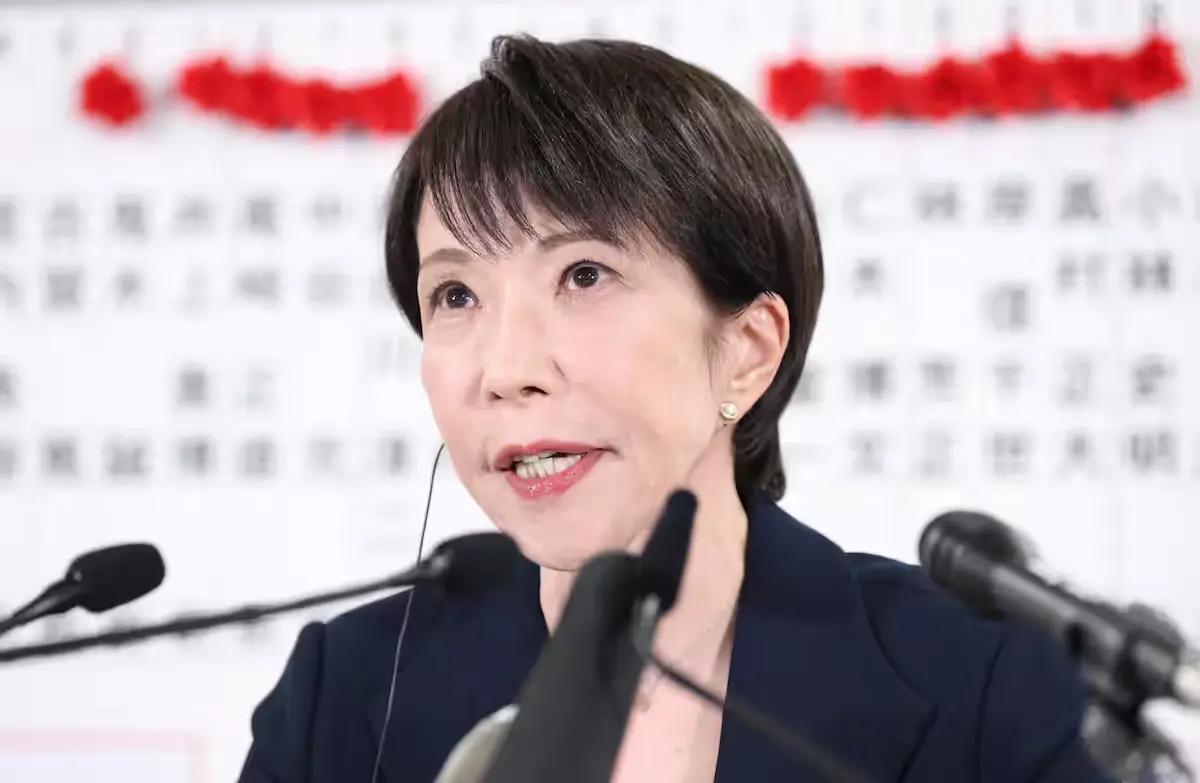
Prime Minister Sanae Takaichi's landslide election victory in February 2026 marks a critical inflection point for Japan's trade policy, directly impacting cross-border e-commerce sellers operating in or sourcing from the world's third-largest economy. The Financial Times reports that Japanese institutional investors are cautiously evaluating whether this political shift presents genuine trade opportunities or regulatory risks, with particular concern about potential protectionist measures and trade agreement modifications. Takaichi's campaign emphasized "economic nationalism" while simultaneously appealing to international investors through cultural messaging (anime references), creating mixed signals about Japan's future trade openness.
For cross-border sellers, this creates immediate tariff arbitrage opportunities and competitive risks. Japan's trade policies directly affect global supply chains—the country is both a major manufacturing hub (electronics, automotive components, precision instruments) and a $150B+ e-commerce market. Sellers importing Japanese products (electronics, collectibles, anime merchandise) face potential tariff increases if protectionist policies emerge. Conversely, sellers exporting to Japan may encounter new market access barriers or regulatory requirements. The 30-90 day window before policy announcements represents a critical period: sellers should audit their Japan-related inventory, sourcing agreements, and tariff classifications (HS codes) now before potential rate changes take effect.
Specific seller segments face differentiated impacts. Electronics sellers (HS codes 8471-8544) importing from Japan could see 5-15% tariff increases if nationalist policies prioritize domestic manufacturers. Anime/collectibles sellers benefit from Takaichi's cultural appeal strategy, suggesting potential market liberalization for pop culture products. Sellers with 3PL operations in Japan or manufacturing partnerships must monitor labor policy changes—economic nationalism often includes domestic employment protections that increase operational costs. The uncertainty itself creates opportunity: sellers who quickly diversify sourcing away from Japan (to Vietnam, India, Thailand) before tariff increases can capture 10-20% margin improvements versus competitors caught flat-footed.
Historical precedent matters here. Major Japanese electoral shifts (2012 Abe victory, 2009 DPJ transition) preceded significant trade policy announcements within 60-90 days. Investors' cautious positioning suggests they expect material policy changes affecting trade relationships and business regulations. This is not a "wait and see" moment—it's an active repositioning window where sellers can lock in current tariff rates, renegotiate supplier contracts, or shift inventory allocation before new policies take effect.
問題 8
What are the opportunities for sellers exporting to Japan's e-commerce market?
Japan's $150B+ e-commerce market represents significant opportunity, but Takaichi's mixed signals (economic nationalism + international investor appeal) create uncertainty about foreign seller market access. The Bloomberg article notes her 'openness to foreign business participation,' suggesting Japan's e-commerce platforms (Rakuten, Yahoo Shopping, Amazon.co.jp) may remain accessible. However, expect new regulatory requirements for foreign sellers—potentially including Japanese language customer service, local payment methods, or product certification standards. Sellers should prioritize categories with strong cultural appeal (anime, gaming, fashion) where Takaichi's strategy suggests openness. Budget 2-4 weeks for new compliance requirements; avoid major Japan market entry until post-April 2026 policy clarity.
How should sellers adjust pricing strategy for Japan-sourced products?
If tariff increases materialize (5-15% range expected), sellers must decide whether to absorb costs or pass through to customers. Current Japan-sourced product margins typically range 25-40% for electronics, 35-50% for collectibles. A 10% tariff increase reduces margins by 2.5-5 percentage points, potentially making products uncompetitive on Amazon or eBay. Sellers should model three scenarios: (1) absorb tariff increase and reduce margin, (2) increase retail price 5-8% and accept lower sales volume, (3) switch to alternative sourcing. The Financial Times reports 'currency fluctuations' as investor concern—JPY weakness could offset tariff increases, or JPY strength could compound them. Monitor JPY/USD exchange rates weekly; a 10% JPY appreciation combined with 10% tariff increase creates 20% cost pressure requiring immediate pricing action.