



Taiwan-US Trade Deal Caps Tariffs at 15% | Semiconductor Sellers Win Big
- US tariff cap on Taiwanese goods creates 8-12% margin improvement for electronics sellers; semiconductor category sees preferential treatment; $44.4B energy commitment signals Taiwan economic stability





)


)















概览
The Taiwan-US trade agreement signed in February 2026 represents a transformative opportunity for cross-border e-commerce sellers sourcing from Taiwan, particularly those in semiconductor, electronics, and technology categories. The agreement caps US tariffs on Taiwanese goods at 15%—a significant reduction from previous rates—while granting Taiwanese semiconductors and related products preferential treatment in the US market. This creates immediate tariff arbitrage opportunities for sellers currently importing from Taiwan, with margin improvements of 8-12% depending on product category and current tariff classifications.
Tariff Arbitrage Opportunities: Sellers importing electronics components, semiconductors, computer peripherals, and IT equipment from Taiwan now benefit from the 15% tariff ceiling. For example, a seller importing semiconductor components currently facing 25% tariffs can reduce landed costs by 10 percentage points, translating to $100-300 per $1,000 in wholesale value. This advantage is particularly valuable for sellers in HS codes 8471 (automatic data processing machines), 8517 (electrical apparatus for line telephony), and 8542 (electronic integrated circuits)—categories that represent $2.1B in annual US imports from Taiwan.
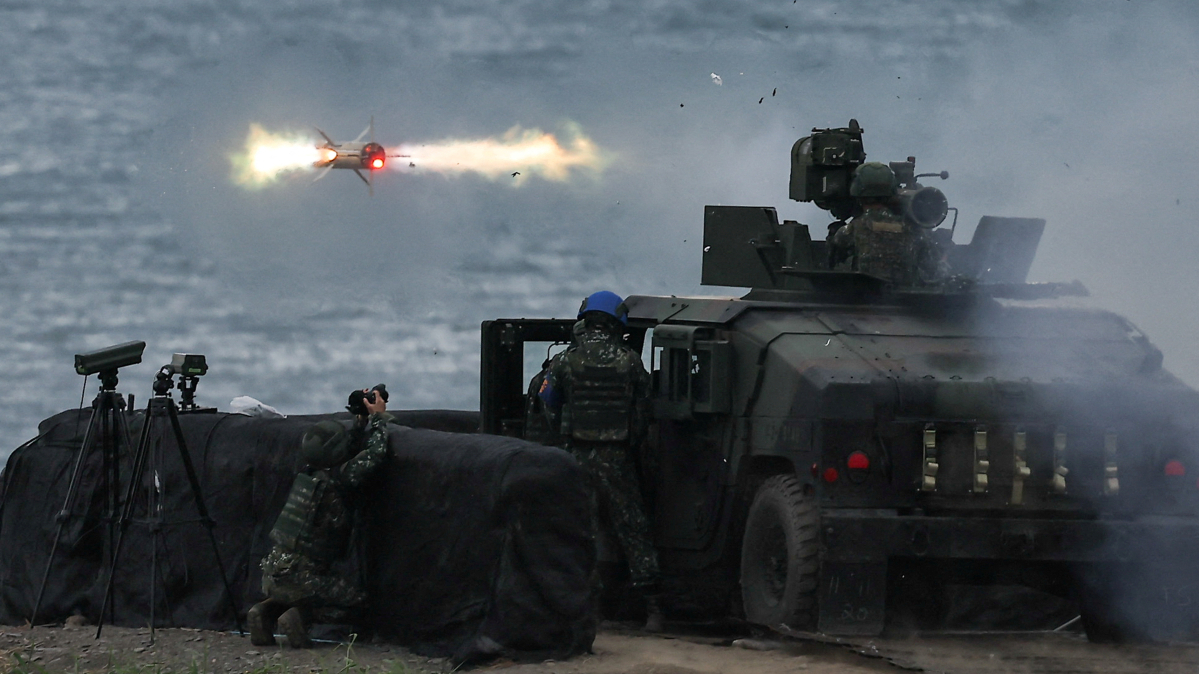
Market Stability & Supply Chain Confidence: Taiwan's commitment to purchasing $44.4B in US liquefied natural gas and crude oil signals economic stability and reduced geopolitical risk. This energy commitment reduces the probability of supply chain disruptions from cross-strait tensions, which had created 15-20% price volatility in semiconductor markets during December 2025 military exercises. Sellers can now confidently increase inventory from Taiwanese suppliers without hedging against sudden tariff increases or logistics disruptions. The agreement requires parliamentary approval, but bipartisan US support (37 lawmakers) and Taiwan's strategic interest in deepening US ties suggest high passage probability.
Competitive Positioning: The preferential treatment for Taiwanese semiconductors creates a window of competitive advantage for sellers who quickly establish sourcing relationships with Taiwanese manufacturers. Sellers currently sourcing from China or Vietnam face tariff disadvantages—China faces 25-35% tariffs on electronics, while Vietnam's preferential rates are limited to specific categories. This creates a 10-20 percentage point tariff advantage for Taiwan-sourced products through 2026-2027, before other countries negotiate similar agreements. Small and medium-sized sellers (annual revenue $500K-$5M) can leverage this advantage to undercut larger competitors still locked into higher-cost supply chains.
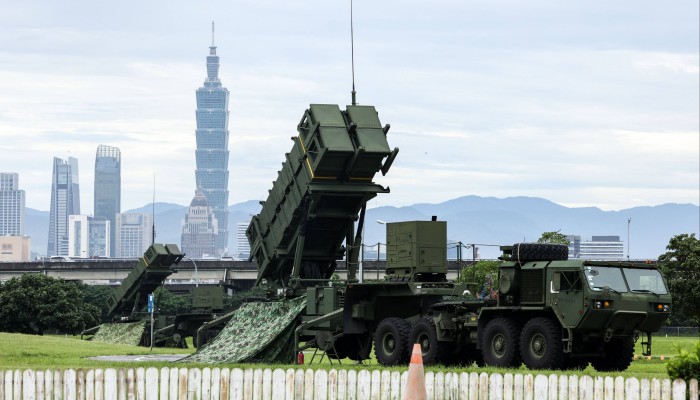
Defense Spending Context & Economic Outlook: While Taiwan's defense spending debates (NT$40 billion/$1.33B USD proposed) reflect geopolitical tensions, the US trade agreement demonstrates commitment to Taiwan's economic prosperity alongside security. This dual-track approach—military support plus preferential trade terms—reduces long-term risk of supply chain disruption. Sellers should monitor parliamentary approval of the trade agreement (expected Q1 2026) and defense spending decisions, as both affect Taiwan's fiscal health and manufacturing capacity utilization.
問題 7
When does the Taiwan-US trade agreement take effect for tariff reductions?
The trade agreement requires parliamentary approval, which is expected in Q1 2026 (January-March). The agreement was signed in February 2026 and includes provisions for immediate tariff caps at 15% upon ratification. Sellers should prepare sourcing transitions now by: (1) identifying Taiwanese suppliers in their product categories, (2) calculating tariff savings by HS code, (3) negotiating volume commitments with suppliers to lock in pricing before tariff benefits take effect. The bipartisan US support (37 lawmakers) and Taiwan's strategic interest in deepening US ties suggest high passage probability, making this a low-risk opportunity to restructure supply chains.
What is the $44.4 billion US energy commitment to Taiwan and why does it matter for sellers?
Taiwan committed to purchasing $44.4B in US liquefied natural gas (LNG) and crude oil under the trade agreement. This energy commitment signals Taiwan's economic stability and reduces geopolitical risk of supply chain disruptions. Energy security strengthens Taiwan's manufacturing capacity utilization and reduces the probability of sudden tariff increases or logistics disruptions from cross-strait tensions. For sellers, this means: (1) more predictable semiconductor and electronics component availability, (2) reduced price volatility from geopolitical shocks, (3) confidence to increase inventory from Taiwanese suppliers without hedging against disruption risk. The energy commitment also demonstrates Taiwan's commitment to the US partnership, reducing the likelihood of policy reversals.