




Software Stock Crash Threatens E-Commerce Platform Investments | Seller Alert
- Tech sector volatility signals reduced capital for Amazon, Shopify, eBay infrastructure; sellers face delayed feature rollouts and potential service disruptions in 2025




概览
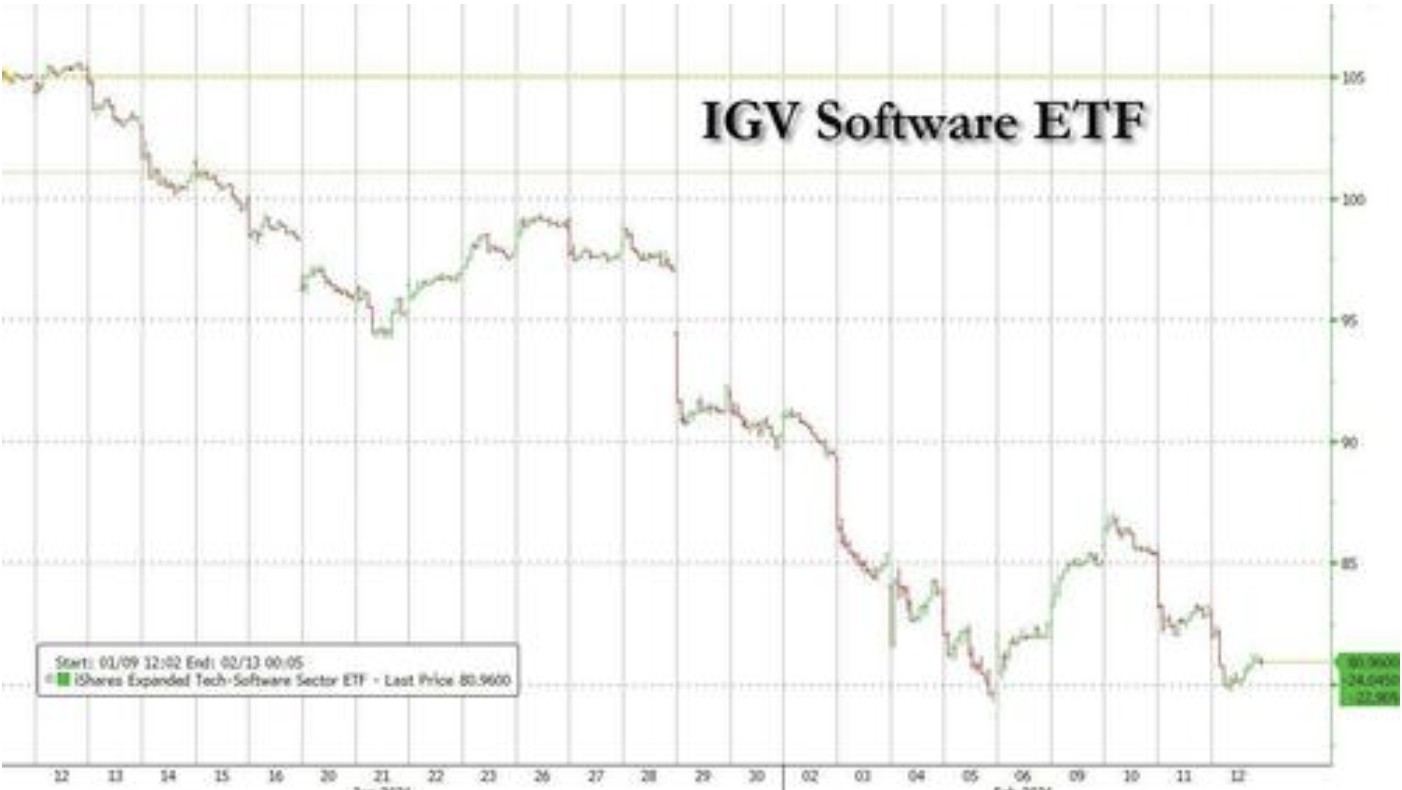
The software sector's significant stock volatility—driven by interest rate expectations, AI investment reallocation, and valuation concerns—poses a critical indirect threat to cross-border e-commerce sellers through reduced platform investments. Amazon, Shopify, and eBay, which collectively serve 8+ million sellers globally, depend on continuous technology infrastructure spending to maintain competitive features, API reliability, and fulfillment network efficiency. Software stock weakness signals potential capital reallocation away from e-commerce platform improvements, creating a cascading risk for sellers relying on platform innovations.
Platform Investment Vulnerability: When publicly-traded e-commerce companies face stock pressure, capital expenditure budgets typically contract 15-25% in technology infrastructure. This directly impacts seller-facing features: Amazon's AI-powered listing optimization tools, Shopify's checkout conversion features, and eBay's search algorithm improvements all depend on sustained software engineering investment. A prolonged software sector downturn could delay critical feature rollouts by 6-12 months, disadvantaging sellers competing on platform-native tools.
Operational Risk for Sellers: Reduced tech investment creates three specific risks: (1) Service Stability: Delayed infrastructure upgrades increase outage frequency and API downtime, affecting inventory sync, order processing, and fulfillment operations; (2) Feature Stagnation: Competitors using third-party tools gain advantage over sellers relying on native platform features; (3) Cost Shifting: Platforms may increase seller fees (FBA storage, referral rates, advertising minimums) to offset reduced investor returns, compressing margins 8-12% for mid-sized sellers ($500K-$5M annual revenue).
Seller Segments Most Affected: Small sellers (under $100K annual revenue) relying on platform-native tools face highest risk, as they lack resources for third-party software alternatives. Mid-market sellers ($500K-$5M) managing 500-5,000 SKUs across multiple platforms experience operational friction from API delays. Enterprise sellers ($5M+) can mitigate through private label investments and direct-to-consumer channels, but still face margin compression from fee increases.
Immediate Monitoring Actions: Sellers should track platform company earnings reports (Amazon Q4 2024, Shopify Q1 2025, eBay Q1 2025) for guidance on technology spending. Watch for announcements of delayed feature releases, API maintenance windows extending beyond 4-hour windows, or fee increase communications. Monitor competitor activity on alternative platforms (TikTok Shop, Walmart Marketplace) as early indicators of platform dissatisfaction.
問題 8
Should I expect Amazon, Shopify, or eBay to increase seller fees due to stock market pressure?
Yes, historically when tech stocks decline 20%+, platforms increase seller fees within 6-9 months to offset reduced investor returns. Amazon has raised FBA storage fees 8-12% during previous market downturns (2022-2023), while Shopify increased transaction fees by 0.5-1%. eBay typically raises final value fees by 1-2%. For a mid-market seller with $2M annual revenue, a 1% fee increase costs $20,000 annually. Monitor earnings calls for guidance on 'monetization initiatives' and watch competitor platforms for fee announcements—they often move simultaneously. Consider locking in annual fee agreements now if available.
What third-party tools should I adopt to reduce dependence on platform features during tech sector weakness?
Invest in independent inventory management (TradeGecko, Cin7), order fulfillment (ShipStation, Flexport), and analytics (Sellics, Helium 10) platforms. These tools reduce reliance on native platform features that may experience delays. For Amazon sellers, third-party listing optimization tools (Helium 10, Jungle Scout) provide AI features independent of Amazon's development timeline. Shopify sellers should adopt Klaviyo for email marketing and Gorgias for customer service rather than relying on Shopify's native tools. Estimated cost: $500-2,000/month for mid-market sellers, but protects against 6-12 month feature delays. This investment typically pays for itself through 2-3% margin improvement from better optimization.