






AI Disruption Panic Crashes Tech Stocks 23% | Logistics Vendors Face Instability Risk
- Tech-Software ETF down 23% since January 2026; freight logistics stocks drop 19% on unproven AI claims; vendor instability threatens seller tools for pricing, inventory, and customer service automation





概览
The February 2026 AI disruption panic represents a critical inflection point for e-commerce sellers relying on technology infrastructure. Bloomberg's analysis found AI risk mentions in corporate earnings calls nearly doubled compared to the previous quarter, triggering a 23% decline in the iShares Expanded Tech-Software Sector ETF since January 1, 2026—with only 15 of 114 stocks trading in positive territory. More dramatically, on February 12, 2026, a former karaoke equipment manufacturer (Algorhythm Holdings, market cap below $3 million) announced unproven AI logistics software, sparking a 19% average decline in freight logistics stocks including J.B. Hunt Transport Services and triggering billions in investor losses. This sentiment-driven correction directly threatens seller stability across three critical operational areas: AI-powered pricing optimization tools (vendors like Repricing software providers face funding uncertainty), inventory management systems (automated forecasting platforms may reduce R&D investment), and customer service automation (chatbot and support platforms experiencing investor skepticism).
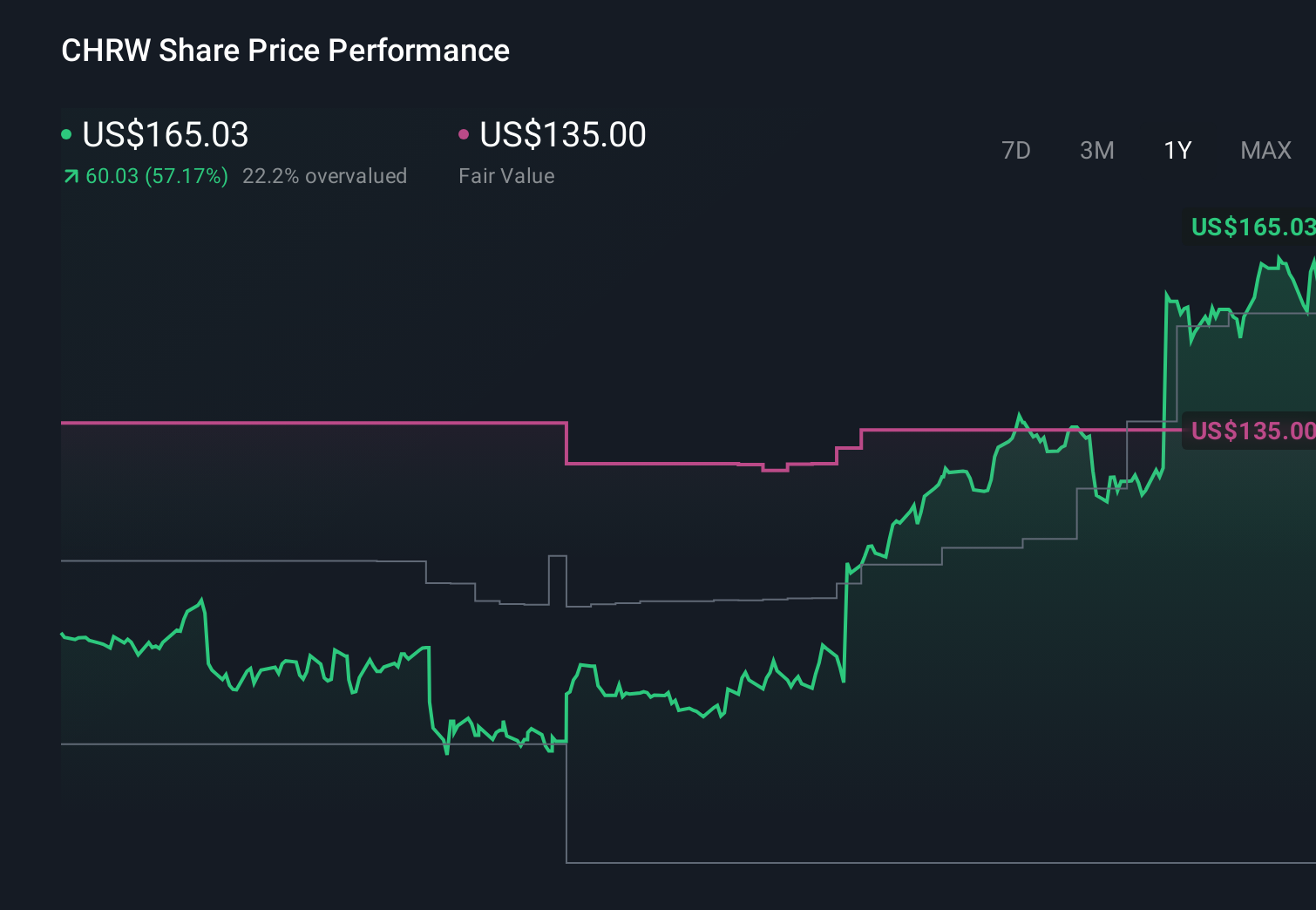
The market psychology shift from "glass-half-full" AI optimism to "shoot-first-ask-questions-later" disruption fears creates immediate vendor risk for sellers. According to Steve Sosnick at Interactive Brokers, this represents a fundamental reversal in investor sentiment after three years of AI enthusiasm. While credit market analysis (C.H. Robinson Worldwide's bonds remained stable despite 15% equity losses) suggests these declines are sentiment-driven rather than fundamentally justified, the practical impact is real: SaaS vendors providing e-commerce infrastructure face reduced venture capital availability, potential service disruptions, and pricing increases to offset investor losses. Morgan Stanley analyst Bob Jian Huang notes that larger commercial businesses will likely use AI to enhance rather than replace services—a critical distinction for sellers. The Algorhythm incident specifically demonstrates how speculative technology announcements from unproven vendors can disproportionately influence investor sentiment, even when lacking operational partnerships or client implementations.
For e-commerce sellers, the immediate risk is vendor consolidation and service disruption in the 6-18 month window. Sellers currently using AI tools for dynamic pricing (which can increase margins 3-8%), inventory forecasting (reducing stockouts by 15-25%), and customer service automation (cutting response times 40-60%) should immediately audit vendor financial stability and contract terms. The broader software sector decline suggests reduced funding for innovation, potentially freezing feature development and increasing subscription costs as vendors prioritize profitability over growth. Sellers should document current tool performance baselines, identify backup vendors, and negotiate multi-year pricing locks before vendor consolidation accelerates. The positive signal: retail investors aggressively buying software ETF dips suggests potential market stabilization ahead, indicating this correction may be temporary. However, the 80% decline in Duolingo shares (from $500+ in May 2025) demonstrates that even established tech companies face severe valuation compression, suggesting sellers should expect 12-24 months of vendor uncertainty before market normalization.
問題 7
Will AI tools become more expensive or cheaper after this market correction?
Short-term (6-12 months): **More expensive**. Vendors will raise prices to offset investor losses and improve profitability as venture capital dries up. Expect 15-25% price increases for smaller SaaS vendors. Long-term (12-24 months): **Cheaper and better**. Market consolidation will reduce vendor count, but survivors will have stronger balance sheets and lower customer acquisition costs, allowing them to offer better pricing. Additionally, larger vendors (Amazon, Shopify) will integrate AI features natively, creating competitive pressure on standalone vendors. The optimal strategy: lock in current pricing for 24-36 months now, before increases hit. This protects you from short-term price hikes while positioning you to benefit from long-term consolidation and improved features. Sellers who negotiate now will save 20-30% compared to those who wait until Q3-Q4 2026.
How can I use this market correction to negotiate better vendor pricing?
The market correction creates a 6-12 month window for aggressive vendor negotiations. Vendors facing reduced venture capital availability and investor pressure are motivated to lock in long-term contracts and improve customer retention. Strategy: (1) Request 20-30% discounts on multi-year contracts (vendors will accept to secure cash flow); (2) Negotiate service level agreements (SLAs) with uptime guarantees and penalty clauses; (3) Lock in pricing for 24-36 months before vendors raise rates to offset investor losses; (4) Request data export guarantees and transition support if the vendor is acquired or shuts down. Timing is critical—vendors' desperation peaks in Q2-Q3 2026 as funding dries up. By Q4 2026, survivors will have consolidated and raised prices. Act now to secure favorable terms before the market stabilizes.