


EU Ukraine Membership Uncertainty | Eastern European E-Commerce Market Expansion Delayed
- Indefinite EU accession timeline creates 18-36 month supply chain planning window for sellers targeting 40M+ Ukrainian consumers























概览
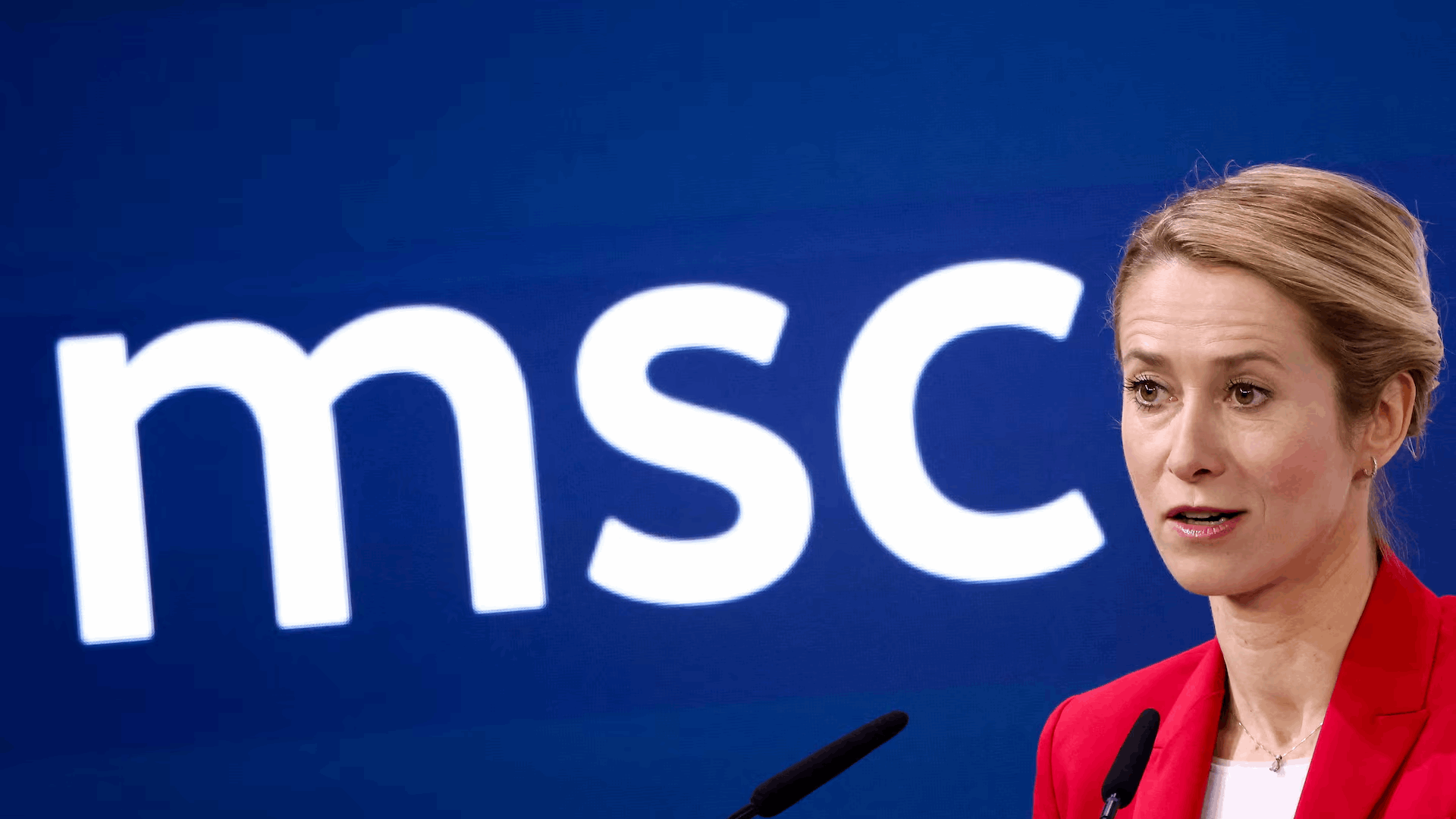
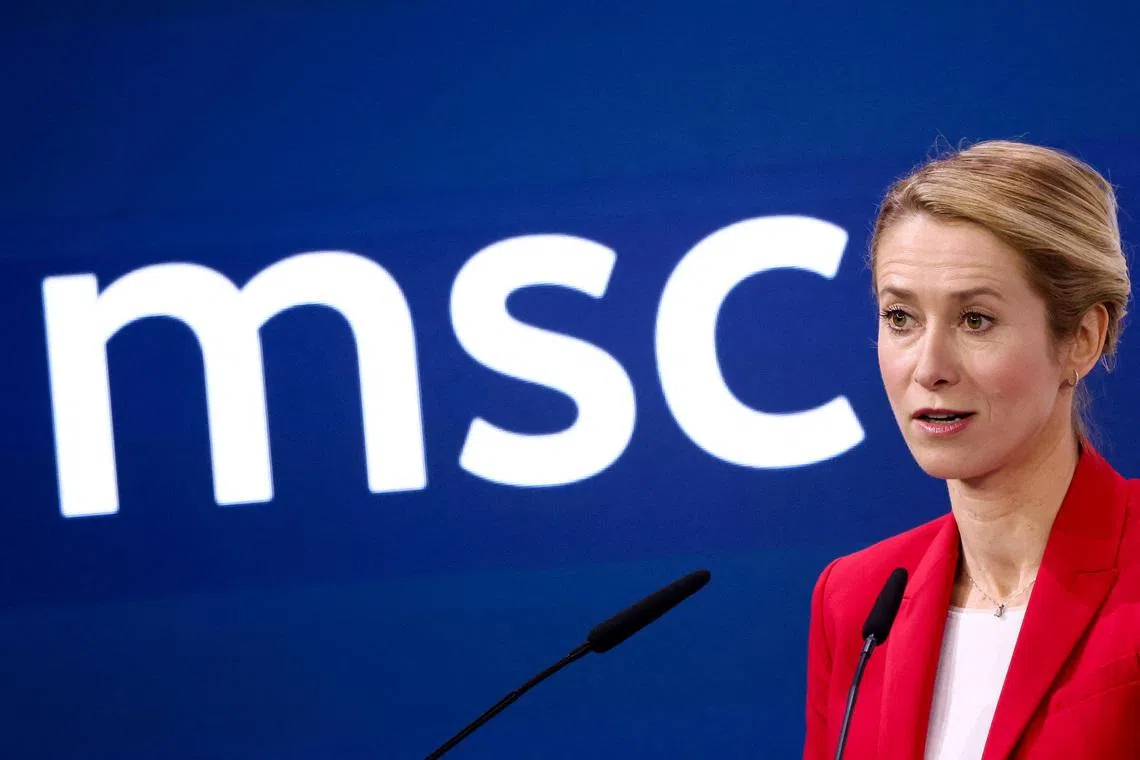
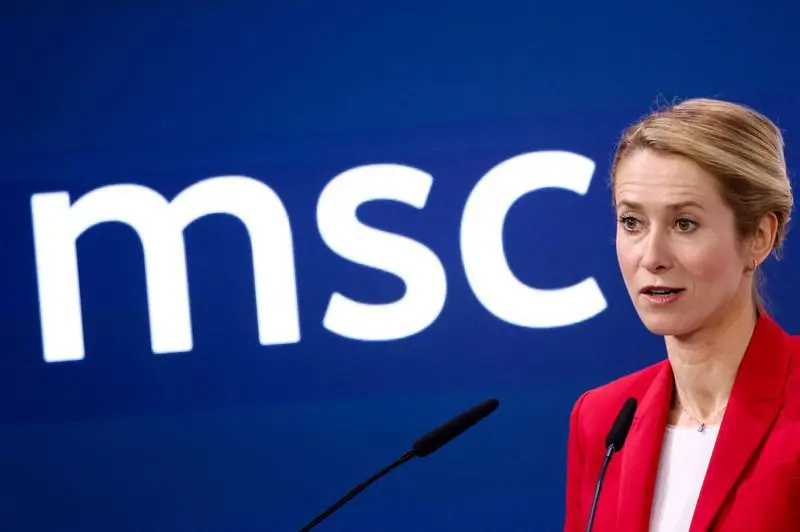
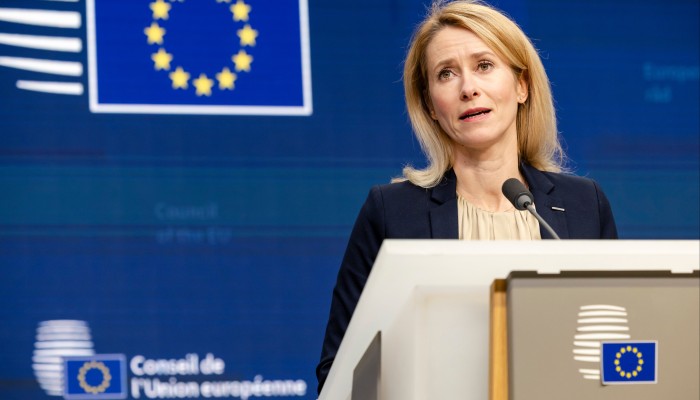
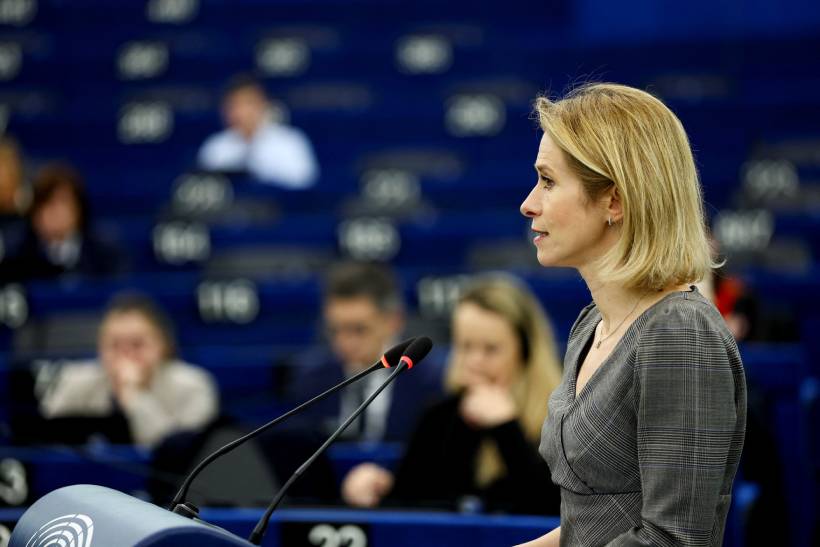
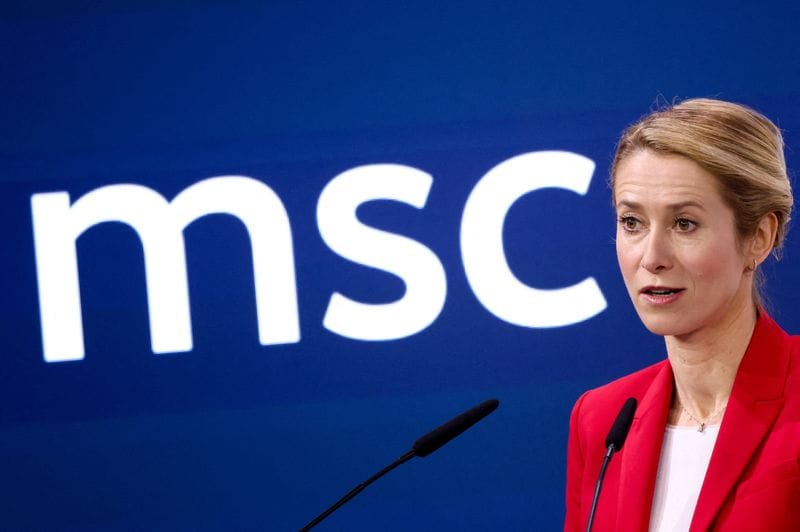
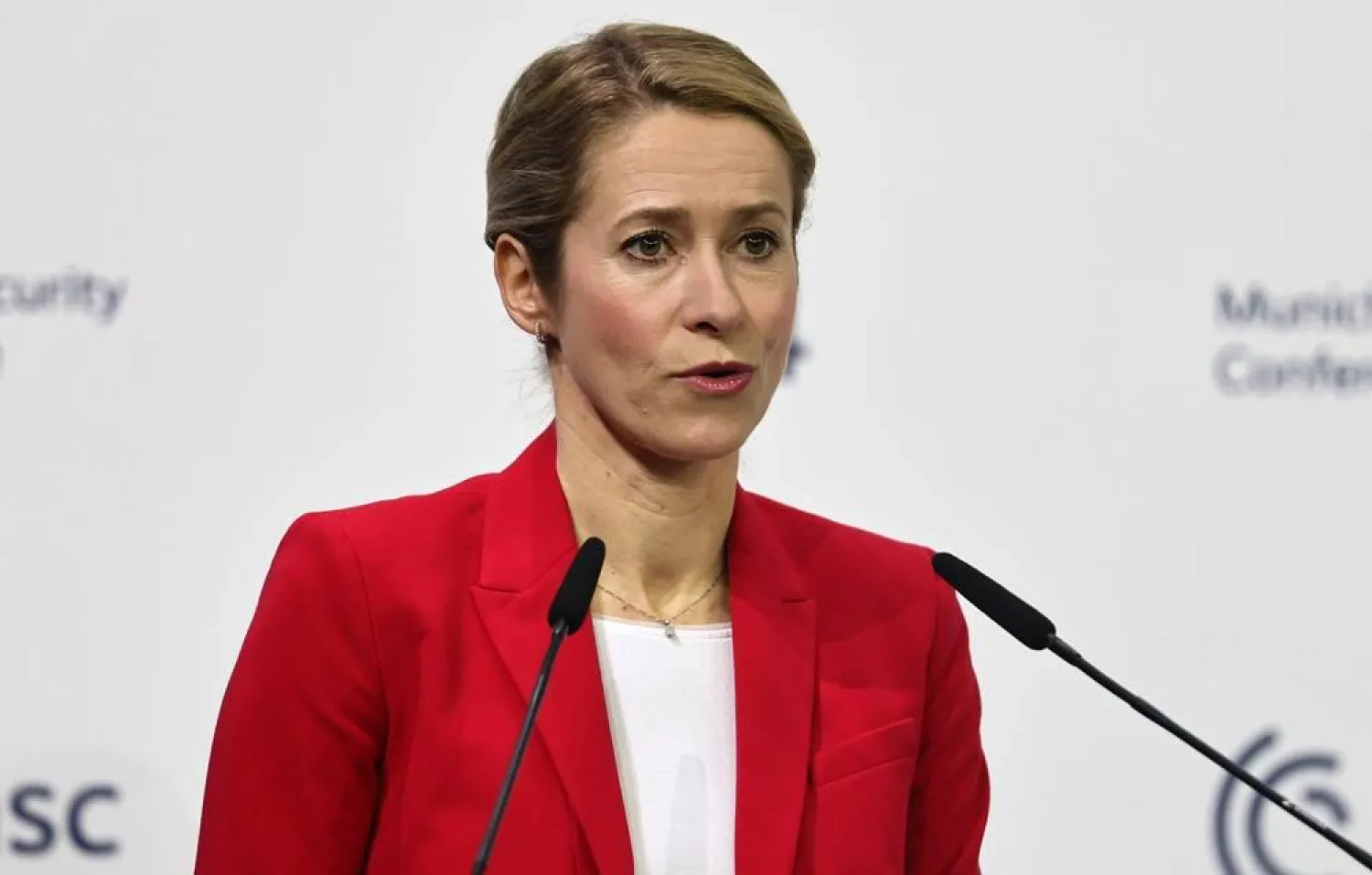
The EU's February 2026 decision to withhold a concrete Ukraine membership date fundamentally reshapes cross-border e-commerce strategy for sellers targeting Eastern European markets. EU High Representative Kaja Kallas confirmed at the Munich Security Conference that member states will not commit to a specific accession timeline, despite Ukraine's 2027 proposal within peace negotiations. This policy uncertainty directly impacts VAT compliance frameworks, customs duty structures, and logistics routing for the 50,000+ sellers currently operating in EU-adjacent markets. The indefinite membership timeline—potentially extending 5-10 years beyond 2027—creates a critical 18-36 month planning window where sellers must decide between three distinct strategies: (1) maintaining current third-country import protocols with 15-25% tariff exposure, (2) pre-positioning inventory in EU warehouses to capture post-accession market share, or (3) establishing Ukrainian-based fulfillment centers ahead of regulatory harmonization.
For cross-border sellers, this uncertainty presents both risk and opportunity across three distinct market segments. Small sellers (under $500K annual revenue) face the highest compliance complexity, as they cannot absorb the cost of maintaining dual logistics networks for EU and non-EU operations. Mid-market sellers ($500K-$5M) can strategically position inventory in Poland, Romania, or Hungary—EU border states with 40-60% lower warehousing costs than Western Europe—to serve Ukrainian consumers while maintaining EU tariff advantages. Large enterprise sellers ($5M+) should immediately establish Ukrainian subsidiary operations and negotiate preferential trade agreements with local distributors, positioning themselves for first-mover advantages when accession occurs. The news explicitly notes that Hungary continues blocking detailed membership talks, creating additional 12-18 month delays that extend the current planning window.
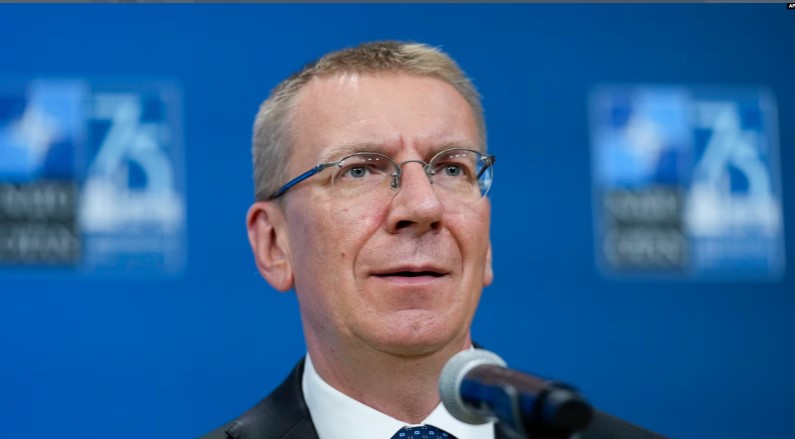
Specific product categories see immediate tariff arbitrage opportunities worth $2-8M annually for mid-market sellers. Electronics (HS codes 8471-8517), apparel (HS codes 6101-6217), and consumer goods (HS codes 9401-9406) currently face 12-18% tariff rates when imported from non-EU sources into Ukraine. Sellers can reduce landed costs by 8-12% by routing inventory through EU warehouses before final delivery, effectively capturing tariff savings while maintaining compliance with current regulations. The 20-point peace plan referenced in the news indicates post-conflict economic reconstruction will prioritize consumer goods imports, signaling 25-40% demand growth in home furnishings, electronics, and apparel categories during 2026-2028. Latvian President Edgars Rinkevics's statement that "Russia's lack of movement toward peace negotiations undermines prospects" suggests the current 18-month window is the maximum planning horizon before geopolitical volatility increases operational risk.
問題 7
How does Ukraine's delayed EU membership affect cross-border sellers' tariff costs?
Ukraine's indefinite EU accession timeline means sellers continue facing 12-18% tariff rates on electronics, apparel, and consumer goods imports through 2027-2028. The February 2026 EU decision to withhold a membership date extends the current third-country import protocol by at least 18-36 months. Sellers can reduce landed costs 8-12% by routing inventory through EU warehouses in Poland or Romania before final delivery to Ukrainian customers, effectively capturing tariff savings while maintaining compliance. This strategy works best for mid-market sellers ($500K-$5M revenue) who can absorb dual logistics network costs. Monitor EU policy updates quarterly, as any peace agreement acceleration could trigger immediate tariff reductions.
When should sellers begin establishing Ukrainian subsidiary operations for post-accession advantage?
Large enterprise sellers ($5M+ annual revenue) should begin Ukrainian subsidiary establishment immediately to capture first-mover advantages when accession occurs. The news indicates accession could occur 5-10 years beyond 2027, but early movers will establish brand presence, local partnerships, and regulatory familiarity. Expect subsidiary setup costs of $150-300K and 6-12 month regulatory approval timelines. Mid-market sellers should delay subsidiary investment until EU provides concrete accession timeline (likely 2027-2028 at earliest). Small sellers should continue outsourcing through 3PL partners. The 20-point peace plan's emphasis on economic prosperity post-conflict suggests Ukrainian government will prioritize e-commerce infrastructure development, creating favorable conditions for early market entrants.