



Ripple XRP Volatility Signals Institutional Adoption of Blockchain Payments | Cross-Border Sellers Must Monitor Crypto Payment Options
- XRP rallies 38% from February lows amid institutional accumulation; $2.5B Ripple acquisitions reshape cross-border settlement infrastructure for e-commerce sellers
























概览
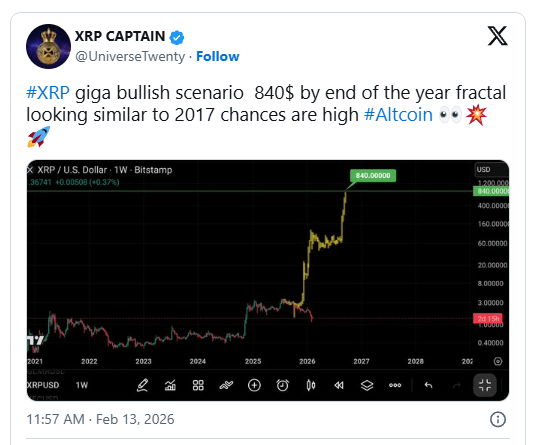
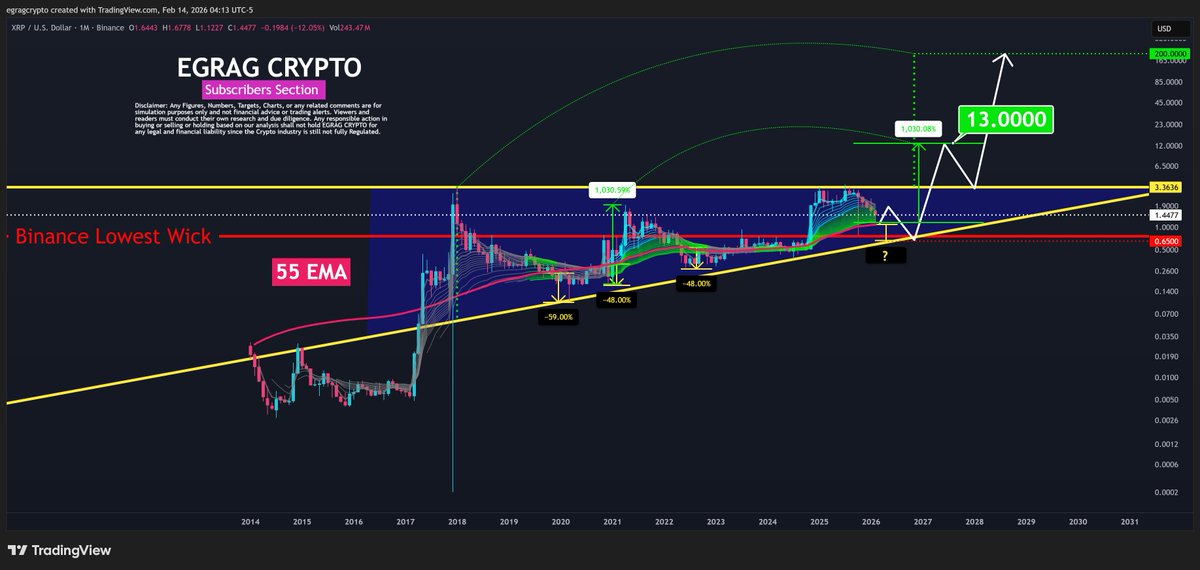
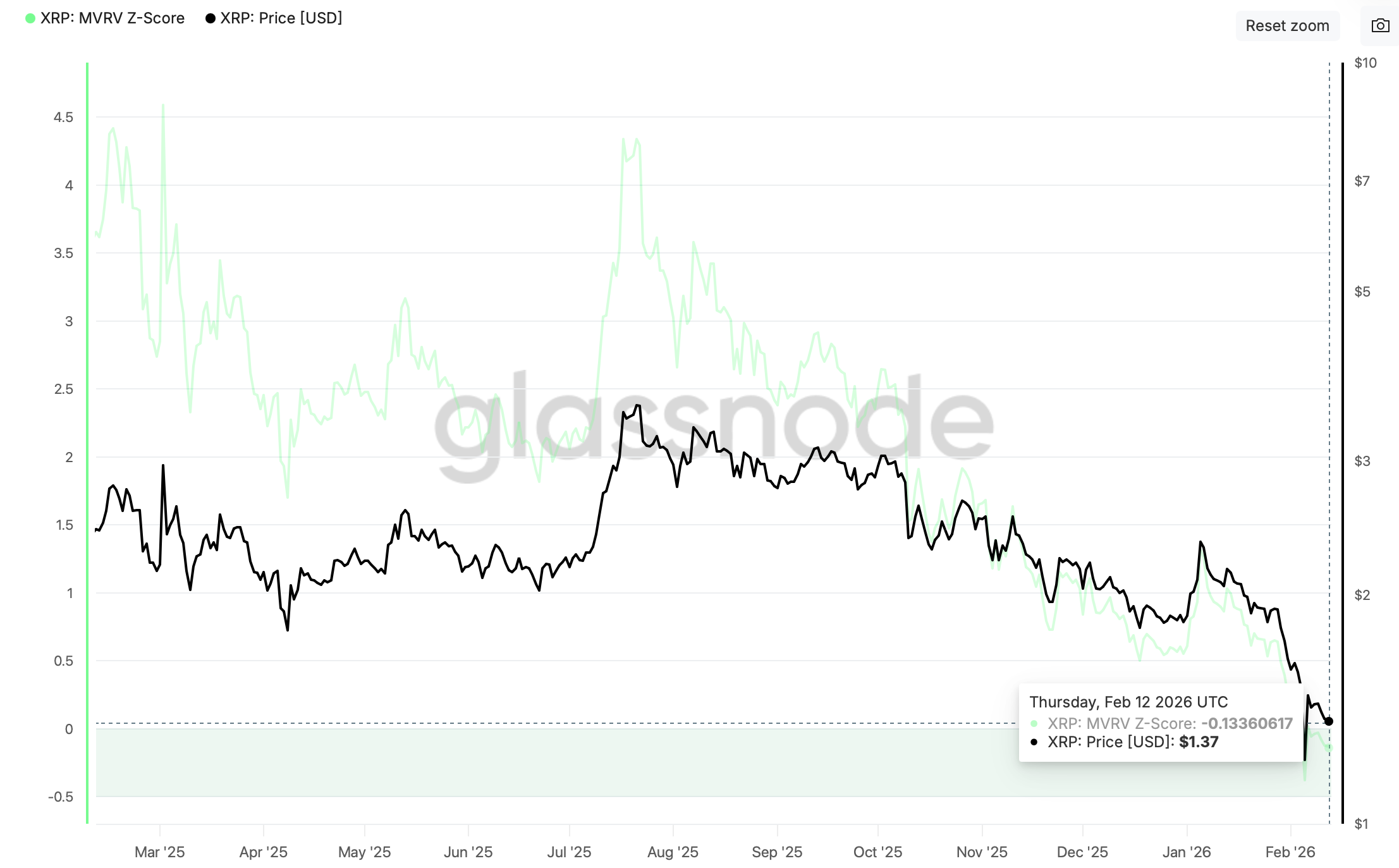
The February 2026 XRP market movements reveal critical infrastructure shifts affecting cross-border e-commerce payment ecosystems. XRP rallied 38% from its February 6 low to $1.55, with Binance reserves dropping 192.37 million tokens to January 2024 lows, signaling institutional accumulation rather than liquidation. Simultaneously, Ripple USD (RLUSD) stablecoin reached $1.5 billion in assets following Binance listing, and Ripple Labs deployed $2.5 billion in acquisitions (including $1.25 billion Hidden Road deal) to expand real-world financial operations infrastructure.
For cross-border e-commerce sellers, these developments directly impact payment processing economics. Ripple's institutional infrastructure expansion—including permissioned DEX features and BlackRock BUIDL fund integration with RLUSD—signals accelerating blockchain-based settlement adoption that could reduce cross-border payment friction. Currently, international sellers face 2-4% payment processing fees through traditional gateways (PayPal, Stripe) plus 1-3% FX conversion costs. Ripple's infrastructure targets this $50+ billion annual cross-border e-commerce payment market by offering faster settlement (3-5 seconds vs. 1-3 days) and lower fees (0.5-1.5% vs. 3-7% traditional).
The regulatory clarity matters significantly: SEC lawsuit resolution removes uncertainty that previously constrained institutional adoption. Goldman Sachs held $152 million in XRP ETFs as of Q4 2025 (14% of net XRP ETF inflows), indicating institutional confidence in blockchain payment infrastructure. For sellers, this translates to emerging payment options: Ripple's permissioned DEX enables institutional buyers to settle invoices in RLUSD, reducing working capital cycles by 2-5 days compared to traditional banking.
However, macroeconomic headwinds present risks. Bitcoin trades at $63,000 (weakest in over a year), with billions flowing out of crypto ETFs since October 2025. Fed Chair nominee Kevin Warsh signals tighter monetary conditions ahead, contrasting with April 2025 expectations. XRP funding rates hit 10-month lows (-0.028 on Binance), indicating extreme bearish positioning that historically precedes reversals but also signals market uncertainty. Sellers accepting crypto payments face volatility: XRP remains 35% down over the past month, and sustained weakness could push prices below $1.70 or toward $1.25.
The cash flow opportunity is immediate: Sellers currently using traditional cross-border payment methods can reduce transaction costs 40-60% by integrating RLUSD settlement for B2B transactions. Invoice financing platforms increasingly accept blockchain-settled invoices, unlocking 5-10 days of working capital acceleration. Sellers shipping to Asia-Pacific markets see the highest ROI, as Ripple's network density is strongest in Singapore, Hong Kong, and Japan—regions representing 35-40% of cross-border e-commerce volume.
問題 8
How can cross-border sellers reduce payment processing costs using Ripple infrastructure?
Sellers can integrate RLUSD stablecoin settlement to reduce cross-border payment costs from 3-7% (traditional gateways) to 0.5-1.5% (Ripple network). The $1.5 billion RLUSD ecosystem now supports institutional settlement following Binance listing. For a seller processing $100,000 monthly in cross-border transactions, this represents $3,000-5,500 monthly savings. Ripple's permissioned DEX enables direct B2B settlement without intermediaries, cutting processing time from 1-3 days to 3-5 seconds. Sellers should prioritize RLUSD integration for high-volume Asia-Pacific transactions where Ripple network density is strongest.
What does Ripple's $2.5 billion acquisition strategy mean for seller payment options?
Ripple's $2.5 billion 2025 acquisition spending (including $1.25 billion Hidden Road deal) signals aggressive infrastructure expansion for real-world financial operations. The company is building institutional-grade settlement networks that will support tokenized asset transfers and supply chain finance. For sellers, this means emerging financing products: invoice financing platforms increasingly accept blockchain-settled invoices, unlocking 5-10 days of working capital acceleration. Sellers should monitor Ripple's institutional partnerships for new payment options launching in Q2-Q3 2026.