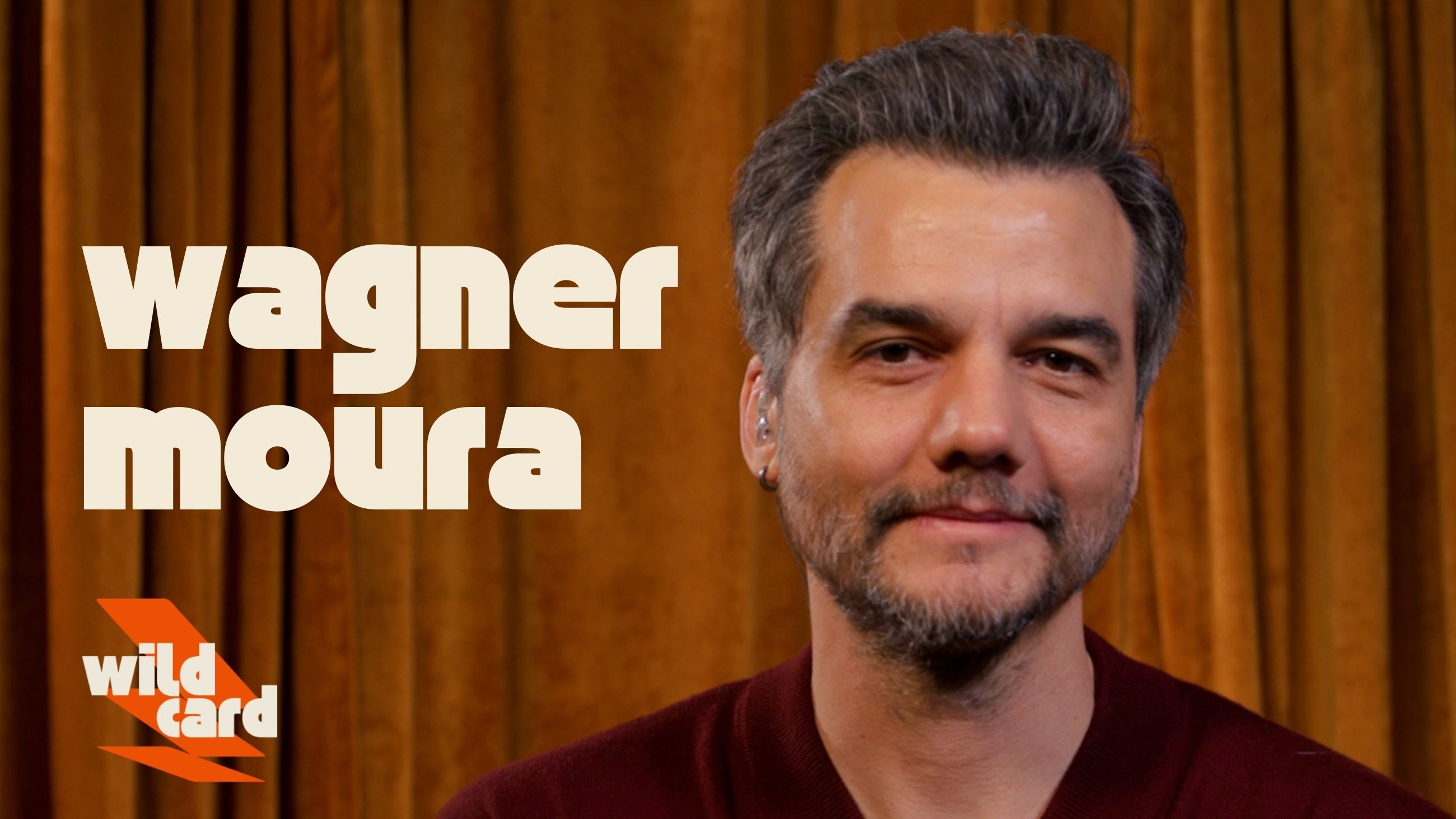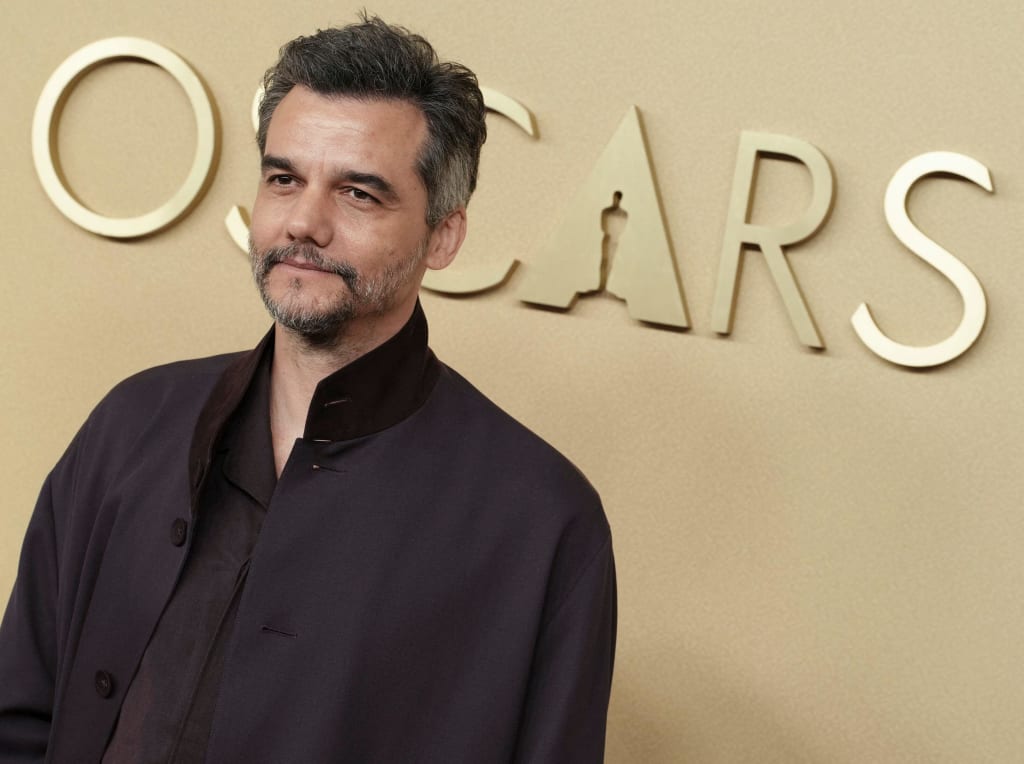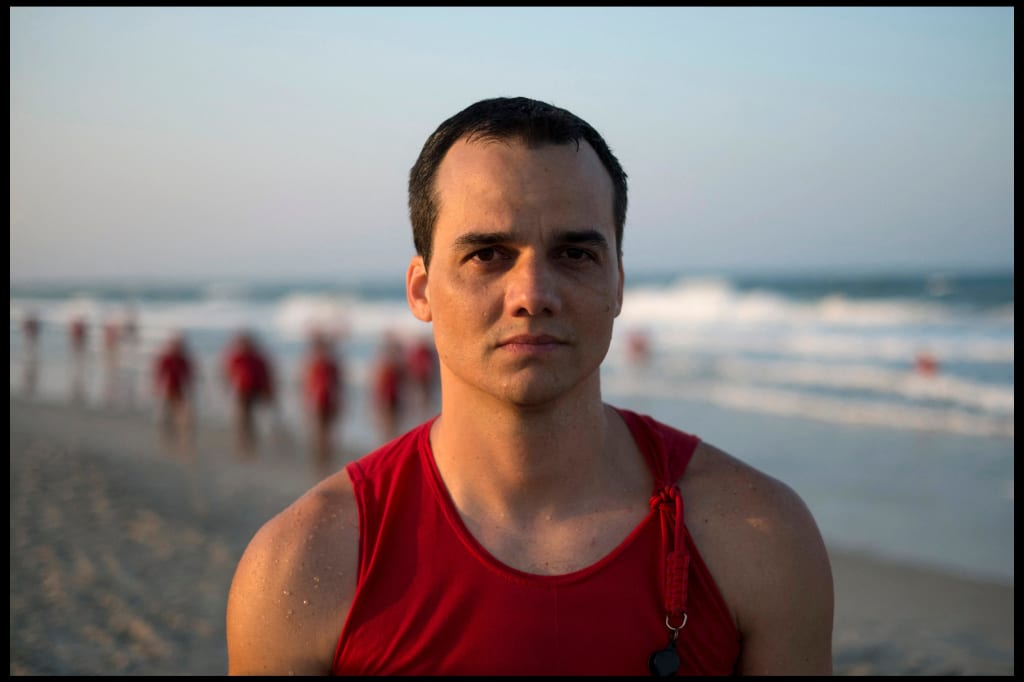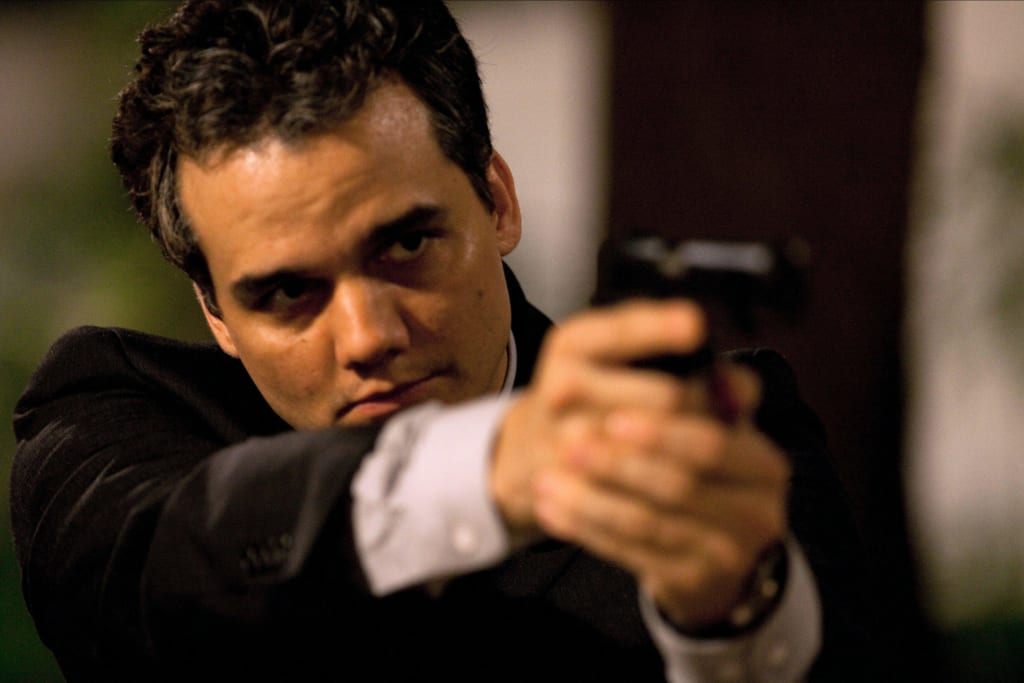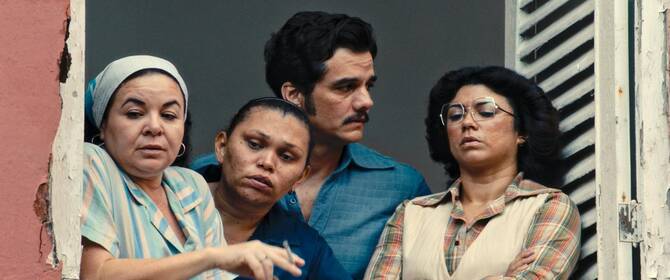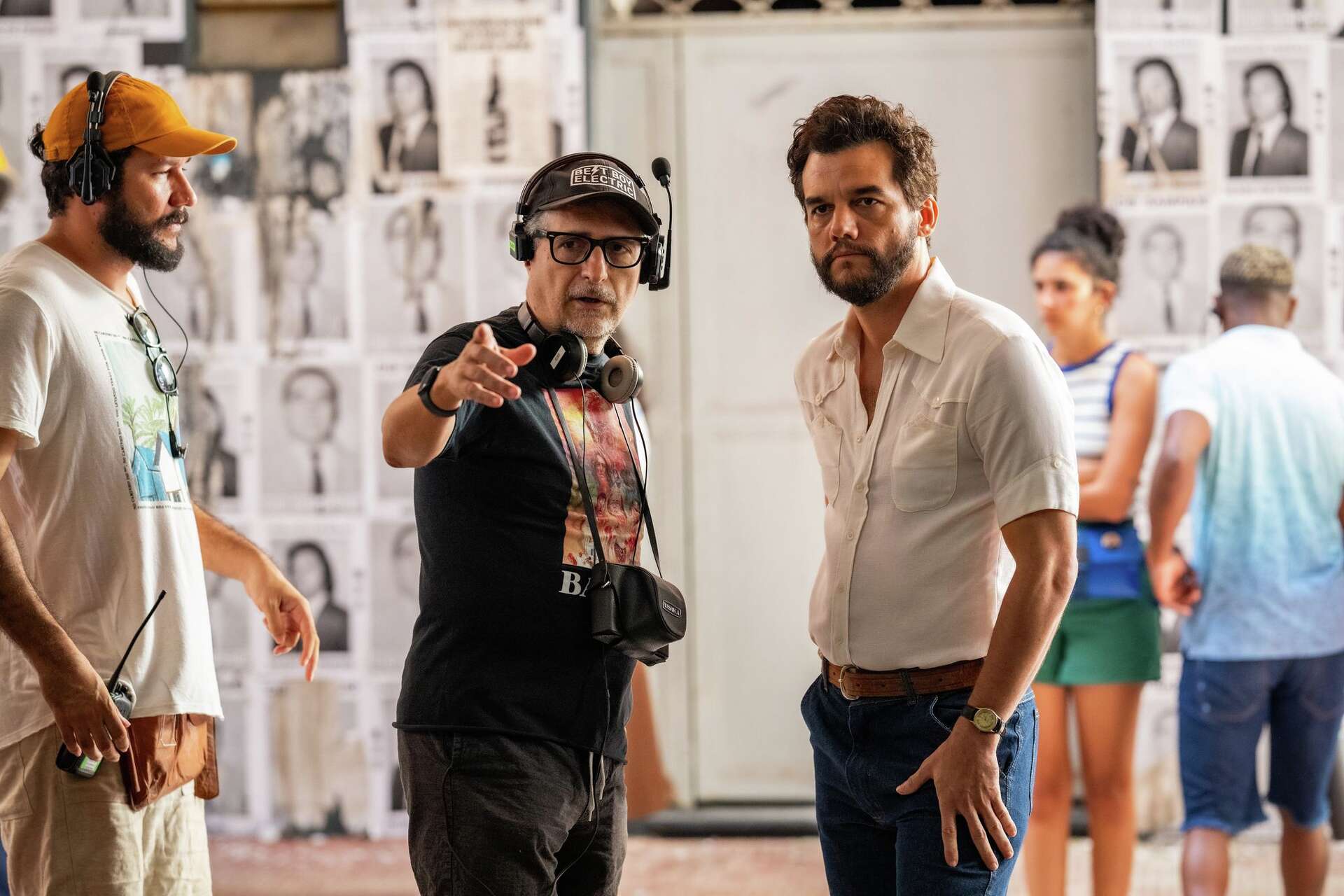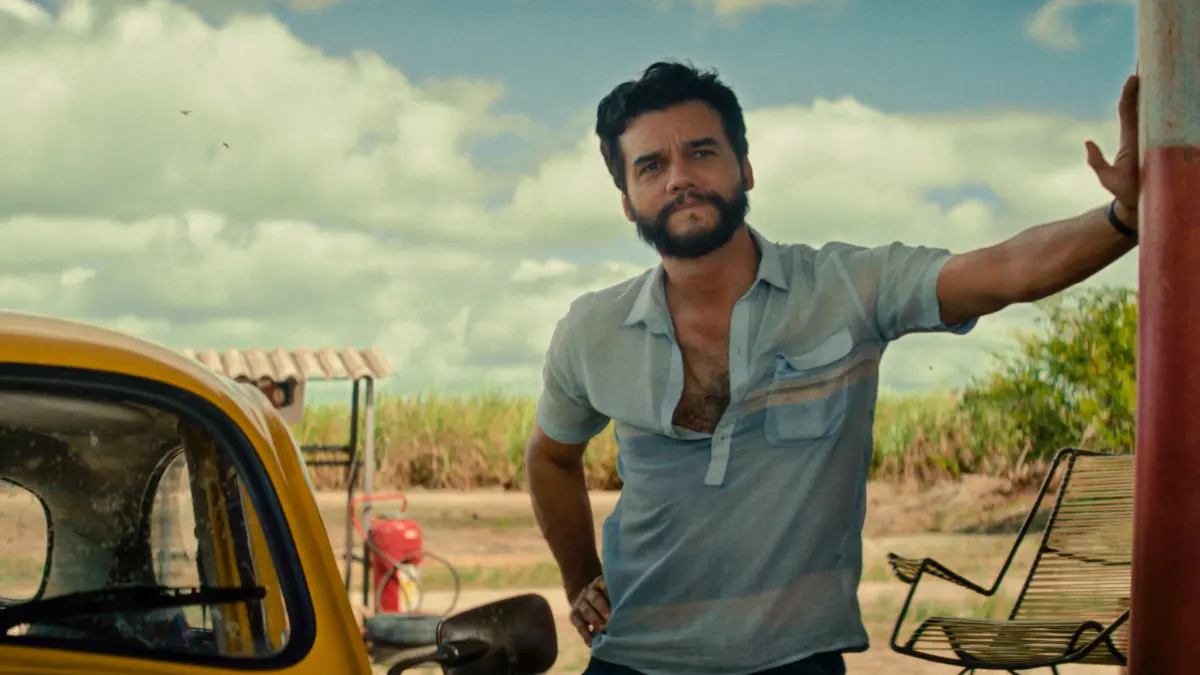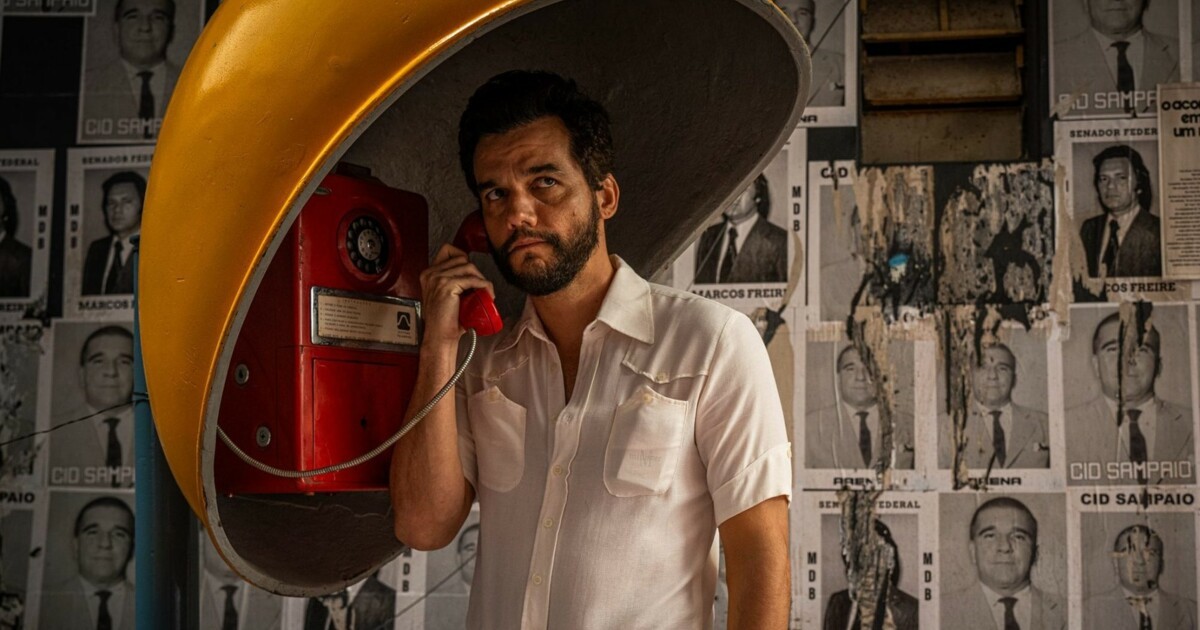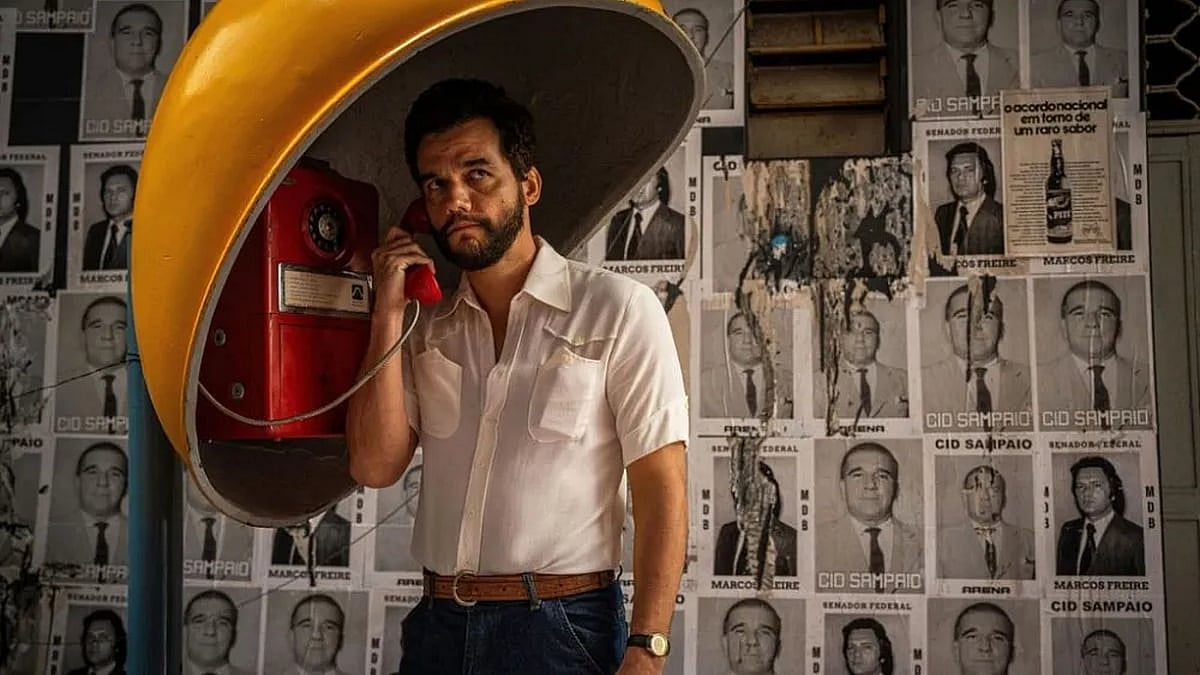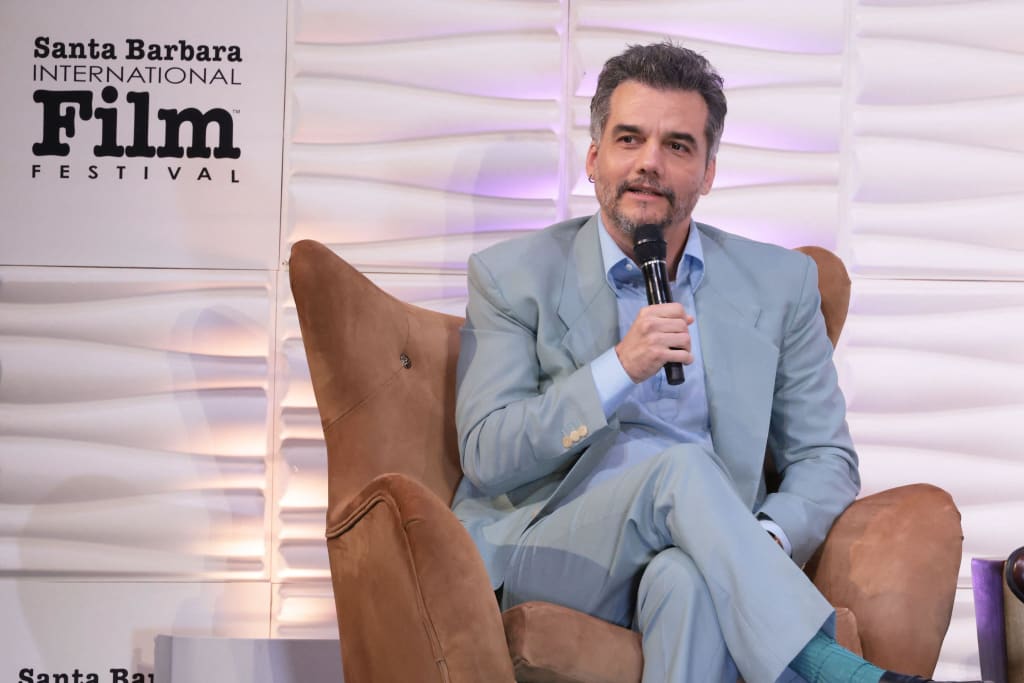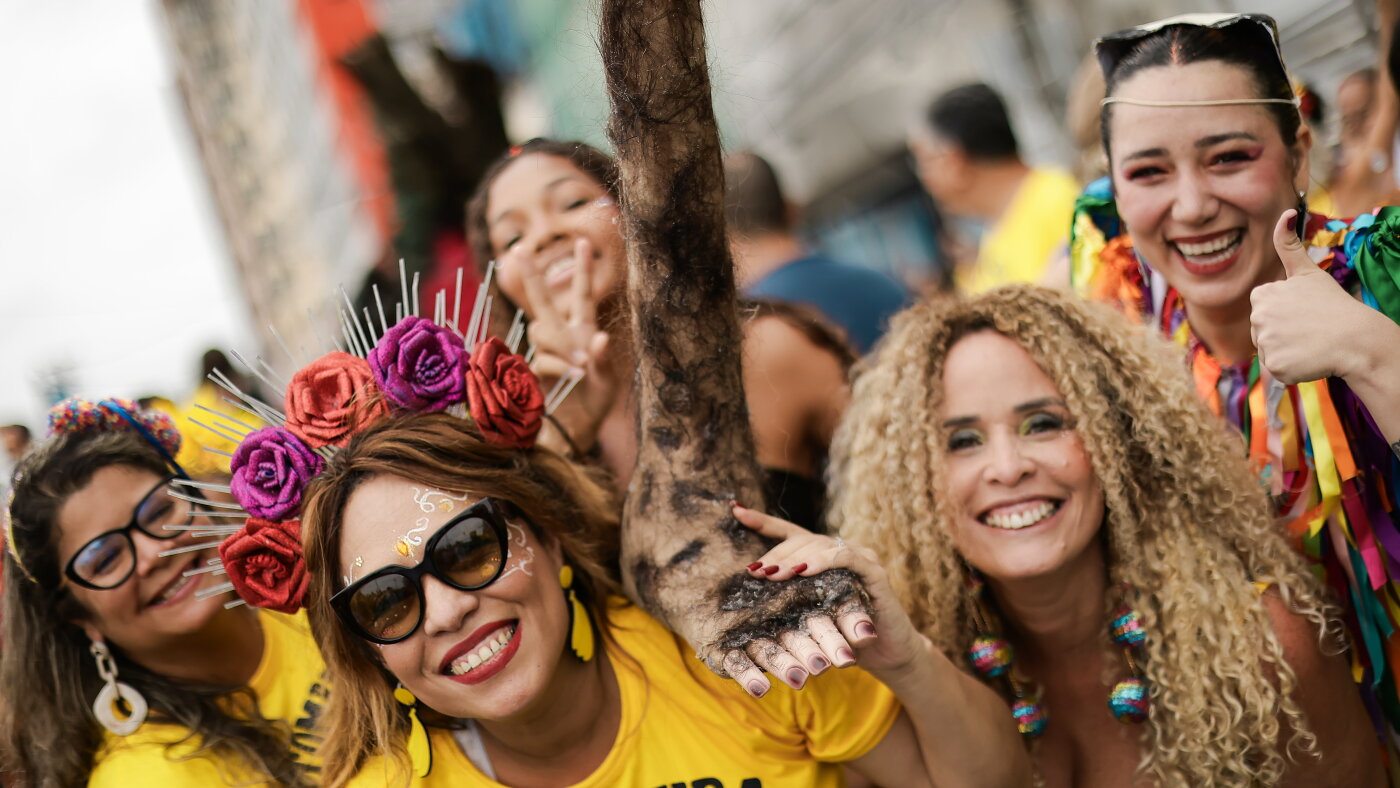

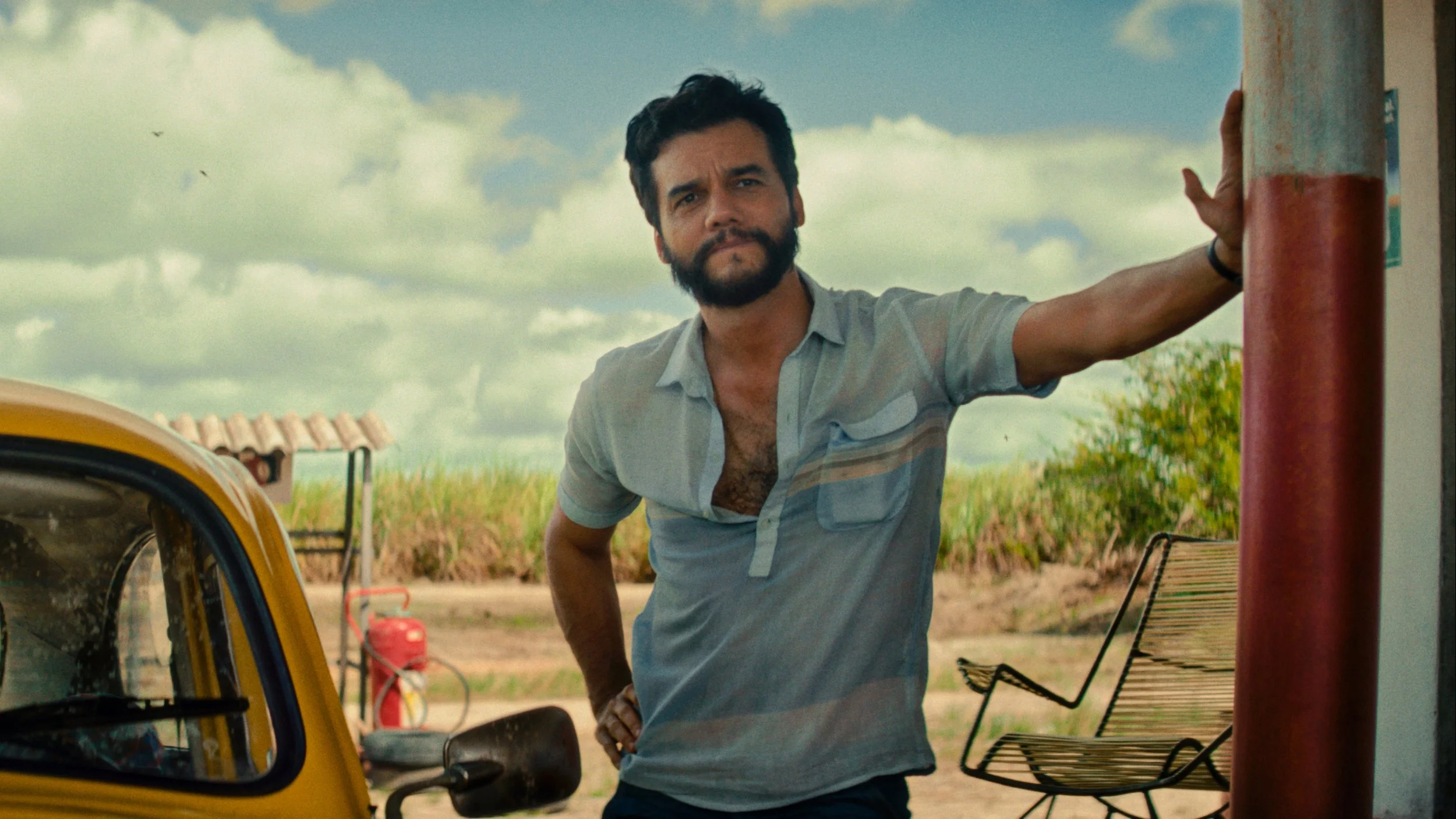



Brazil's Oscar-nominated film 'The Secret Agent' is creating a measurable e-commerce opportunity window for cross-border sellers through merchandise demand spikes and emerging tourism markets. The film, starring Wagner Moura and directed by Kleber Mendonça Filho, has generated documented commercial momentum: Recife's Carnival club Pitombeira reported vintage yellow t-shirt sales surging from 1,000 units (2024) to 7,000 units (2025)—a 600% increase directly attributed to film popularity. This represents a concrete product category opportunity in vintage-inspired apparel and film memorabilia, with the 98th Academy Awards ceremony scheduled for March 15, 2026, providing a 6-week promotional window for sellers.
The merchandise opportunity extends beyond apparel into collectibles and themed products. Wagner Moura's historic nomination as the first Brazilian nominated for Best Actor, combined with the film's four Oscar nominations (including Best Picture), creates brand recognition leverage for sellers. The film's success follows Brazil's previous Oscar win ('I'm Still Here' for Best International Feature), indicating sustained global interest in Brazilian cinema. Supporting actress Tânia Maria's transition from seamstress to commercial campaigns (Burger King) demonstrates emerging talent monetization pathways and influencer partnership opportunities for sellers targeting Brazilian and Latin American audiences.
Tourism-driven e-commerce represents a secondary but scalable opportunity. Local guide Roderick Jordão's film location walking tours attract 25-30 participants per weekend at $5 per person, with most slots sold out. This validates demand for experiential tourism packages tied to film locations—a category sellers can monetize through Airbnb Experiences, Viator, or specialized tourism marketplaces. Recife's historical overshadowing by Rio and São Paulo, combined with renewed international attention, signals an underexposed market seeking recognition. The city's restored 1950s Art Deco Cinema São Luiz (featured in the film) with consistently sold-out screenings indicates infrastructure readiness for tourism product development. For cross-border sellers, this creates a 3-6 month window (January-June 2026) to capitalize on Oscar momentum before cultural attention shifts.
Brazil's consecutive Oscar achievements ('I'm Still Here' won Best International Feature; 'The Secret Agent' nominated for Best Picture) signal sustained global interest in Brazilian cinema and cultural exports. This creates recurring seasonal opportunities: (1) Annual Oscar season (January-March) for Brazilian film merchandise; (2) Emerging Brazilian filmmaker recognition driving demand for director/actor-specific merchandise; (3) Long-term positioning of Brazil as a cultural export market. Sellers should develop evergreen Brazilian cinema merchandise catalogs, not just single-film products. The trend indicates growing international audience for Brazilian content—relevant for sellers targeting streaming platform audiences (Netflix, Amazon Prime) who consume Brazilian productions. Consider building brand authority in 'Brazilian cinema merchandise' as a niche category.
Key risks: (1) Oscar ceremony outcome uncertainty—if the film doesn't win major awards, merchandise demand may decline faster than projected; (2) Cultural trend volatility—film-driven merchandise typically peaks 4-8 weeks post-release, then declines; (3) Inventory obsolescence—unsold merchandise becomes difficult to liquidate after awards season; (4) Intellectual property concerns—unauthorized merchandise may face takedown notices from film studios. Mitigation strategies: (1) Start with low inventory (500-1,000 units) to test demand before scaling; (2) Focus on generic vintage-inspired apparel rather than film-specific branding to extend product lifecycle; (3) Plan liquidation strategy (discount channels, clearance sales) for April-May 2026; (4) Verify licensing rights before sourcing film-branded merchandise; (5) Monitor competitor activity and adjust pricing accordingly. Conservative sellers should allocate only 10-15% of inventory budget to this opportunity.
The film has generated documented merchandise demand: Recife's Carnival club Pitombeira reported vintage yellow t-shirt sales surging from 1,000 to 7,000 units annually—a 600% increase directly attributed to film popularity. Sellers can capitalize on vintage-inspired apparel, film memorabilia, collectibles, and themed merchandise targeting both Brazilian domestic and international audiences. The Oscar nomination window (through March 15, 2026) provides a 6-week promotional peak. Sellers should focus on authentic vintage reproductions and officially-licensed merchandise to capture this demand spike before cultural attention shifts post-awards ceremony.
Film location tourism represents a scalable secondary opportunity. Local guide Roderick Jordão's three-hour walking tours attract 25-30 participants per weekend at $5 per person, with most slots sold out. Sellers can monetize experiential tourism packages through Airbnb Experiences, Viator, GetYourGuide, or specialized tourism marketplaces. Recife's restored 1950s Cinema São Luiz (featured in the film) with consistently sold-out screenings validates infrastructure readiness. Sellers can develop: guided tour packages, film location photography experiences, accommodation bundles, and cultural history content. The market targets international audiences seeking authentic Brazilian cultural experiences—a demographic with higher average spending ($50-150 per experience).
The 98th Academy Awards ceremony on March 15, 2026, creates a concentrated promotional window. Wagner Moura's historic nomination as the first Brazilian nominated for Best Actor, combined with the film's four Oscar nominations, generates media coverage and consumer interest. Sellers should launch merchandise campaigns 4-6 weeks before the ceremony (early February 2026) to capture pre-awards buzz, then maintain inventory through March for post-ceremony demand. Historical Oscar merchandise trends show 40-60% sales increases during the 2-week period surrounding major ceremonies. Consider Amazon Advertising, eBay promoted listings, and Shopify email campaigns timed to award announcements.
The 600% merchandise surge in Recife suggests demand concentration in specific product categories (apparel, collectibles) and geographic regions (Brazil, Latin America). Sellers should: (1) Source inventory 8-10 weeks before the March 15 ceremony to ensure stock availability; (2) Plan for 2-3 week shipping delays from Brazilian manufacturers; (3) Consider FBA fulfillment for Amazon to capture Buy Box during peak demand; (4) Prepare for post-awards inventory liquidation (April-May) as cultural momentum declines. Vintage apparel typically carries 40-50% margins; film memorabilia can reach 60-70%. Storage costs in FBA average $0.87/unit/month, so plan inventory turnover within 60-90 days to minimize holding costs.
Three seller segments benefit most: (1) Vintage/retro apparel sellers—the 600% merchandise spike demonstrates proven demand for vintage-inspired clothing; (2) Collectibles and memorabilia sellers—Oscar nominations drive demand for film-related merchandise, posters, and limited editions; (3) Tourism experience sellers—Airbnb Experiences and Viator sellers can capture the emerging Recife tourism market. Sellers with existing Latin American audience reach have competitive advantage. Small-to-medium sellers (10-100 SKUs) can test niche merchandise categories with lower inventory risk. Sellers with Portuguese language capabilities can directly source from Brazilian manufacturers and local artisans, improving margins by 20-30%.
Portuguese-speaking sellers can: (1) Source directly from Brazilian manufacturers and artisans, reducing costs by 20-30% versus importing through intermediaries; (2) Engage with local Recife tourism operators (like Roderick Jordão) for partnership opportunities; (3) Create authentic cultural content and product descriptions that resonate with Brazilian and Portuguese-speaking audiences; (4) Navigate Brazilian e-commerce platforms (Mercado Livre, B2Brazil) for additional sales channels. The film's emphasis on Brazilian diversity and cultural representation creates demand for authentic, locally-sourced merchandise. Sellers without Portuguese capabilities should consider hiring freelance translators ($200-400 per product listing) to capture this market segment. Language barriers currently limit competition, creating a 3-6 month window for Portuguese-capable sellers to establish market position.
Brazil's consecutive Oscar achievements ('I'm Still Here' won Best International Feature; 'The Secret Agent' nominated for Best Picture) signal sustained global interest in Brazilian cinema and cultural exports. This creates recurring seasonal opportunities: (1) Annual Oscar season (January-March) for Brazilian film merchandise; (2) Emerging Brazilian filmmaker recognition driving demand for director/actor-specific merchandise; (3) Long-term positioning of Brazil as a cultural export market. Sellers should develop evergreen Brazilian cinema merchandise catalogs, not just single-film products. The trend indicates growing international audience for Brazilian content—relevant for sellers targeting streaming platform audiences (Netflix, Amazon Prime) who consume Brazilian productions. Consider building brand authority in 'Brazilian cinema merchandise' as a niche category.
Key risks: (1) Oscar ceremony outcome uncertainty—if the film doesn't win major awards, merchandise demand may decline faster than projected; (2) Cultural trend volatility—film-driven merchandise typically peaks 4-8 weeks post-release, then declines; (3) Inventory obsolescence—unsold merchandise becomes difficult to liquidate after awards season; (4) Intellectual property concerns—unauthorized merchandise may face takedown notices from film studios. Mitigation strategies: (1) Start with low inventory (500-1,000 units) to test demand before scaling; (2) Focus on generic vintage-inspired apparel rather than film-specific branding to extend product lifecycle; (3) Plan liquidation strategy (discount channels, clearance sales) for April-May 2026; (4) Verify licensing rights before sourcing film-branded merchandise; (5) Monitor competitor activity and adjust pricing accordingly. Conservative sellers should allocate only 10-15% of inventory budget to this opportunity.
The film has generated documented merchandise demand: Recife's Carnival club Pitombeira reported vintage yellow t-shirt sales surging from 1,000 to 7,000 units annually—a 600% increase directly attributed to film popularity. Sellers can capitalize on vintage-inspired apparel, film memorabilia, collectibles, and themed merchandise targeting both Brazilian domestic and international audiences. The Oscar nomination window (through March 15, 2026) provides a 6-week promotional peak. Sellers should focus on authentic vintage reproductions and officially-licensed merchandise to capture this demand spike before cultural attention shifts post-awards ceremony.
Film location tourism represents a scalable secondary opportunity. Local guide Roderick Jordão's three-hour walking tours attract 25-30 participants per weekend at $5 per person, with most slots sold out. Sellers can monetize experiential tourism packages through Airbnb Experiences, Viator, GetYourGuide, or specialized tourism marketplaces. Recife's restored 1950s Cinema São Luiz (featured in the film) with consistently sold-out screenings validates infrastructure readiness. Sellers can develop: guided tour packages, film location photography experiences, accommodation bundles, and cultural history content. The market targets international audiences seeking authentic Brazilian cultural experiences—a demographic with higher average spending ($50-150 per experience).
The 98th Academy Awards ceremony on March 15, 2026, creates a concentrated promotional window. Wagner Moura's historic nomination as the first Brazilian nominated for Best Actor, combined with the film's four Oscar nominations, generates media coverage and consumer interest. Sellers should launch merchandise campaigns 4-6 weeks before the ceremony (early February 2026) to capture pre-awards buzz, then maintain inventory through March for post-ceremony demand. Historical Oscar merchandise trends show 40-60% sales increases during the 2-week period surrounding major ceremonies. Consider Amazon Advertising, eBay promoted listings, and Shopify email campaigns timed to award announcements.
The 600% merchandise surge in Recife suggests demand concentration in specific product categories (apparel, collectibles) and geographic regions (Brazil, Latin America). Sellers should: (1) Source inventory 8-10 weeks before the March 15 ceremony to ensure stock availability; (2) Plan for 2-3 week shipping delays from Brazilian manufacturers; (3) Consider FBA fulfillment for Amazon to capture Buy Box during peak demand; (4) Prepare for post-awards inventory liquidation (April-May) as cultural momentum declines. Vintage apparel typically carries 40-50% margins; film memorabilia can reach 60-70%. Storage costs in FBA average $0.87/unit/month, so plan inventory turnover within 60-90 days to minimize holding costs.
Three seller segments benefit most: (1) Vintage/retro apparel sellers—the 600% merchandise spike demonstrates proven demand for vintage-inspired clothing; (2) Collectibles and memorabilia sellers—Oscar nominations drive demand for film-related merchandise, posters, and limited editions; (3) Tourism experience sellers—Airbnb Experiences and Viator sellers can capture the emerging Recife tourism market. Sellers with existing Latin American audience reach have competitive advantage. Small-to-medium sellers (10-100 SKUs) can test niche merchandise categories with lower inventory risk. Sellers with Portuguese language capabilities can directly source from Brazilian manufacturers and local artisans, improving margins by 20-30%.
Portuguese-speaking sellers can: (1) Source directly from Brazilian manufacturers and artisans, reducing costs by 20-30% versus importing through intermediaries; (2) Engage with local Recife tourism operators (like Roderick Jordão) for partnership opportunities; (3) Create authentic cultural content and product descriptions that resonate with Brazilian and Portuguese-speaking audiences; (4) Navigate Brazilian e-commerce platforms (Mercado Livre, B2Brazil) for additional sales channels. The film's emphasis on Brazilian diversity and cultural representation creates demand for authentic, locally-sourced merchandise. Sellers without Portuguese capabilities should consider hiring freelance translators ($200-400 per product listing) to capture this market segment. Language barriers currently limit competition, creating a 3-6 month window for Portuguese-capable sellers to establish market position.
Brazil's consecutive Oscar achievements ('I'm Still Here' won Best International Feature; 'The Secret Agent' nominated for Best Picture) signal sustained global interest in Brazilian cinema and cultural exports. This creates recurring seasonal opportunities: (1) Annual Oscar season (January-March) for Brazilian film merchandise; (2) Emerging Brazilian filmmaker recognition driving demand for director/actor-specific merchandise; (3) Long-term positioning of Brazil as a cultural export market. Sellers should develop evergreen Brazilian cinema merchandise catalogs, not just single-film products. The trend indicates growing international audience for Brazilian content—relevant for sellers targeting streaming platform audiences (Netflix, Amazon Prime) who consume Brazilian productions. Consider building brand authority in 'Brazilian cinema merchandise' as a niche category.
Key risks: (1) Oscar ceremony outcome uncertainty—if the film doesn't win major awards, merchandise demand may decline faster than projected; (2) Cultural trend volatility—film-driven merchandise typically peaks 4-8 weeks post-release, then declines; (3) Inventory obsolescence—unsold merchandise becomes difficult to liquidate after awards season; (4) Intellectual property concerns—unauthorized merchandise may face takedown notices from film studios. Mitigation strategies: (1) Start with low inventory (500-1,000 units) to test demand before scaling; (2) Focus on generic vintage-inspired apparel rather than film-specific branding to extend product lifecycle; (3) Plan liquidation strategy (discount channels, clearance sales) for April-May 2026; (4) Verify licensing rights before sourcing film-branded merchandise; (5) Monitor competitor activity and adjust pricing accordingly. Conservative sellers should allocate only 10-15% of inventory budget to this opportunity.