




Colorado Power Outages Threaten E-Commerce Fulfillment | Critical Fire Risk Feb 2026
- Extended power disruptions forecast through Thursday across Denver metro and Eastern Plains; sellers face 3-5 day fulfillment delays and inventory management risks







概览
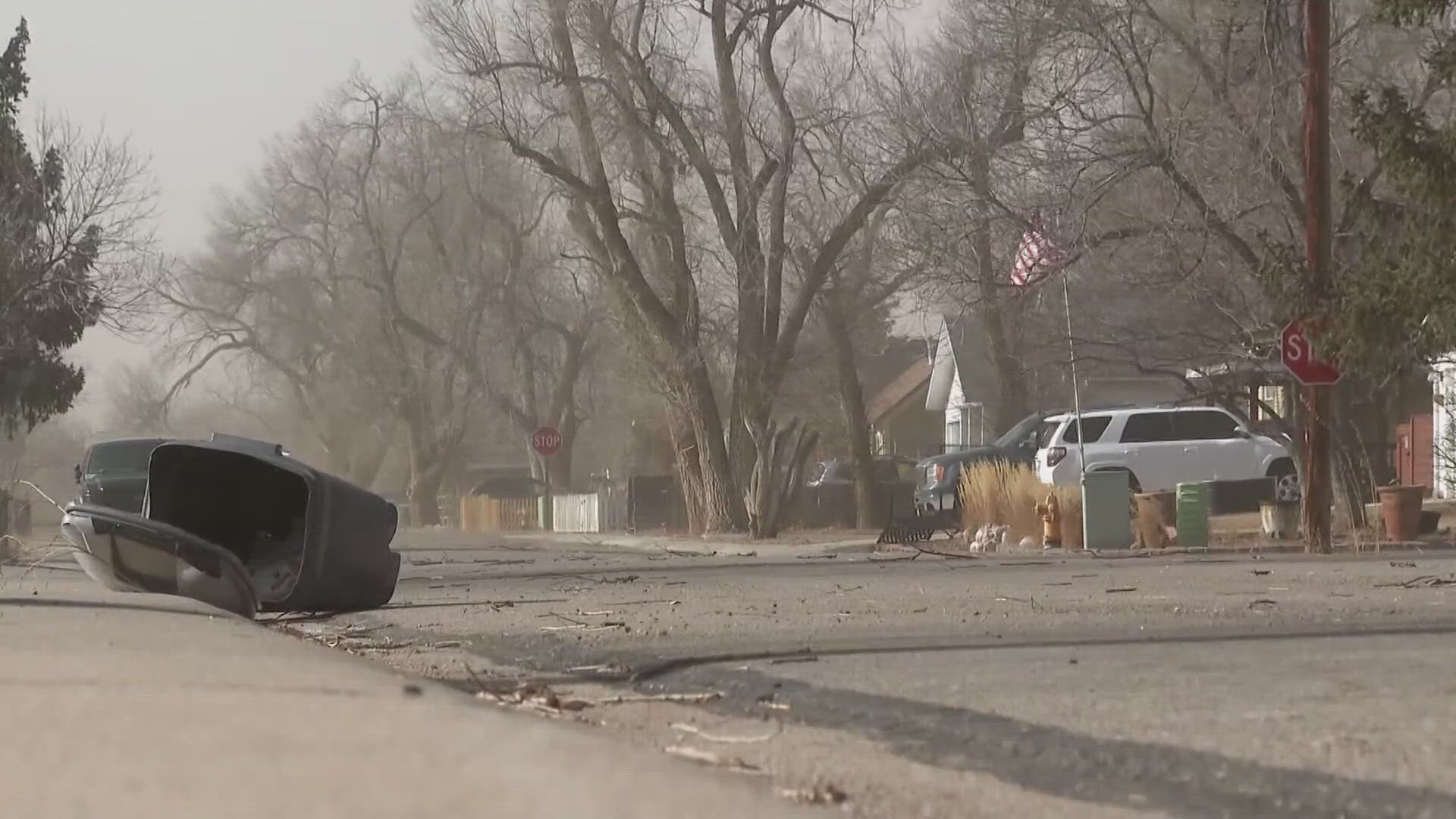
Critical infrastructure disruption alert: Colorado faces unprecedented wildfire risk conditions February 14-19, 2026, creating direct operational threats to e-commerce sellers with distribution centers and inventory in the affected region. Xcel Energy issued formal warnings on February 14, 2026, alerting customers to prepare for possible power shutoffs across the Front Range and Eastern Plains—covering metro Denver and multiple counties including Jefferson, Douglas, Adams, Arapahoe, and Broomfield. The National Weather Service issued critical fire weather warnings with extreme conditions forecast for Tuesday: relative humidity dropping to 11%, southwest winds escalating to 60 mph, and conditions favorable for rapid fire spread. This represents the third major fire-related power management event in Colorado within 90 days, following planned outages in December 2025 and January 2026.
Operational impact for e-commerce sellers: The enhanced powerline safety protocols activated by Xcel Energy make electrical systems more sensitive to disruptions, meaning outages—if triggered—will likely last significantly longer than typical incidents. News reports explicitly warn that high winds creating wildfire risk may cause power outages continuing through Thursday, February 19. For sellers operating Amazon FBA fulfillment centers, third-party logistics (3PL) warehouses, or maintaining significant inventory in Colorado's affected counties, this creates cascading risks: extended power loss disables climate-controlled storage (critical for electronics, cosmetics, pharmaceuticals), disrupts order processing and packing operations, and delays last-mile delivery. The critical fire danger designation indicates heightened risk levels that could affect business continuity planning and customer fulfillment timelines throughout the week. Historical context shows Colorado's mountain snowpack remains significantly below average, requiring an estimated 5-8 feet of additional high country snow just to reach normal levels, indicating this represents a pattern of climate-driven infrastructure vulnerability rather than isolated incident.
Seller segments most affected: E-commerce businesses with physical operations in Colorado face tiered risk exposure. High-risk sellers include those operating dedicated fulfillment centers in the Front Range (Denver metro area), maintaining inventory in Jefferson, Douglas, Adams, Arapahoe, or Broomfield counties, or relying on Xcel Energy-served 3PL providers. Medium-risk sellers include those using Colorado-based drop-shipping suppliers or cross-dock operations. Even sellers without direct Colorado presence face indirect impacts through supply chain delays if their suppliers or logistics partners experience extended outages. The pattern of repeated fire-related shutoffs (December 2025, January 2026, February 2026) suggests sellers should anticipate this becoming a recurring seasonal risk factor, not a one-time event.
問題 8
How do enhanced powerline safety protocols affect outage duration and frequency?
Xcel Energy's enhanced powerline safety settings make electrical systems more sensitive to disruptions, meaning outages—if triggered—will likely last significantly longer than typical incidents. This represents a shift from brief, localized outages to extended, widespread disruptions. The utility activated these protocols specifically due to extreme wildfire conditions, indicating they prioritize fire prevention over minimizing outage duration. Sellers should assume worst-case scenarios: if power is lost, expect 24-48+ hours of disruption rather than 2-4 hour typical outages. This fundamentally changes business continuity planning—sellers need backup power solutions and alternative fulfillment arrangements, not just customer communication protocols.
What product categories are most vulnerable to power outage damage?
Temperature-sensitive categories face highest risk: electronics (requiring climate control to prevent condensation damage), cosmetics and skincare (temperature stability critical), pharmaceuticals and supplements (regulatory compliance requires specific storage conditions), and perishable foods (spoilage risk). High-value inventory also faces elevated risk due to potential theft during extended outages when security systems may be offline. Sellers in these categories should prioritize inventory relocation or implement backup power solutions. Lower-risk categories include apparel, books, and non-perishable goods that tolerate temperature fluctuations, though extended outages still disrupt order fulfillment operations.