



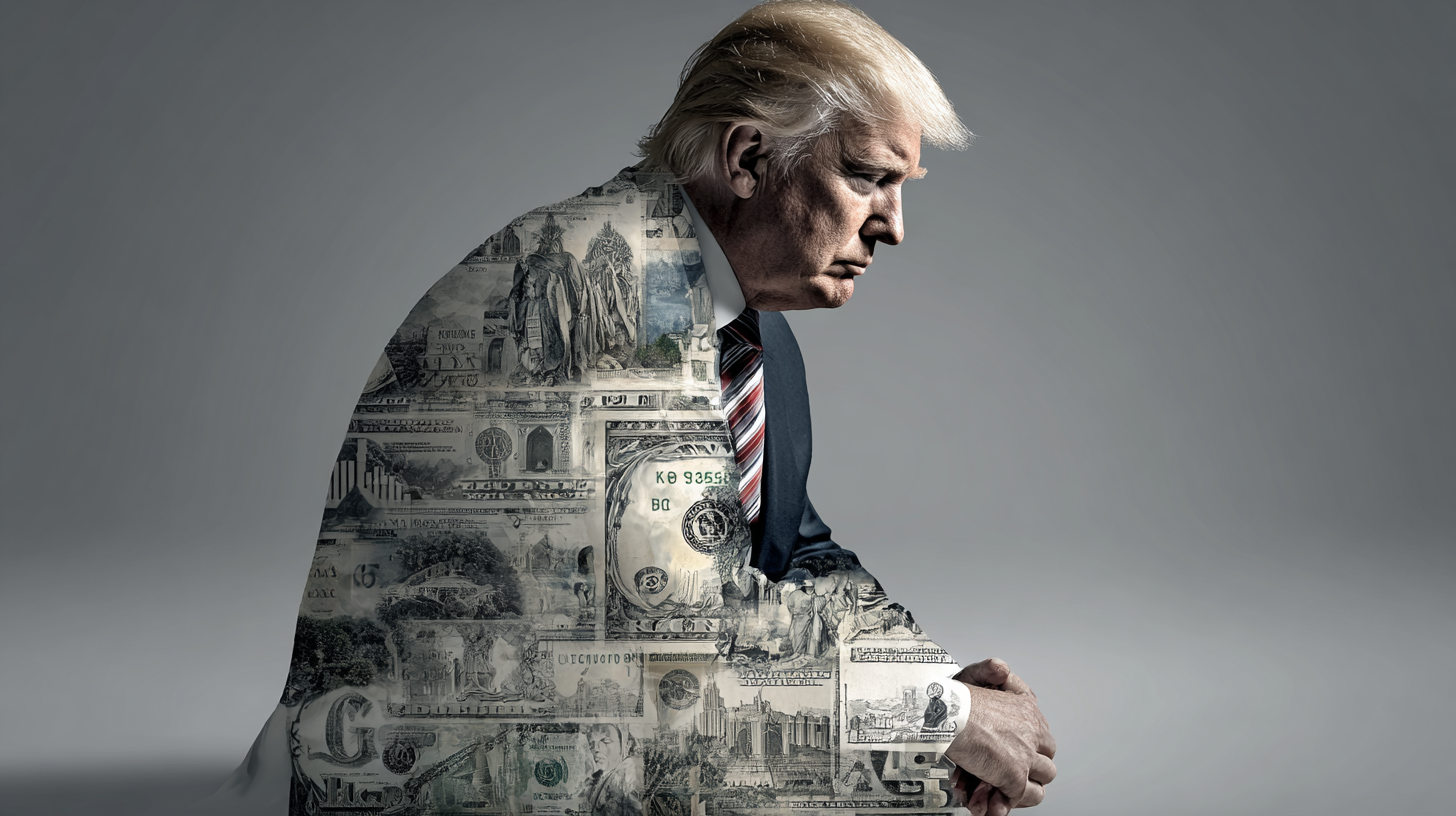

Trump Tariffs 2025 | 90% Cost Burden on US Sellers & Consumers
- Federal Reserve confirms $1,000-$1,300 household tax increase; tariff rates surge to 13% from 2.6%; margin compression forces pricing strategy overhaul for importers




)






概览
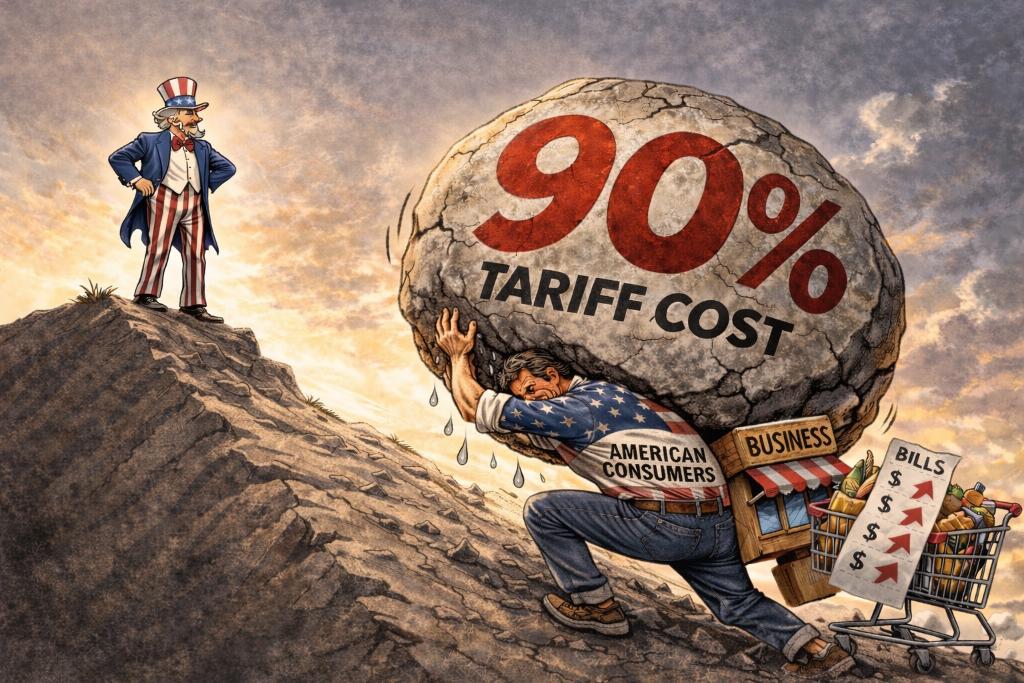
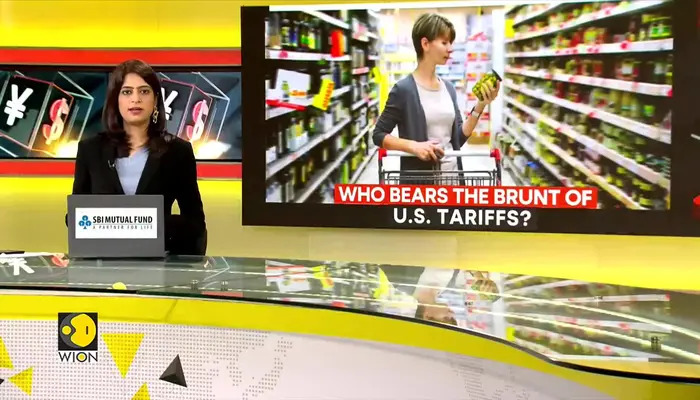
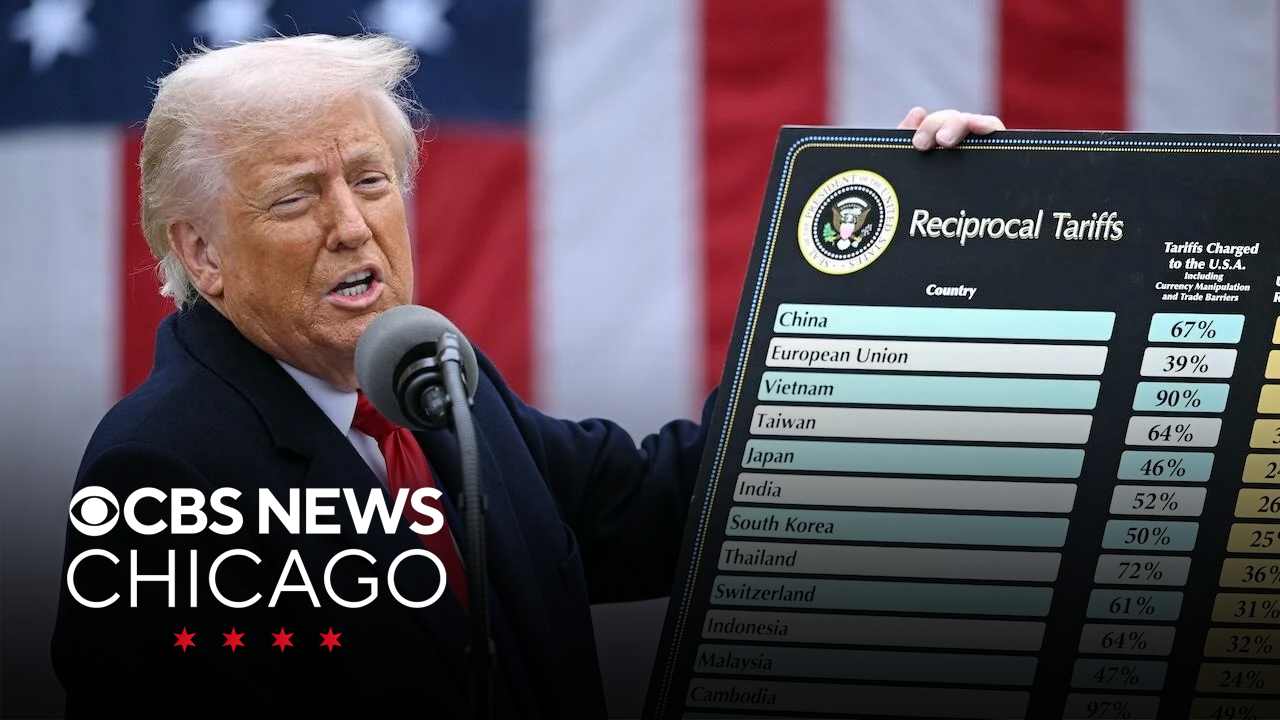
Federal Reserve Bank of New York research published February 12, 2025, definitively establishes that American importers and consumers bear approximately 90% of Trump's 2025 tariff burden—not foreign exporters as administration claims. The study reveals that through August 2025, 94% of import taxes fell on American entities, declining only slightly to 86% by November. Average tariff rates on imported goods surged to 13% from 2.6% at the start of 2025, affecting shipments from China, Mexico, Canada, and the European Union. The Tax Foundation calculates this represents a $1,000 tax increase per household in 2025, with an additional $1,300 expected in 2026—the largest U.S. tax increase since 1993.
The pass-through mechanism explains this outcome: foreign exporters reduced prices by only 6 cents for every $10 tariff, meaning American importers absorbed the remaining cost. This resulted in measurable price increases across imported goods categories: household furnishings and supplies rose 3.8% from January 2025 to January 2026, furniture and bedding increased 4%, and dishes and flatware rose 5%. The tariffs added approximately 0.7 percentage points to the U.S. inflation rate; without tariffs, September's inflation rate could have dropped from 3% to 2.3%. The Kiel Institute for the World Economy analyzed 25 million transactions and found near-complete tariff pass-through to U.S. import prices, with exporters preferring to reduce trade volumes rather than lower prices. The National Bureau of Economic Research confirmed tariff pass-through at nearly 100%.
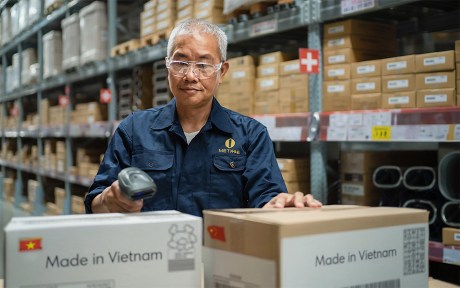
For cross-border e-commerce sellers, this creates severe operational challenges: importers face compressed margins as tariff costs cannot be passed upstream to foreign suppliers, forcing difficult pricing decisions that reduce competitiveness. Sellers sourcing from affected countries—particularly China—experience direct cost increases on goods entering U.S. markets. The effective tariff rate now stands at 9.9%, the highest since 1946. The Tax Foundation warned that economic benefits from Trump's tax cuts will be entirely offset by tariff cost increases, suggesting sustained price pressures throughout 2026. This represents a critical market shift requiring immediate strategic reassessment for sellers relying on imports from major trading partners. Strategic responses include supply chain diversification to non-tariffed regions (Vietnam, India, Indonesia), sourcing from domestic manufacturers, or absorbing costs to maintain competitiveness and market share.
問題 8
What is the timeline for tariff policy changes and when should sellers act?
The Federal Reserve study published February 12, 2025, confirms tariff effects have largely materialized in current pricing through November 2025. The Tax Foundation warns that economic benefits from Trump's tax cuts will be entirely offset by tariff cost increases, suggesting sustained price pressures throughout 2026. Sellers should immediately audit inventory sourcing by country, evaluate alternative suppliers in non-tariffed regions, and update pricing strategies before Q1 2026. The politicization of tariff economics creates uncertainty around future policy changes, requiring sellers to monitor regulatory developments closely for potential additional tariff implementations or modifications.
Which product categories face the highest tariff impact in 2025?
Household furnishings and supplies experienced 3.8% price increases from January 2025 to January 2026, furniture and bedding rose 4%, and dishes and flatware increased 5%—among the highest visible impacts. These categories rely heavily on imports from tariff-affected countries. Electronics, apparel, and home goods also face significant tariff exposure. Sellers should review their inventory by HS code classification to identify which specific products face 13% average tariff rates versus lower-tariffed alternatives.