





AWS AI Infrastructure Surge | $200B Investment Unlocks Seller Automation Tools
- Amazon's massive AI spending creates immediate opportunities for sellers to automate inventory, pricing, and customer service with enterprise-grade tools at scale































)




概览
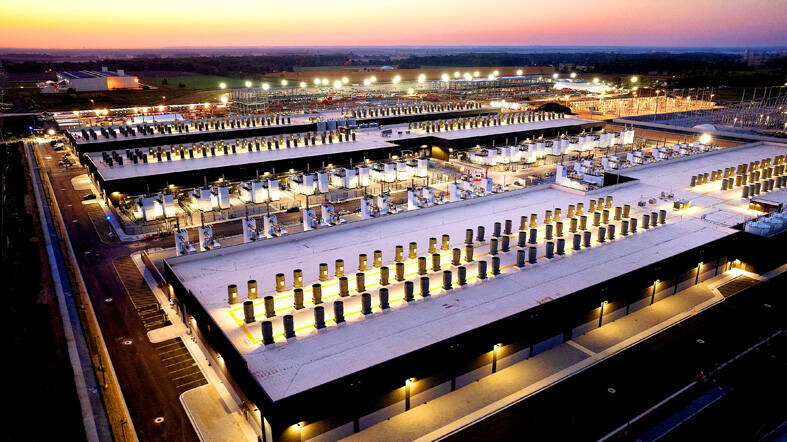
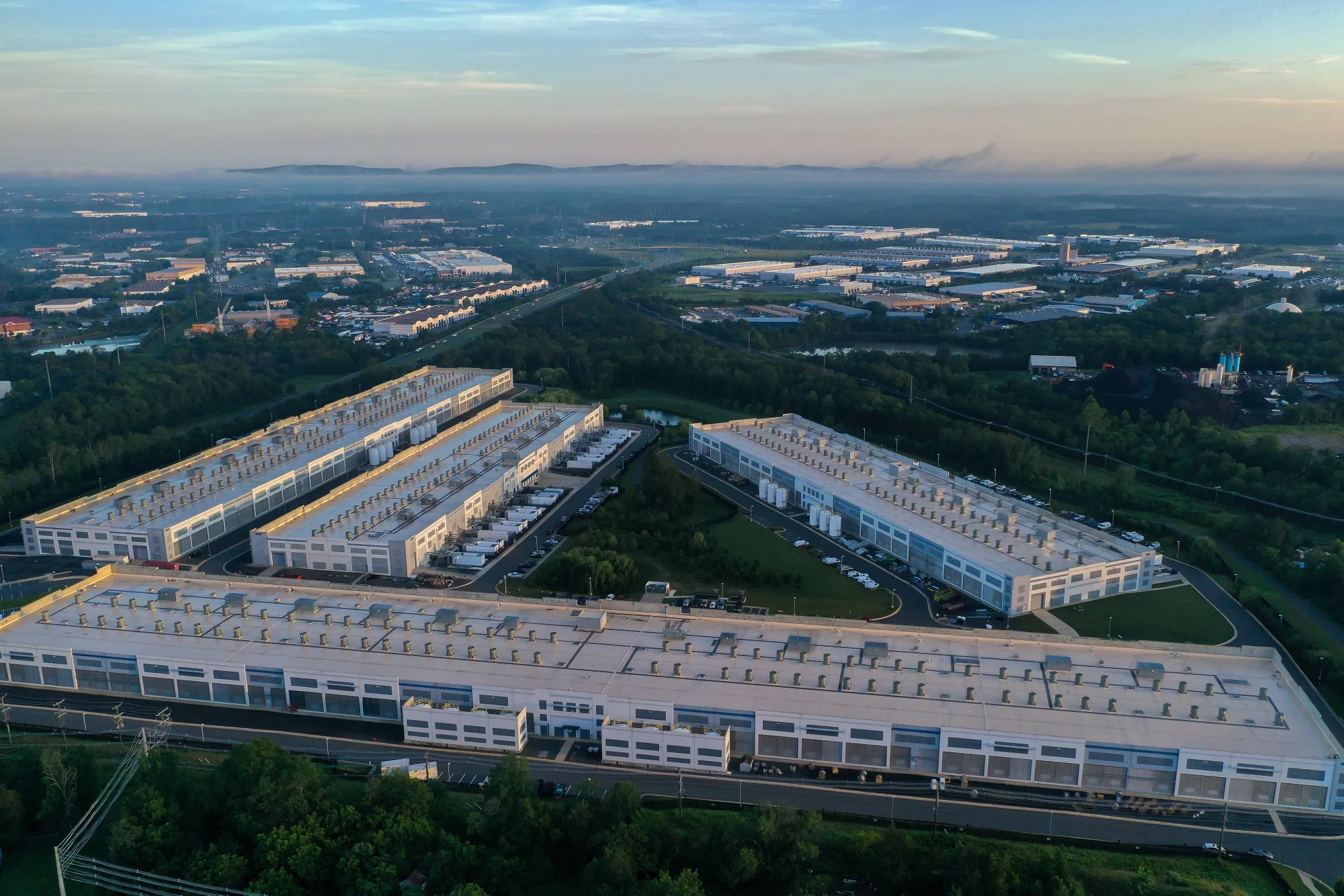
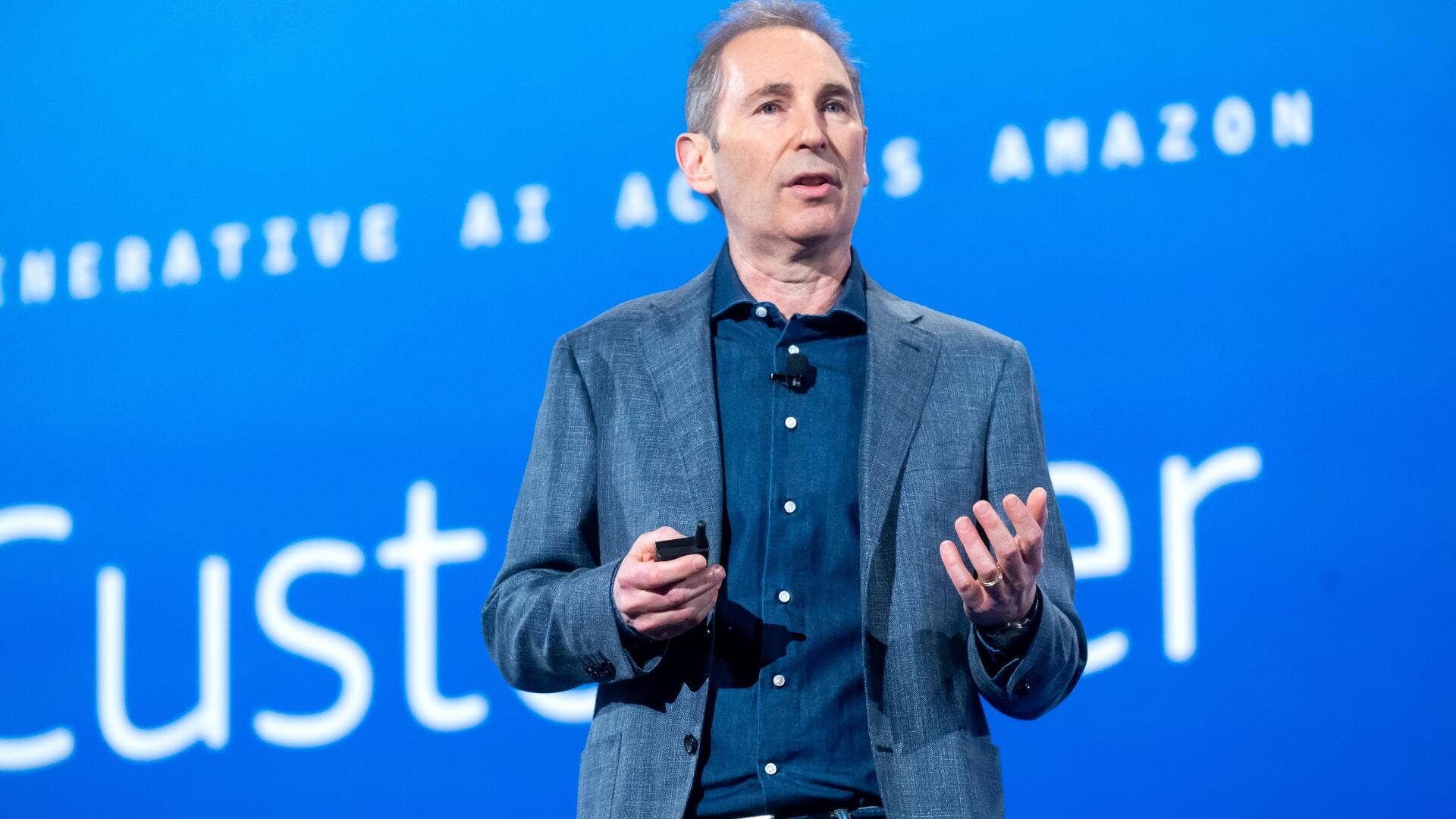
Amazon's $200 billion AI infrastructure investment for AWS represents a watershed moment for e-commerce sellers, signaling that enterprise-grade AI automation tools will soon become accessible at competitive pricing. CEO Andy Jassy announced this capital commitment to revitalize AWS, which has lost market share to Microsoft Azure and Google Cloud—declining to 28% global market share last quarter despite generating $17 billion in operating income and 24% year-over-year revenue growth. This investment directly impacts sellers because AWS powers critical infrastructure for e-commerce platforms, logistics networks, and seller management tools that millions depend on daily.
For sellers, the immediate automation opportunity is substantial. AWS's enhanced AI capabilities will enable access to sophisticated tools for inventory management, demand forecasting, customer analytics, and personalized marketing—potentially at lower costs as Amazon scales these services. Amazon's proven track record with self-developed Trainium and Inferentia AI chips (delivering Nvidia-comparable performance at significantly lower costs) demonstrates execution capability. This means sellers can expect practical, cost-effective AI solutions rather than experimental features. The competitive pressure on AWS from Microsoft's OpenAI partnership and Google's Gemini platform will accelerate pricing improvements and feature releases, benefiting sellers through better tools and potentially more favorable pricing structures.
The strategic context reveals why this matters for seller operations. AWS's market share erosion despite strong revenue growth indicates that cloud infrastructure and AI capabilities have become essential competitive differentiators. Amazon's $200 billion commitment (against 2025 net income of $77.7 billion) signals that AI infrastructure investment is non-negotiable for long-term competitiveness. For sellers, this translates to: (1) improved service reliability and performance for AWS-dependent operations, (2) access to AI-powered recommendation algorithms that improve conversion rates, (3) fraud detection systems that reduce chargebacks and account suspensions, and (4) dynamic pricing tools that optimize margins across multiple marketplaces. The trillion-dollar industry transformation driven by Microsoft, Google, and Amazon's AI initiatives creates a 12-24 month window where early-adopting sellers can gain competitive advantage through AI automation before these tools become commoditized.
Immediate seller actions should focus on three areas. First, audit current AWS usage and identify repetitive tasks in inventory management, pricing, and customer service that consume 10+ hours weekly—these are prime candidates for AI automation. Second, monitor AWS service announcements for new AI-powered features launching in Q1-Q2 2025, particularly around demand forecasting and dynamic pricing. Third, evaluate whether current 3PL providers and seller tools are AWS-dependent; if yes, expect significant feature improvements and potential cost reductions within 6-12 months as AWS scales AI capabilities. Sellers who automate these functions now will capture 15-25% efficiency gains before competitors catch up.
問題 8
What should sellers do to prepare for AWS AI infrastructure improvements?
Sellers should take three immediate actions: (1) Audit current AWS usage and identify repetitive tasks consuming 10+ hours weekly—inventory management, pricing, customer service, fraud detection are prime candidates for AI automation; (2) Document current pain points and efficiency gaps in operations—these will be addressed by new AWS AI features; (3) Monitor AWS service announcements monthly for new AI-powered features launching in Q1-Q2 2025, particularly around demand forecasting and dynamic pricing. Additionally, evaluate whether current 3PL providers and seller tools are AWS-dependent; if yes, expect significant improvements within 6-12 months. Sellers who prepare now will be positioned to implement AI automation quickly when features launch, capturing competitive advantages before tools become commoditized.
How does AWS's market share decline affect seller tool availability and pricing?
AWS's decline to 28% market share—despite strong revenue growth—creates urgency for Amazon to recapture customers through superior AI capabilities. This competitive pressure benefits sellers through faster feature development and aggressive pricing. Microsoft's OpenAI partnership and Google's Gemini platform are forcing AWS to innovate rapidly. For sellers, this means: (1) More AI features launching faster; (2) Competitive pricing as providers battle for market share; (3) Better integration between AWS infrastructure and seller tools; (4) Improved service reliability as AWS invests in infrastructure. The $200 billion commitment signals this competition will intensify over 24 months, creating a favorable environment for sellers to access enterprise-grade AI tools at SMB-friendly pricing.