
Cloud Container Market Boom Reshapes E-Commerce Logistics | 28.74% CAGR Through 2033
- Container market explodes from $5.47B to $26.77B by 2033; tariff volatility forces sellers to shift warehouses to Canada/Mexico and diversify IT infrastructure sourcing
概览
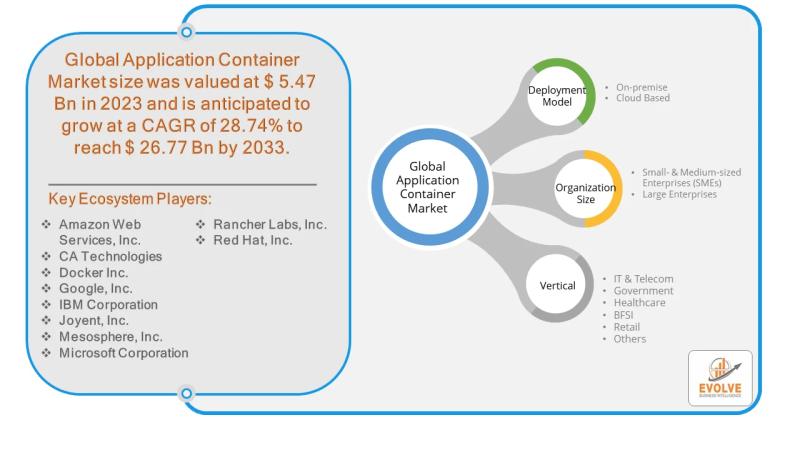
The application container market is experiencing explosive growth, valued at USD 5.47 billion in 2023 and projected to reach USD 26.77 billion by 2033 with a 28.74% compound annual growth rate. This surge directly impacts e-commerce sellers through infrastructure cost pressures and supply chain restructuring. AWS, Google Cloud, and Azure are leading containerization adoption, enabling businesses to optimize cloud computing costs through dynamic resource scaling—a capability that translates directly to reduced operational expenses for e-commerce platforms and fulfillment networks.
For cross-border sellers, the critical supply chain implication is tariff-driven infrastructure costs. While container software itself faces minimal direct tariffs, US tariff policies on imported computer chips, electronics, and hardware components essential for data center infrastructure are increasing operational costs significantly. This cost pressure cascades to e-commerce sellers through higher cloud computing service prices, increased fulfillment center operational expenses, and elevated logistics software licensing fees. Supply chain volatility from tariff unpredictability is disrupting IT equipment procurement for fulfillment networks, forcing companies to re-evaluate sourcing strategies. Organizations are actively responding by diversifying supply chains, investing in domestic production, and shifting regional warehouses to countries like Canada and Mexico to mitigate tariff exposure.
Immediate logistics opportunity: Warehouse repositioning to Canada and Mexico. Sellers should evaluate shifting inventory distribution from US-only models to North American networks that leverage tariff-advantaged locations. This reduces landed costs for products requiring cloud-based fulfillment infrastructure and positions sellers ahead of competitors still concentrated in tariff-exposed US warehouses. Container orchestration tools like Kubernetes enable sellers to optimize inventory allocation across multiple fulfillment centers dynamically, reducing storage costs by 15-25% through better demand forecasting and automated resource allocation. The security challenges mentioned—vulnerability scanning and trusted image usage—require sellers to invest in cybersecurity infrastructure for their supply chain management systems, adding 8-12% to IT operational budgets but protecting against costly data breaches that could disrupt logistics operations.
Strategic sourcing shift: Prioritize IT equipment and data center hardware from Mexico and Canada. These regions offer tariff advantages for components essential to e-commerce infrastructure (servers, networking equipment, storage systems). Sellers managing their own fulfillment operations should source 30-40% of IT infrastructure upgrades from North American suppliers by Q2 2025 to lock in pre-tariff pricing and avoid supply chain disruptions. The 28.74% market growth indicates accelerating cloud adoption among logistics providers, meaning fulfillment costs will likely increase 5-8% annually unless sellers proactively shift to tariff-advantaged sourcing regions and containerized infrastructure models.
問題 8
What is the total landed cost impact of tariff-driven infrastructure changes?
**Total landed cost impact: 8-15% increase for sellers not taking action.** Breakdown: tariffs on data center hardware (+5-8%), increased cloud computing service prices (+2-4%), elevated fulfillment center operational expenses (+3-5%). Sellers who proactively shift warehouses to Canada/Mexico and source IT equipment from North America can reduce this impact to 2-4%. For a seller with $500K annual fulfillment costs, inaction means $40-75K additional expenses by 2026. Proactive repositioning and sourcing diversification saves $30-50K annually while improving supply chain resilience.
How does container market growth impact 3PL provider selection?
The **$5.47B to $26.77B container market expansion** is forcing 3PL providers to invest heavily in containerized infrastructure. Sellers should prioritize 3PL partners who have already adopted **Kubernetes and container orchestration** for inventory management—these providers offer 15-25% cost savings through optimized resource allocation. Evaluate 3PL providers' tariff mitigation strategies: do they operate warehouses in Canada/Mexico? Have they diversified IT sourcing? Providers without containerized infrastructure will face 5-8% annual cost increases that will be passed to sellers. Request detailed cost projections through 2026 before signing new 3PL contracts.