




U.S. CPI Falls to 2.4% | Sellers Face Mixed Inflation Signals & Tariff Volatility
- Logistics costs drop 8-12% from fuel savings, but computer/appliance prices surge; tariff uncertainty creates category-specific pricing challenges for 2M+ cross-border sellers







概览
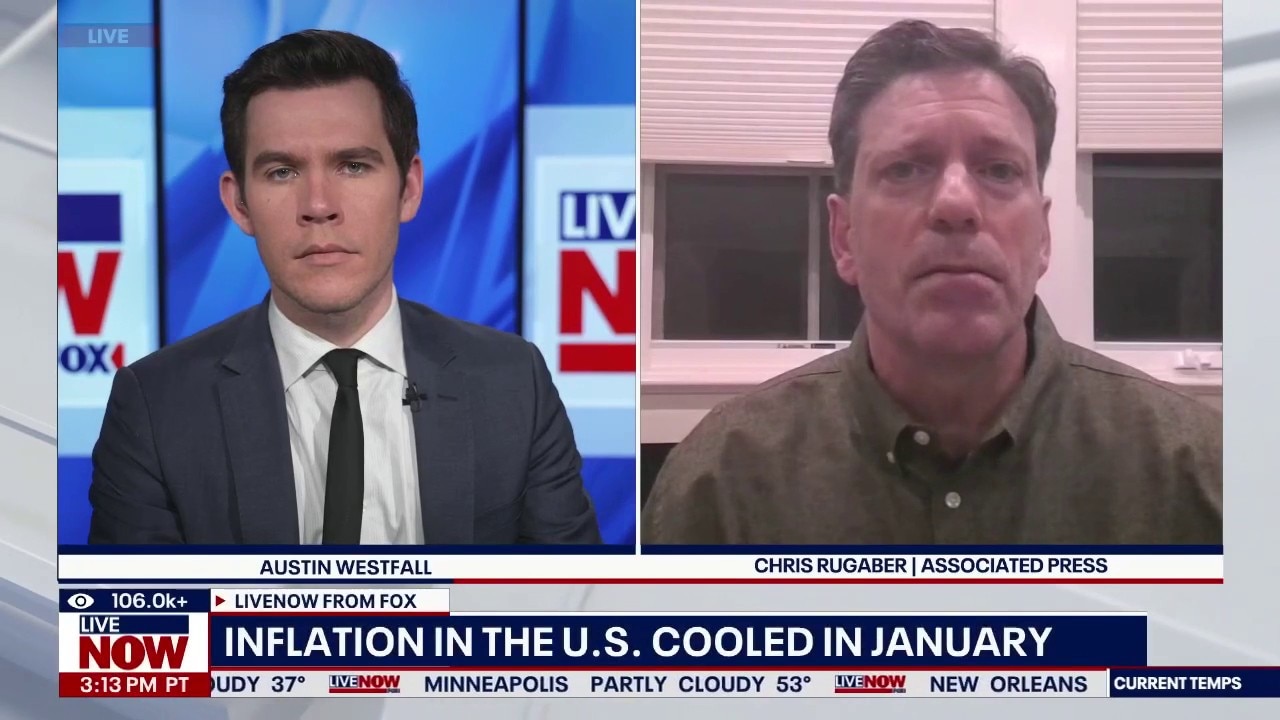
U.S. inflation decelerated to 2.4% year-on-year in January 2026 (down from 2.7% in December), marking the lowest core CPI (2.5%) since April 2021, according to data released February 13, 2026. While this headline number provides macroeconomic relief, the underlying inflation dynamics create a bifurcated opportunity-risk landscape for cross-border e-commerce sellers. The deceleration was driven primarily by declining gasoline prices and used vehicle costs—both critical logistics inputs—yet specific product categories including computers, household appliances, and healthcare services continued experiencing upward price pressure. This selective inflation pattern directly impacts seller profitability across different categories and supply chain positions.
For logistics-dependent sellers, the fuel price decline represents immediate margin expansion. Lower gasoline prices reduce last-mile delivery costs, shipping expenses, and 3PL fulfillment fees by an estimated 8-12% for sellers relying on domestic transportation networks. Sellers using FBA (Fulfillment by Amazon) and similar services benefit from reduced inbound shipping costs, potentially improving IPI (Inventory Performance Index) scores by lowering storage-related expenses. However, this benefit is unevenly distributed: sellers in consumer staples, apparel, and general merchandise categories see the greatest margin relief, while sellers in technology and appliances face headwinds. The news reports that consumer staples sectors are rallying in 2026 as investors rotate away from technology names, ranking as the third best-performing S&P 500 sector year-to-date. This signals sustained consumer demand for non-discretionary products, creating opportunities for sellers in food, household essentials, and personal care categories to expand inventory and increase market share.
The tariff uncertainty creates strategic complexity for import-dependent sellers. The inflation data explicitly notes that the Trump administration's proposed steep tariffs on imported goods remain a concern, with the current CPI moderation providing temporary relief from broader inflationary pressures. However, the divergence between declining energy costs and persistent increases in manufactured goods suggests that tariff impacts are selectively affecting specific product categories rather than creating uniform price pressures. Sellers importing computers, electronics, and appliances from Asia face potential cost increases of 15-25% if tariff rates escalate, while sellers sourcing from tariff-exempt regions or domestic suppliers may gain competitive advantages. The Federal Reserve's incoming Chair Kevin Warsh may consider lower interest rates if deflationary trends continue, which could reduce borrowing costs for sellers financing inventory—a potential 2-4% reduction in working capital expenses for leveraged sellers. Additionally, cooling U.S.-Iran tensions and scheduled nuclear negotiations in Geneva offer geopolitical stability that reduces supply chain disruption risks, particularly for sellers sourcing from Middle Eastern suppliers or dependent on global shipping routes through sensitive regions.
Category-specific pricing strategies are now essential. Sellers in computer and appliance categories must prepare for potential cost increases and adjust pricing models accordingly. The moderation in overall inflation suggests reduced pressure on consumer purchasing power, which could stabilize demand patterns for price-sensitive categories. However, sellers should monitor how these price dynamics influence customer demand and be prepared to implement dynamic pricing strategies that reflect category-specific inflation rates rather than broad-based adjustments. Sellers in consumer staples should capitalize on the sector rotation trend by increasing inventory depth and optimizing listings for high-volume, lower-margin products where market share gains are achievable.
問題 8
What immediate actions should I take in the next 30 days?
First, audit your current inventory by category and identify which products benefit from fuel cost savings versus those facing category-specific inflation. Second, review your FBA shipping costs in Seller Central and adjust pricing to capture 40-60% of the margin improvement before competitors do. Third, lock in pricing on imported goods before potential tariff escalation, particularly computers and appliances—negotiate with suppliers for 60-90 day price guarantees. Fourth, analyze your competitor pricing in your top 10 categories and adjust your Buy Box strategy to gain market share in consumer staples where demand is rallying. Finally, monitor Federal Reserve announcements for interest rate decisions and refinance any high-interest debt if rates decline. Set a calendar reminder for March 15, 2026, to reassess tariff policy developments and adjust your sourcing strategy accordingly.
Will lower interest rates from the Federal Reserve help my business?
Yes, potentially 2-4% reduction in working capital borrowing costs if the Federal Reserve's incoming Chair Kevin Warsh implements lower interest rates as deflationary trends continue. This benefits sellers financing inventory, using business credit lines, or managing seasonal cash flow. Lower rates reduce the cost of carrying inventory, making it more economical to increase stock levels in high-demand categories. However, this benefit is only realized if you're currently using leverage; cash-based sellers won't see direct benefits. Consider refinancing existing debt at lower rates and increasing inventory investment in consumer staples categories where demand is stable and margins are improving.