





China Visa-Free Policy for UK/Canada Sellers | Supply Chain Access Unlocked Through 2026
- Eliminates 5-15 day visa delays for 620K+ British and 221K+ Canadian business travelers; reduces sourcing costs $140-280 per trip; accelerates factory negotiations and supplier due diligence for cross-border sellers



















)



概览
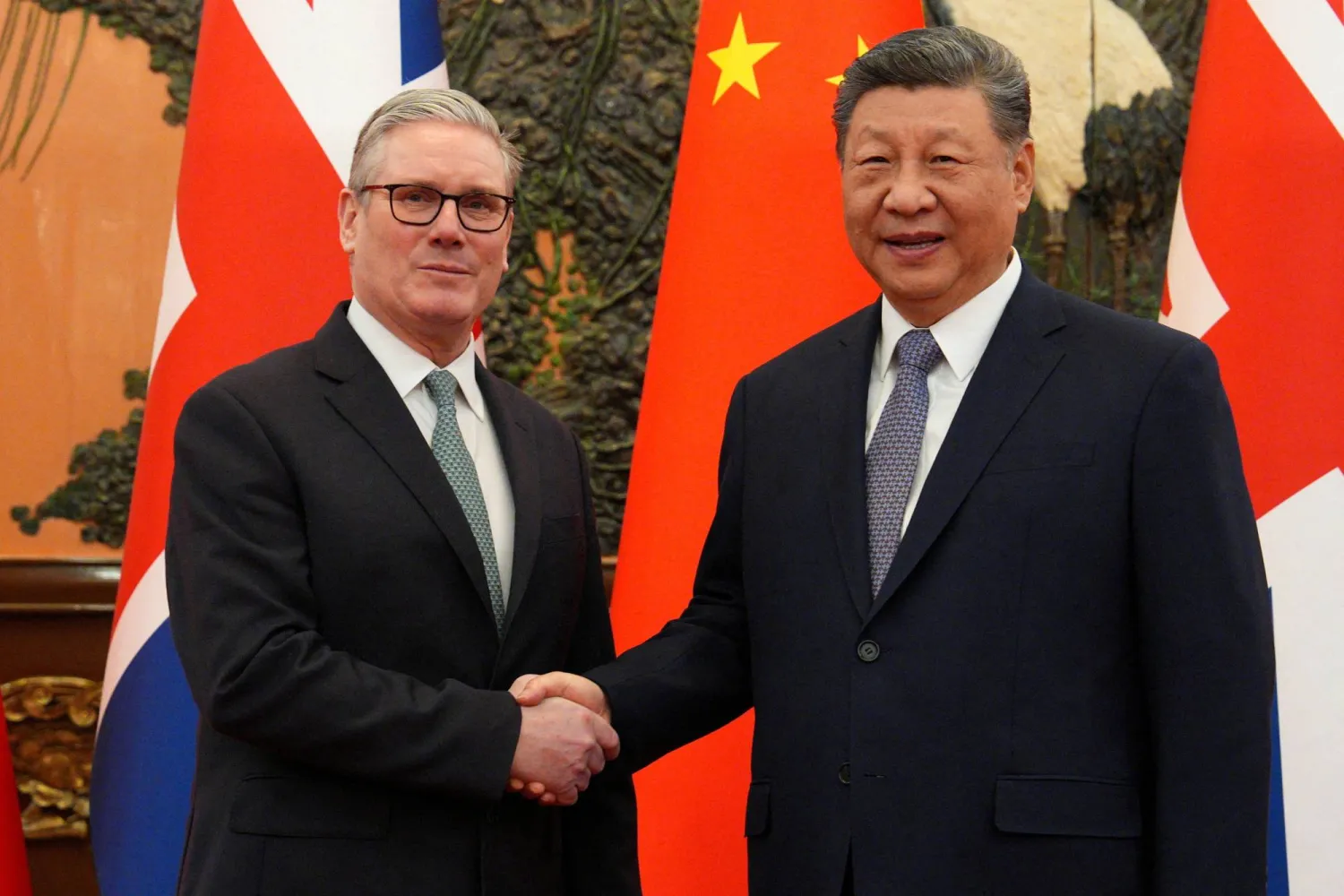
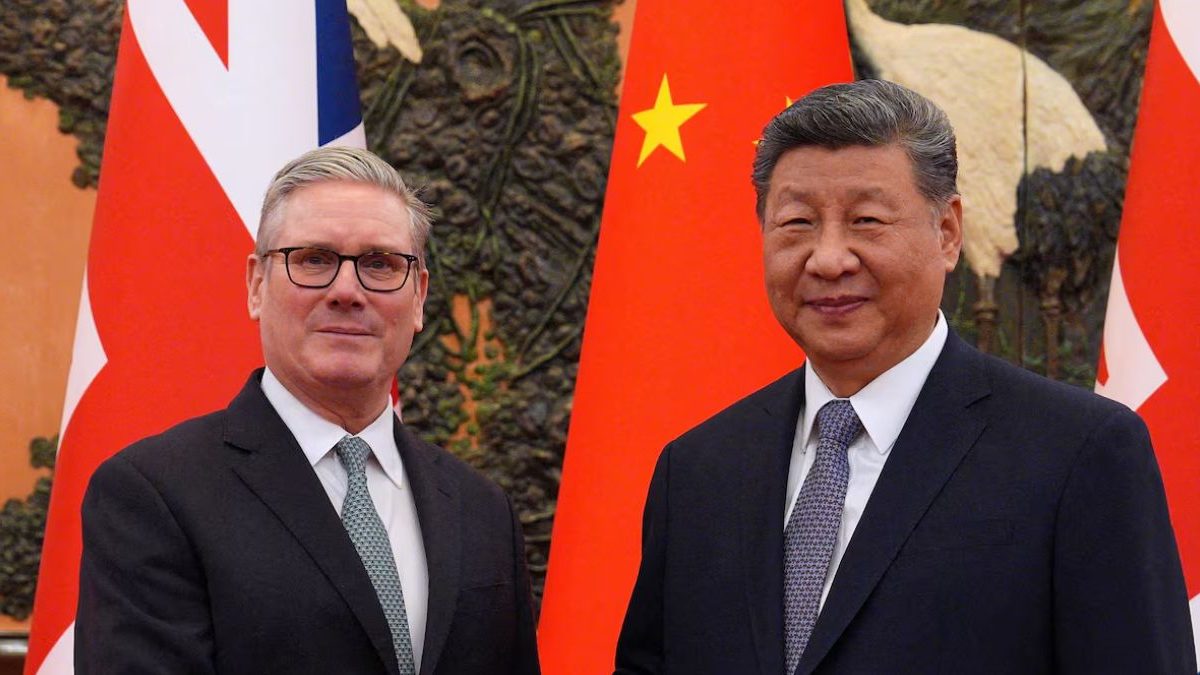
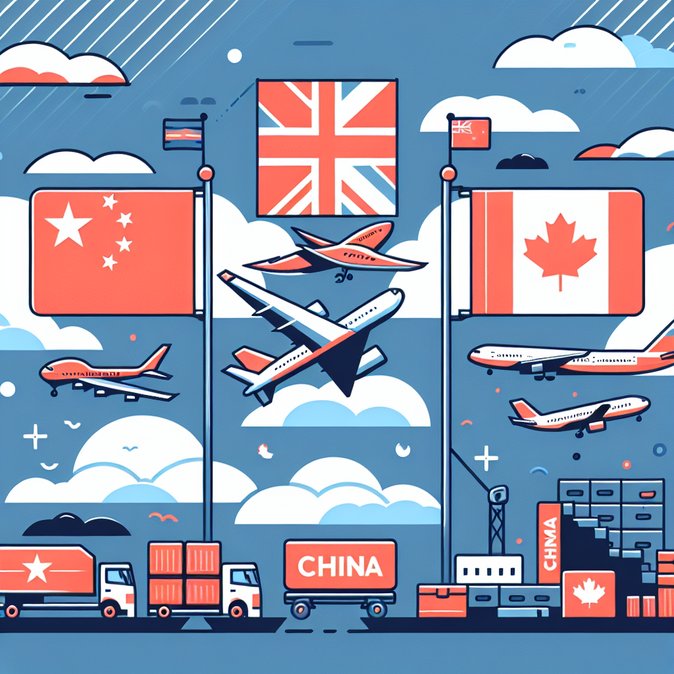
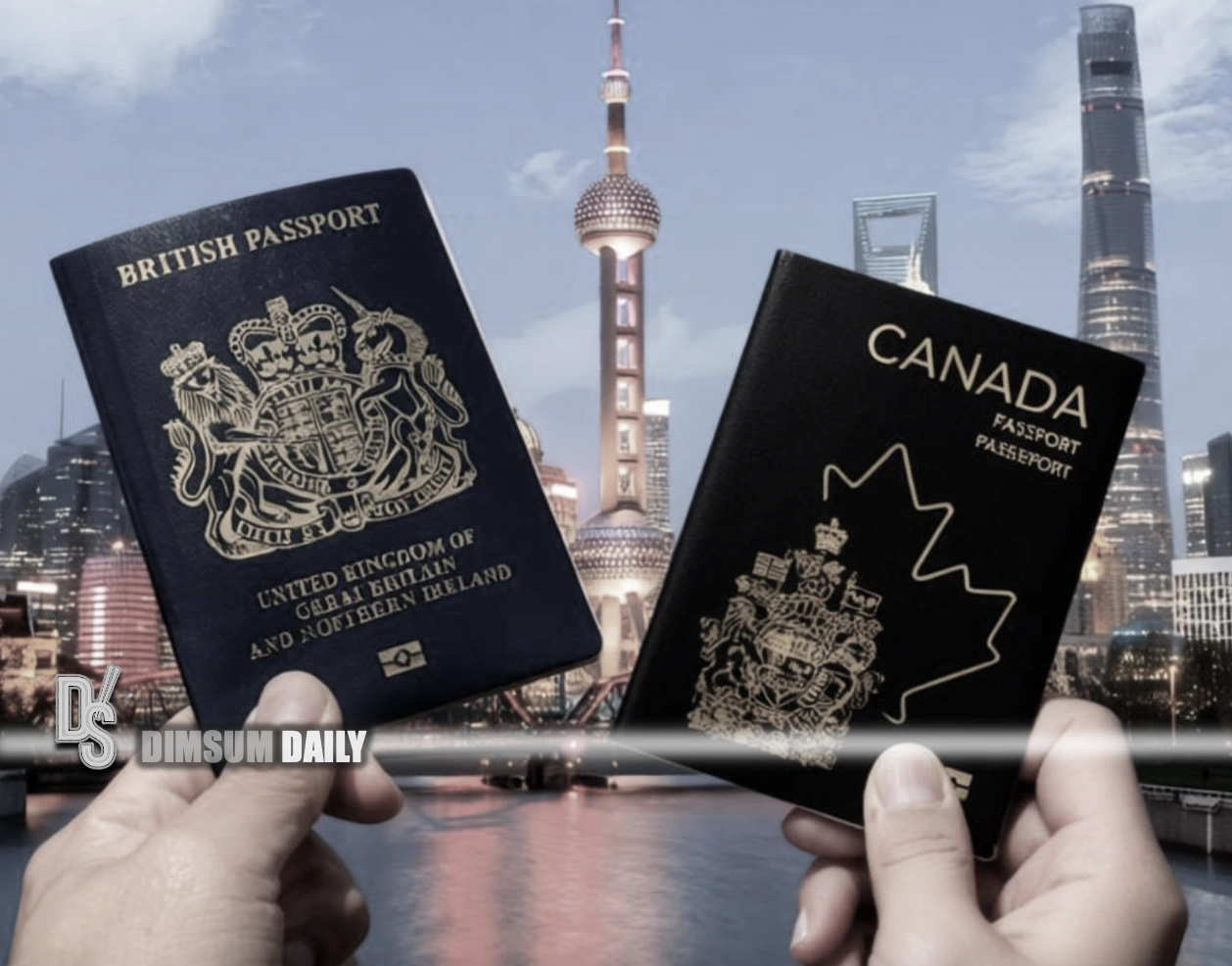
China's expansion of visa-free entry to UK and Canadian nationals through December 31, 2026 represents a transformational policy shift for cross-border e-commerce sellers sourcing from Chinese manufacturers. Effective February 17, 2025, the policy eliminates visa processing delays (typically 5-15 business days) and removes approximately $140 per-traveler visa fees, directly reducing operational friction for sellers managing supply chains. The UK alone saw 620,000 travelers visit China in 2024, with visa-free access expected to substantially increase this volume. Canadian visitor numbers doubled year-over-year (100,000 in Q1 2024 to 221,000 in Q1 2025), signaling accelerating business travel momentum. This policy arrives alongside concurrent trade agreements: Canada secured access for 50,000 Chinese-made electric vehicles at reduced tariff rates, while China reduced levies on canola seeds and promised tariff elimination on additional products—indicating broader normalization of bilateral commerce.
For e-commerce sellers, the operational impact is substantial across three dimensions. First, supply chain acceleration: Sellers can now conduct in-person factory inspections, negotiate directly with manufacturers, and perform supplier due diligence without visa processing delays. A typical sourcing trip requiring 3-4 weeks (visa application + processing + travel) now compresses to 1-2 weeks, enabling faster product development cycles and time-sensitive negotiations. Second, cost reduction: Eliminating $140 visa fees per business traveler, combined with reduced travel planning overhead, saves $280-560 annually for sellers making 2-4 annual sourcing trips. For small-to-medium sellers (SMBs) managing tight margins, this represents meaningful cost recovery. Third, market access democratization: The policy particularly benefits UK and Canadian SMBs previously deterred by visa friction. The Canadian Chamber of Commerce explicitly noted the policy will help Canadian companies "connect with one of the world's largest markets" across agriculture, technology, and investment sectors—categories with significant e-commerce components.
The timing window is critical for competitive advantage. The policy runs through December 31, 2026, creating an 11-month window before potential renegotiation. Sellers who establish direct manufacturer relationships during this period gain first-mover advantages in sourcing negotiations, product customization, and supply chain optimization. The concurrent tariff reductions (50,000 EV units to Canada, canola seed levies eliminated) signal China's commitment to sustained bilateral trade normalization, reducing regulatory uncertainty for long-term sourcing commitments. However, sellers should note the policy's temporary nature—renewal is not guaranteed beyond 2026, creating urgency for establishing stable supplier relationships and negotiating multi-year contracts during this window. The geopolitical context (US-China tensions referenced in concurrent Munich Security Conference discussions) adds uncertainty, making 2025-2026 the optimal period to lock in manufacturing partnerships before potential policy reversals.
問題 7
Which e-commerce product categories benefit most from easier China sourcing access?
Categories with high customization requirements and supplier relationship intensity benefit most: electronics (custom PCBs, components), apparel (fabric sourcing, manufacturing), home goods (furniture, décor), and consumer electronics (accessories, gadgets). These categories typically require in-person factory inspections, quality control verification, and direct manufacturer negotiations. The visa-free policy particularly advantages sellers in these categories who previously faced 2-3 week visa delays, now enabling weekly factory visits for quality assurance and product iteration.
How does China's visa-free policy reduce sourcing costs for UK and Canadian e-commerce sellers?
The policy eliminates approximately $140 per-traveler visa fees and reduces processing delays from 5-15 business days to zero, saving sellers $280-560 annually on 2-4 annual sourcing trips. More significantly, compressed timelines enable faster factory negotiations and supplier due diligence. A typical sourcing cycle requiring 3-4 weeks (visa application + processing + travel) now compresses to 1-2 weeks, reducing opportunity costs and enabling time-sensitive product development. For SMBs managing 15-25% margins, this cost recovery directly improves profitability on sourced products.