

Solid-State Battery Boom Creates $8B+ Aftermarket Opportunity for E-Commerce Sellers
- Multiple OEM launches 2027-2028 drive demand for EV accessories, diagnostic tools, and installation services; lithium prices surge 237% by 2026 reshaping battery supply chains







概览
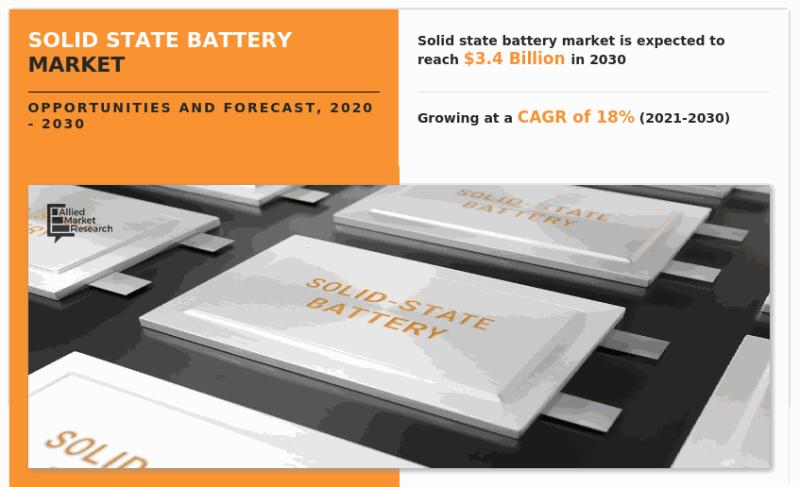
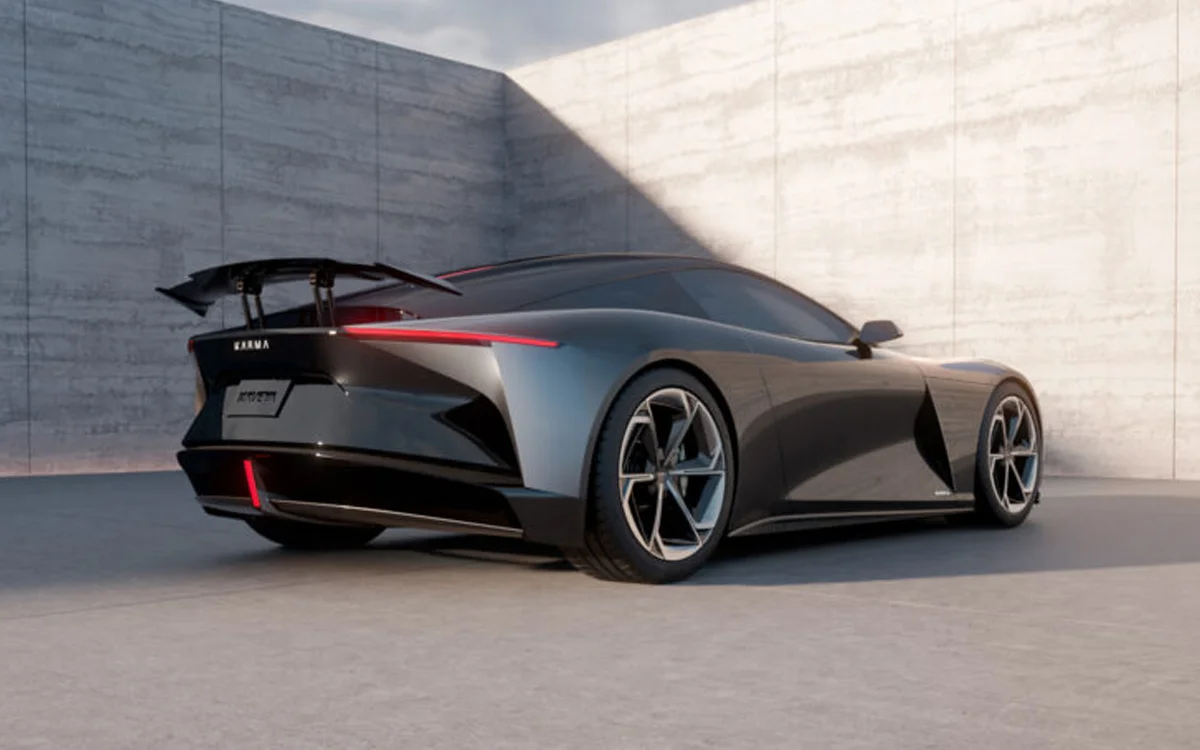
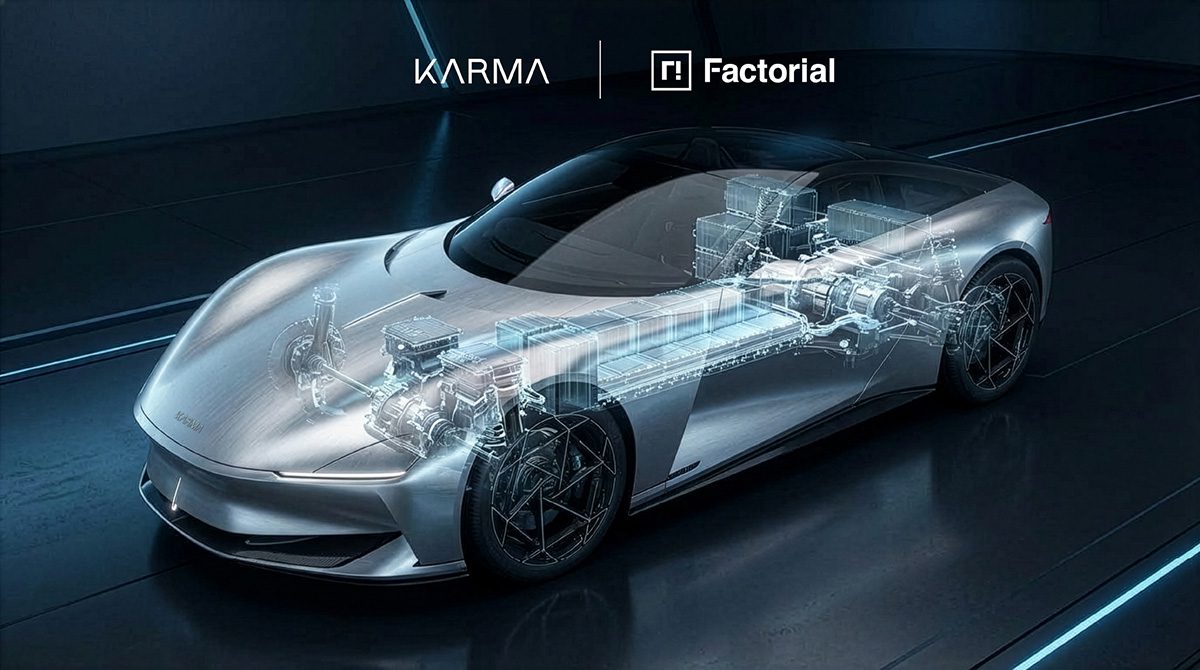
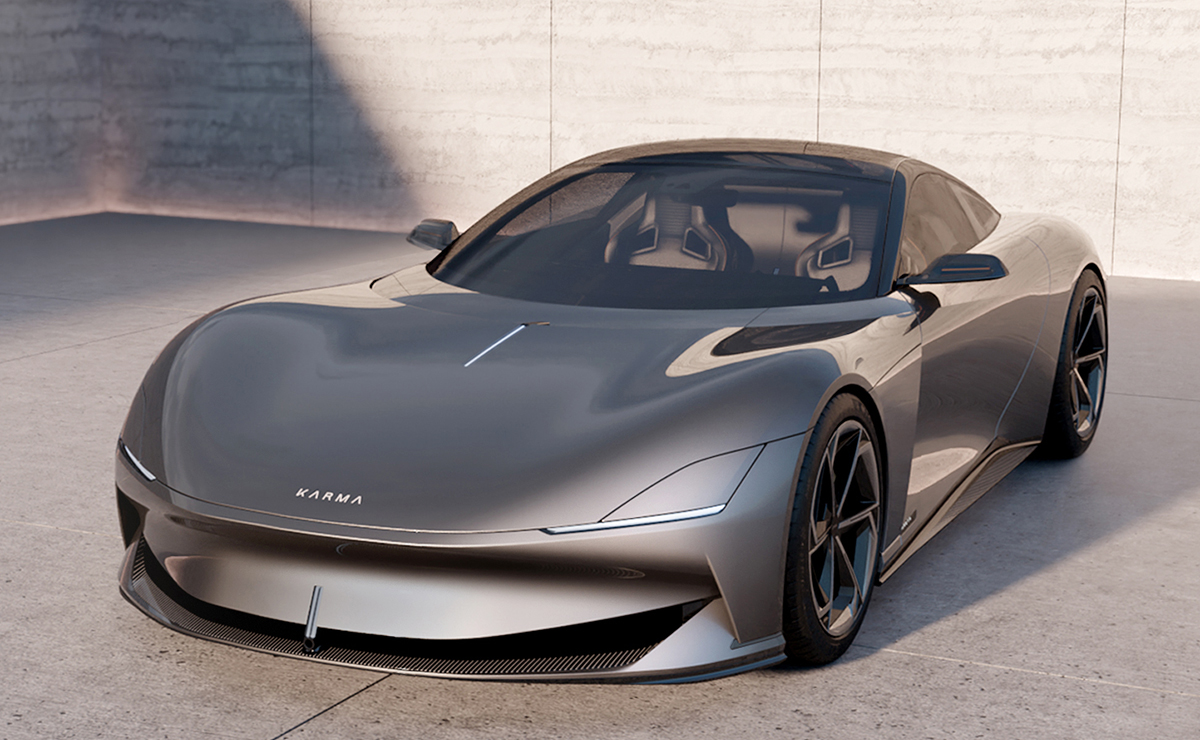
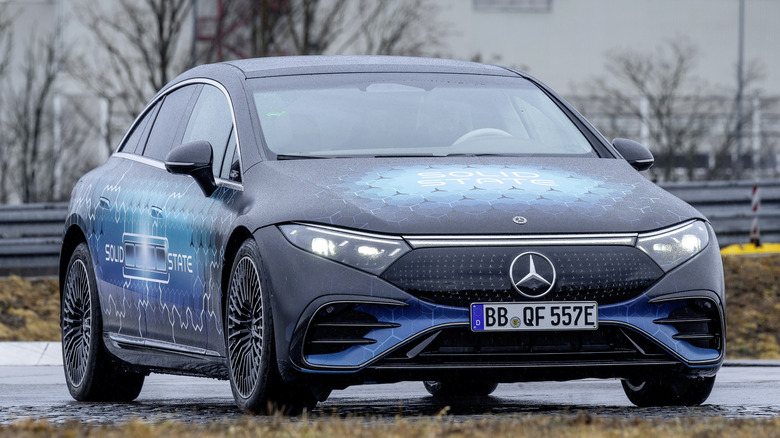
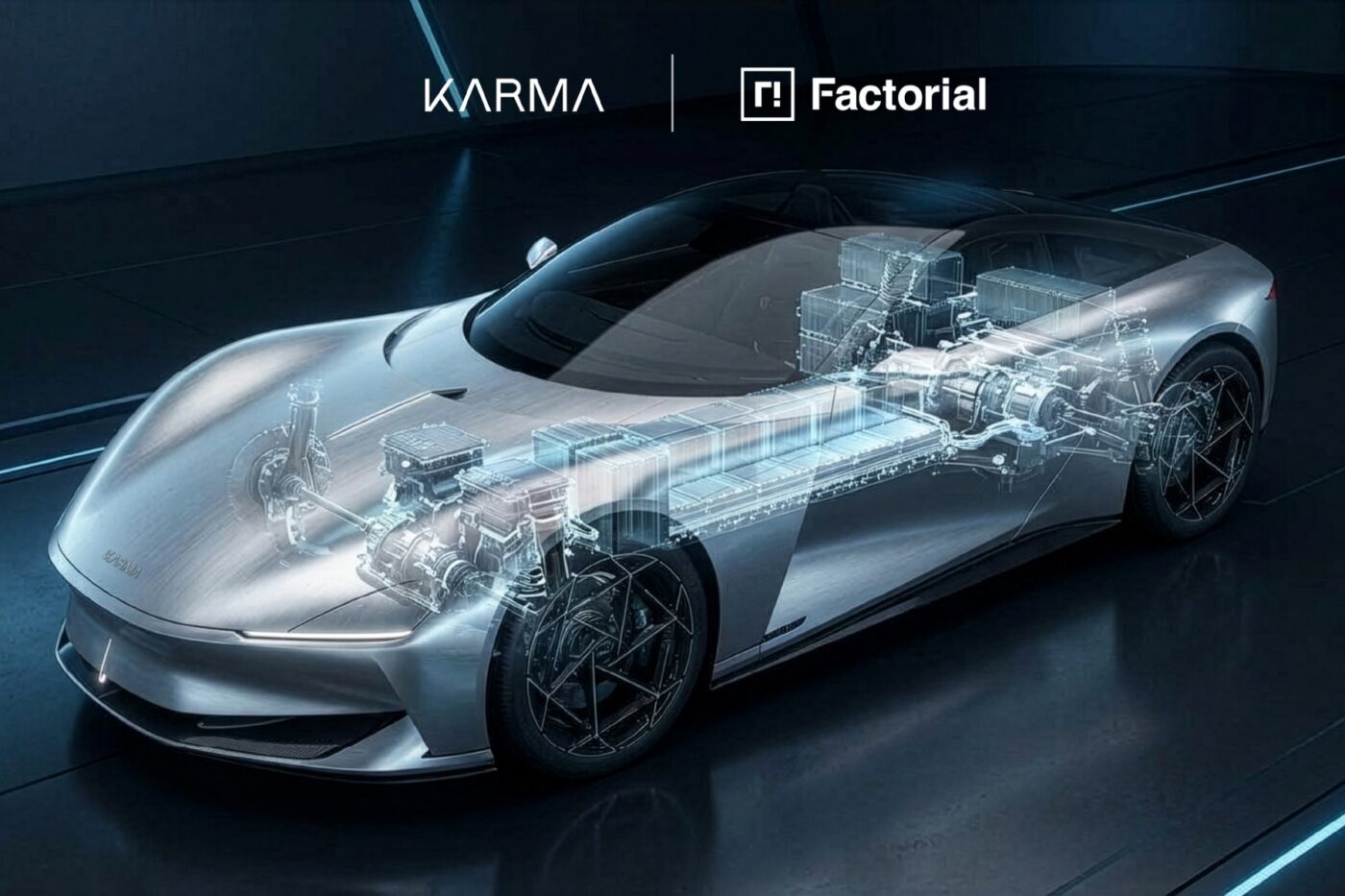
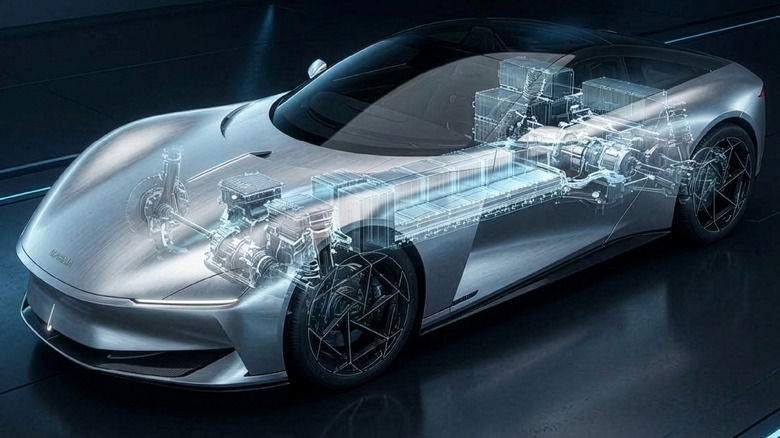
The solid-state battery (SSB) market is transitioning from research to mass commercialization, creating unprecedented opportunities for e-commerce sellers across automotive aftermarket, battery components, and EV accessories categories. Three critical developments converge in February 2026: QuantumScape inaugurated its Eagle Line pilot production facility in California, while Factorial Energy partnered with Karma Automotive to debut the Kaveya super coupe with solid-state batteries in late 2027. Simultaneously, major OEMs announced aggressive timelines—Toyota targeting 2027-2028 launches, Nissan building a pilot plant for 2028 commercial deployment, and BMW planning 2030s introduction. This acceleration signals the industry is moving beyond R&D into manufacturing scale-up, with profound implications for supply chains and seller inventory strategies.
Supply Chain Disruption Creates Pricing Volatility: The technical challenges underlying SSB production directly impact seller costs. According to Dr. Jordan Lindsay of Minviro, solid-state batteries require 5-10 times more lithium than conventional EV batteries, compounding existing supply constraints. Lithium prices are projected to reach $28,000 per ton by 2026—a 237% increase from summer 2024 spot prices of $8,300 in China, where 80% of global lithium processing occurs. This price surge will cascade through battery component suppliers, increasing costs for sellers sourcing replacement batteries, thermal management systems, and ceramic separators. Sellers in the battery supply chain should anticipate 15-25% cost increases for lithium-dependent products through 2027.
Market Segmentation Creates Tiered Selling Opportunities: Gartner Vice President Pedro Pacheco projects a three-tier battery market hierarchy emerging over 5-10 years: premium solid-state batteries for luxury EVs, conventional lithium-ion/LFP for mid-range vehicles, and sodium-ion batteries for budget segments. This segmentation creates distinct seller opportunities. Premium EV owners (Mercedes, BMW, Karma) will demand specialized diagnostic tools, performance monitoring devices, and premium replacement components—high-margin categories with 40-60% gross margins. Mid-market sellers can focus on conventional battery accessories with stable pricing, while budget-conscious sellers should develop sodium-ion compatible products ahead of 2028-2030 mass adoption. Early movers will produce limited SSB volumes this decade due to high costs and production constraints, but higher production volumes beginning in 2030+ will create mass-market opportunities.
Emerging Product Categories and Service Opportunities: The shift toward solid-state technology creates demand for specialized installation services, diagnostic tools, and replacement components not yet available at scale. Sellers should monitor opportunities in: (1) thermal management accessories—solid-state batteries dissipate heat less efficiently than liquid-electrolyte systems, creating demand for cooling solutions; (2) safety diagnostic tools—lithium dendrite formation presents critical safety concerns requiring specialized monitoring equipment; (3) ceramic separator components and assembly tools for aftermarket repairs; (4) charging optimization devices designed for faster-charging SSB capabilities. The 12-18 month window between now and late 2027 Karma Kaveya launch provides critical preparation time for product development and supply chain positioning. Sellers should also monitor traditional lithium-ion battery supplier disruption—as OEMs transition to SSB, conventional battery component suppliers face margin compression, potentially creating acquisition opportunities or partnership openings for agile sellers.
問題 8
How will traditional lithium-ion battery suppliers be affected by solid-state battery adoption?
Traditional lithium-ion battery suppliers face significant market disruption as OEMs transition to solid-state technology. Conventional battery component suppliers will experience margin compression and volume decline in premium vehicle segments through 2030, but mid-range and budget segments will continue using lithium-ion/LFP and sodium-ion batteries respectively. This creates acquisition opportunities for agile sellers—distressed suppliers may offer inventory discounts or partnership opportunities. Sellers should monitor supplier consolidation announcements and consider acquiring inventory or intellectual property from suppliers exiting the premium battery market. The transition will occur gradually throughout the 2020s-2030s, with battery technology diversity increasing rather than consolidating around a single solution.
What is the timeline for e-commerce sellers to prepare for solid-state battery market opportunities?
The critical preparation window is 12-18 months (now through late 2027) before the Karma Kaveya launch and subsequent Toyota/Nissan introductions. Sellers should immediately: (1) research thermal management and diagnostic tool requirements for SSB-equipped vehicles; (2) develop supplier relationships with ceramic separator manufacturers and battery component providers; (3) monitor lithium price trends and lock in long-term contracts before Q2 2026; (4) create product roadmaps for premium aftermarket accessories targeting luxury EV owners; (5) evaluate sodium-ion battery compatibility for budget-segment products launching 2028-2030. Sellers who establish supply chains and product portfolios by Q4 2027 will capture first-mover advantages in the 2028-2030 mass-market transition.