



India RBI Lending Curbs Impact Cross-Border Sellers | Working Capital Crisis
- RBI bans broker proprietary trading loans effective April 1, 2026; higher collateral requirements increase financing costs 15-25% for Indian sellers and supply chain partners


&format=webp&quality=medium)




_headquarters_building_in_Mumbai%2C_India%2C_on_Wednesday%2C_Aug_6%2C_2025._Photographer_Dhiraj_Singh_Bl_-APP.jpg&w=1920&q=75)

































概览
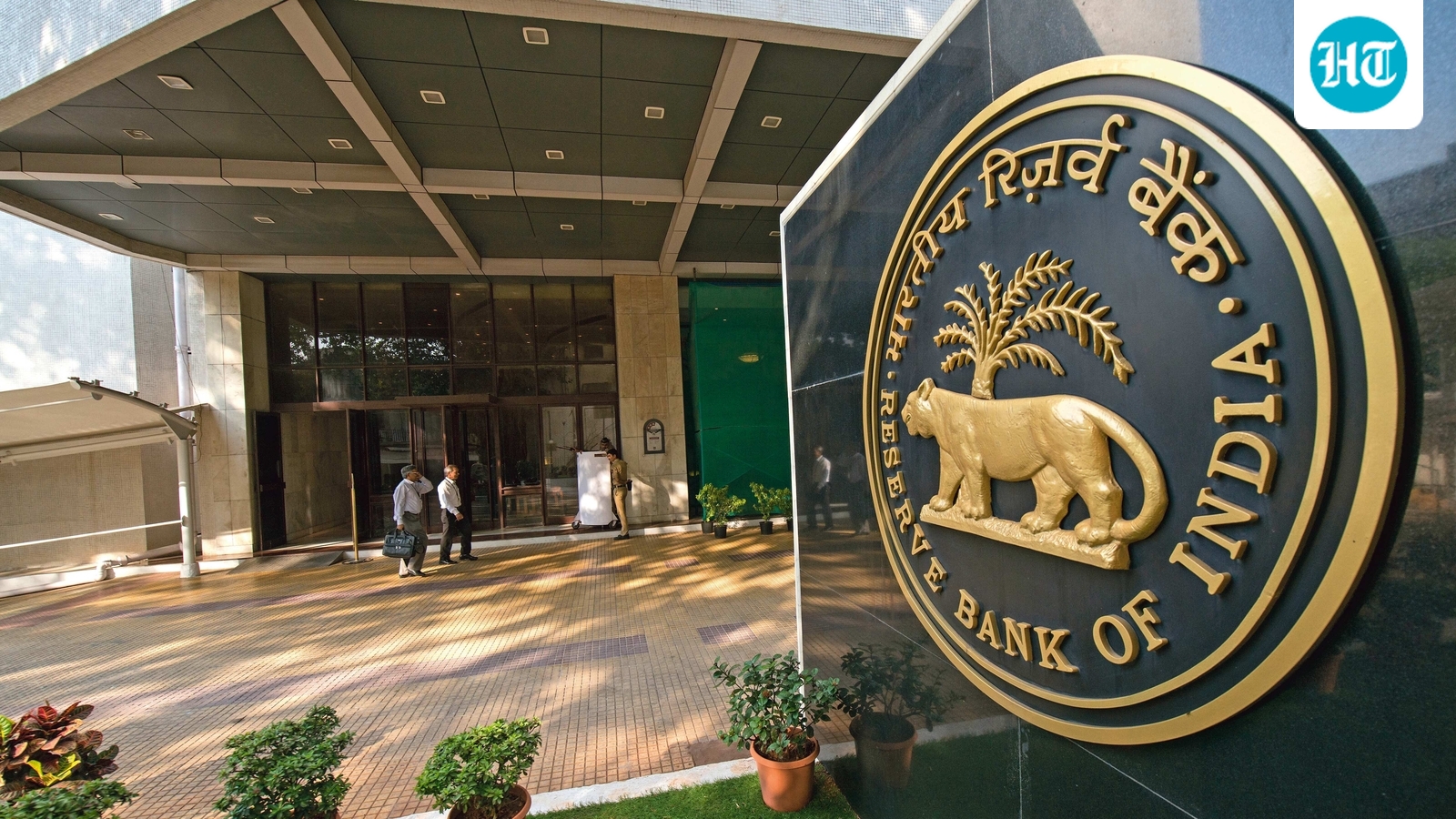
India's Reserve Bank has implemented sweeping restrictions on capital market financing that directly threaten cross-border e-commerce sellers' working capital access and supply chain financing options. Effective April 1, 2026, the RBI has banned all lending for proprietary trading by brokers and imposed 100% collateral requirements for remaining credit facilities—a regulatory shift that will cascade through India's financial system and impact sellers relying on trade finance, inventory loans, and supply chain financing.
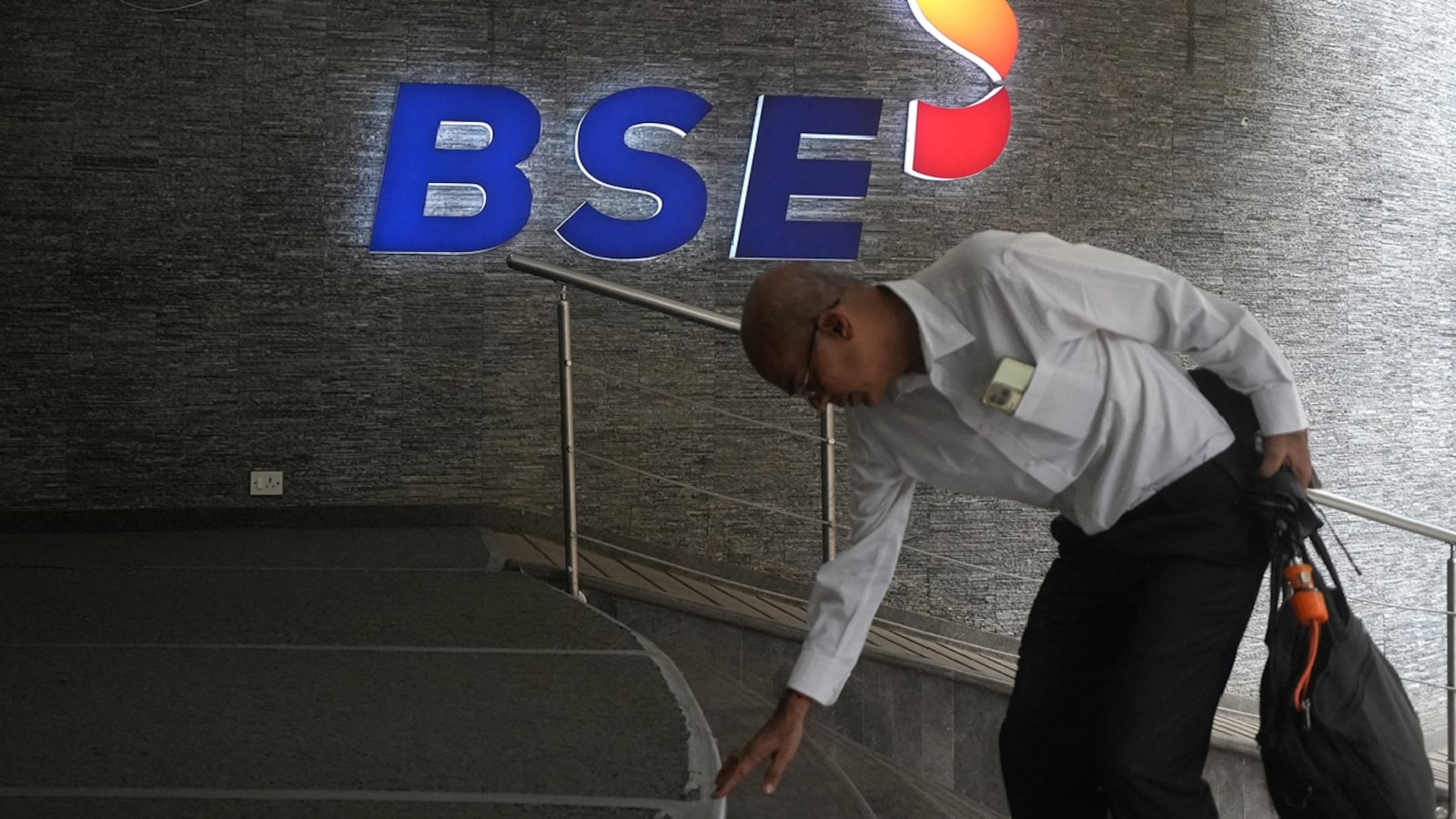
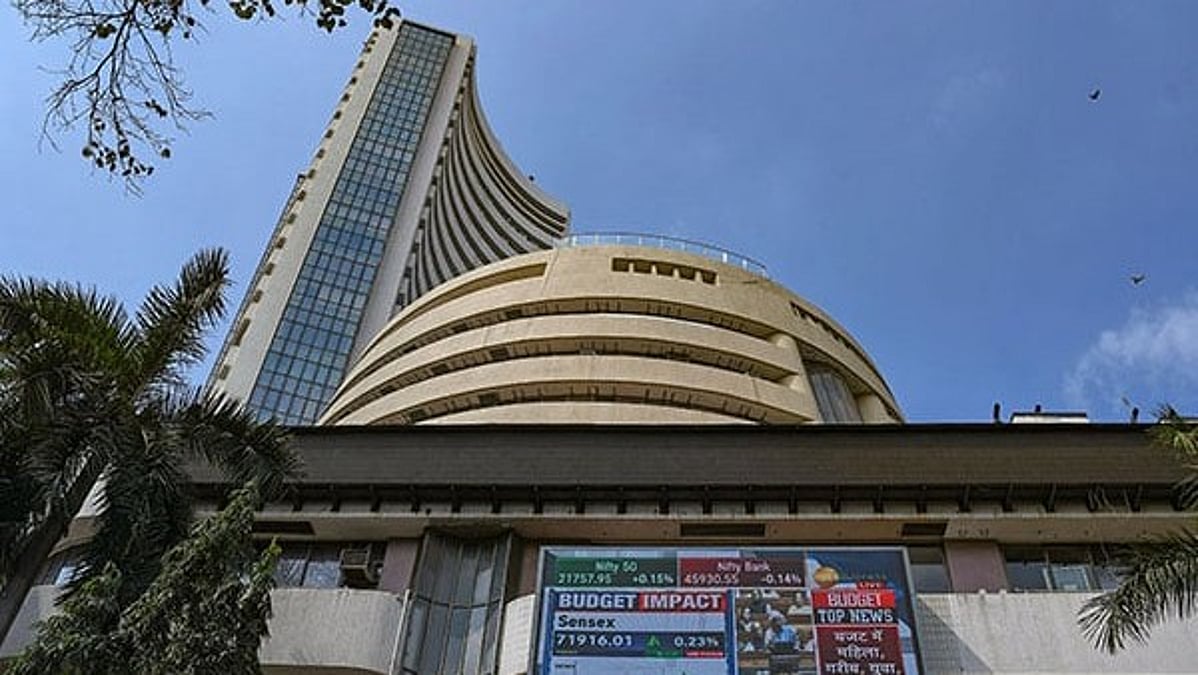
The immediate financial impact is severe for sellers with Indian operations or supply chain exposure. The RBI's February 15, 2026 announcement triggered a 9.9% drop in the Bombay Stock Exchange and 3.3-9.5% declines in major brokerage stocks (Groww, Angel One, Motilal Oswal). Proprietary trading accounts for approximately 50% of equity options premium turnover, meaning the ban eliminates a major source of market liquidity. For cross-border sellers, this translates to: (1) Higher working capital costs: Banks facing stricter collateral requirements will pass costs to SME borrowers through 15-25% APR increases on inventory financing and invoice factoring; (2) Reduced credit availability: Mid-sized Indian suppliers and manufacturers will face approval delays of 4-8 weeks as banks adopt "wait-and-see" approaches per News 3; (3) Supply chain financing squeeze: Trade finance products (letters of credit, supply chain financing) will become more expensive and harder to access, directly affecting sellers' ability to finance inventory purchases from Indian manufacturers.
The regulatory environment creates a three-month window (February-April 2026) for sellers to restructure financing before implementation. Sellers with Indian manufacturing partners or inventory held in India should immediately: (1) Accelerate invoice factoring: Lock in current rates before April 1 deadline; proprietary trading restrictions will reduce secondary market liquidity for factored invoices, increasing costs 8-12%; (2) Shift to alternative financing: Explore non-bank lenders (fintech platforms, supply chain finance providers) now offering 12-18% APR vs. traditional bank rates climbing to 18-24%; (3) Optimize cash conversion cycles: Reduce Days Inventory Outstanding (DIO) by 15-20 days through faster inventory turnover or pre-selling strategies; (4) Diversify supplier base: Reduce dependency on Indian suppliers requiring trade credit, as their financing costs will rise 20-30%, increasing COGS by 3-5%.
The broader market impact signals reduced liquidity and tighter credit conditions across India's economy through Q2-Q3 2026. The RBI's coordinated actions—including February 2026 equity derivative taxes and revised margin rules—indicate authorities are prioritizing financial stability over growth. This creates a 6-12 month period of elevated financing costs and reduced credit availability. Sellers should monitor: (1) Rupee depreciation risk: Tighter credit conditions historically precede currency weakness; hedge INR exposure through forward contracts or natural hedges; (2) Supplier payment delays: Indian manufacturers facing financing constraints may extend payment terms 30-60 days; build cash reserves accordingly; (3) Competitive consolidation: Larger sellers with access to international financing will gain market share; smaller sellers may exit or consolidate.
問題 8
How should sellers monitor and prepare for April 1, 2026 implementation?
Sellers should establish a compliance monitoring checklist: (1) audit all active financing arrangements by February 28; (2) identify collateral requirements for each facility; (3) calculate cost increases under new 100% collateral rules; (4) lock in rates for 12-month facilities by March 10; (5) establish backup financing relationships by March 25. Monitor RBI website (rbi.org.in) for implementation guidance. Track Bombay Stock Exchange (BSE) performance as a leading indicator of credit market tightening. Expect 4-8 week approval delays for new financing requests after April 1; plan accordingly.
What M&A financing challenges will Indian sellers face under new RBI rules?
News 3 indicates RBI's M&A financing framework has created approval barriers and extended timelines. Banks face increased compliance requirements and documentation standards, slowing M&A loan processing 4-8 weeks. Mid-sized sellers seeking acquisition financing will encounter higher approval barriers and more stringent eligibility criteria. Smaller financial institutions are adopting wait-and-see approaches, reducing credit availability. Sellers planning acquisitions should: (1) begin financing discussions by March 1, 2026; (2) prepare comprehensive documentation packages; (3) consider alternative financing (private equity, seller financing) if bank approval timelines exceed 8 weeks.