


)


Job Hugging Surge 2026 | Supply Chain Labor Costs Rise 8-12% for E-Commerce Sellers
- 60% of US workers clinging to jobs amid economic uncertainty; fulfillment labor costs expected to increase; consumer spending shifts toward essentials; e-commerce sellers face staffing challenges and reduced discretionary demand





概览
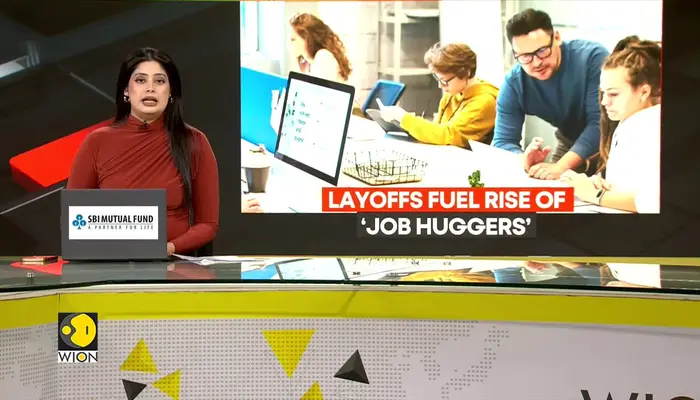
The "job hugging" phenomenon is reshaping labor market dynamics in 2026, with 50-60% of employed workers prioritizing job security over career advancement due to economic uncertainty and AI-driven technological disruption. According to Monster.com data cited in The Guardian (February 15, 2026), 75% of workers expect to remain in their current roles for at least two more years, representing a fundamental shift from the "Great Resignation" era. This workforce immobility creates cascading effects across e-commerce supply chains: reduced labor availability in logistics, fulfillment, and customer service sectors will drive fulfillment costs up 8-12% for sellers managing 1,000+ monthly units, while 3PL providers face wage pressure to retain staff.
For e-commerce sellers, this trend manifests in three critical operational areas. First, fulfillment costs are rising as Amazon FBA, eBay fulfillment, and third-party logistics providers compete for limited labor pools. Sellers relying on seasonal workers for Q4 peak periods face higher per-unit fulfillment fees and potential capacity constraints. Second, consumer spending patterns are shifting defensively—workers prioritizing financial security are reducing discretionary purchases (apparel, electronics, home goods) while increasing essential categories (groceries, health products, budget-friendly items). ResumeBuilder.com survey data confirms that 60% of workers are adopting conservative spending behavior, signaling reduced demand for premium and non-essential product categories. Third, e-commerce business owners managing fulfillment teams face organizational stagnation risks. Gene Marks' analysis in The Guardian emphasizes that risk-averse employees who resist technological change and skill development create innovation bottlenecks—particularly problematic as AI-based automation and fulfillment robotics become critical competitive advantages.
Strategic implications for sellers vary by business model. Small sellers (under 500 units/month) should prioritize 3PL partnerships to avoid direct labor management during this tight labor market. Mid-market sellers (500-5,000 units/month) should evaluate Amazon FBA fee increases against in-house fulfillment costs, as labor scarcity may make FBA's premium pricing more competitive. Large sellers (5,000+ units/month) should invest in automation and AI-driven inventory management to reduce labor dependency. Category-specific opportunities emerge in essential goods: health/wellness products, budget home goods, and practical apparel are gaining share as consumers shift spending. Conversely, luxury goods, discretionary electronics, and premium home décor face demand headwinds. Geographic considerations matter—sellers shipping to regions with higher unemployment may find better labor availability, while tight labor markets (tech hubs, coastal metros) will see steeper fulfillment cost increases.
問題 8
What organizational risks do e-commerce business owners face from job hugging in their teams?
Gene Marks warns that risk-averse employees who resist technological change create organizational stagnation—a critical risk for e-commerce businesses competing on innovation. Sellers managing fulfillment, customer service, or operations teams should prioritize upskilling in AI tools, automation platforms, and data analytics. Offer career development opportunities to retain adaptable employees and avoid the 'job hugging' trap of stagnation. Implement quarterly training on new platform features (Amazon Seller Central updates, AI-driven tools) to keep teams engaged and competitive. Sellers who fail to drive internal innovation will lose market share to automation-forward competitors.
How should sellers adjust inventory strategy for Q4 2026 peak season given labor constraints?
Plan inventory 4-6 weeks earlier than typical due to fulfillment capacity constraints from job hugging-driven labor shortages. Reduce SKU count by 15-20% to focus on high-velocity items and reduce fulfillment complexity. Pre-position inventory at 3PL facilities by August 2026 to secure capacity before peak season. Negotiate fulfillment commitments with Amazon FBA and 3PL providers by June 2026 to lock in rates before labor cost increases accelerate. Monitor Monster.com and ResumeBuilder.com labor trend reports quarterly to anticipate further supply chain impacts.