

_vtcpT0o.jpg?width=570&quality=85&format=jpg&dpr=3&auto=webp)




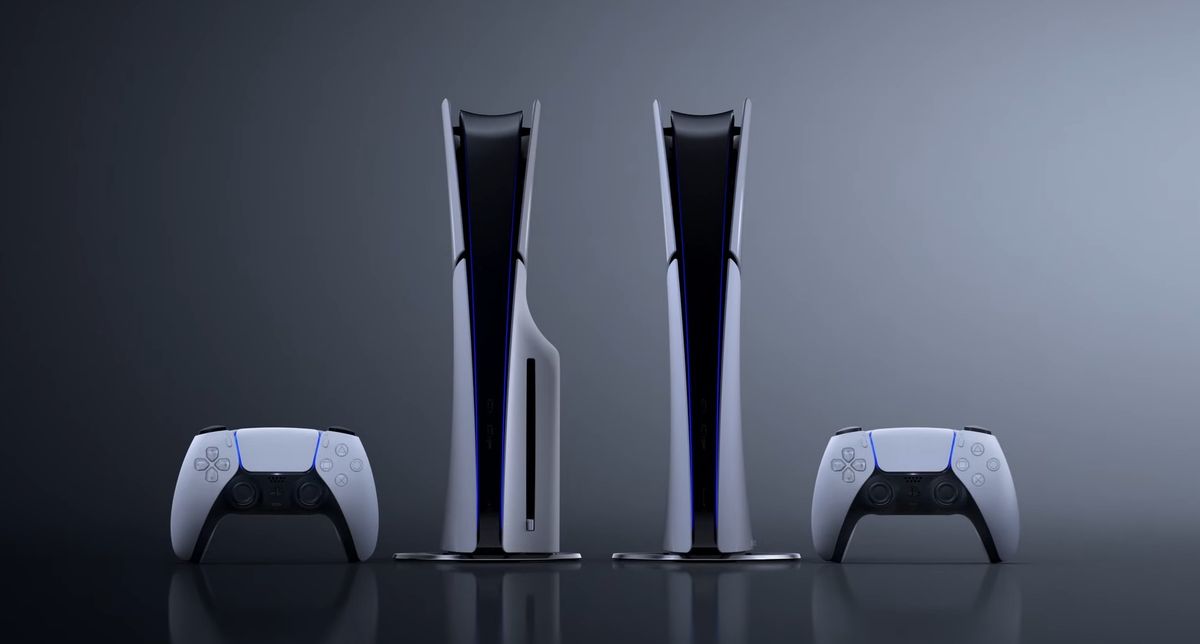

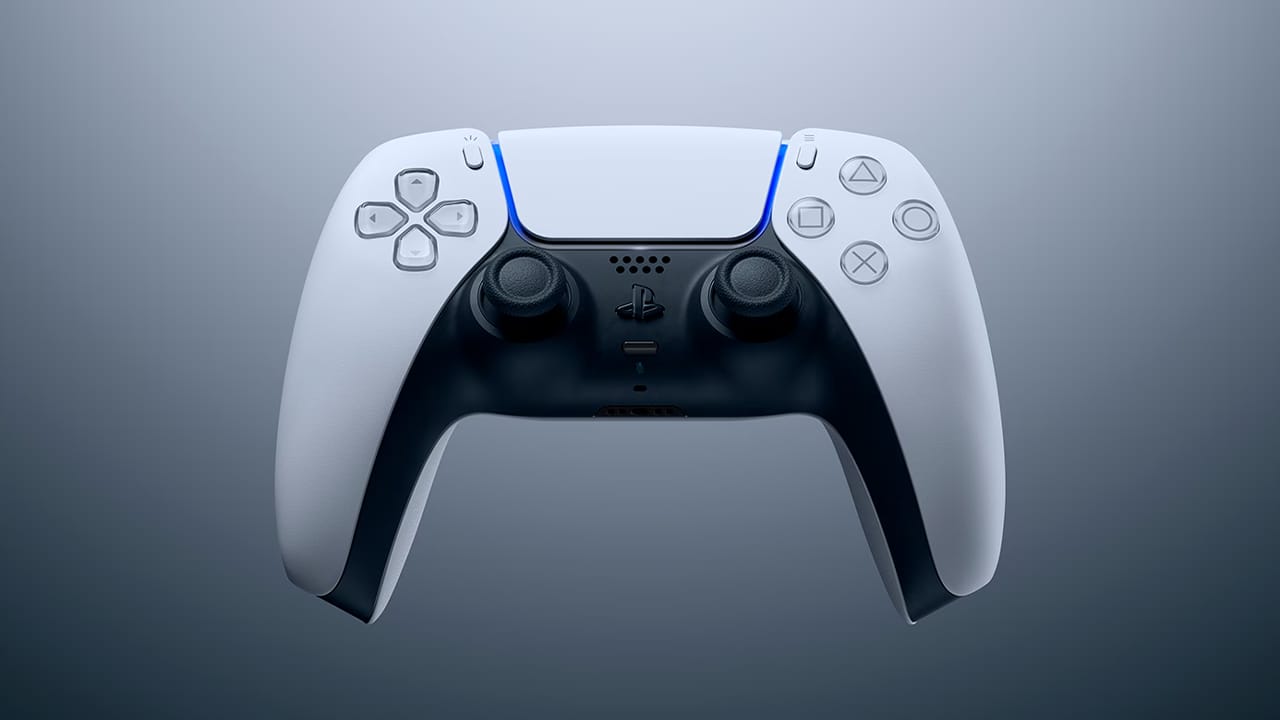

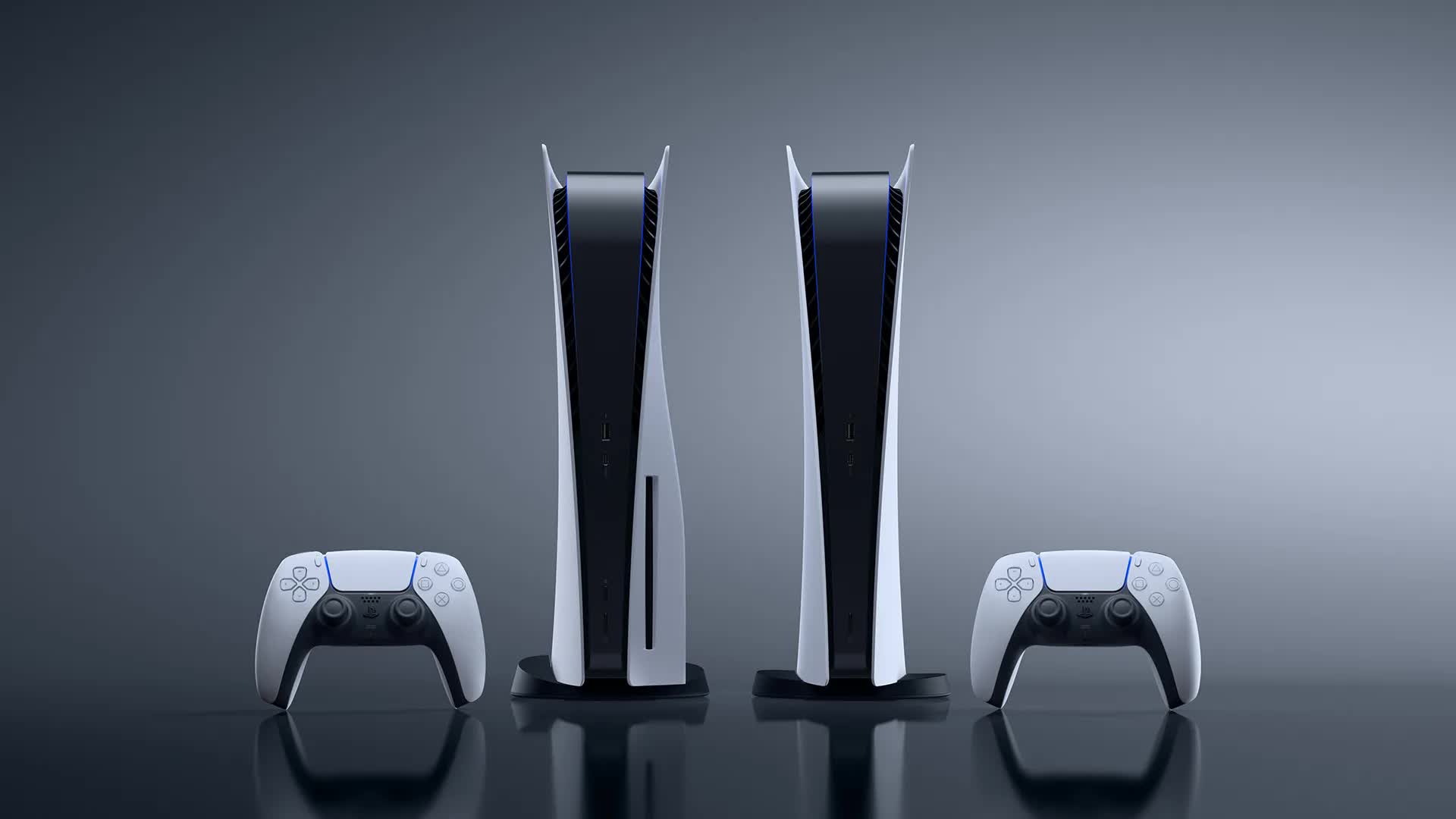
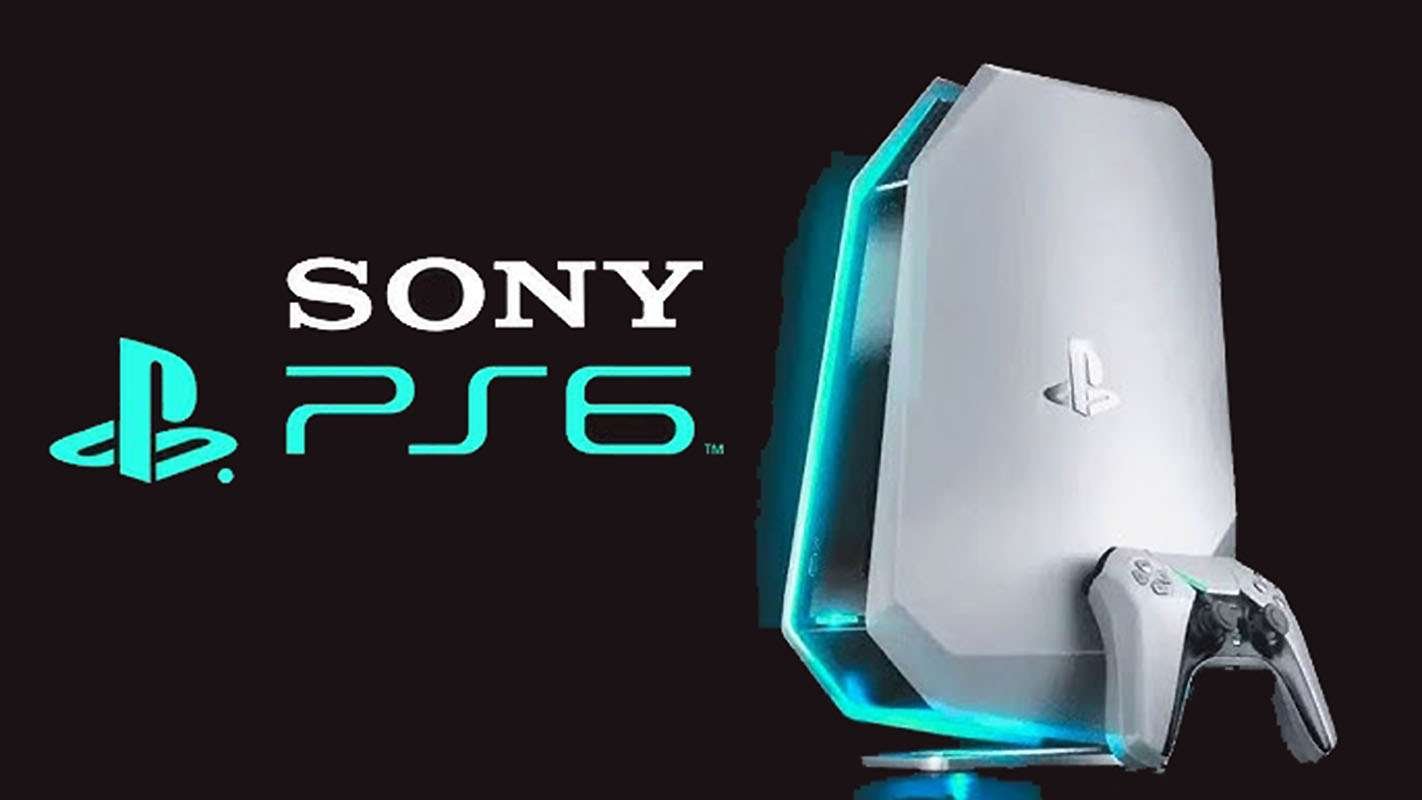
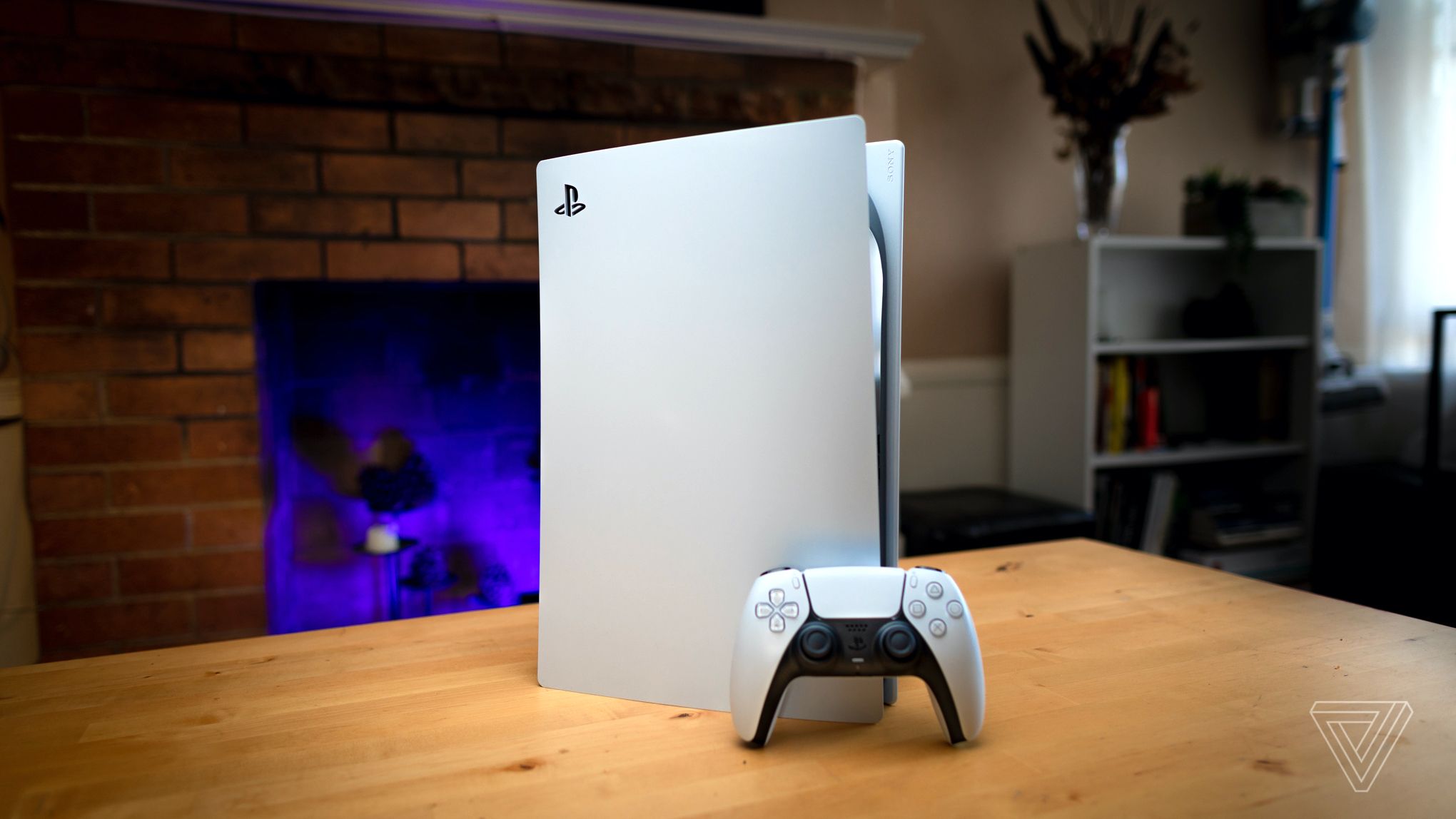
The global gaming hardware market faces a critical supply chain disruption driven by AI infrastructure competition for memory chips. Sony is reportedly delaying PlayStation 6 launch to 2028-2029 (versus expected 2027), while Nintendo may increase Switch 2 pricing from the $450 launch price due to memory chip scarcity. According to Bloomberg reporting cited in February 2026 coverage, AI data centers are "first in line for components," creating unprecedented RAM bottlenecks that push memory costs upward at rates exceeding manufacturer expectations. Sony's CFO Lin Tao acknowledged securing "minimum quantities necessary" for year-end selling seasons while warning of future cost pressures. Analyst David Gibson from MST International predicts memory costs will become problematic for Sony in fiscal 2027, potentially forcing consumer price increases.
For cross-border e-commerce sellers, this creates a 2-3 year extended product lifecycle opportunity. The delayed PS6 launch means sustained demand for PS5 inventory through 2027-2028, while Switch 2 price increases (potentially 8-15% above $450 launch price) will compress consumer purchasing power and extend Switch 1 demand. Gaming hardware retailers should anticipate extended inventory demand for current-generation consoles, with supply constraints creating pricing volatility and margin compression. The memory shortage persists through 2026-2027, affecting not only gaming but other consumer electronics requiring high-bandwidth memory chips (tablets, laptops, portable devices).
Strategic implications for sellers: Hardware retailers face 18-24 months of extended PS5 demand before PS6 availability, creating inventory planning challenges. Switch 2 price increases will shift consumer demand toward PS5 and existing Switch inventory, while software and accessory sellers benefit from extended console lifecycles. The shortage signals broader supply chain vulnerabilities where enterprise AI demand can disrupt consumer electronics markets—sellers should diversify sourcing and monitor official Sony/Nintendo announcements for confirmed timelines. Portable gaming devices (ROG Ally X competitors) may see increased demand as consumers seek alternatives to expensive new consoles. Gaming accessory categories (controllers, headsets, storage) will experience sustained demand through the extended lifecycle period.
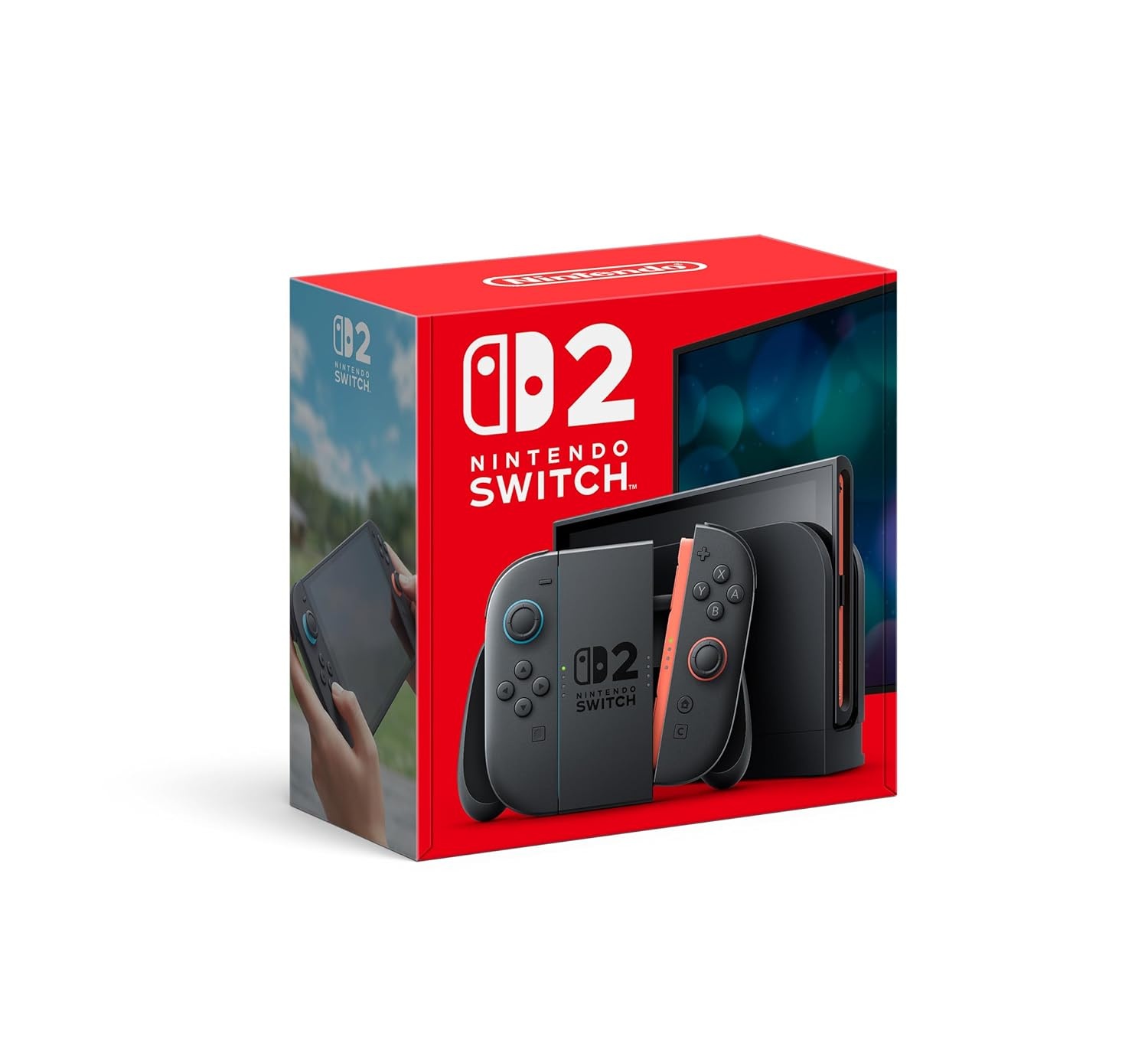
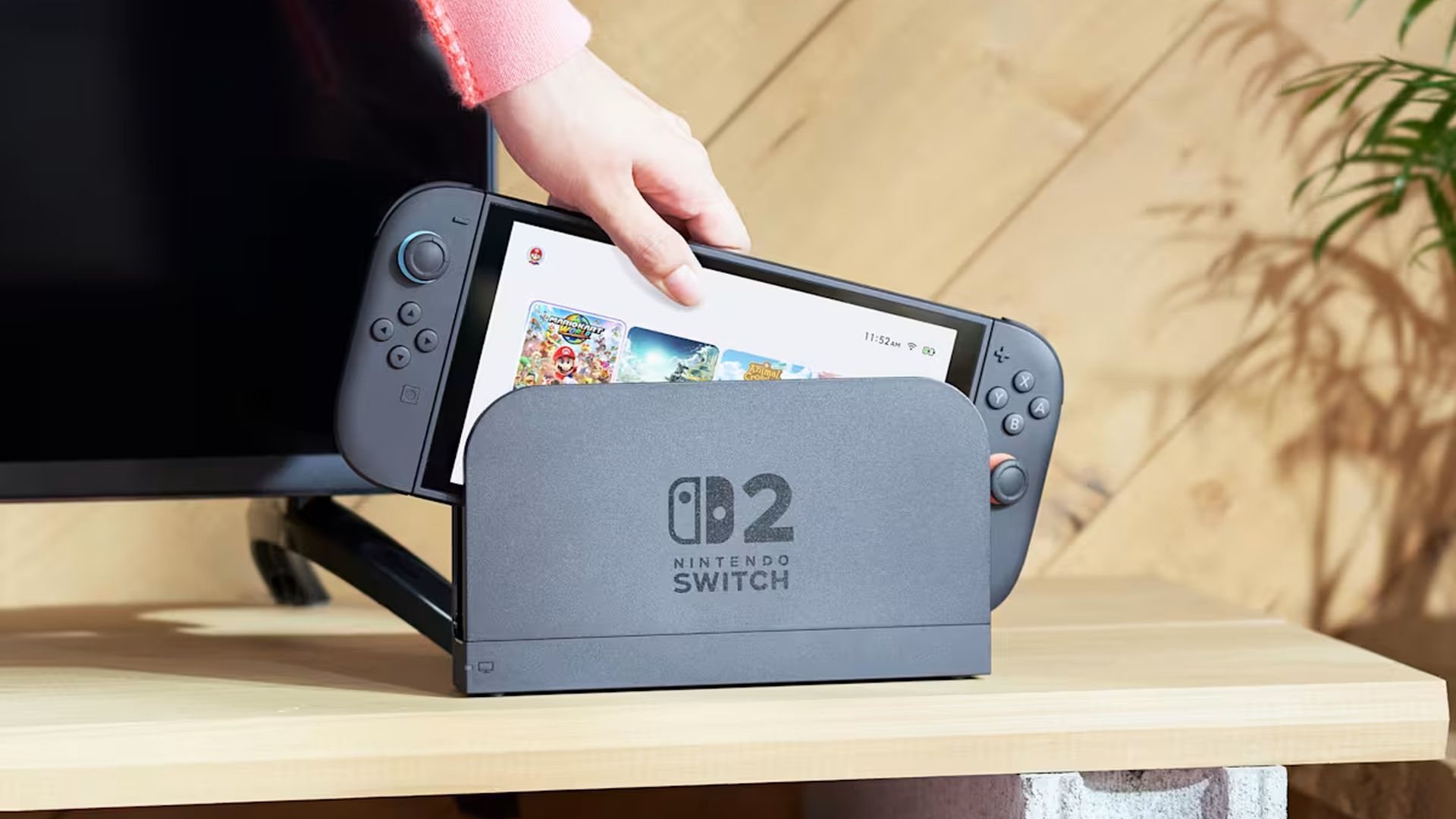
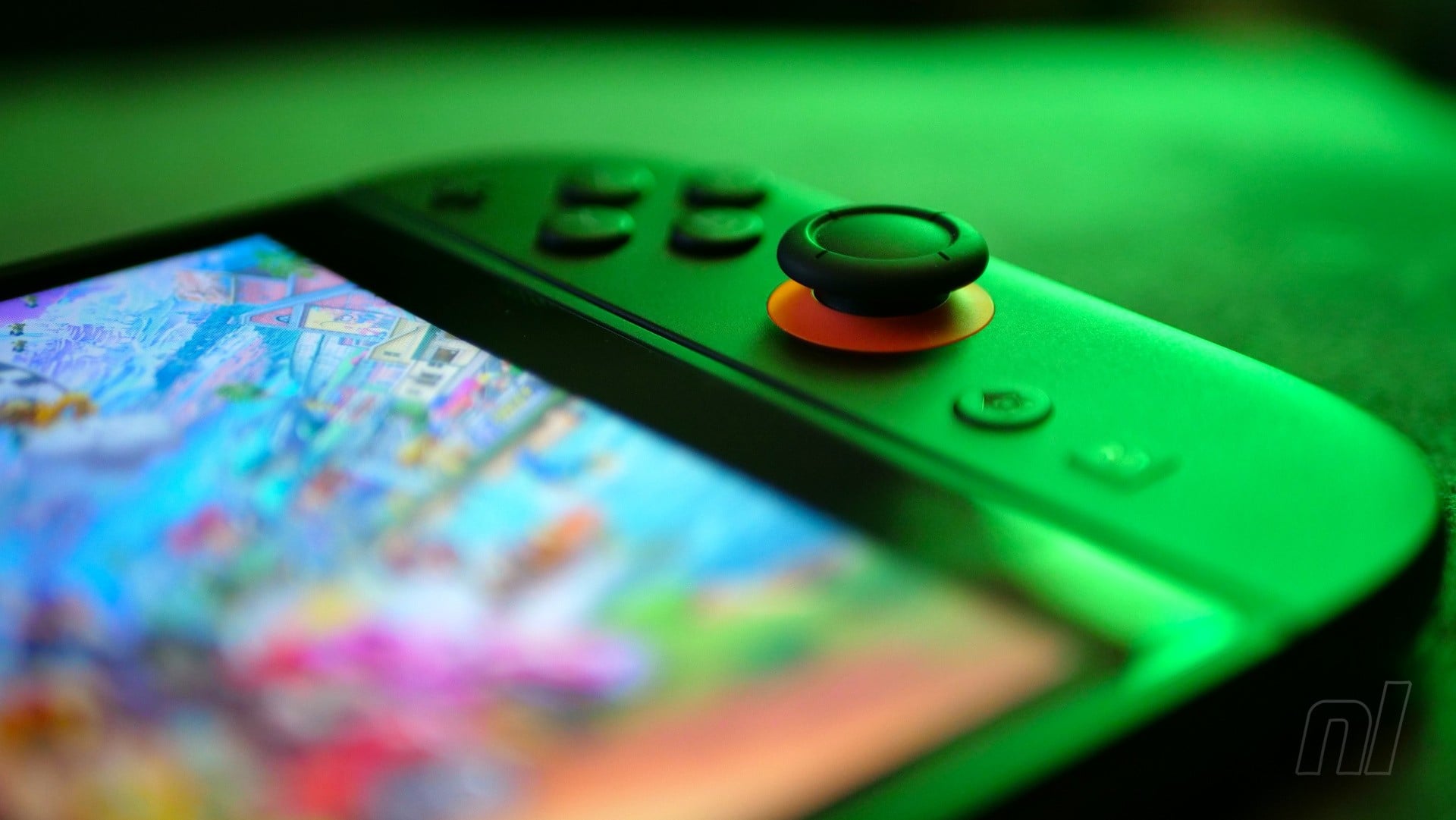
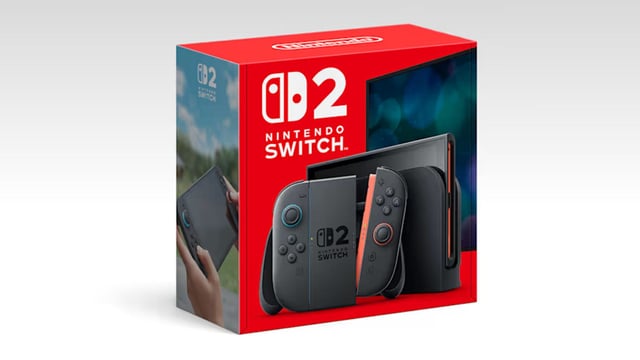
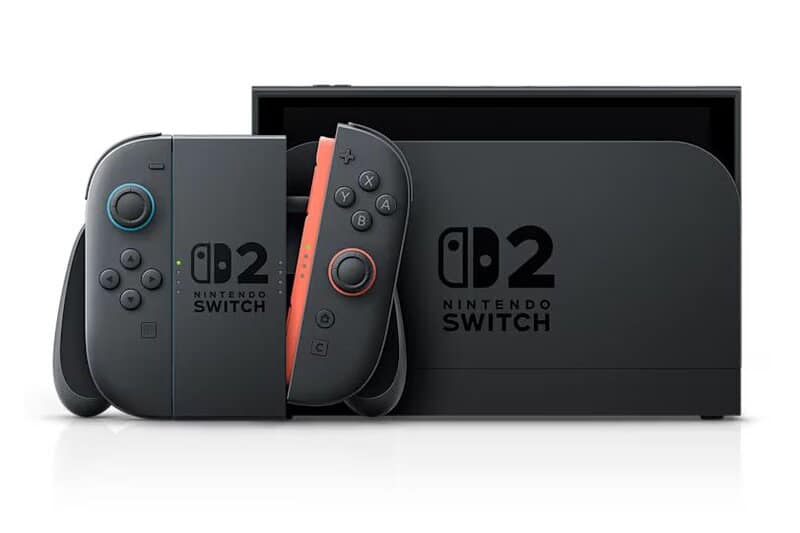
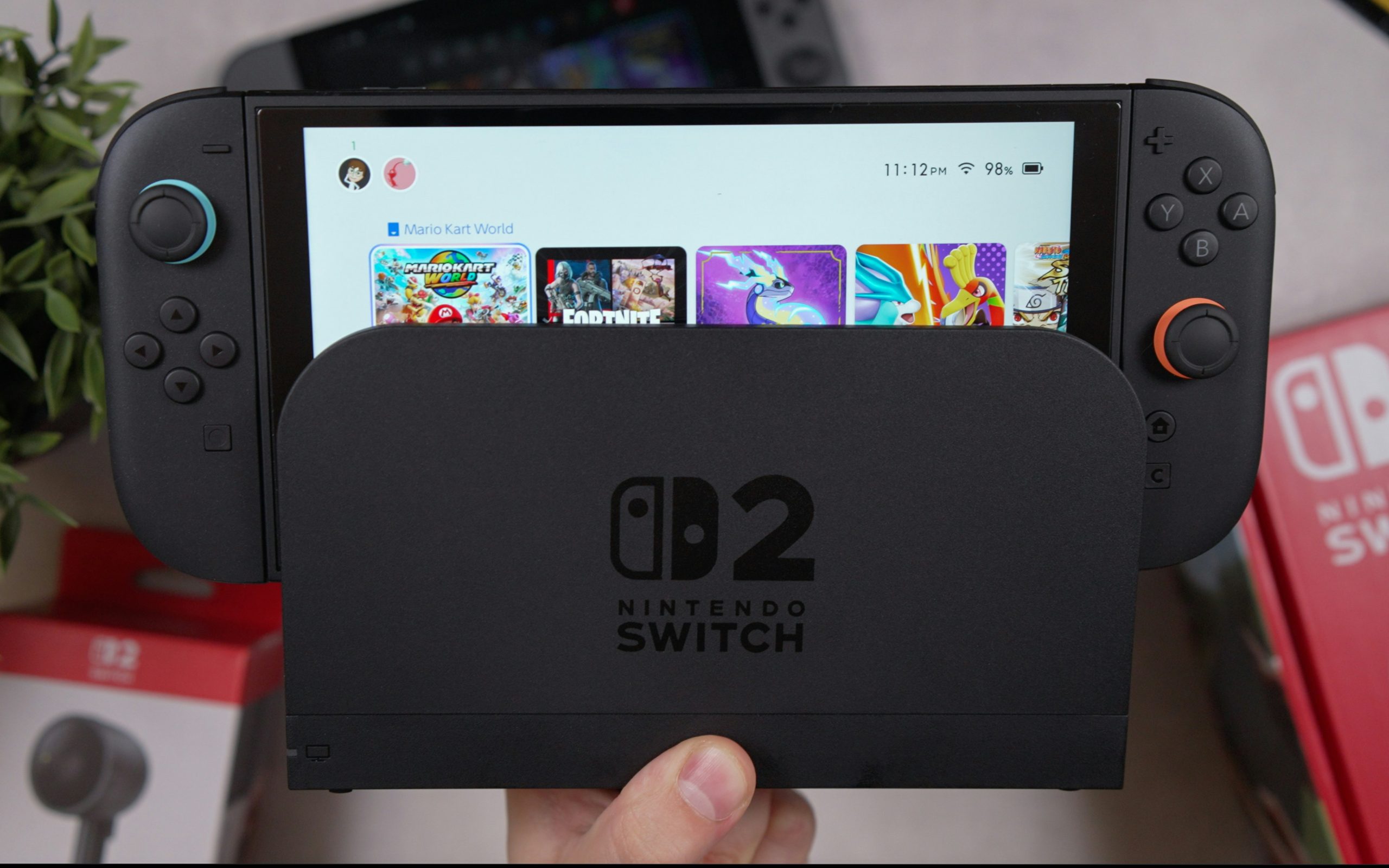
Nintendo may increase Switch 2 pricing from its $450 launch price by 8-15% due to memory chip scarcity, though company president Shuntaro Furukawa stated no final decision has been made. Nintendo's leadership acknowledged that 'the current rise in memory prices is happening at a pace that exceeds our expectations.' The company is balancing profitability maintenance with expanding Switch 2's installed base, noting that 'the second and third years for Nintendo Switch 2 are very important.' Industry sources indicate memory constraints will persist through 2026-2027, affecting pricing decisions across the gaming hardware category.
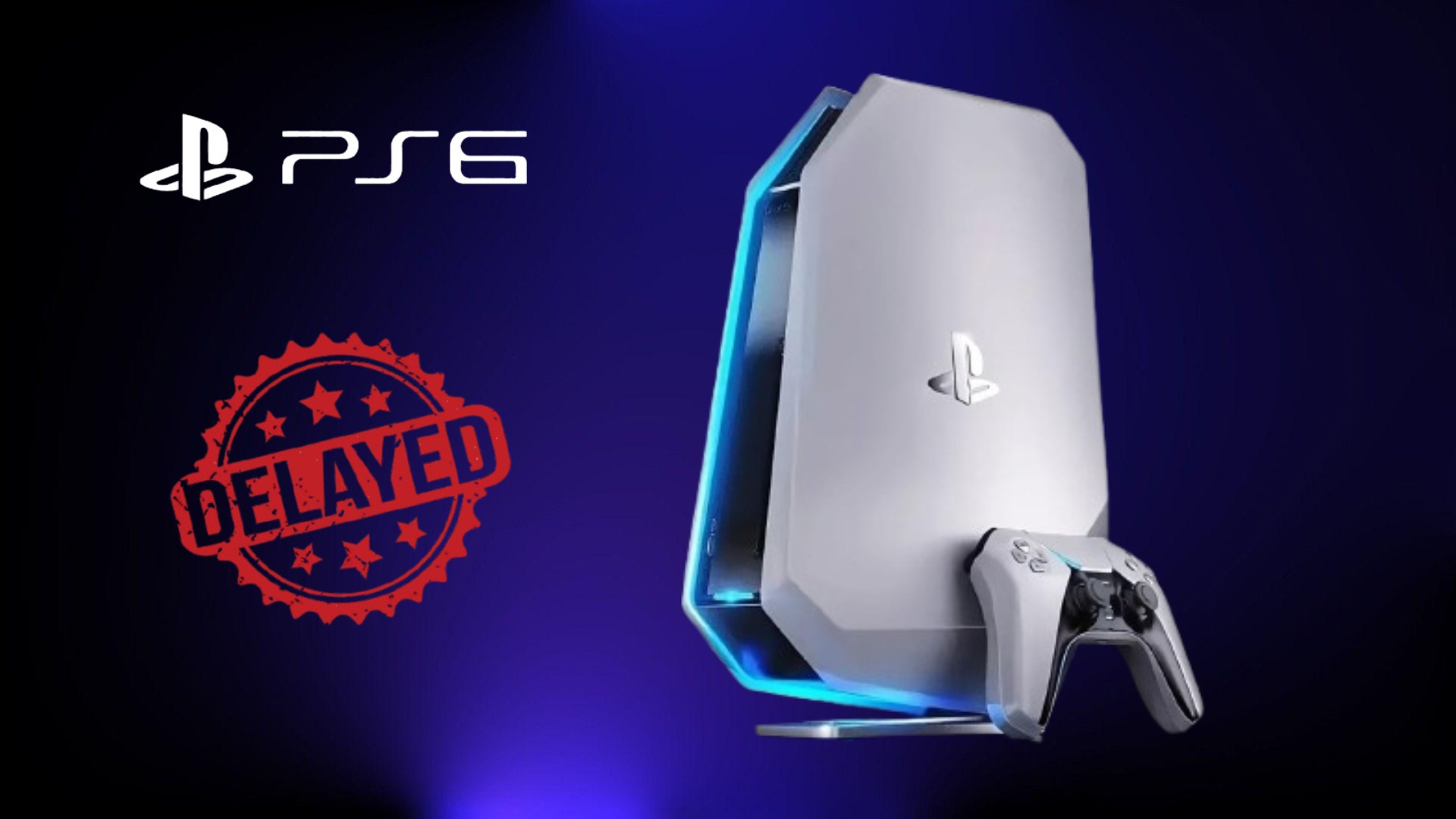
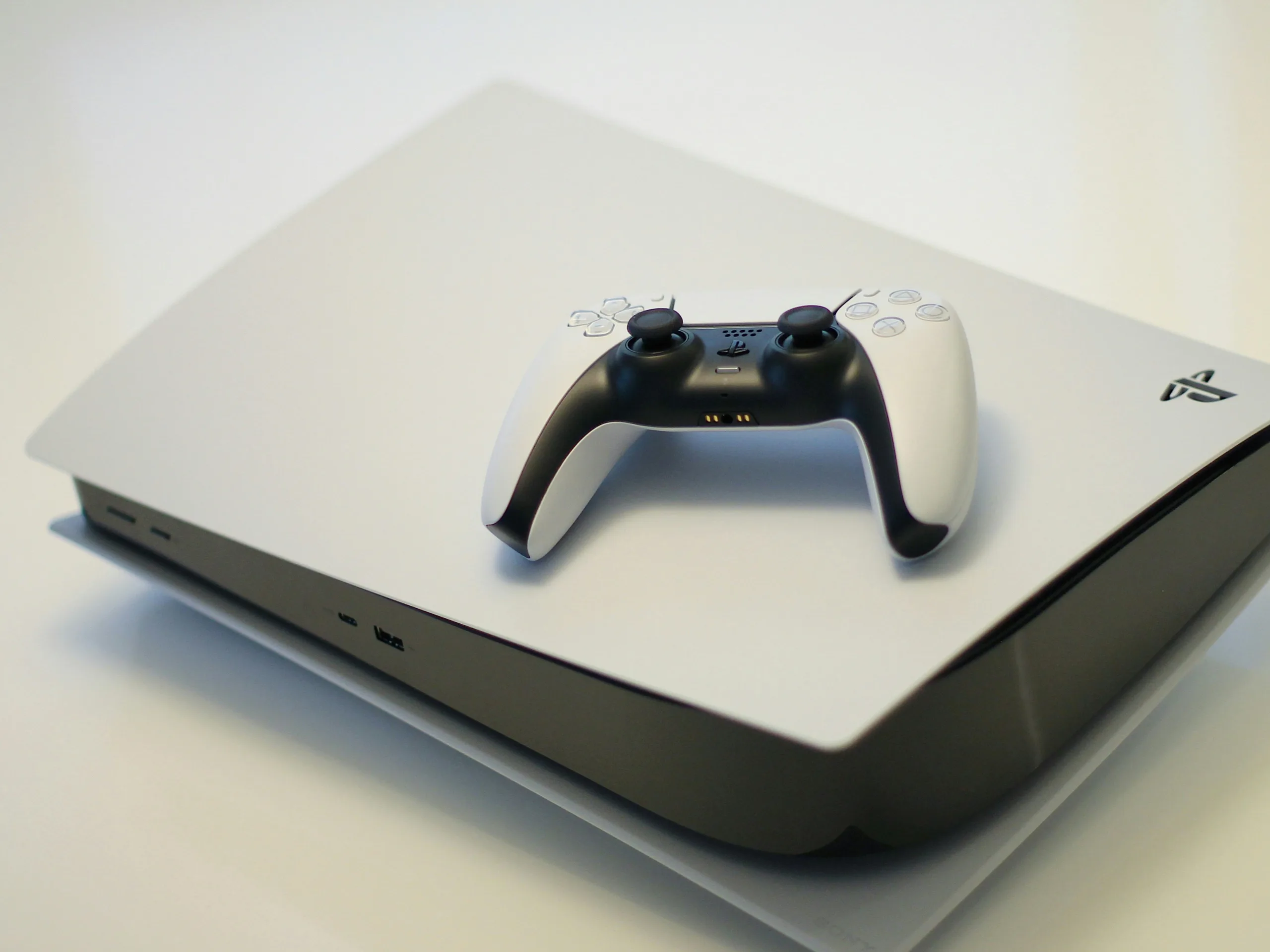
Sony is delaying PS6 launch due to critical memory chip shortages driven by AI infrastructure demand. According to Bloomberg reporting, AI data centers are prioritized for memory chip allocation, creating supply bottlenecks that push RAM prices upward at rates exceeding manufacturer expectations. Sony's CFO Lin Tao acknowledged the company can only secure minimum quantities for current operations while warning of future cost pressures. Analyst David Gibson from MST International predicts memory costs will become problematic for Sony in fiscal 2027, potentially forcing consumer price increases. This represents a significant departure from Sony's traditional 6-7 year console release cycle established since the original PlayStation launched in 1994.
Microsoft has not committed to a hard launch date for next Xbox hardware despite AMD's readiness for 2027 deployment, suggesting Microsoft may delay its console launch to align with Sony's extended timeline. The PS6 delay to 2028-2029 creates a competitive opportunity for Microsoft to establish market position with a next-generation Xbox if launched in 2027-2028. However, Microsoft faces identical memory chip constraints affecting all console manufacturers, limiting its ability to launch significantly earlier than competitors. The extended console lifecycle period (2026-2028) may benefit both Sony and Microsoft as they maintain current-generation hardware sales while managing supply chain challenges. Sellers should monitor both Sony and Microsoft announcements for confirmed launch dates, as competitive positioning in next-generation consoles will directly impact inventory planning and pricing strategies for gaming hardware retailers.
The AI-driven chip shortage demonstrates how enterprise infrastructure demand can disrupt consumer electronics markets, creating supply chain vulnerabilities across multiple product categories. Memory chip scarcity affects not only gaming consoles but tablets, laptops, and portable devices requiring high-bandwidth memory chips. This signals that sellers should diversify sourcing strategies and reduce dependency on single suppliers or regions. The shortage persists through 2026-2027, requiring sellers to monitor component cost trends and adjust inventory strategies accordingly. Sellers should develop contingency plans for pricing volatility and supply constraints, while tracking AI infrastructure investment trends that may continue reshaping hardware manufacturing priorities globally. Cross-border sellers should establish relationships with multiple suppliers and consider geographic diversification to mitigate future supply chain disruptions.
AI data centers are consuming an unprecedented share of memory chip production, creating supply bottlenecks that prioritize enterprise AI infrastructure over consumer electronics. CNBC reporting indicates AI companies are 'first ones in line for the components,' pushing RAM prices upward and creating scarcity across gaming hardware manufacturers. This memory shortage represents a fundamental market shift where enterprise AI demand outcompetes consumer electronics manufacturers for semiconductor resources. The shortage affects not only gaming consoles but other consumer electronics requiring high-bandwidth memory chips (tablets, laptops, portable devices). Industry sources indicate this memory constraint will persist through 2026-2027, signaling broader supply chain vulnerabilities in the tech sector.
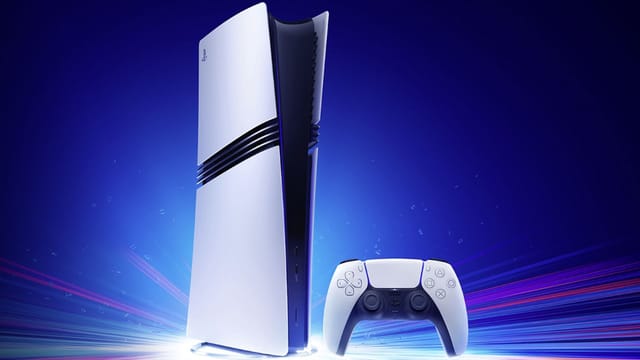
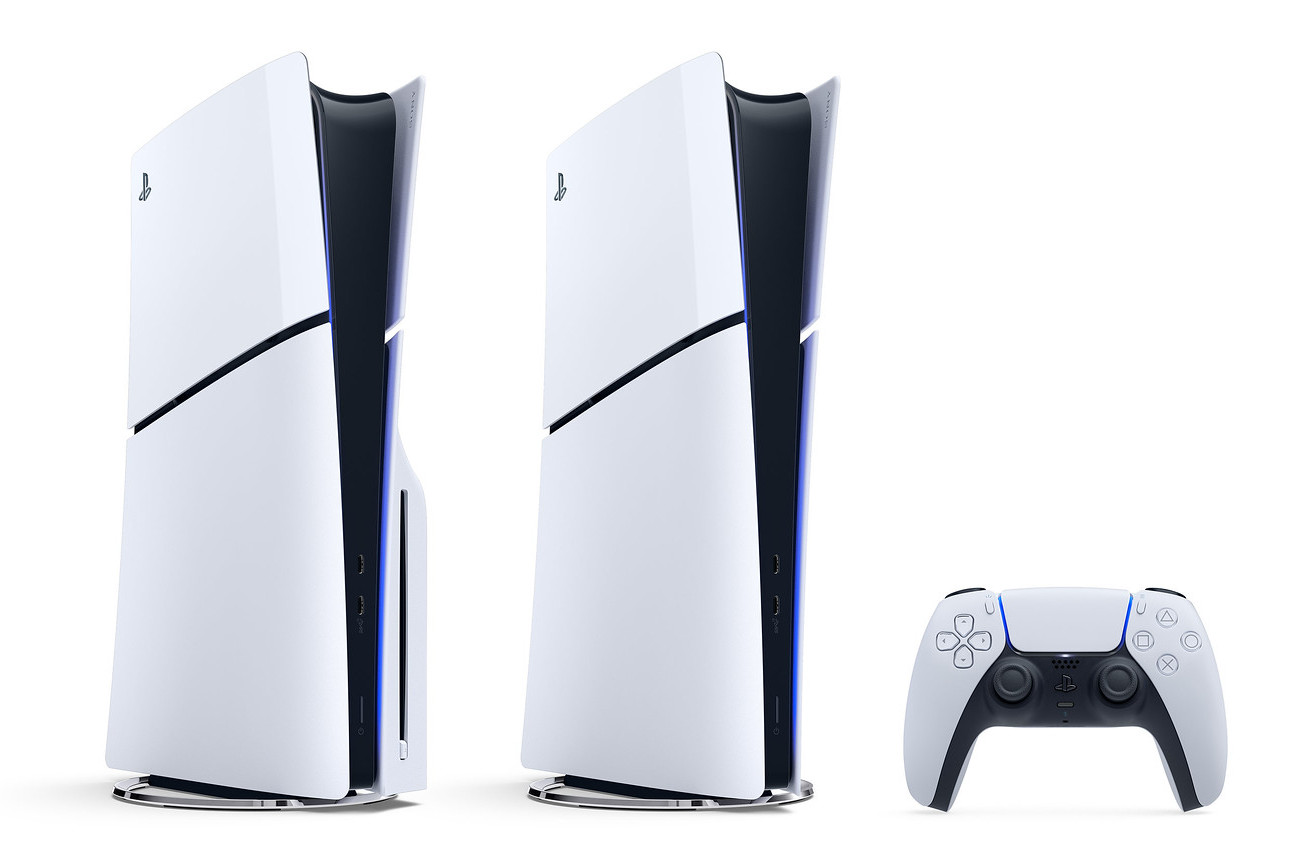
The delayed PS6 launch creates 18-24 months of extended PS5 demand through 2027-2028, allowing sellers to maintain inventory and pricing strategies for current-generation hardware. Gaming hardware retailers should anticipate sustained demand for PS5 units, controllers, and accessories during this extended lifecycle period. Switch 2 price increases will compress consumer purchasing power and extend demand for existing Switch inventory, creating opportunities in both console and accessory categories. Software and service providers benefit from extended console lifecycles, while sellers can diversify into gaming accessories (controllers, headsets, storage) that experience sustained demand. Sellers should monitor official Sony/Nintendo announcements for confirmed timelines to optimize inventory planning and pricing strategies.
Sellers should anticipate extended demand for PS5 and Switch inventory through 2027-2028, requiring inventory planning adjustments for 18-24 month extended lifecycles. Monitor official Sony/Nintendo announcements for confirmed timelines and pricing adjustments, as these decisions directly impact inventory planning, pricing strategies, and competitive positioning. Consider diversifying into gaming accessories (controllers, headsets, storage) that experience sustained demand during extended console lifecycles. Evaluate alternative gaming device categories like portable gaming devices (ROG Ally X competitors) that may see increased demand as consumers seek alternatives to expensive new consoles. Track memory chip cost trends and adjust sourcing strategies to manage pricing volatility and margin compression during the shortage period through 2026-2027.
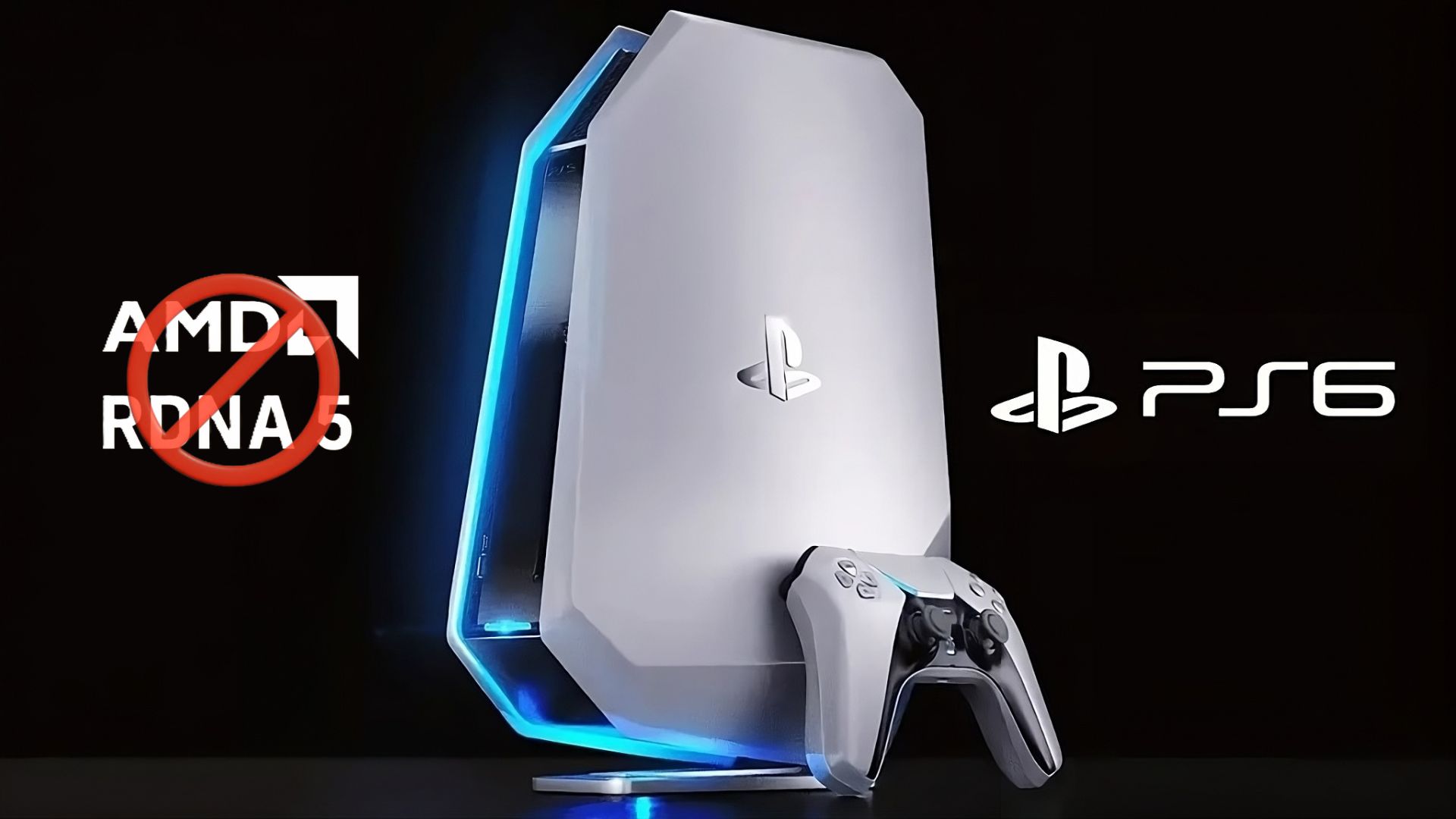
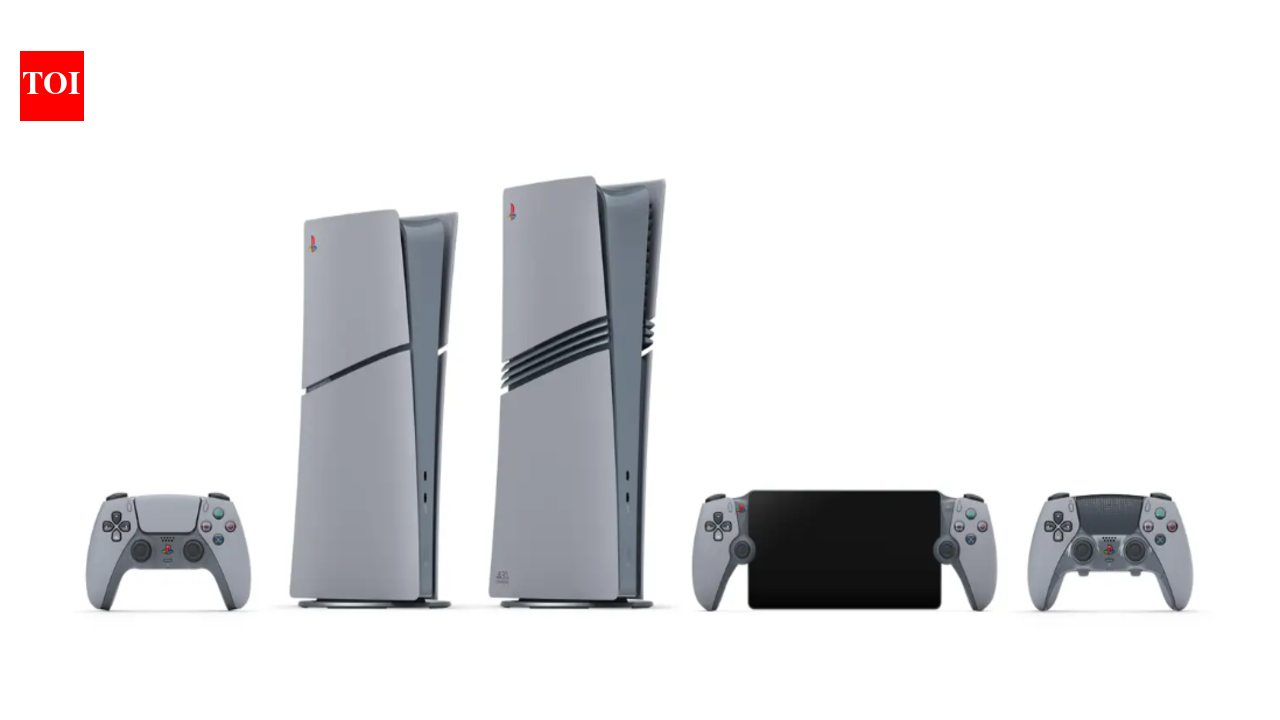
According to tech leaker KeplerL2 on NeoGAF forums, Sony's PS6 will not utilize AMD's full RDNA 5 GPU architecture, instead employing a hybrid approach similar to PS5's combination of RDNA1 with ray tracing capabilities. The PS6 is rumored to feature up to 30GB of GDDR7 memory, representing a significant upgrade from current generation specifications. Additionally, Sony is reportedly developing a next-generation handheld device with up to 24GB of LPDDR5X memory, positioning it competitively with devices like the ROG Ally X. This hybrid GPU architecture approach suggests Sony prioritizes practical performance gains over theoretical maximum specifications while balancing cost and thermal efficiency. However, these claims remain unconfirmed by Sony and should be considered speculative until official announcements occur.
Nintendo may increase Switch 2 pricing from its $450 launch price by 8-15% due to memory chip scarcity, though company president Shuntaro Furukawa stated no final decision has been made. Nintendo's leadership acknowledged that 'the current rise in memory prices is happening at a pace that exceeds our expectations.' The company is balancing profitability maintenance with expanding Switch 2's installed base, noting that 'the second and third years for Nintendo Switch 2 are very important.' Industry sources indicate memory constraints will persist through 2026-2027, affecting pricing decisions across the gaming hardware category.
Sony is delaying PS6 launch due to critical memory chip shortages driven by AI infrastructure demand. According to Bloomberg reporting, AI data centers are prioritized for memory chip allocation, creating supply bottlenecks that push RAM prices upward at rates exceeding manufacturer expectations. Sony's CFO Lin Tao acknowledged the company can only secure minimum quantities for current operations while warning of future cost pressures. Analyst David Gibson from MST International predicts memory costs will become problematic for Sony in fiscal 2027, potentially forcing consumer price increases. This represents a significant departure from Sony's traditional 6-7 year console release cycle established since the original PlayStation launched in 1994.
Microsoft has not committed to a hard launch date for next Xbox hardware despite AMD's readiness for 2027 deployment, suggesting Microsoft may delay its console launch to align with Sony's extended timeline. The PS6 delay to 2028-2029 creates a competitive opportunity for Microsoft to establish market position with a next-generation Xbox if launched in 2027-2028. However, Microsoft faces identical memory chip constraints affecting all console manufacturers, limiting its ability to launch significantly earlier than competitors. The extended console lifecycle period (2026-2028) may benefit both Sony and Microsoft as they maintain current-generation hardware sales while managing supply chain challenges. Sellers should monitor both Sony and Microsoft announcements for confirmed launch dates, as competitive positioning in next-generation consoles will directly impact inventory planning and pricing strategies for gaming hardware retailers.
The AI-driven chip shortage demonstrates how enterprise infrastructure demand can disrupt consumer electronics markets, creating supply chain vulnerabilities across multiple product categories. Memory chip scarcity affects not only gaming consoles but tablets, laptops, and portable devices requiring high-bandwidth memory chips. This signals that sellers should diversify sourcing strategies and reduce dependency on single suppliers or regions. The shortage persists through 2026-2027, requiring sellers to monitor component cost trends and adjust inventory strategies accordingly. Sellers should develop contingency plans for pricing volatility and supply constraints, while tracking AI infrastructure investment trends that may continue reshaping hardware manufacturing priorities globally. Cross-border sellers should establish relationships with multiple suppliers and consider geographic diversification to mitigate future supply chain disruptions.
AI data centers are consuming an unprecedented share of memory chip production, creating supply bottlenecks that prioritize enterprise AI infrastructure over consumer electronics. CNBC reporting indicates AI companies are 'first ones in line for the components,' pushing RAM prices upward and creating scarcity across gaming hardware manufacturers. This memory shortage represents a fundamental market shift where enterprise AI demand outcompetes consumer electronics manufacturers for semiconductor resources. The shortage affects not only gaming consoles but other consumer electronics requiring high-bandwidth memory chips (tablets, laptops, portable devices). Industry sources indicate this memory constraint will persist through 2026-2027, signaling broader supply chain vulnerabilities in the tech sector.
The delayed PS6 launch creates 18-24 months of extended PS5 demand through 2027-2028, allowing sellers to maintain inventory and pricing strategies for current-generation hardware. Gaming hardware retailers should anticipate sustained demand for PS5 units, controllers, and accessories during this extended lifecycle period. Switch 2 price increases will compress consumer purchasing power and extend demand for existing Switch inventory, creating opportunities in both console and accessory categories. Software and service providers benefit from extended console lifecycles, while sellers can diversify into gaming accessories (controllers, headsets, storage) that experience sustained demand. Sellers should monitor official Sony/Nintendo announcements for confirmed timelines to optimize inventory planning and pricing strategies.
Sellers should anticipate extended demand for PS5 and Switch inventory through 2027-2028, requiring inventory planning adjustments for 18-24 month extended lifecycles. Monitor official Sony/Nintendo announcements for confirmed timelines and pricing adjustments, as these decisions directly impact inventory planning, pricing strategies, and competitive positioning. Consider diversifying into gaming accessories (controllers, headsets, storage) that experience sustained demand during extended console lifecycles. Evaluate alternative gaming device categories like portable gaming devices (ROG Ally X competitors) that may see increased demand as consumers seek alternatives to expensive new consoles. Track memory chip cost trends and adjust sourcing strategies to manage pricing volatility and margin compression during the shortage period through 2026-2027.
According to tech leaker KeplerL2 on NeoGAF forums, Sony's PS6 will not utilize AMD's full RDNA 5 GPU architecture, instead employing a hybrid approach similar to PS5's combination of RDNA1 with ray tracing capabilities. The PS6 is rumored to feature up to 30GB of GDDR7 memory, representing a significant upgrade from current generation specifications. Additionally, Sony is reportedly developing a next-generation handheld device with up to 24GB of LPDDR5X memory, positioning it competitively with devices like the ROG Ally X. This hybrid GPU architecture approach suggests Sony prioritizes practical performance gains over theoretical maximum specifications while balancing cost and thermal efficiency. However, these claims remain unconfirmed by Sony and should be considered speculative until official announcements occur.
Nintendo may increase Switch 2 pricing from its $450 launch price by 8-15% due to memory chip scarcity, though company president Shuntaro Furukawa stated no final decision has been made. Nintendo's leadership acknowledged that 'the current rise in memory prices is happening at a pace that exceeds our expectations.' The company is balancing profitability maintenance with expanding Switch 2's installed base, noting that 'the second and third years for Nintendo Switch 2 are very important.' Industry sources indicate memory constraints will persist through 2026-2027, affecting pricing decisions across the gaming hardware category.
Sony is delaying PS6 launch due to critical memory chip shortages driven by AI infrastructure demand. According to Bloomberg reporting, AI data centers are prioritized for memory chip allocation, creating supply bottlenecks that push RAM prices upward at rates exceeding manufacturer expectations. Sony's CFO Lin Tao acknowledged the company can only secure minimum quantities for current operations while warning of future cost pressures. Analyst David Gibson from MST International predicts memory costs will become problematic for Sony in fiscal 2027, potentially forcing consumer price increases. This represents a significant departure from Sony's traditional 6-7 year console release cycle established since the original PlayStation launched in 1994.