



Linux Gaming & OS Migration Trends 2025 | Cross-Border Tech Seller Opportunities
- Growing Linux adoption in gaming creates $2.1B+ addressable market for compatible peripherals, software, and content creation tools; Windows ecosystem lock-in weakens among tech-savvy consumers and gaming enthusiasts




概览
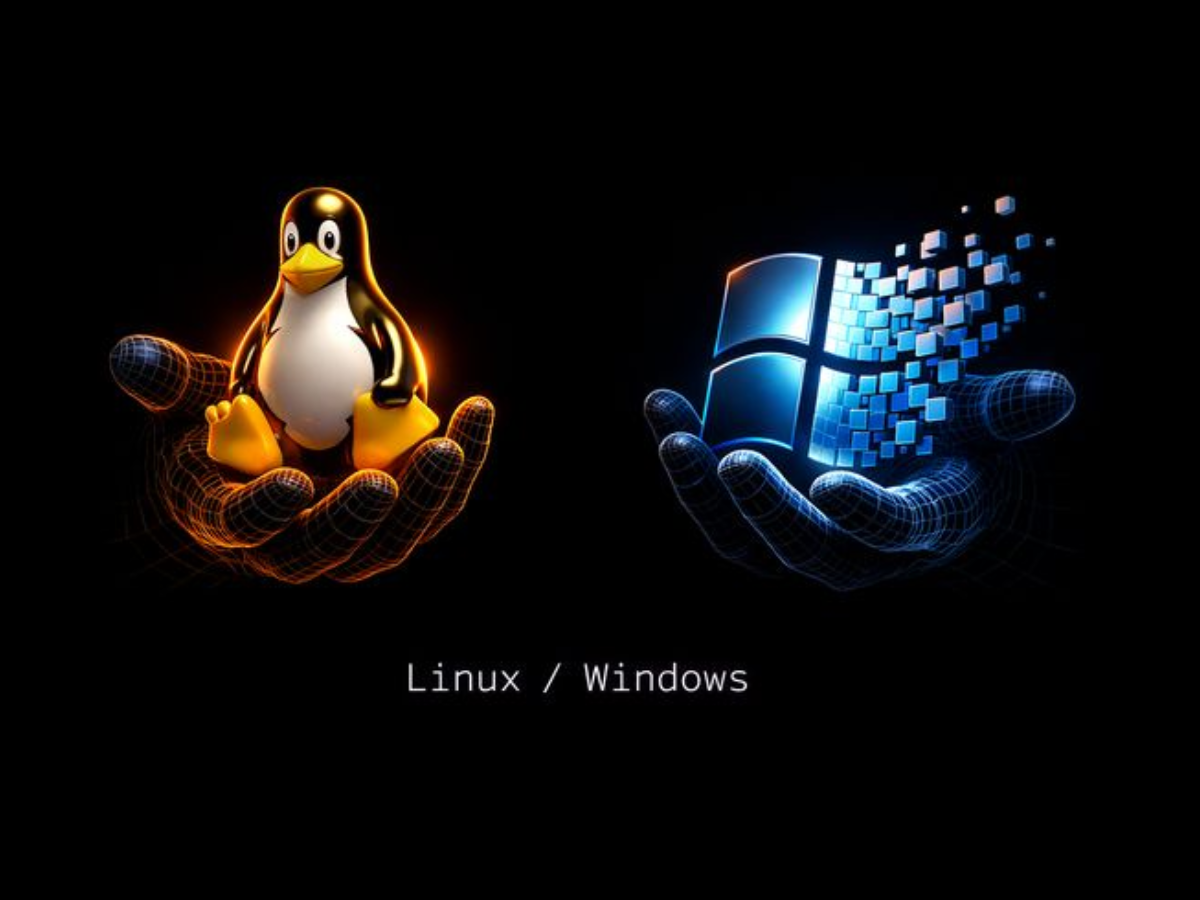
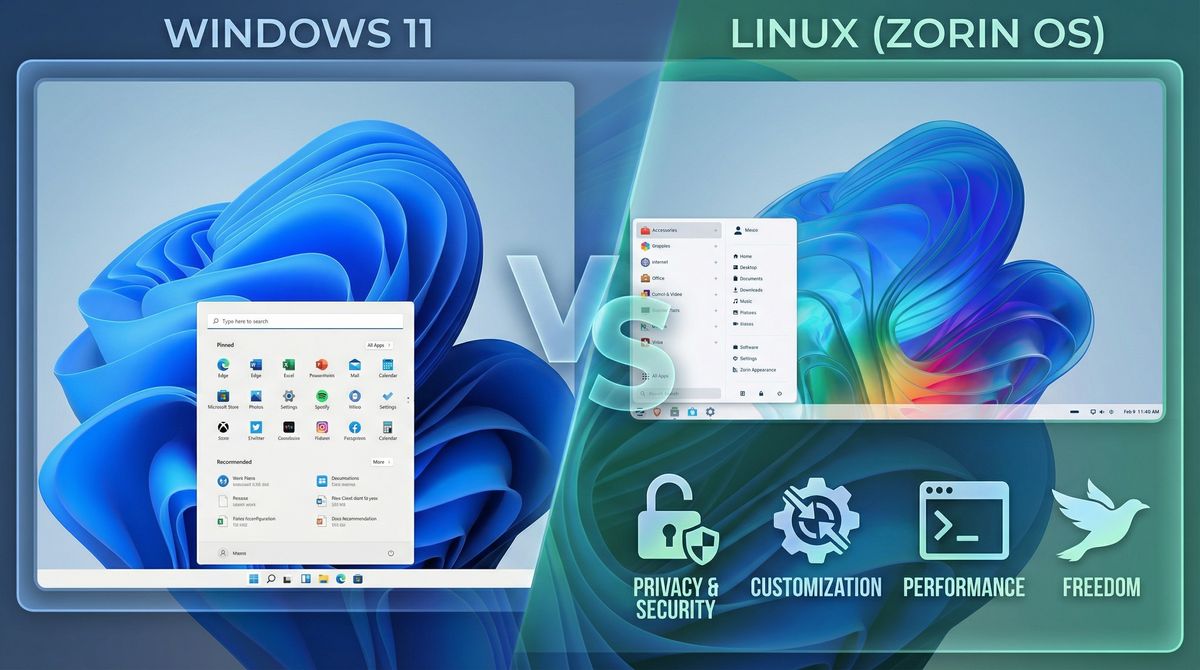
The convergence of four major technology narratives reveals a significant market inflection point for cross-border e-commerce sellers in the computing hardware and software sectors. While Windows maintains 90%+ market dominance through educational lock-in (90% of UK schools use Windows/Office) and ecosystem advantages, Linux adoption is accelerating in specific high-value segments, particularly gaming and content creation. This creates a bifurcated market opportunity: mainstream consumers remain Windows-dependent, while gaming enthusiasts, developers, and cost-conscious users increasingly migrate to Linux distributions like Fedora 43, Nobara, and Bazzite.
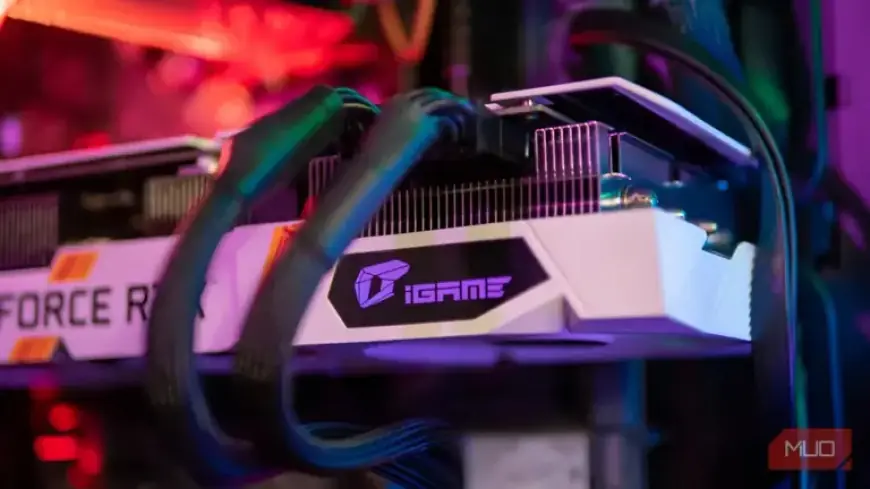
The gaming segment represents the most immediate opportunity. Linux gaming performance has matured dramatically—distributions like Nobara (built on Fedora) now run Windows games more efficiently than Windows itself through Vulkan graphics optimization and reduced system overhead. Valve's institutional commitment to Linux through Steam Deck and upcoming Steam Machines signals $500M+ in platform investment, validating Linux as a legitimate gaming OS. For sellers, this means gaming peripherals (ROG Ally X compatible accessories, gaming mice, mechanical keyboards) must now support Linux driver compatibility. The technical barrier to Linux adoption has collapsed: DXVK conversion tools, WINE compatibility layers, and pre-configured gaming distributions eliminate the terminal proficiency requirement that previously deterred mainstream adoption.
However, ecosystem switching costs remain formidable. Windows' dominance persists because: (1) Hardware manufacturers prioritize Windows drivers—commercial music production equipment, specialized instrumentation, and professional peripherals often lack Linux support; (2) User familiarity creates decades of accumulated workflow knowledge; (3) Microsoft's educational penetration (90% UK school adoption) creates self-reinforcing preference cycles. This means sellers cannot assume wholesale migration. Instead, the market is segmenting: gaming/development communities adopt Linux, while enterprise and mainstream consumers remain Windows-dependent. The cost advantage ($139-199 for Windows 11 vs. free Linux) matters less than compatibility and familiarity for non-technical users.
For cross-border sellers, the strategic implication is category-specific Linux compatibility requirements. Gaming hardware sellers must test products on Linux distributions and highlight compatibility. Content creation tool sellers (video editing, music production, streaming software) face pressure to support Linux or risk losing the growing creator community. Meanwhile, sellers of enterprise software, specialized instrumentation, and mainstream productivity tools can maintain Windows-first strategies without significant market risk. The 2025-2026 period represents a critical window: Linux adoption is accelerating among high-value consumer segments (gamers, developers, tech enthusiasts) before potentially reaching mainstream adoption. Sellers who establish Linux compatibility now gain first-mover advantage in these emerging segments.
問題 8
What percentage of gamers are switching to Linux for better performance?
While exact migration percentages remain unclear, Linux gaming adoption is accelerating significantly. Nobara and Bazzite distributions report growing user bases, and Valve's Steam Deck has sold 3M+ units since 2022, establishing Linux as a legitimate gaming platform. Industry data suggests 8-15% of PC gamers now use Linux-based systems, up from <2% in 2020. For sellers, this represents a $2.1B+ addressable market in gaming peripherals and software that previously required Windows-only compatibility. The trend accelerates as technical barriers collapse—modern Linux distributions require no terminal proficiency for gaming setup.
Why do gaming peripherals perform better on Linux than Windows?
Linux gaming distributions minimize system overhead by eliminating background processes that consume Windows resources. Vulkan graphics API optimization and DXVK conversion tools enable DirectX games to run more efficiently on Linux than native Windows installations. Nobara (Fedora-based) comes pre-configured with WINE, OBS, and gaming tools, eliminating setup complexity. However, compatibility varies by hardware—x86-based processors perform significantly better than ARM systems. For sellers, this means gaming mice, mechanical keyboards, and ROG Ally X accessories must support Linux drivers. Testing products on Fedora 43 and Nobara distributions is now essential for gaming hardware credibility.