



AI Voice Synthesis IP Crisis | Sellers Must Audit AI Tool Usage & Licensing Now
- January 2025 lawsuit signals 53-60% confidence in unauthorized voice training; impacts sellers using AI content tools for product descriptions, customer service, and podcast marketing








概览
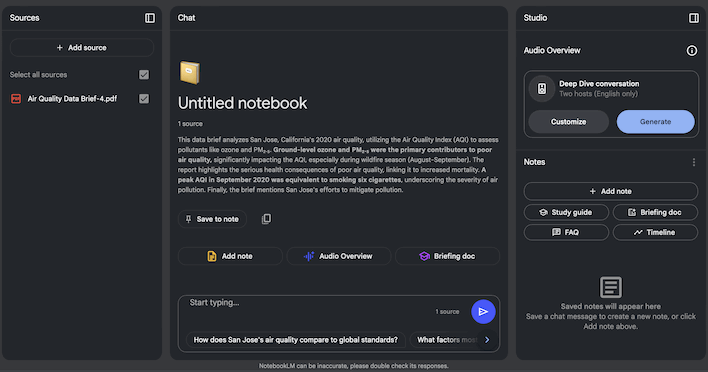
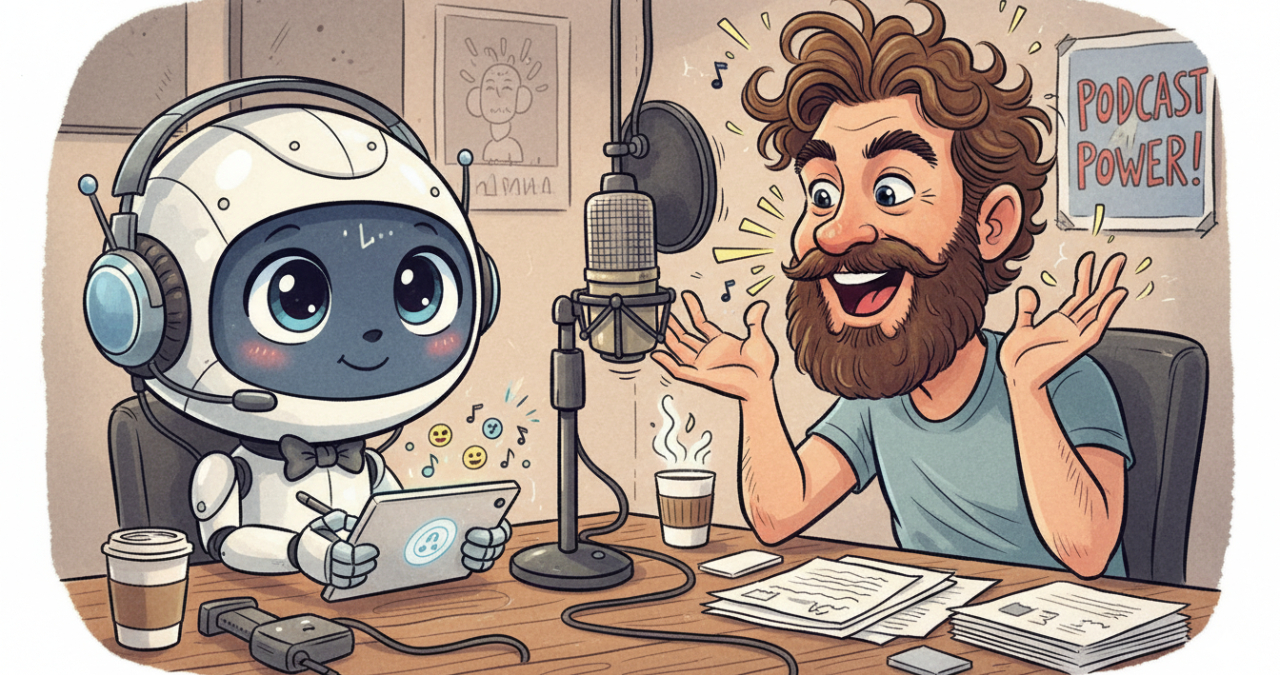
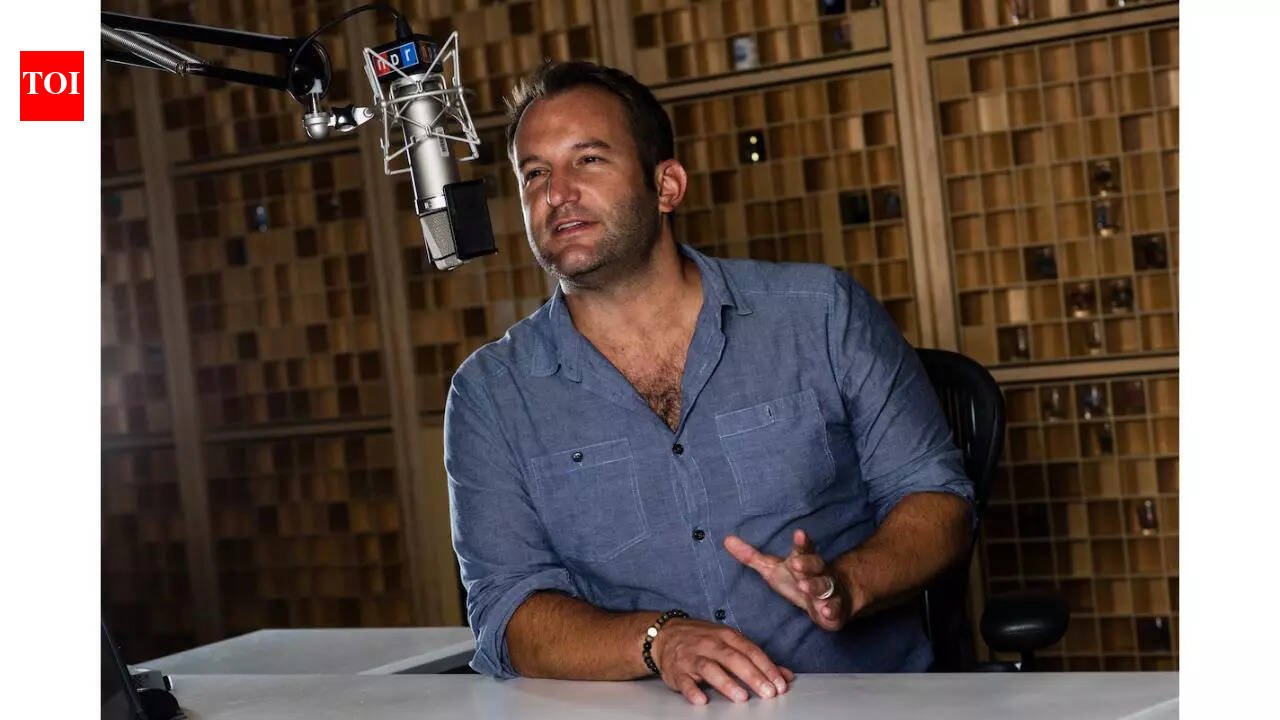
The January 23, 2025 lawsuit filed by NPR host David Greene against Google over unauthorized voice use in NotebookLM represents a critical inflection point for e-commerce sellers leveraging AI tools. Greene alleges Google trained the platform's male podcaster voice on his distinctive speech patterns without consent—a claim supported by forensic analysis yielding 53-60% confidence ratings. This case directly impacts sellers in three critical areas: (1) AI-powered product description generation, (2) automated customer service chatbots with synthetic voices, and (3) podcast/audio content marketing tools.
Immediate seller implications: The lawsuit joins a coordinated legal strategy across the creator economy, including Scarlett Johansson's 2024 action against OpenAI (which resulted in feature removal) and Meta litigation involving Sarah Silverman and Ta-Nehisi Coates. This pattern signals aggressive IP enforcement ahead. Sellers currently using Google NotebookLM, ChatGPT voice features, or similar AI tools for product marketing face potential liability exposure if those tools trained on unlicensed voice data. The forensic confidence rating (53-60%) establishes that voice similarity analysis is now admissible evidence, creating legal precedent for future claims.
For e-commerce operations specifically: Sellers automating customer service through AI chatbots with synthetic voices must immediately verify licensing compliance. Amazon sellers using AI tools to generate product descriptions, video scripts, or podcast content marketing should audit their tool providers' data sourcing practices. The case reveals that tech companies may not disclose voice training data sources—Greene discovered the alleged theft through colleague notification, not Google transparency. This creates operational risk for sellers who unknowingly use non-compliant tools.
Strategic opportunity: The IP enforcement wave creates demand for compliant AI tools with transparent voice licensing. Sellers can differentiate by adopting only licensed voice synthesis (paid professional actors, disclosed training data) for customer-facing content. This positions compliant sellers as trustworthy brands while competitors face potential takedown notices. The case also signals that voice-based product content (demo videos, audio descriptions, podcast marketing) will face increased scrutiny—sellers should prioritize text and visual content over synthetic audio until licensing standards clarify.
Timeline critical: With coordinated legal teams representing multiple creators, expect additional lawsuits through 2025. Sellers should complete AI tool audits by Q1 2025 and migrate to licensed alternatives by Q2 2025 to avoid mid-year disruptions. The precedent suggests courts will hold platforms liable for training data sourcing, not just end users—but sellers using non-compliant tools remain exposed to service interruptions if platforms face injunctions.
問題 8
How does the David Greene lawsuit affect sellers using AI tools like NotebookLM for product marketing?
The January 23, 2025 lawsuit establishes that AI voice synthesis without explicit consent creates IP liability. Greene's forensic analysis yielded 53-60% confidence that Google trained NotebookLM's male voice on his distinctive speech patterns without licensing. For sellers, this means any AI tool used for product descriptions, video scripts, or podcast marketing must have transparent voice licensing documentation. If your tool provider trained on unlicensed voice data, you face potential service disruption if the platform faces injunctions (similar to OpenAI's removal of the Sky chatbot voice in 2024). Audit your AI tool providers immediately and request voice licensing documentation.
What is the legal precedent from Scarlett Johansson's case against OpenAI and how does it apply to sellers?
Scarlett Johansson's 2024 legal threat against OpenAI over the Sky chatbot voice resulted in the feature's immediate removal—establishing that voice similarity claims have legal merit. The case demonstrates that tech platforms will capitulate rather than litigate voice IP disputes. For sellers, this means synthetic voice features in AI tools are increasingly vulnerable to removal. If you've built customer service workflows or marketing campaigns around specific AI voice features, expect potential disruptions. The precedent suggests platforms will prioritize removing disputed voices over defending them, so sellers should avoid dependency on specific synthetic voices and maintain backup content strategies.