



JKIA Strike Disrupts East Africa Air Freight | Sellers Face 4-Hour Delays & 50% Capacity Cuts
- Kenya's main airport experiences up to 4-hour flight delays; "go-slow" tactics threaten 50% capacity reduction affecting 9M annual passengers and cross-border e-commerce logistics







)




概览
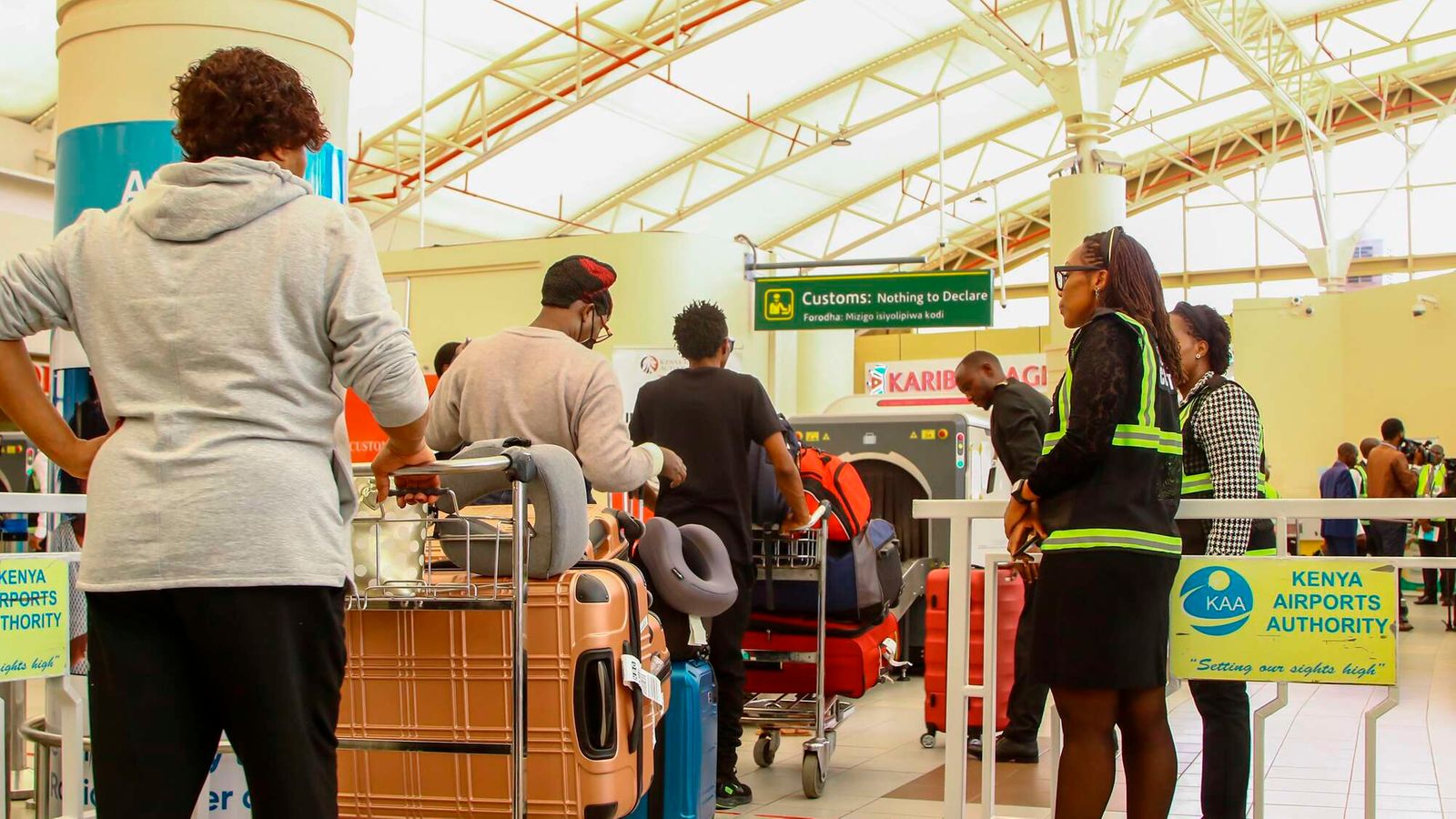
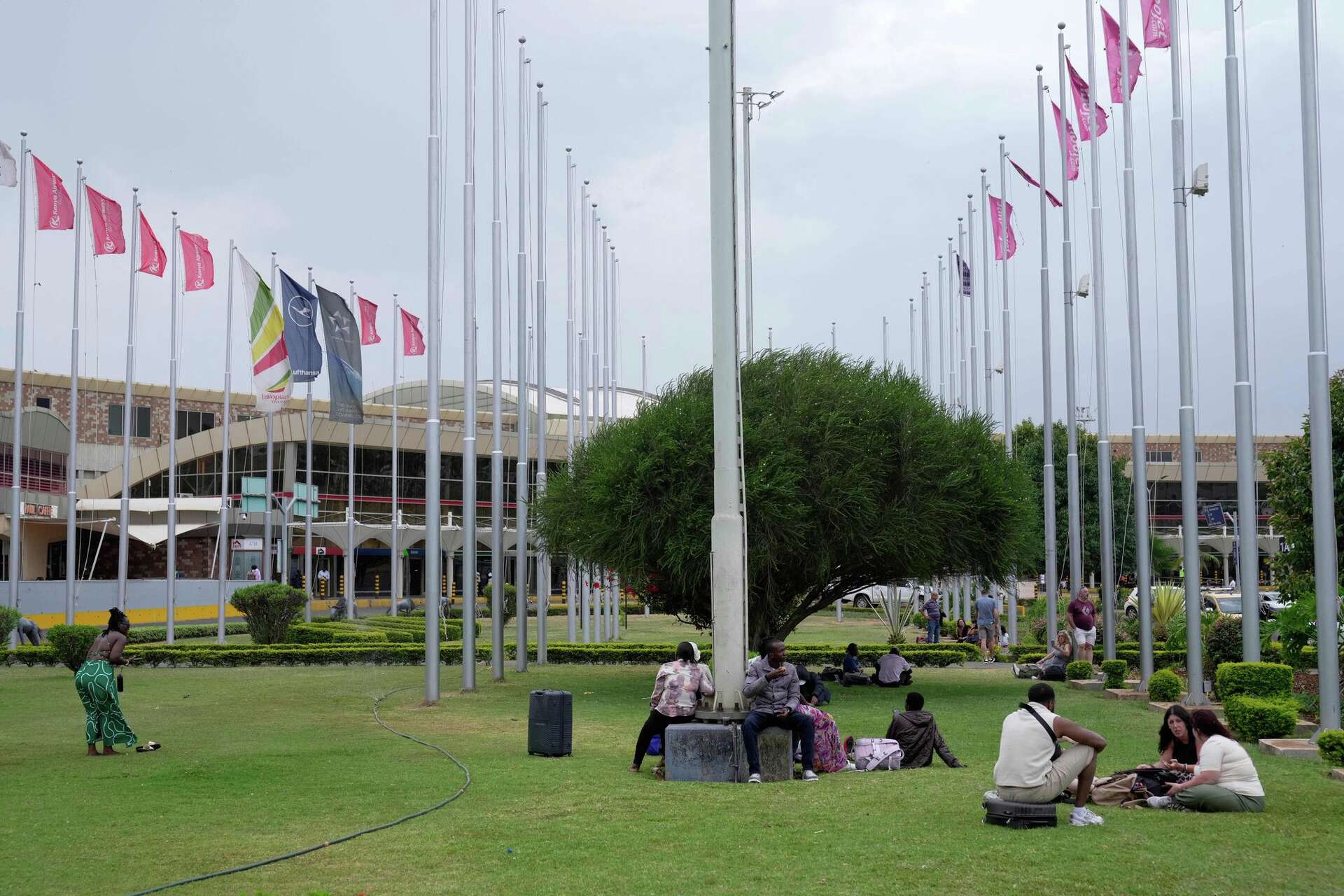
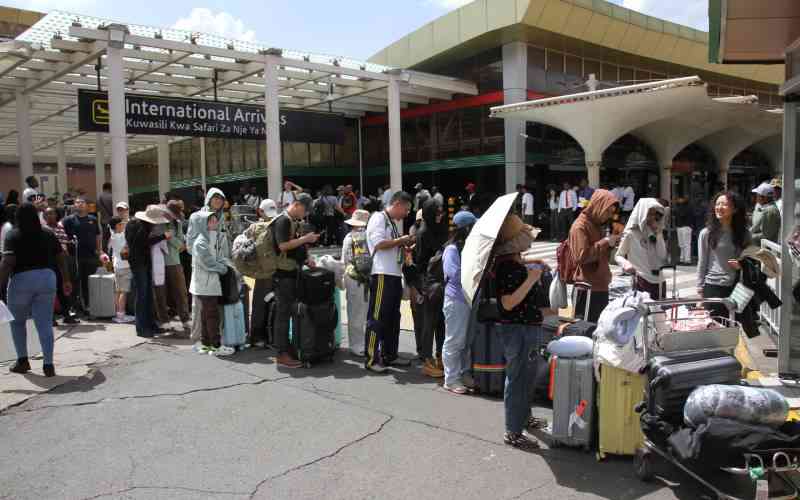
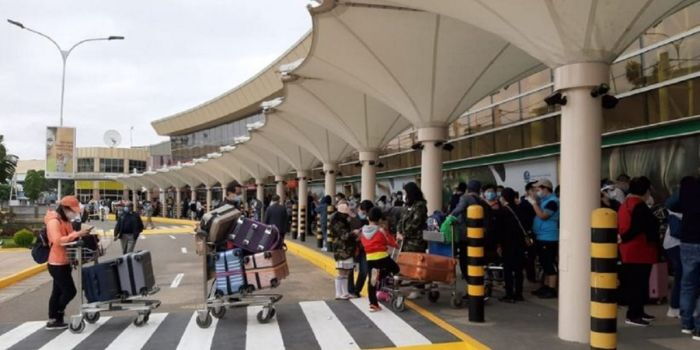
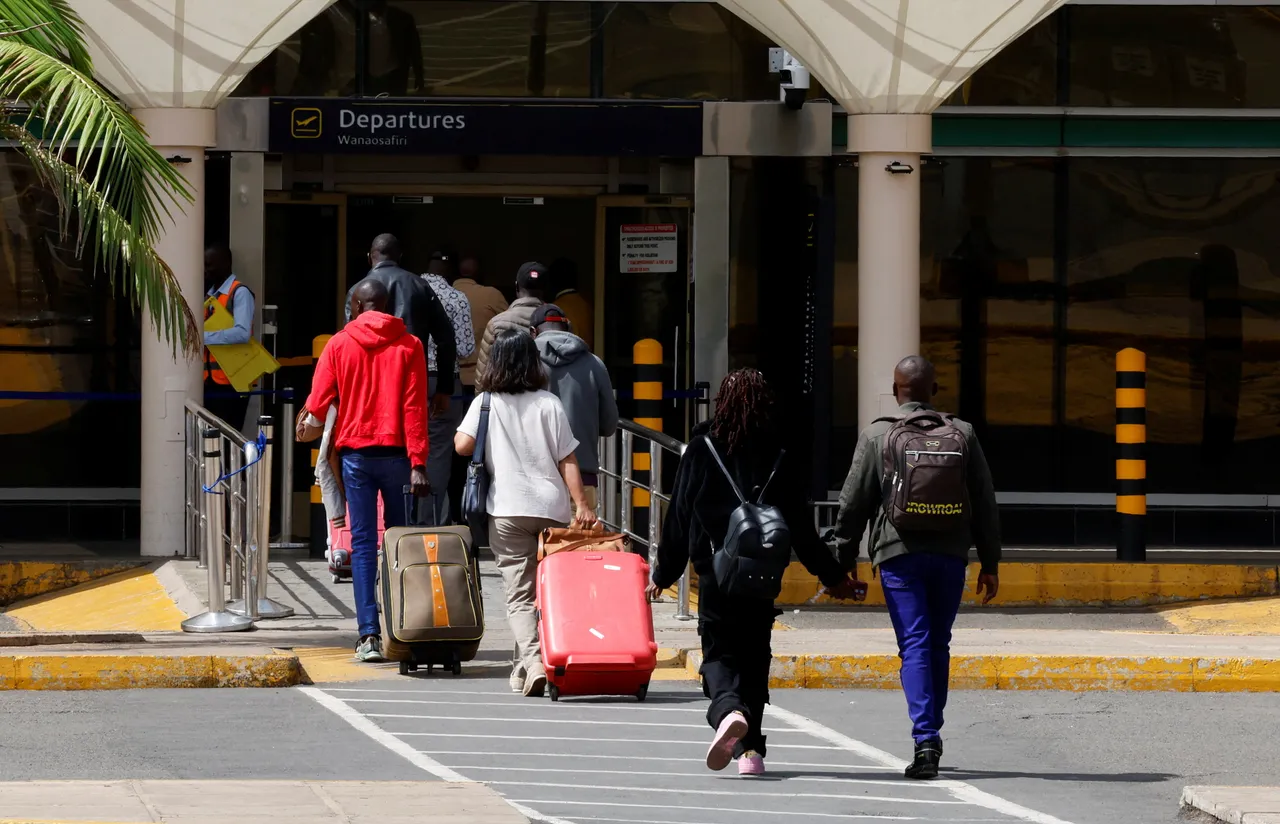
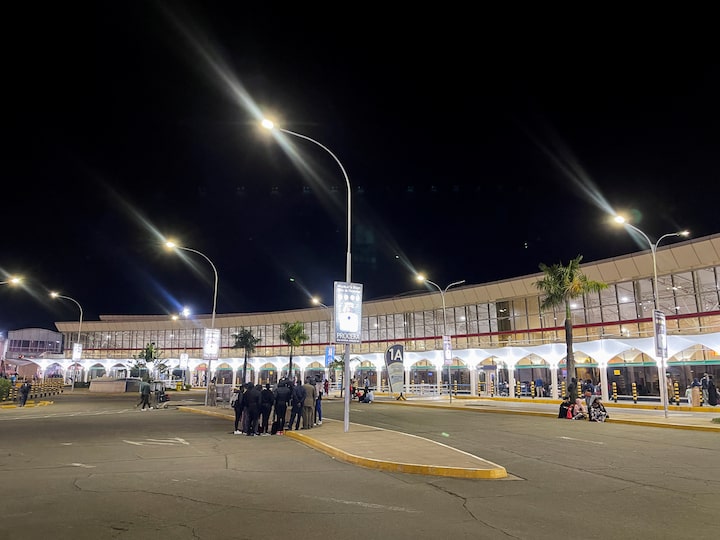
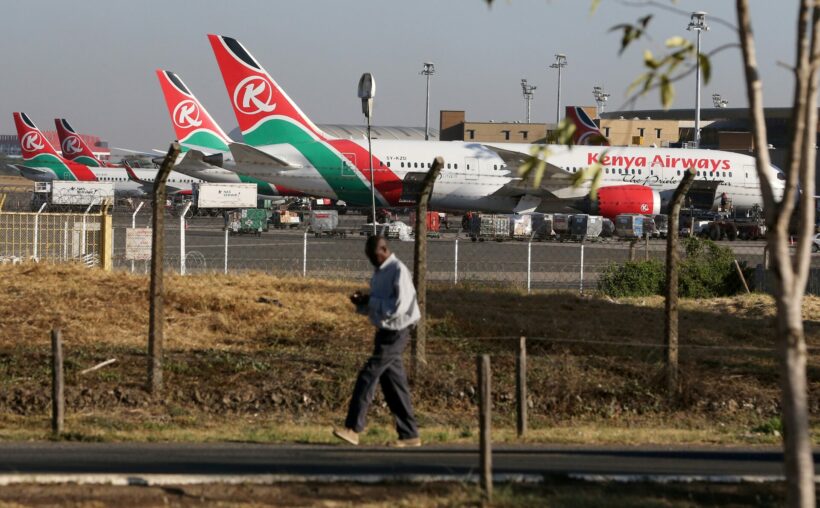
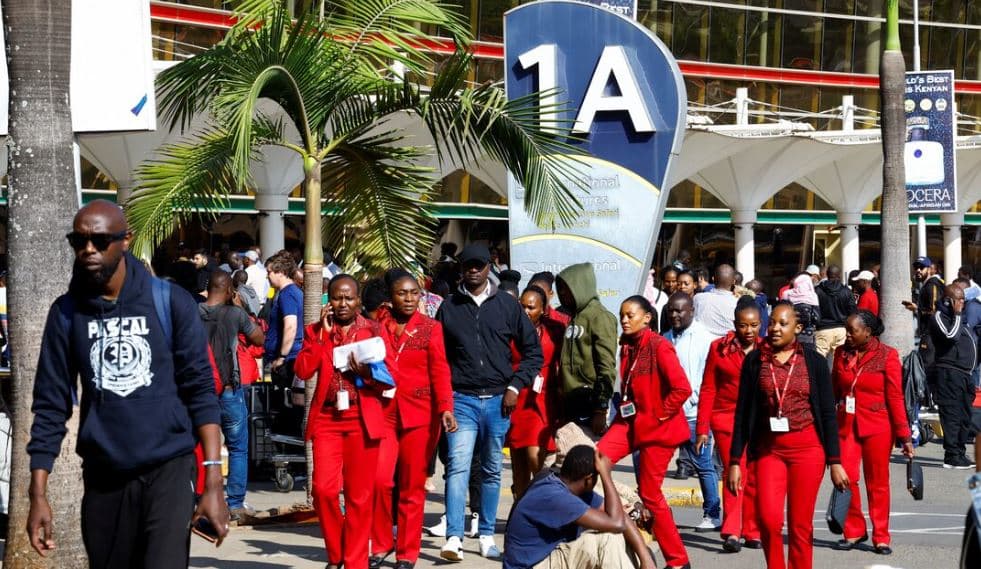
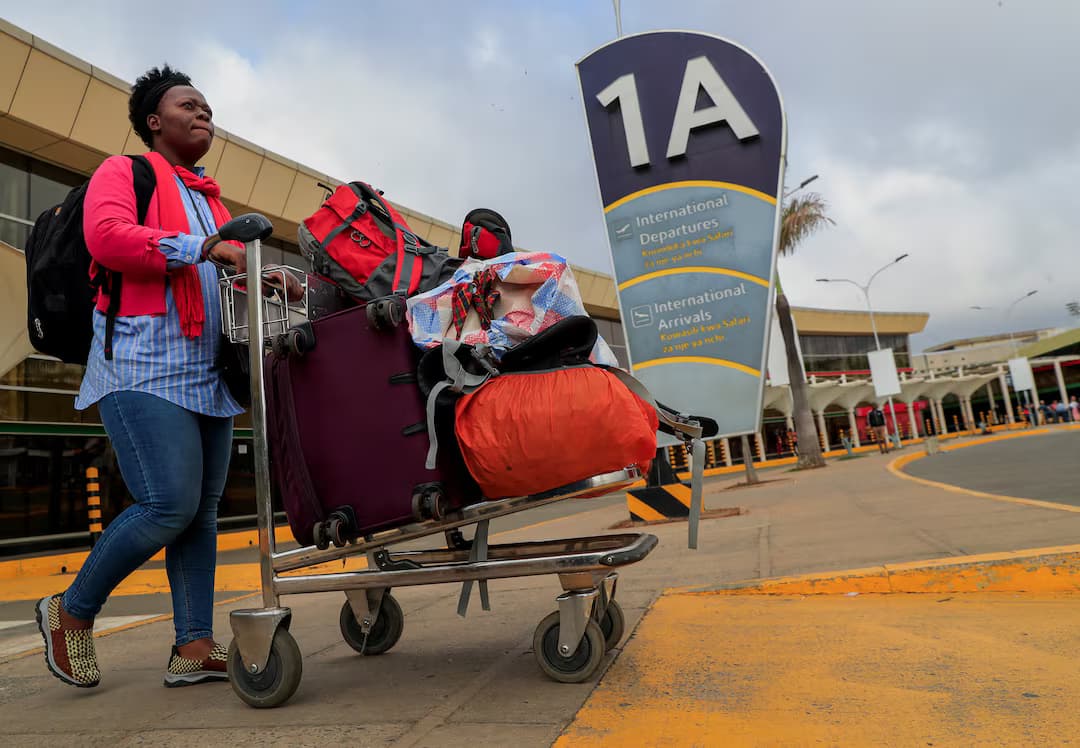
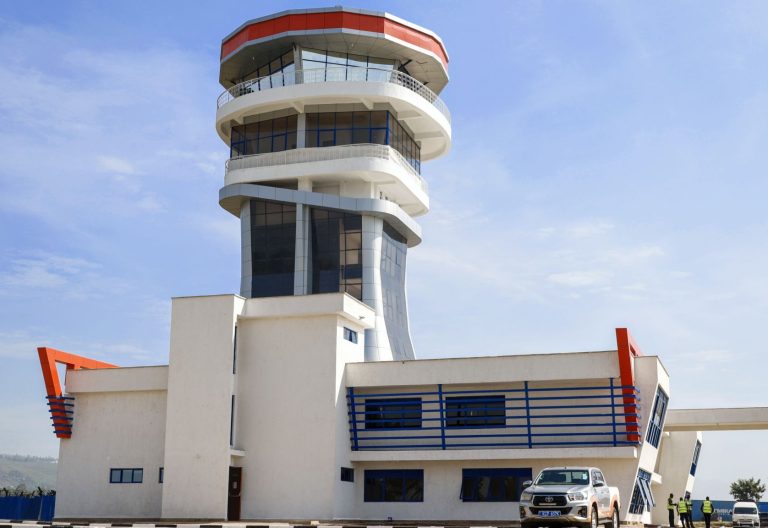
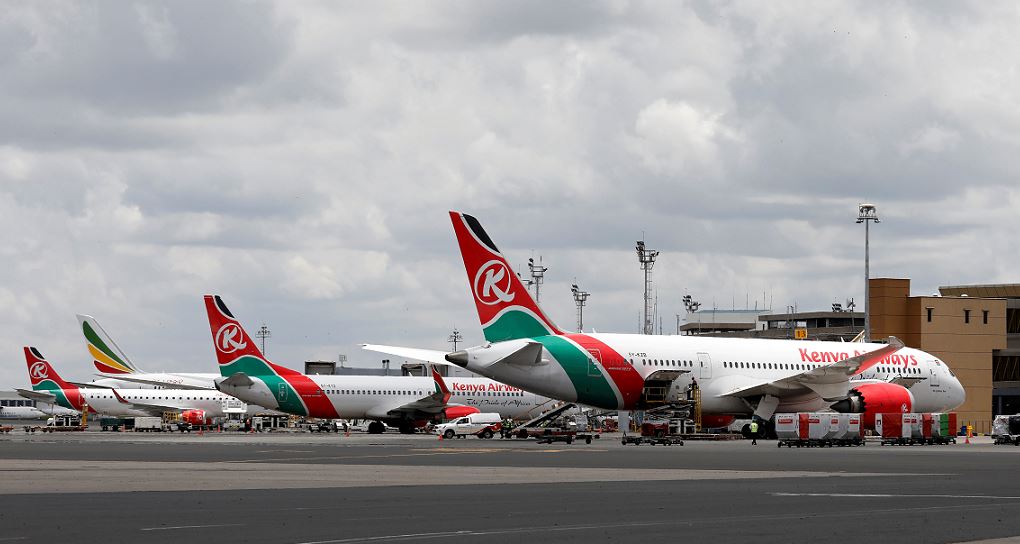
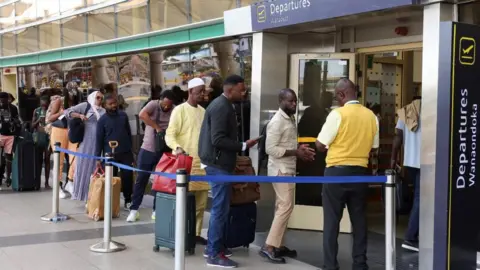
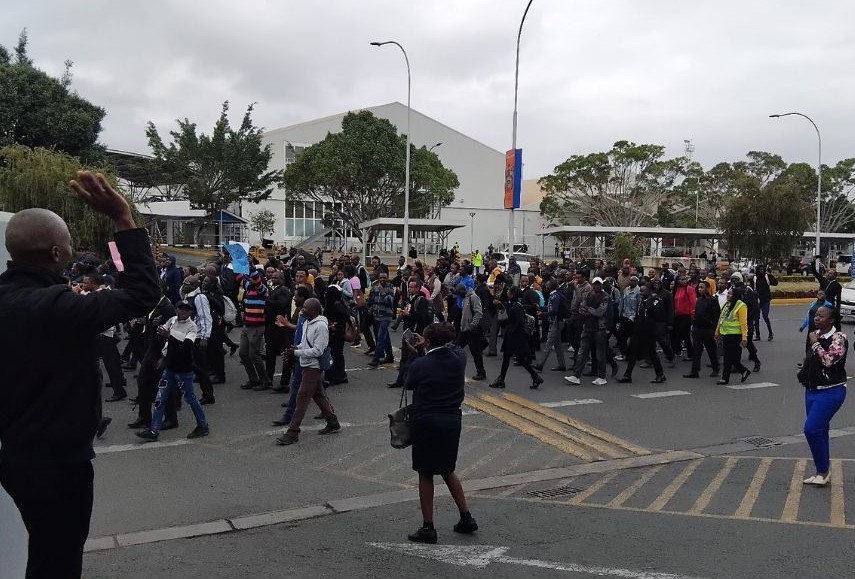
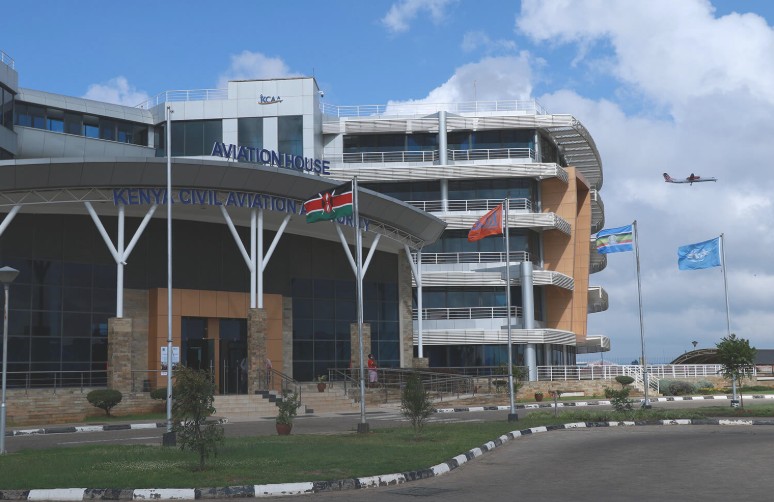
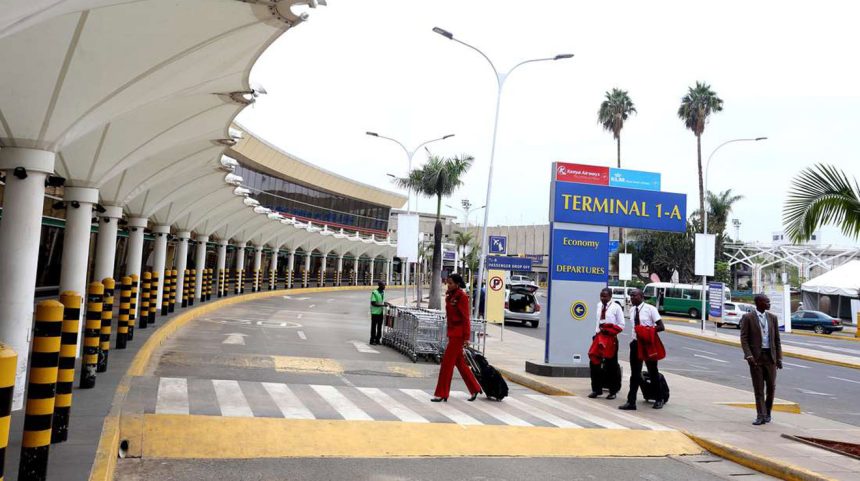
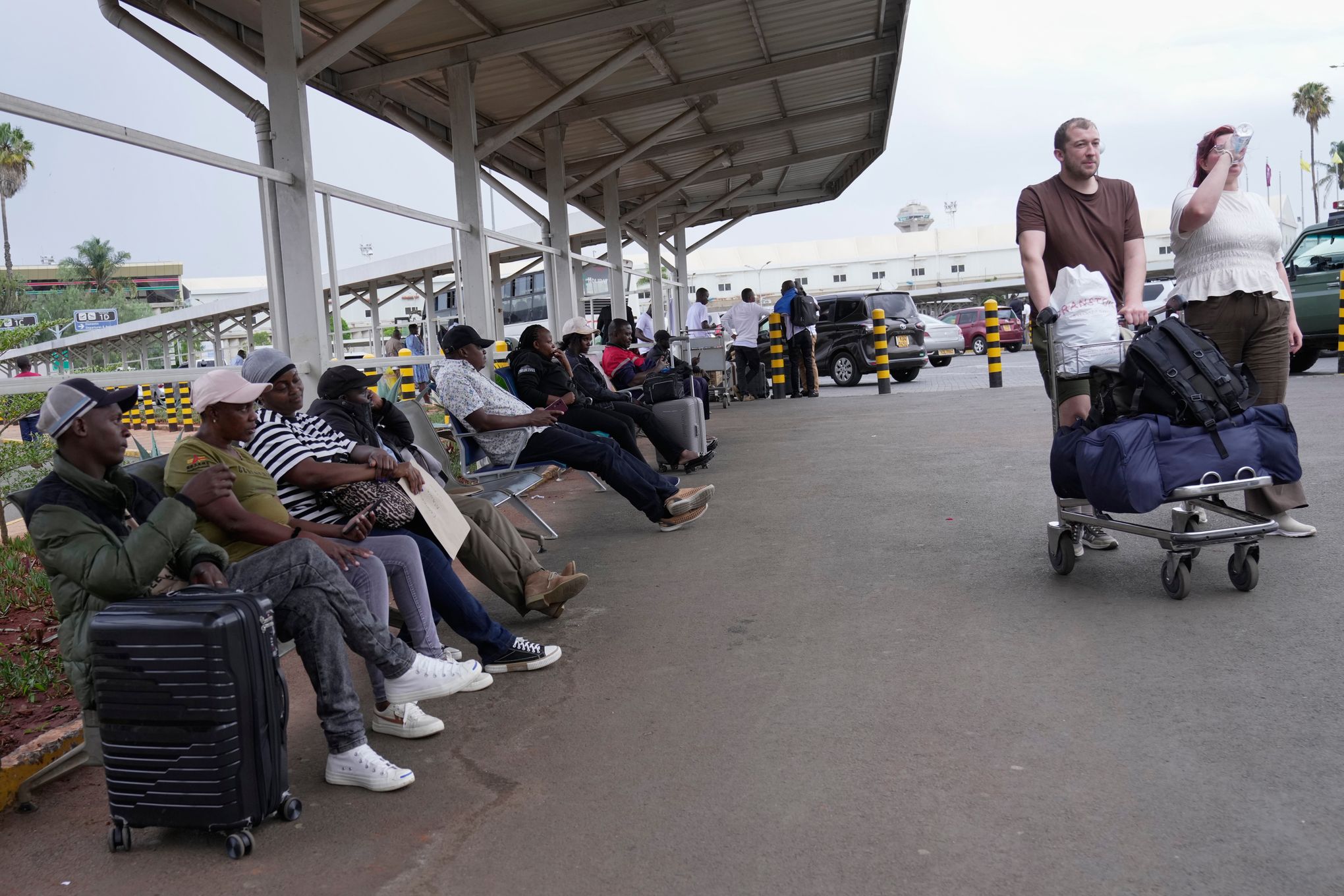
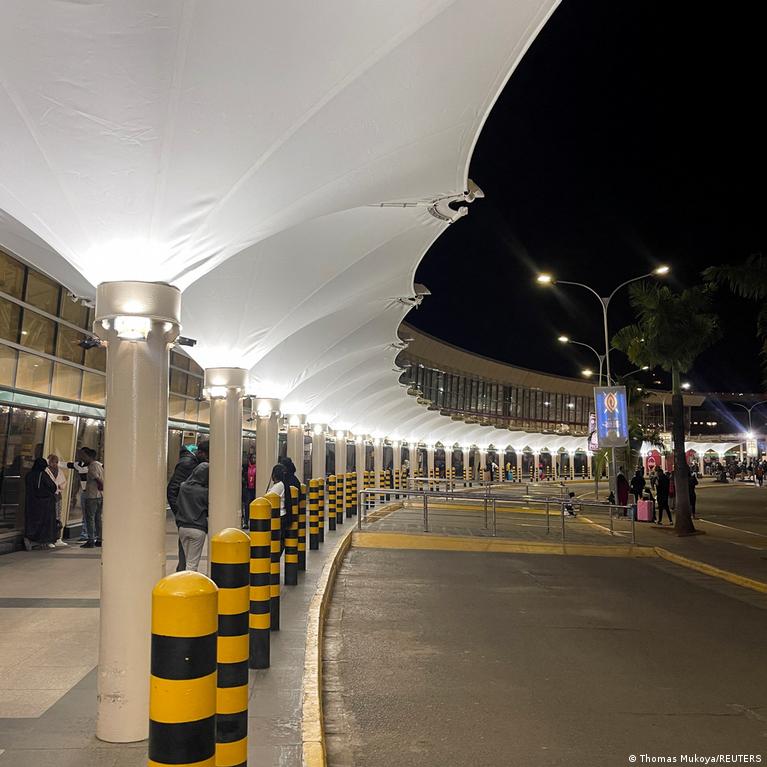
The Kenya Aviation Workers Union (KAWU) strike at Jomo Kenyatta International Airport (JKIA) on February 16, 2026, creates immediate and sustained disruptions for cross-border e-commerce sellers operating in or shipping through East Africa. JKIA, handling approximately 9 million passengers annually and serving as Africa's primary continental gateway to Europe, North America, and the Middle East, experienced departure delays of up to 4 hours with "planes hardly leaving the airports" according to KAWU Secretary-General Moss Ndiema. The underlying labor dispute—spanning over a decade with grievances including stalled salary negotiations, delayed union remittances, and workplace discrimination—escalated into threats of "go-slow" tactics that could reduce airport operations to 50% capacity, affecting baggage handling, security screening, and air traffic control operations.
For e-commerce sellers, this creates three critical logistics challenges: First, air freight cost escalation: Sellers relying on air freight for time-sensitive goods (electronics, fashion, perishables) face immediate carrier surcharges as Kenya Airways and Precision Air manage reduced capacity. Historical patterns from similar infrastructure disruptions show air freight premiums increase 15-25% during labor actions, with some carriers implementing temporary surcharges of $0.50-1.50/kg on East African routes. Second, inventory shortage risk: Sellers using Kenya as a regional distribution hub for East African markets (Uganda, Tanzania, Rwanda) face extended lead times. Standard air freight from Asia to JKIA typically takes 5-7 days; strike-related delays add 2-4 additional days, creating stockout risks for just-in-time inventory models. Third, warehouse positioning vulnerability: JKIA's reduced capacity forces sellers to either reroute through alternative East African airports (Addis Ababa Bole, Dar es Salaam) at 15-20% higher shipping costs, or shift inventory to ground-based 3PL facilities in Kenya, increasing storage costs by $0.15-0.25/unit monthly.
The Adani Group's proposed $1.85 billion 30-year lease adds long-term uncertainty. While the government frames modernization as necessary infrastructure investment, worker resistance to privatization creates sustained labor instability. The court-suspended strike (pending further directions) and threatened "go-slow" tactics indicate this is not a one-day disruption but a prolonged labor standoff. Sellers should expect 2-4 weeks of operational uncertainty minimum, with potential for escalation if negotiations stall. The incident exposes East Africa's logistics vulnerability: JKIA has no viable alternatives for major operations, forcing sellers to absorb delays rather than divert shipments. This contrasts sharply with Southeast Asian hubs (Bangkok, Singapore) where multiple competing airports provide redundancy.
問題 7
How much will JKIA air freight delays cost sellers shipping to East Africa?
JKIA strike-related delays add 2-4 days to standard 5-7 day air freight timelines from Asia, triggering carrier surcharges of $0.50-1.50/kg on affected shipments. For a typical 500kg electronics shipment, this represents $250-750 in additional costs per shipment. Sellers shipping 10+ units weekly face cumulative monthly surcharges of $1,000-3,000. Additionally, reduced airport capacity forces carriers to consolidate shipments, delaying smaller orders by 5-7 additional days. The court-suspended strike creates uncertainty lasting 2-4 weeks minimum, during which sellers should budget 20-25% premium costs on all JKIA-routed air freight.
Which warehouse locations offer strategic advantages during JKIA disruptions?
Priority ranking: (1) Nairobi 3PL facilities (existing JKIA-adjacent warehouses) for inventory already in-country—maintain current allocation; (2) Addis Ababa bonded warehouses for goods transiting to East Africa—shift 20-30% of planned JKIA inventory here; (3) Dar es Salaam regional hubs for Tanzania/Uganda-focused sellers—cost-effective for ground distribution; (4) Kampala (Uganda) distribution centers for landlocked markets—reduces reliance on JKIA for final-mile delivery. Avoid expanding Nairobi warehouse capacity during strike period; instead, negotiate temporary overflow space at existing 3PLs at $0.20-0.30/unit/month premium. Post-strike, JKIA modernization (if Adani deal proceeds) may improve capacity, making Nairobi positioning more attractive long-term.