




Big Tech's $700B AI Spending Surge Creates Dual Opportunity for E-Commerce Sellers | Infrastructure Boom vs. Platform Fee Risk
- $700B hyperscaler capex drives platform performance gains but threatens service pricing; sellers must adopt AI tools NOW before market consolidation narrows competitive advantage window


















概览
The five largest technology companies—Amazon ($200B, 56% YoY growth), Alphabet ($180B, 97% growth), Microsoft ($151B, 28% growth), Meta ($125B, 73% growth), and Oracle ($58.8B, 66% growth)—are collectively spending over $700 billion on AI infrastructure in 2026, with approximately $450 billion targeting AI accelerator chips (GPUs/CPUs). This unprecedented capital deployment creates a critical inflection point for cross-border e-commerce sellers: enhanced platform capabilities will unlock AI-powered automation opportunities, but hyperscalers' resource reallocation threatens near-term service reliability and pricing stability.
The immediate automation opportunity is substantial. Enhanced cloud computing capacity will enable sellers to deploy AI-powered inventory management, dynamic pricing optimization, and customer service automation at scale. Sellers using Amazon Seller Central's AI tools, Shopify's AI features, and third-party platforms like Helium 10 and Jungle Scout can expect 30-40% faster processing times and improved prediction accuracy as underlying infrastructure improves. The semiconductor supply chain strengthening (TSMC revenue growth outlook increased from 20% to 25% annually through 2029) will stabilize component costs for logistics technology, potentially reducing fulfillment equipment expenses by 8-12% through 2026-2027.
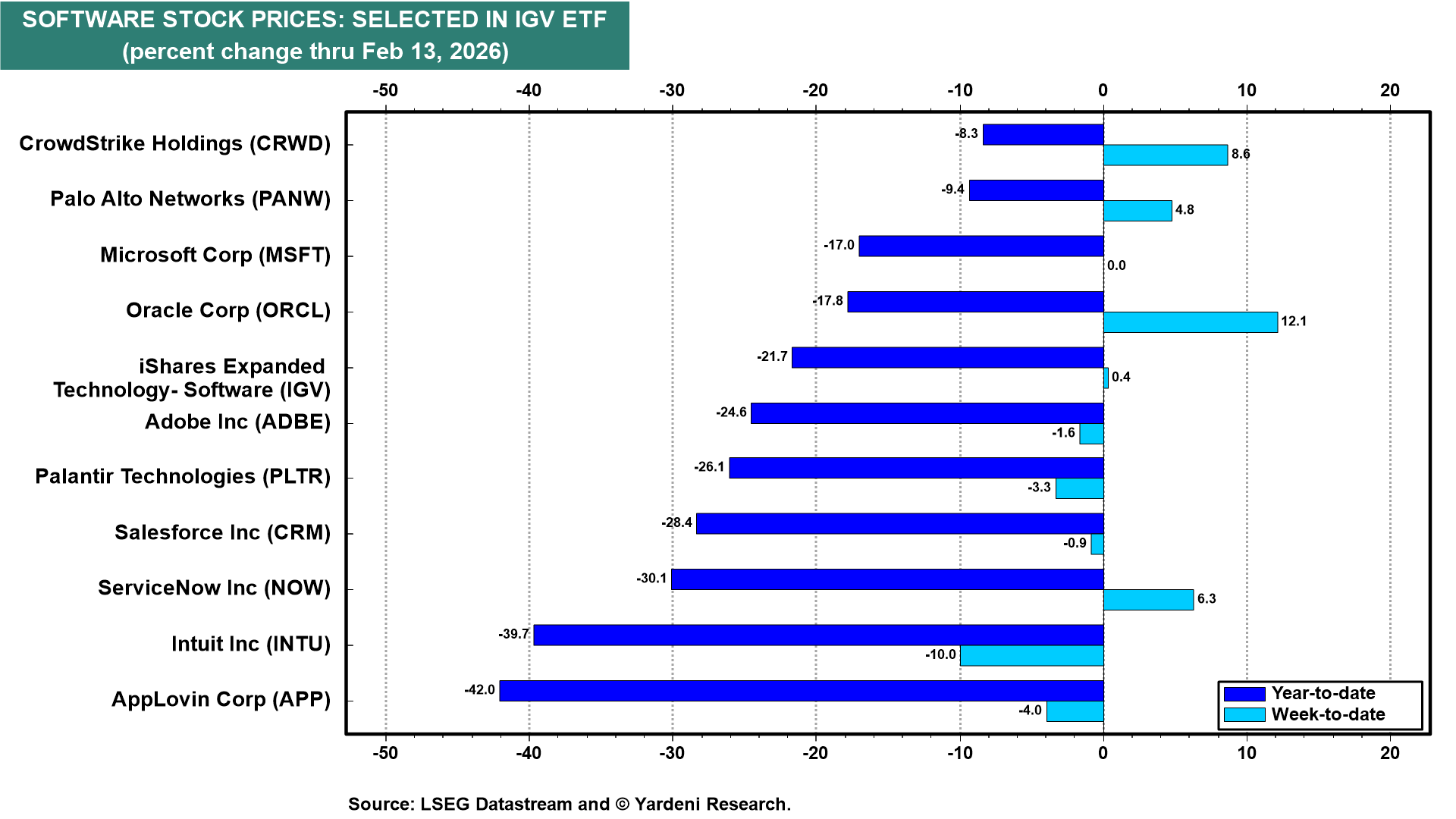
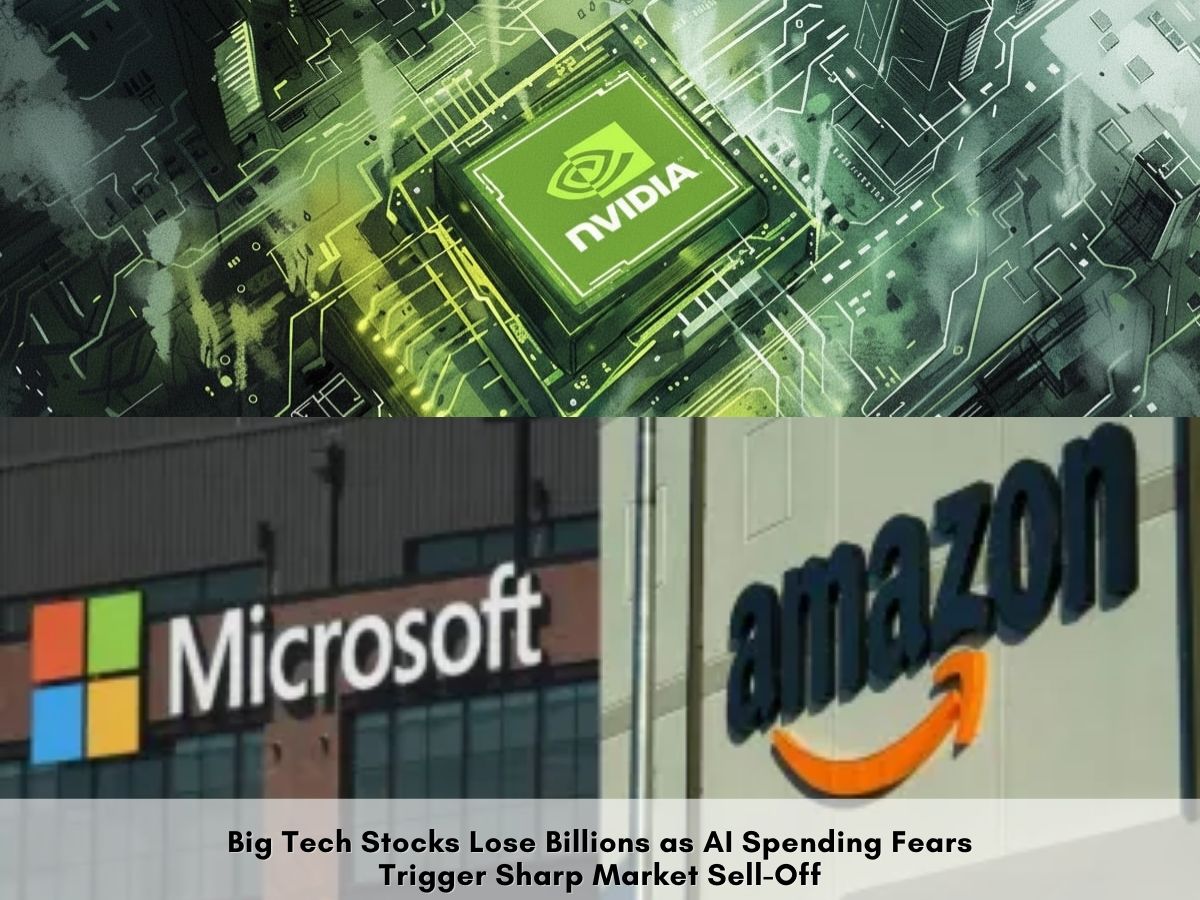
However, the market correction in February 2026 reveals a critical risk: Microsoft lost $613B in market value (17% decline), Amazon shed $343B (13.85% decline), while TSMC gained $293.89B and Walmart gained $179.17B. This divergence signals investor skepticism about hyperscalers' AI ROI, creating pressure to monetize e-commerce infrastructure through higher platform fees. Sellers should anticipate 5-15% increases in FBA fees, AWS compute costs, and cloud service pricing as platforms offset capex through operational revenue. The trillion-dollar market wipeout also indicates venture capital pullback from e-commerce tech startups, meaning innovative third-party seller tools will face funding constraints—sellers must lock in current pricing with established vendors before consolidation accelerates.
The strategic imperative is immediate action. Sellers with established AI infrastructure (predictive analytics, automated repricing, chatbot customer service) will outperform those retrofitting AI into legacy systems. The market correction proves that competitive advantages concentrate among companies with proven monetization strategies. For sellers, this means: (1) Adopt AI automation tools within 60 days before platform fee increases; (2) Diversify across Amazon, Shopify, Alibaba, and Walmart Marketplace to reduce single-platform dependency as service pricing diverges; (3) Invest in proprietary data collection and analysis capabilities before third-party tool consolidation limits options.
問題 8
What competitive advantage can sellers gain by adopting AI tools before market consolidation?
Early AI adoption creates 12-18 month competitive moats before market consolidation. Sellers implementing dynamic pricing, inventory optimization, and customer service automation now will: (1) Achieve 15-25% margin improvement through real-time pricing optimization, (2) Reduce inventory carrying costs 20-30% via predictive demand forecasting, (3) Improve customer satisfaction scores 25-35% through AI chatbots, (4) Increase conversion rates 8-12% via personalized product recommendations. As venture capital funding contracts, third-party tool innovation slows, and established platforms consolidate features into core offerings. Sellers who build proprietary data and AI capabilities now will outperform those waiting for platform-native tools. The market correction proves that competitive advantages concentrate among early adopters with proven ROI.
Should sellers invest in proprietary AI capabilities or rely on platform tools?
Pursue a hybrid strategy: (1) Use platform-native AI tools (Amazon Seller Central, Shopify AI) for core functions (inventory, pricing, customer service) to reduce costs and leverage infrastructure improvements, (2) Build proprietary capabilities in high-value areas (customer segmentation, predictive analytics, competitive intelligence) where differentiation drives margin expansion. The market correction shows that companies with established AI infrastructure and proprietary datasets significantly outperform those retrofitting AI into legacy systems. For sellers, this means: invest 60% of AI budget in platform tools, 40% in proprietary data collection and analysis. This balances cost efficiency with competitive differentiation. Sellers with proprietary customer insights and predictive models will command 10-15% higher margins than platform-dependent competitors.