



Fantasy Football Revolution: How Trey McBride Rewrote the Tight End Playbook
- Individual Performance Signals Massive Strategic Shift in NFL Fantasy Drafting




!role~Preview!mt~photo!fmt~JPEG%20Baseline)








概览
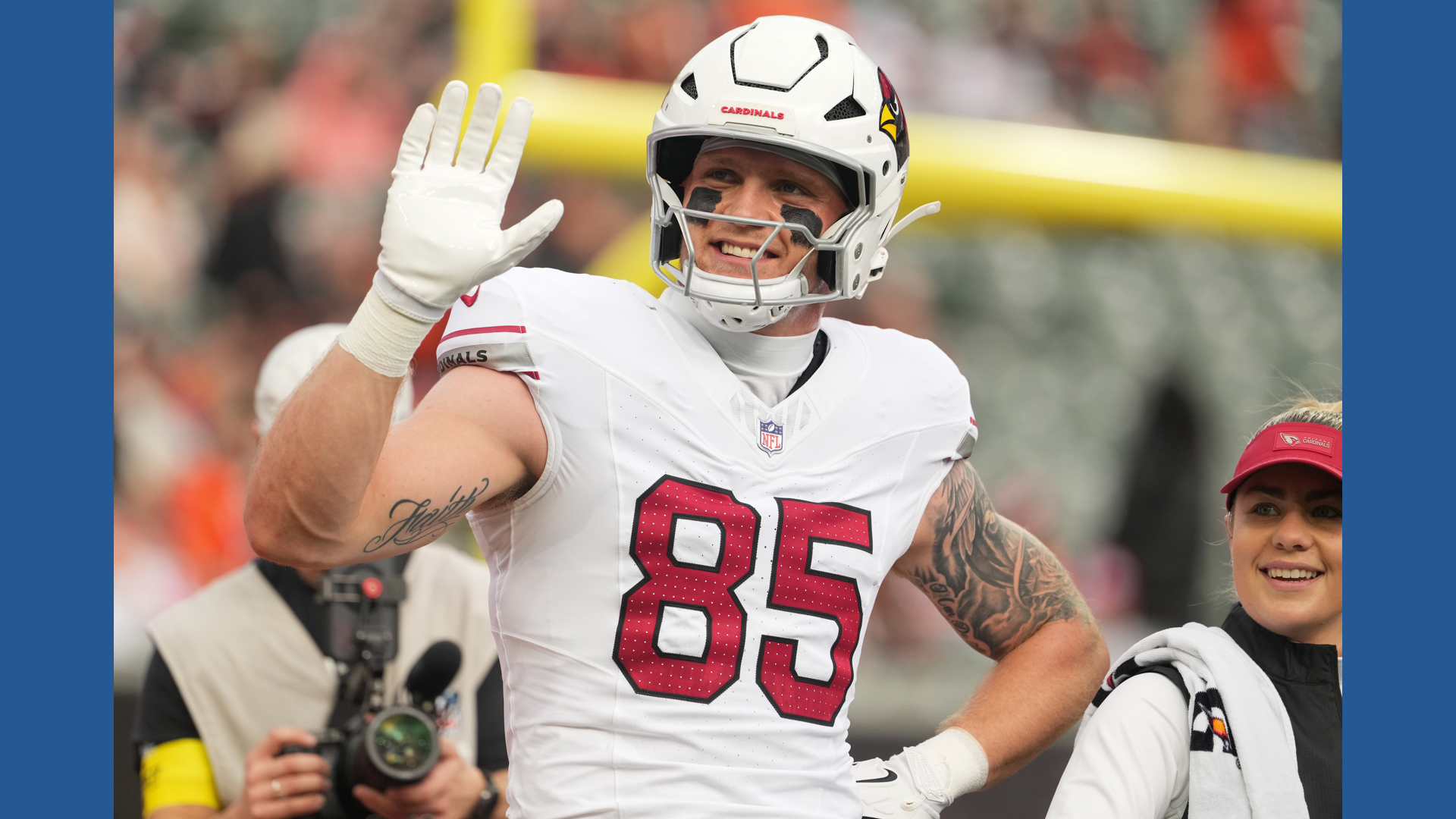
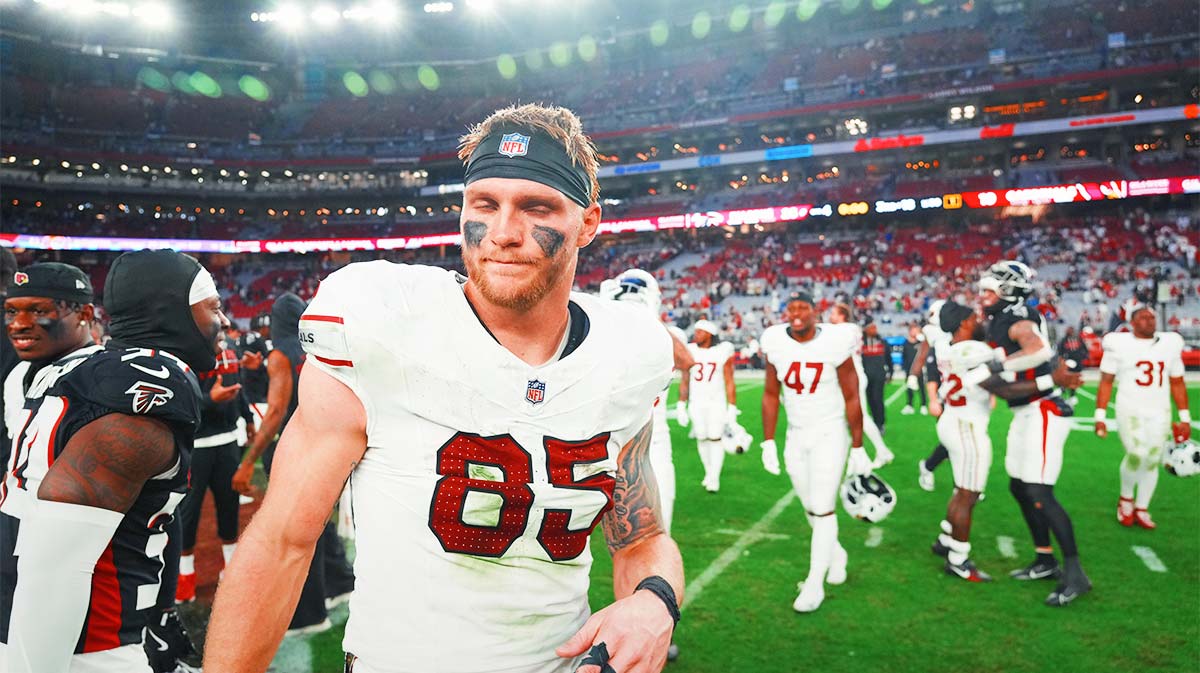
In a groundbreaking demonstration of individual resilience and strategic potential, Trey McBride has emerged as a transformative force in the NFL's tight end landscape, challenging conventional fantasy football wisdom and signaling a profound market recalibration. McBride's record-breaking season with the Arizona Cardinals—securing 119 receptions and generating 242.9 fantasy points—represents more than a personal milestone; it's a strategic inflection point for how teams and fantasy managers conceptualize the tight end position.
Performance Under Pressure defines McBride's breakthrough year. Despite the Cardinals' challenging 37-14 loss to the Bengals and an eight-game losing streak, he maintained exceptional individual performance. His 119 receptions shattered Zach Ertz's previous record of 117, achieving this feat with quarterback Jacoby Brissett amid significant team instability. This resilience suggests a critical insight: elite individual talent can transcend systemic organizational challenges.
The Fantasy Football Ecosystem Transformation is perhaps McBride's most significant impact. His performance has dramatically reshaped draft strategies, with experts projecting him as a potential first-round pick in 2026—a nearly unprecedented position for a tight end. The scarcity of high-performing tight ends makes his achievement exponentially more valuable, potentially forcing a fundamental rethinking of draft approaches. McBride's 242.9 fantasy points eclipse previous top performances, creating a substantial gap between him and competitors like Travis Kelce.
Strategic Uncertainty and Potential remain key variables in McBride's trajectory. With ongoing questions surrounding the Cardinals' quarterback situation—particularly Kyler Murray's position—his future performance carries both immense promise and strategic complexity. The quarterback uncertainty paradoxically amplifies McBride's achievement, suggesting he can deliver exceptional results even under suboptimal team conditions.
For fantasy managers and sports analysts, McBride represents more than a player—he's a strategic signal. His performance suggests that individual talent can create value independent of team performance, challenging traditional roster construction assumptions. The tight end position, historically considered a secondary draft consideration, may now demand premium strategic attention.
問題 3
What are the potential long-term implications for fantasy football draft strategies?
McBride's season signals a potential strategic revolution in draft approaches. The scarcity of high-performing tight ends means managers might now prioritize elite tight end talent earlier in drafts, potentially reshaping traditional roster construction strategies.
What makes McBride's performance unique given the Cardinals' poor season?
McBride achieved his record-breaking performance during a challenging team season, demonstrating exceptional individual resilience. His ability to generate elite stats despite team instability suggests a rare combination of personal skill and mental toughness that transcends organizational performance.