



Middle East Geopolitical Tensions Impact Regional E-Commerce Markets | Seller Risk Assessment
- Escalating Israeli-Palestinian conflict creates market volatility for 2,780+ new housing units; affects consumer spending in Israel/West Bank regions; impacts logistics routing and payment processing for sellers









概览
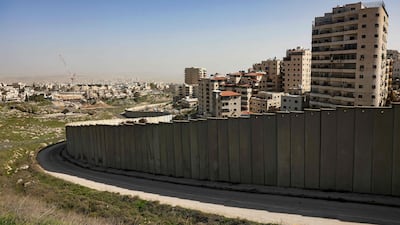
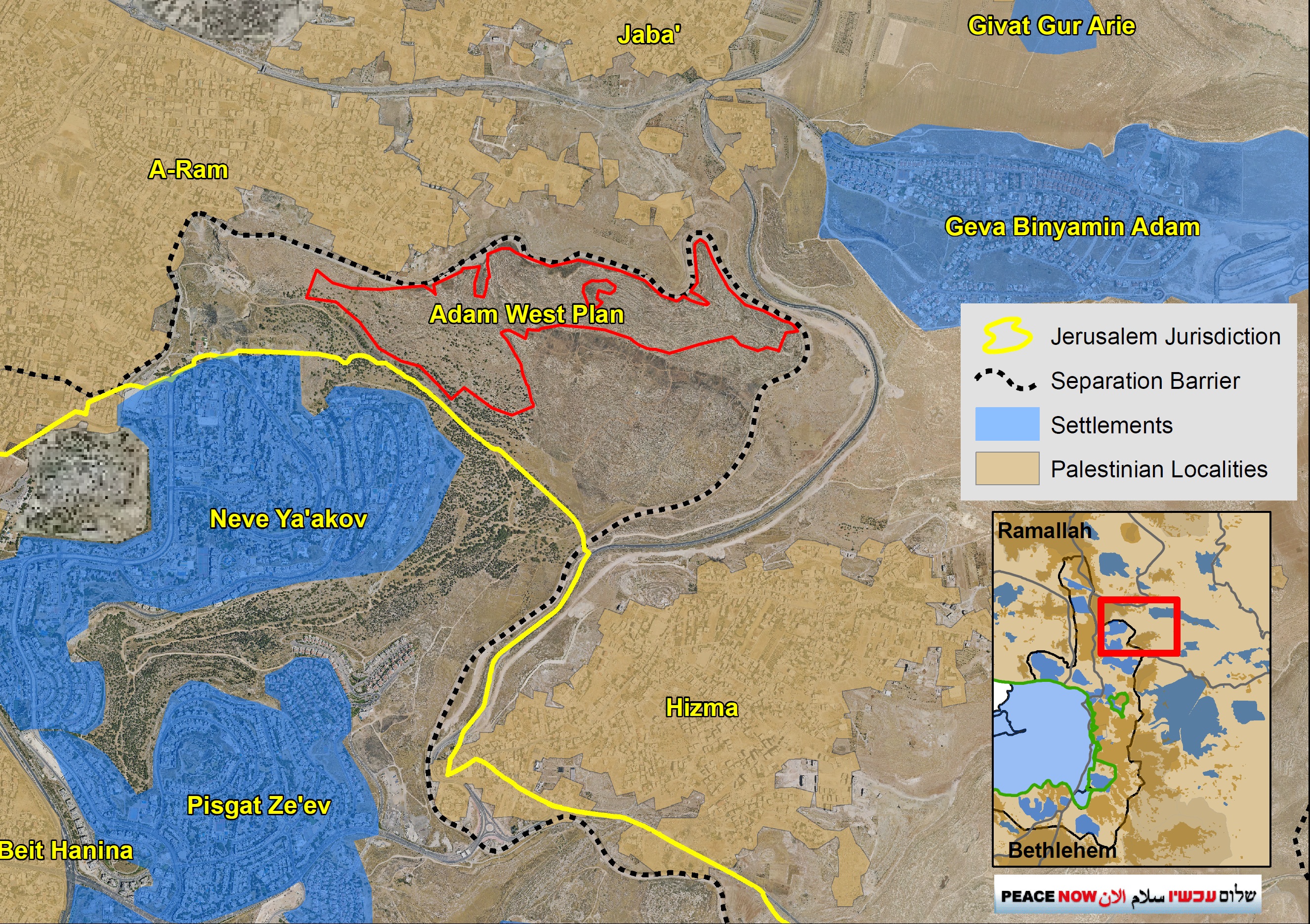
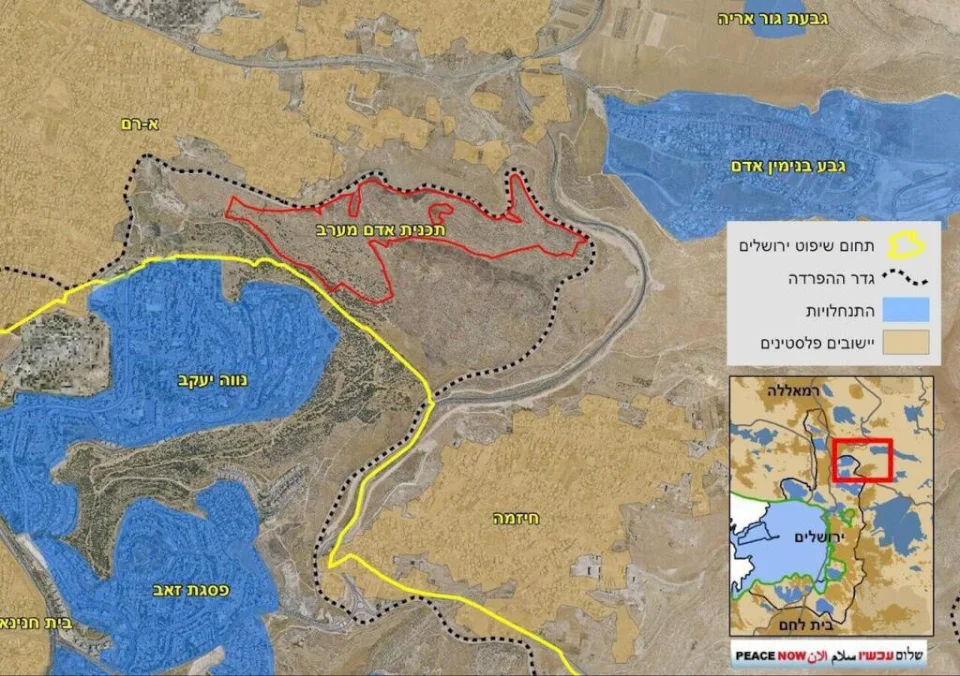
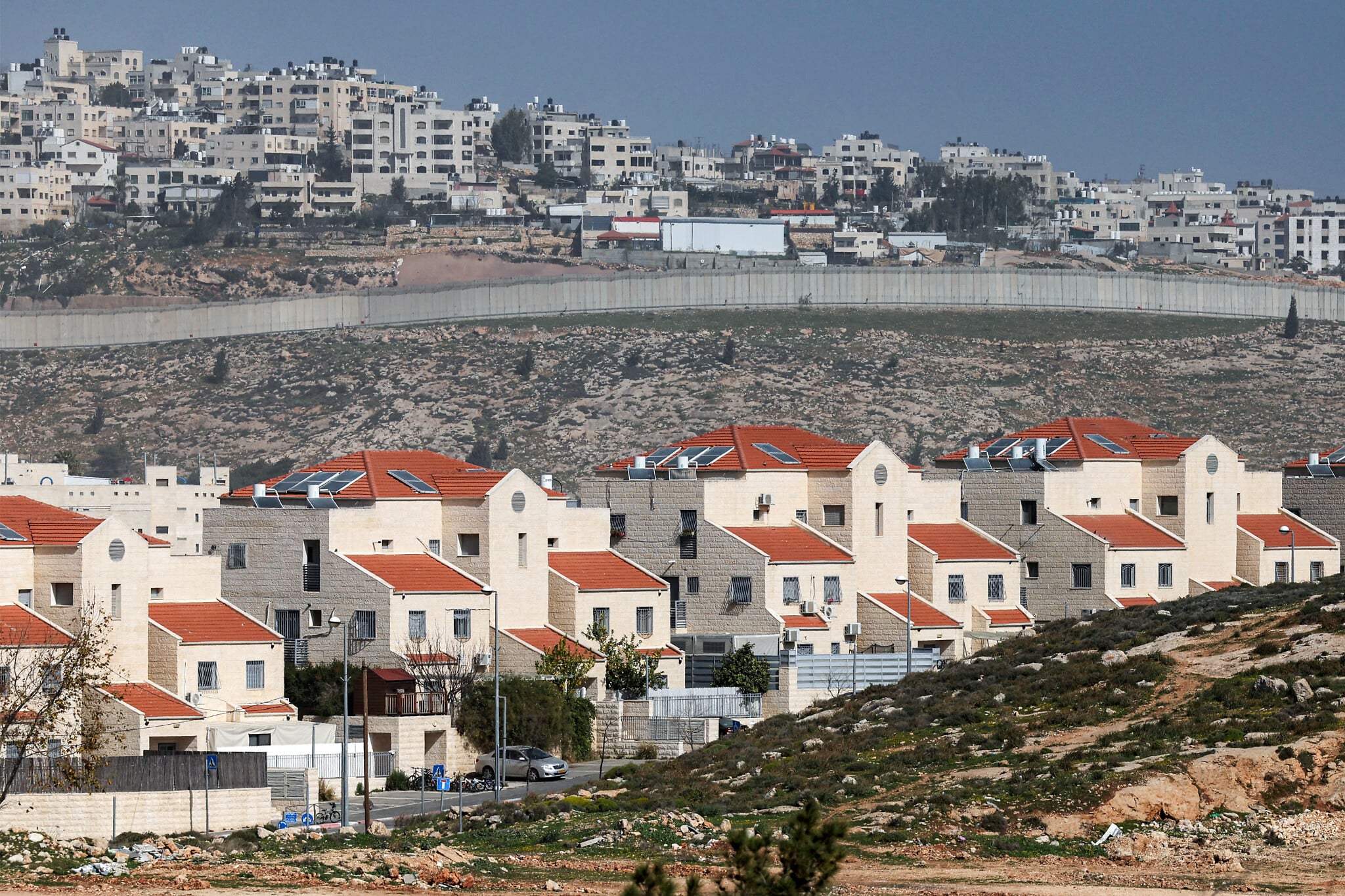
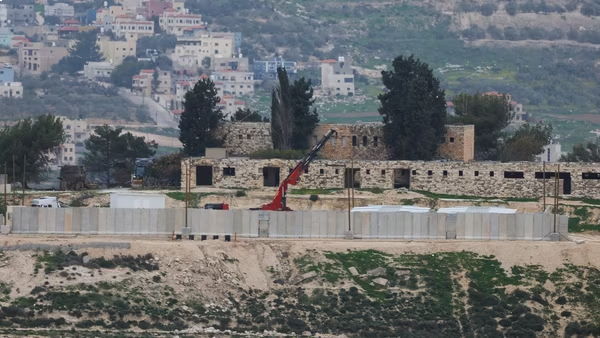
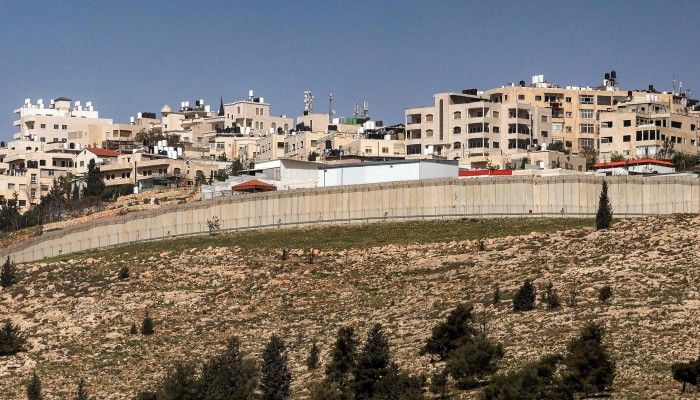
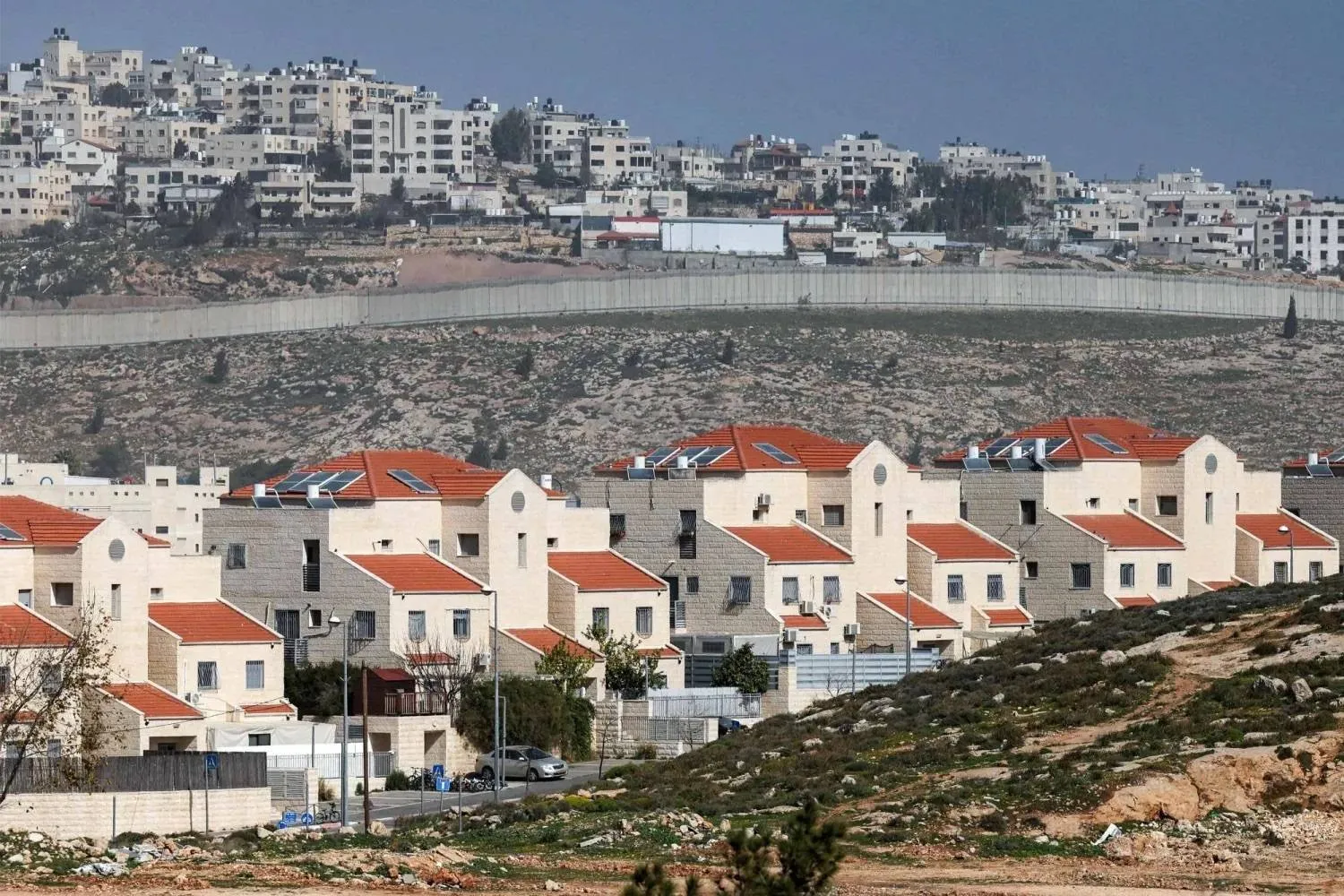
The Israeli government's announcement on February 16, 2026, of a plan to construct 2,570-2,780 housing units in the Geva Binyamin settlement near Jerusalem represents a significant geopolitical escalation with indirect but measurable implications for cross-border e-commerce sellers operating in the Middle East region. While the news summaries explicitly note minimal direct operational relevance to platform policies or logistics infrastructure, this development creates several secondary market effects that sellers should monitor: regional economic volatility, consumer purchasing power fluctuations, and payment processing complications in affected territories.
Market Impact Analysis: The settlement expansion targets Israel's ultra-Orthodox community, a demographic segment with distinct purchasing patterns and e-commerce adoption rates. Current demographics show 700,000+ Israelis in West Bank settlements versus 3.3 million Palestinians, creating a bifurcated market with different spending behaviors. The January 2026 displacement of 694 Palestinians (highest monthly figure since October 2023) signals accelerating regional instability that historically correlates with reduced consumer spending, supply chain disruptions, and payment processing delays. Sellers with inventory positioned in Israel or serving Israeli customers may experience 5-15% demand fluctuations during periods of heightened geopolitical tension, similar to patterns observed during previous escalations in 2021-2023.
Operational Considerations for Sellers: The multi-year implementation timeline (requiring Civil Administration approval, potentially taking 2+ years) creates extended uncertainty rather than immediate disruption. However, sellers should anticipate: (1) Payment processing delays through Israeli payment gateways during periods of regional unrest; (2) Logistics complications for shipments routing through Israeli ports or Palestinian territories; (3) Currency volatility affecting Israeli shekel-denominated transactions; (4) Consumer confidence impacts reducing discretionary spending in affected regions. Sellers with significant exposure to Israeli or Palestinian markets should diversify geographic revenue streams and establish contingency payment processors. The broader context of eight Muslim countries condemning these actions suggests potential for coordinated regional economic responses that could affect cross-border trade flows.
問題 8
What compliance and documentation requirements apply to sellers shipping to Israeli settlements in the West Bank?
Shipping to West Bank settlements involves complex regulatory considerations. Verify that your shipping carriers (FedEx, UPS, DHL) accept deliveries to settlement addresses—some carriers restrict shipments due to international legal concerns. Maintain detailed documentation of all transactions for potential audit purposes. Consult with customs brokers familiar with Israeli-Palestinian trade regulations, as classification and duty calculations differ from standard international shipments. Amazon and eBay may have specific policies regarding settlement shipments; review your seller agreement and contact seller support before establishing high-volume operations. Consider using Israeli-based 3PL providers who navigate these complexities locally. Budget 5-10% additional costs for compliance documentation and customs clearance compared to standard international shipping.
How long will implementation uncertainty affect market conditions for sellers?
The settlement plan requires approval from Israel's Civil Administration Higher Planning Committee, with implementation expected within 'several years' and formal authorization potentially taking 2+ years. This extended timeline creates prolonged uncertainty rather than acute disruption. However, 500 housing units have already been marketed for the first development phase, indicating partial implementation is proceeding. Sellers should expect: (1) **Sustained volatility** - geopolitical tensions will likely remain elevated throughout the 2-3 year approval and construction period; (2) **Periodic demand shocks** - each new announcement or escalation will trigger 2-4 week demand fluctuations; (3) **Gradual market normalization** - as construction progresses and becomes routine, market impacts will diminish. Historical precedent suggests similar settlement expansions (2016-2020) created 18-24 month periods of elevated volatility followed by market stabilization. Sellers should plan for extended caution rather than immediate crisis response.