





Presidents' Day Apple Sales 2026 | Secondary Peak Shopping Window for Electronics Sellers
- Mid-February promotional event drives $300+ discounts across Apple ecosystem; Amazon/Best Buy/Walmart dominate distribution with aggressive pricing on accessories and previous-generation models



概览
Presidents' Day 2026 represents a critical secondary peak shopping period for cross-border e-commerce sellers, with major U.S. retailers (Amazon, Best Buy, Walmart) offering up to $300 in discounts across Apple's entire product ecosystem. This mid-February promotional window demonstrates sustained consumer spending momentum following holiday seasons, with aggressive pricing on premium electronics and accessories creating both competitive pressure and inventory movement opportunities for third-party sellers.
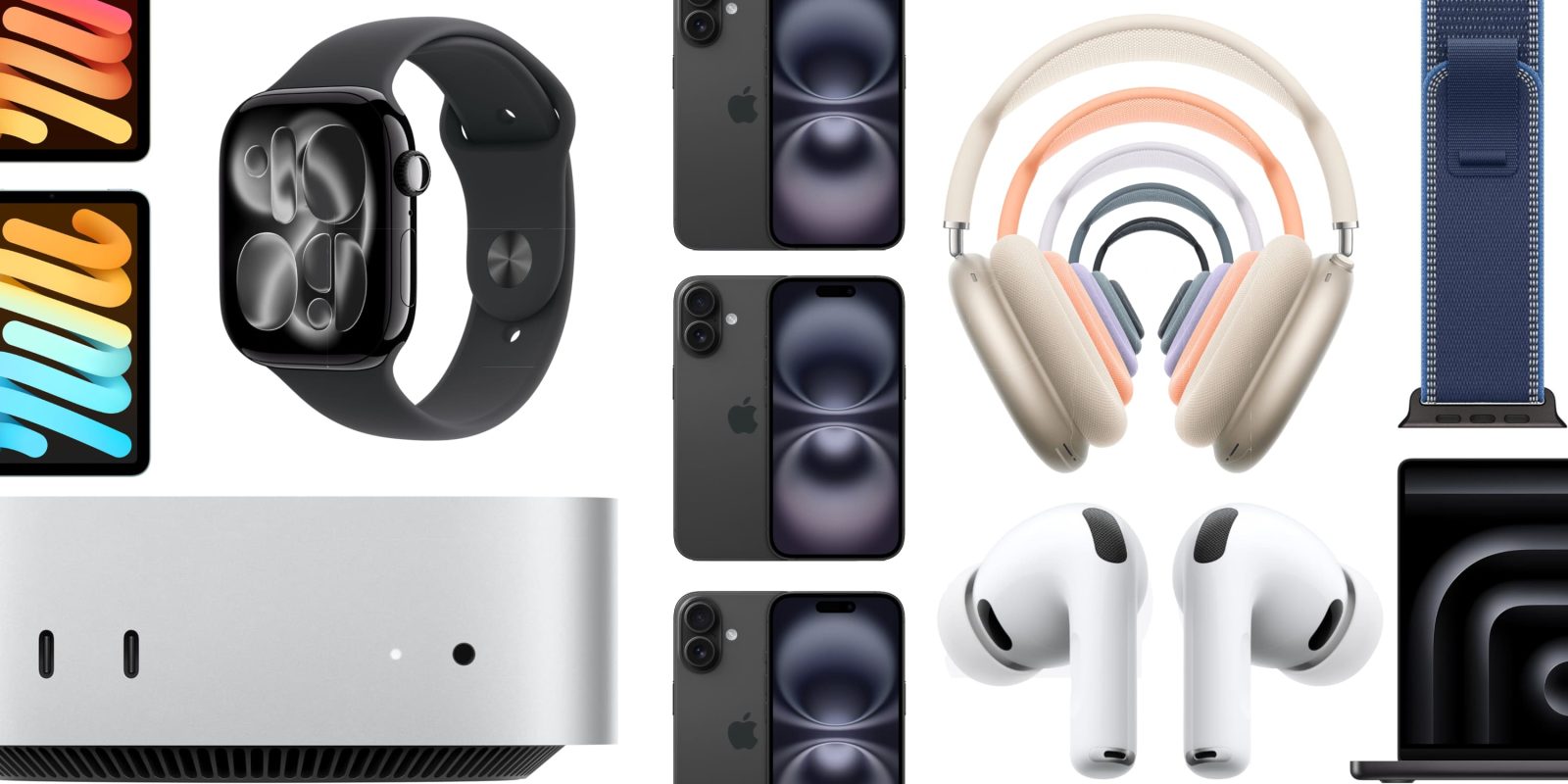
The promotional pricing landscape reveals critical market dynamics for electronics sellers. Apple Watch Series 10 with cellular connectivity dropped to $299 (down $200 from $499), iPad Air M3 reached $489.99 (down $109.01 from $599), and MacBook Air M4 fell to $849.99 (down $149.01 from $999). AirPods pricing shows even steeper discounts: AirPods Pro 3 at $210 (down $39 from $249), AirPods 4 with ANC at $140 (down $39 from $179), and standard AirPods 4 at $99 (down $30 from $129). Most significantly, first-generation AirTags reached historic lows at $17 individually and $64 for four-packs, with accessories commanding up to 50% discounts. These price points indicate retailers' strategy to maintain sales momentum through extended promotional periods following Black Friday and Prime Day, creating a pattern of sustained seasonal discounting that affects inventory planning and pricing strategies across the entire category.
For sellers competing in electronics and accessories, this event illustrates three critical market dynamics. First, third-party retailers consistently offer better pricing than Apple's official store, with concentration of deals at Amazon, Walmart, and Best Buy reflecting these platforms' dominance in consumer electronics distribution. Second, previous-generation models command significant discounts compared to current versions, suggesting consumers prioritize value over latest features during promotional windows. Third, AirTags, cases, chargers, and cables represent high-volume, lower-margin categories with aggressive promotional pricing—indicating these accessories drive traffic and conversion while compressing margins for sellers. The timing during Presidents Day weekend (mid-February) represents a secondary peak shopping period, suggesting sustained consumer spending patterns beyond traditional holiday seasons. Sellers monitoring competitive pricing should note that Apple's official channel discounts typically influence marketplace pricing across regions, affecting both direct competitors and complementary product categories through cascading price adjustments.
Immediate seller actions should focus on inventory positioning and pricing strategy alignment. Sellers sourcing Apple products must evaluate whether to match aggressive promotional pricing or pivot to complementary categories (cases, screen protectors, charging solutions) where margins remain defensible. The concentration of deals at three major platforms creates Buy Box pressure for Amazon sellers, requiring daily price monitoring and potential repricing automation during the promotional window. For cross-border sellers, this event validates consumer willingness to purchase premium electronics during promotional windows and demonstrates the importance of competitive pricing strategies during major shopping events. The pattern of previous-generation model discounting suggests sellers should prioritize inventory of older SKUs during this period, as consumer awareness of price variations—amplified by retail media coverage comparing prices across platforms—drives purchasing decisions and creates competitive pressure to match or beat advertised prices.
問題 7
What are the risks for sellers competing in Apple product categories during promotional events?
The primary risk is margin compression from aggressive competitive pricing at major retailers, which creates Buy Box pressure on Amazon and forces smaller sellers to match unsustainable price points. Sellers sourcing Apple products face inventory risk if they overstock previous-generation models expecting sustained demand, as promotional windows are time-limited and inventory can become obsolete quickly. The concentration of deals at Amazon, Walmart, and Best Buy creates distribution disadvantage for sellers on smaller platforms or with limited inventory. Sellers should avoid competing directly on price for premium devices and instead focus on accessories, bundles, or complementary products where margins remain defensible. The pattern of extended promotional periods indicates retailers will continue aggressive pricing through February, potentially extending margin pressure beyond the Presidents' Day weekend itself.
How can sellers leverage Presidents' Day promotional events for long-term growth?
Sellers should use Presidents' Day as a customer acquisition opportunity rather than a margin-optimization event, accepting lower per-unit profits to build customer lifetime value through repeat purchases and positive reviews. The event demonstrates consumer willingness to purchase premium electronics during promotional windows, validating demand for high-ticket items on marketplaces—sellers can use this insight to expand product assortment beyond accessories into complementary electronics categories. Building email lists during Presidents' Day allows sellers to market future seasonal events and new product launches to price-sensitive electronics buyers. Sellers should analyze which product categories and price points drive highest conversion during Presidents' Day, then optimize inventory and marketing strategies for subsequent seasonal events using these insights. The secondary peak nature of Presidents' Day suggests it functions as a testing ground for Q1 demand patterns, allowing sellers to validate product-market fit before committing to larger inventory investments for spring and summer seasons.