



Dollar Depreciation Accelerates Cross-Border Seller Opportunities | FX Hedging & Pricing Strategy Guide 2025
- USD down 9.4% YTD against major currencies; fund managers adopt decade-high bearish positioning; sellers exporting from US gain 8-12% price competitiveness advantage while importers face 5-8% cost inflation



















概览
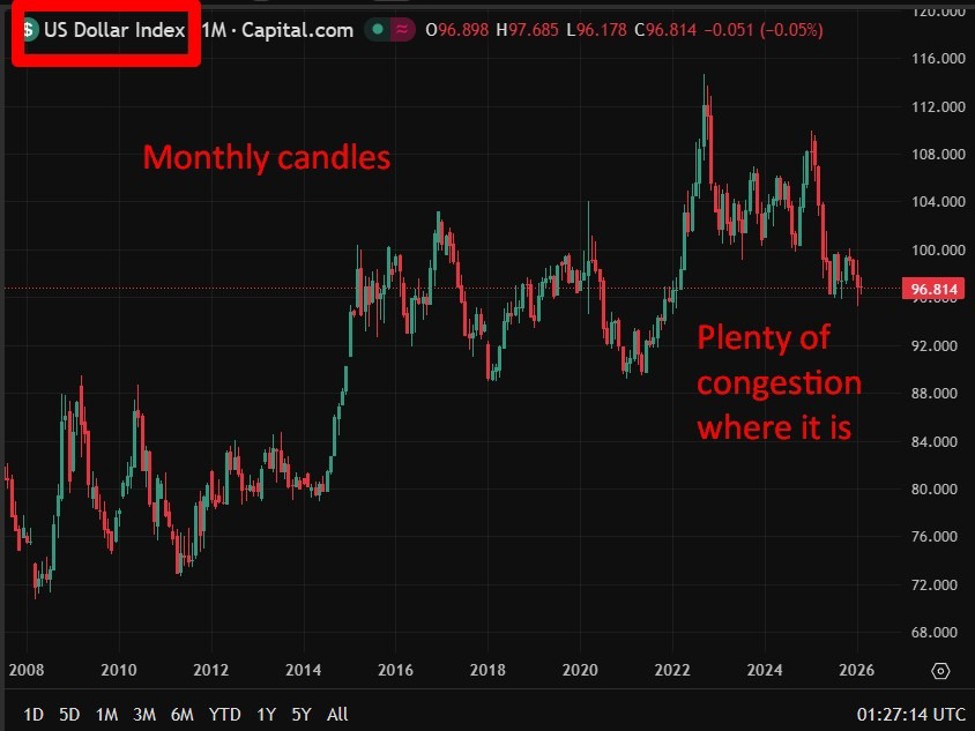
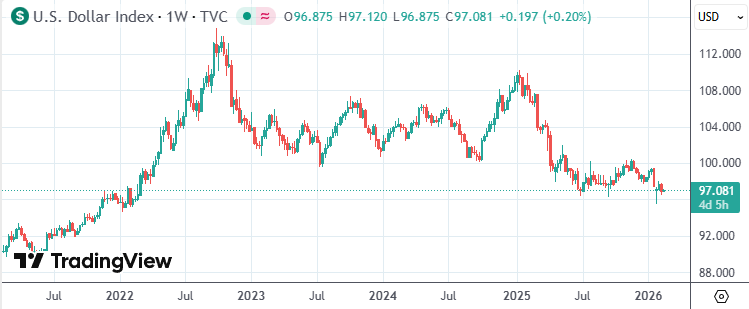
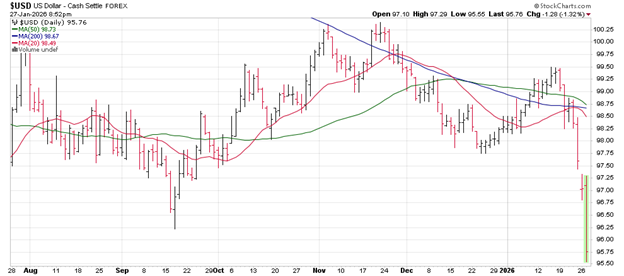
The US dollar has entered a structural depreciation cycle driven by labor market deterioration, anticipated Federal Reserve rate cuts, and record bearish positioning from institutional investors. Bank of America's February 2026 survey reveals dollar positioning at its most bearish level since early 2012, while the greenback has declined 9.4% over 12 months against a currency basket and 12% against the euro specifically. This "Sell America" trade—where fund managers systematically reduce dollar exposure—creates immediate payment cost optimization opportunities for cross-border e-commerce sellers.
For US-based exporters, the currency tailwind is substantial. A weaker dollar makes American products 8-12% cheaper for international buyers without requiring price reductions, directly improving Buy Box competitiveness on Amazon EU, UK, and Asia Pacific marketplaces. Sellers shipping from US warehouses to European customers now benefit from automatic margin expansion: a $100 product priced in euros generates higher dollar-equivalent revenue as EUR/USD strengthens. Immediate action: Lock in current pricing on international listings through Q2 2025 before further dollar weakness commoditizes the advantage. Consider implementing dynamic pricing strategies that capture 40-60% of FX gains rather than passing all benefits to customers—this preserves margin while maintaining competitive positioning.
For importers and sellers with foreign supplier costs, margin compression is the primary risk. US-based sellers purchasing inventory from China, Vietnam, or India face 5-8% cost inflation as suppliers price in stronger local currencies. The Congressional Budget Office forecasts a 5.8% deficit-to-GDP ratio in 2026 (potentially exceeding 6%), which could accelerate dollar weakness further. Critical financing opportunity: Invoice financing and supply chain finance products are repricing aggressively downward as lenders compete for dollar-denominated receivables. Sellers can access working capital at 4-6% APR (down from 8-10% in 2024) by factoring international invoices—this unlocks 30-45 days of cash cycle improvement while hedging FX exposure simultaneously.
Treasury market signals indicate sustained dollar weakness through 2025. Convenience yield analysis shows Treasury yields may be underpriced relative to emerging fiscal risks, but the dollar's convenience yield against the euro remains stable, suggesting institutional investors still prefer dollar holdings despite depreciation. However, if the Supreme Court rules Trump's tariffs illegal under IEEPA, the government loses $100-130B in annual revenue, forcing either tariff reimplementation at lower rates or deficit expansion—both scenarios accelerate dollar weakness. Multi-currency payment routing becomes critical: sellers should evaluate Wise, Remitly, or regional payment providers offering 1.2-1.8% fees on EUR/GBP/JPY corridors versus traditional banking at 2.5-4%, capturing 100-200 basis points in payment savings on international transactions.
問題 8
What payment methods offer the lowest fees for cross-border transactions in 2025?
Multi-currency payment providers like Wise, Remitly, and regional alternatives now offer 1.2-1.8% fees on major corridors (EUR, GBP, JPY), compared to traditional banking at 2.5-4%. This represents 100-200 basis points in savings per transaction. For sellers processing $50K monthly in international payments, this translates to $500-1,000 monthly savings. Wise's mid-market rates and Remitly's competitive pricing on Asia-Pacific corridors are particularly advantageous. Evaluate your payment mix by corridor and consolidate volume with 1-2 providers to negotiate better rates. For high-volume sellers ($500K+ annually), negotiate directly with payment processors for custom pricing.
How does dollar depreciation affect US sellers exporting internationally on Amazon?
Dollar depreciation creates immediate price competitiveness gains without requiring price cuts. With the USD down 9.4% against major currencies and 12% against the euro, US sellers exporting to Amazon EU and UK marketplaces see their products automatically priced 8-12% lower for foreign buyers. A seller with $100 products in euros now captures higher dollar-equivalent revenue as EUR/USD strengthens. The key is locking in current pricing through Q2 2025 before competitors adjust, then implementing dynamic pricing to capture 40-60% of FX gains as margin expansion rather than passing all benefits to customers. This preserves profitability while maintaining competitive positioning.