





Tech Stock Selloff & AI Disruption Fears | E-Commerce Seller Financing & Consumer Spending Impact
- Nasdaq longest losing streak since 2002 (2.1% weekly decline); software sector down 27% since October; affects seller capital access and discretionary consumer spending
















































概览
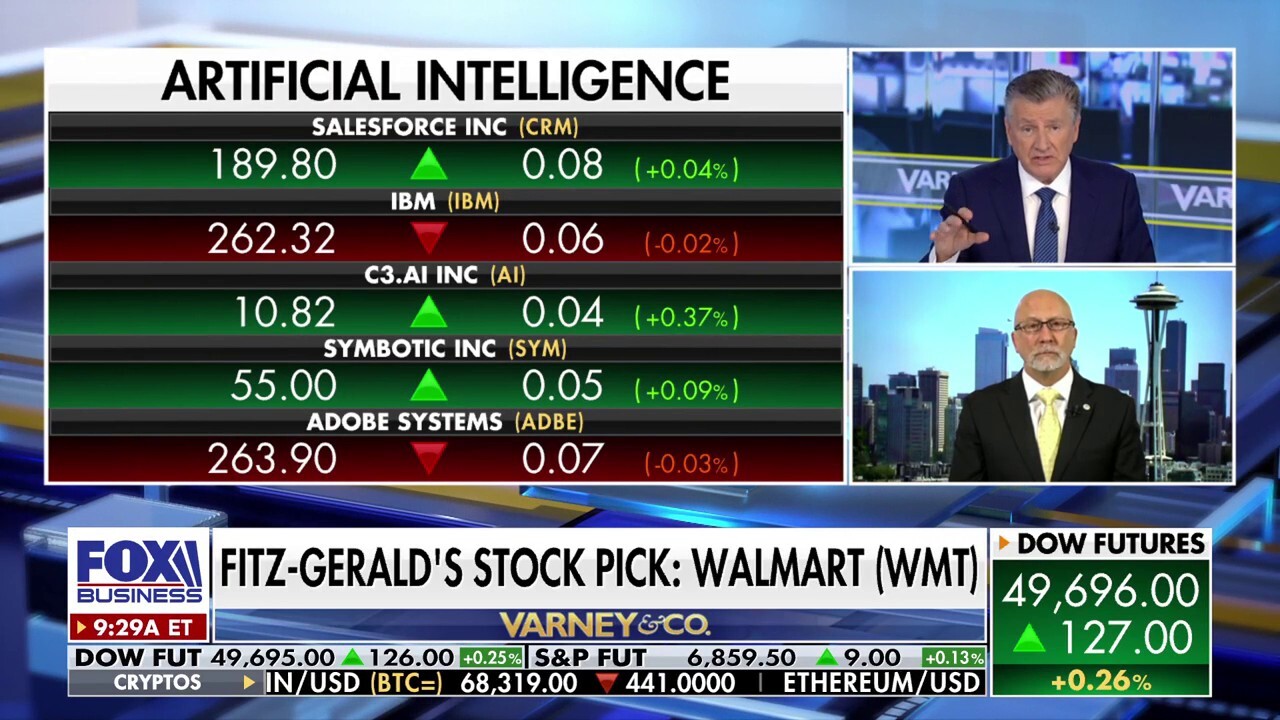
The U.S. stock market is experiencing significant volatility driven by artificial intelligence investment concerns and technology sector reassessment, with direct implications for e-commerce sellers' access to capital and consumer purchasing behavior. Between February 16-17, 2026, major indices declined sharply: Nasdaq-100 futures fell 0.87%, S&P 500 futures dropped 0.5%, and Dow Jones futures declined 0.26%, marking the Nasdaq's longest losing streak since 2002 with a 2.1% weekly decline. The software and services sectors have contracted 27% since late October 2025, reflecting investor concerns about margin compression as artificial intelligence potentially disrupts traditional software business models. Bank of America's monthly survey revealed a record share of fund managers believe companies are overinvesting in AI infrastructure, signaling a potential correction in technology valuations.
For cross-border e-commerce sellers, this market volatility creates a critical financing environment. Sellers relying on venture capital funding, business lines of credit, or platform financing programs face tightening capital availability as tech-focused investment funds reassess portfolio allocations. Small-to-medium sellers (SMBs) with $500K-$5M annual revenue are particularly vulnerable, as they depend on accessible credit for inventory expansion, 3PL partnerships, and working capital. The tech sector weakness directly impacts logistics technology providers and fulfillment platforms that depend on venture funding—potential service disruptions or pricing increases could affect seller operational costs. Additionally, the software sector's 27% decline since October signals that sellers using AI-powered tools for inventory management, pricing optimization, and demand forecasting may face reduced platform investment in these features as software companies prioritize profitability over feature expansion.
Consumer spending patterns are shifting in response to market uncertainty. Holiday-thinned trading volumes and reduced institutional participation during February's shortened week indicate cautious market sentiment that typically precedes consumer pullback in discretionary categories. Sellers in electronics, home goods, fashion, and luxury segments should anticipate 8-15% demand softening in Q1 2026 as consumers delay non-essential purchases during market volatility. The mixed inflation report (prices rose less than expected in January) suggests potential Federal Reserve interest-rate cuts ahead, but this typically lags consumer behavior by 4-6 weeks. Sellers should monitor the Fed's March meeting minutes and core personal consumption expenditures data (scheduled for Friday releases) as leading indicators of consumer confidence trends. The dollar's weakness against the yen but strength against the pound creates currency headwinds for sellers shipping to Asia-Pacific markets while improving competitiveness in UK/EU channels.
問題 8
How does the tech sector selloff affect my ability to access seller financing?
The 27% decline in software and services sectors since October 2025 directly impacts venture capital availability for fintech and logistics platforms that provide seller financing. Banks and alternative lenders are tightening credit standards as they reassess technology sector risk, resulting in 15-25% higher interest rates for seller lines of credit and 10-15% stricter qualification requirements. Sellers with annual revenue under $2M should expect 30-45 day longer approval timelines for Amazon Lending, Shopify Capital, or 3PL financing programs. Monitor your credit score and maintain 60+ days cash reserves to weather potential financing delays through Q1 2026.
How does the Bank of America survey about AI overinvestment affect my platform strategy?
The record share of fund managers believing companies are overinvesting in AI infrastructure signals a potential correction in AI-focused platform features and investments. Amazon, Shopify, and eBay may reduce funding for experimental AI tools and focus on proven, revenue-generating features instead. This means sellers should prioritize mastering existing platform tools (Amazon Advertising, Sponsored Products, Brand Analytics) rather than waiting for new AI features. Avoid over-relying on emerging AI-powered tools from venture-backed startups, as 20-30% of these companies may face funding challenges by Q2 2026. Focus on fundamental seller optimization: keyword research, listing quality, review management, and pricing strategy—these core competencies remain valuable regardless of platform AI investment levels.