



)


)
)


.webp)

)
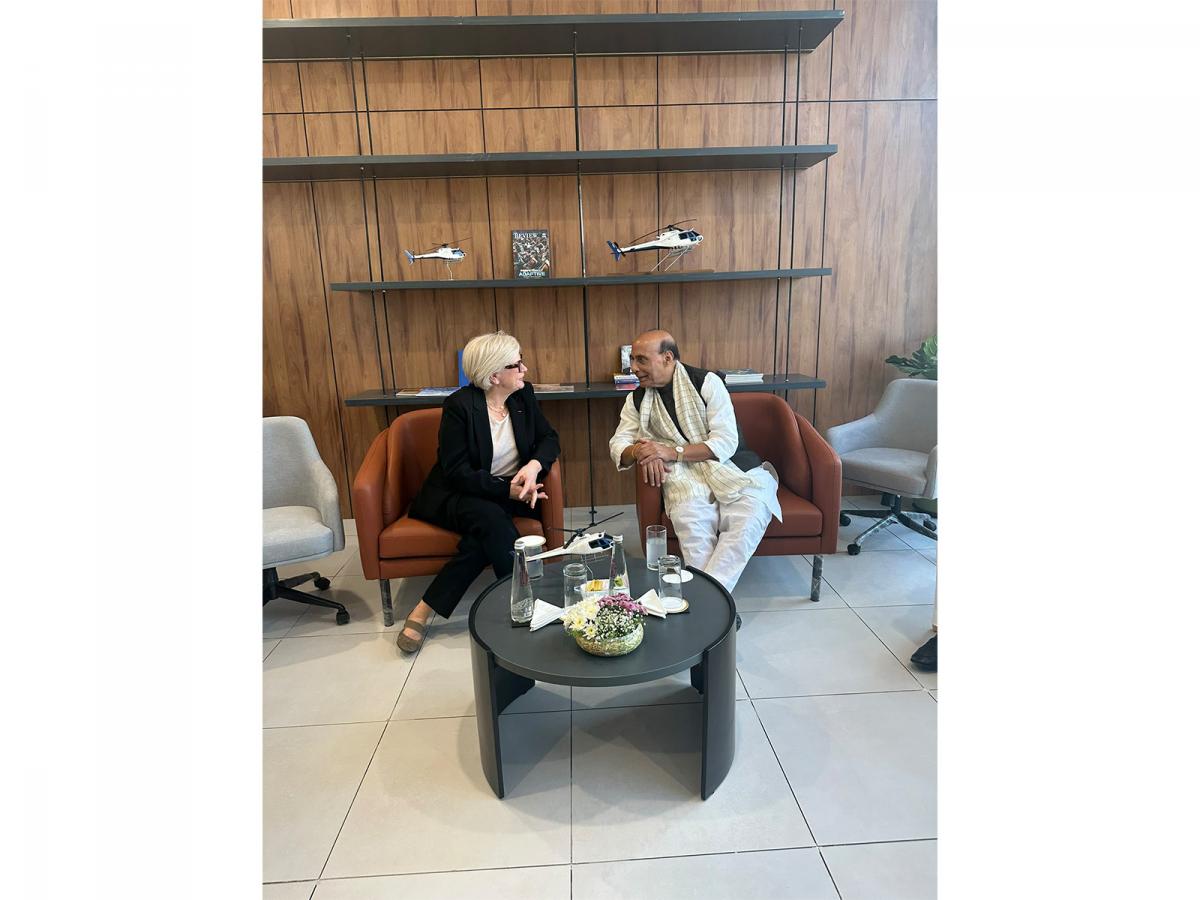


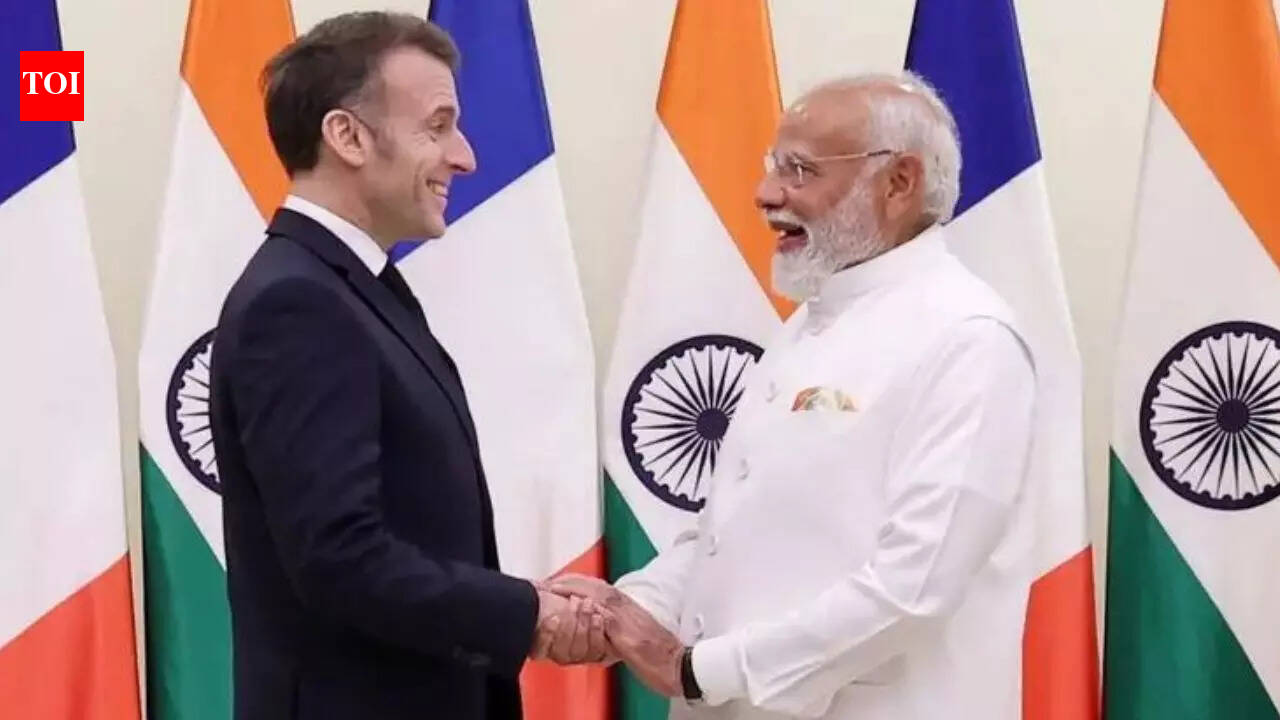
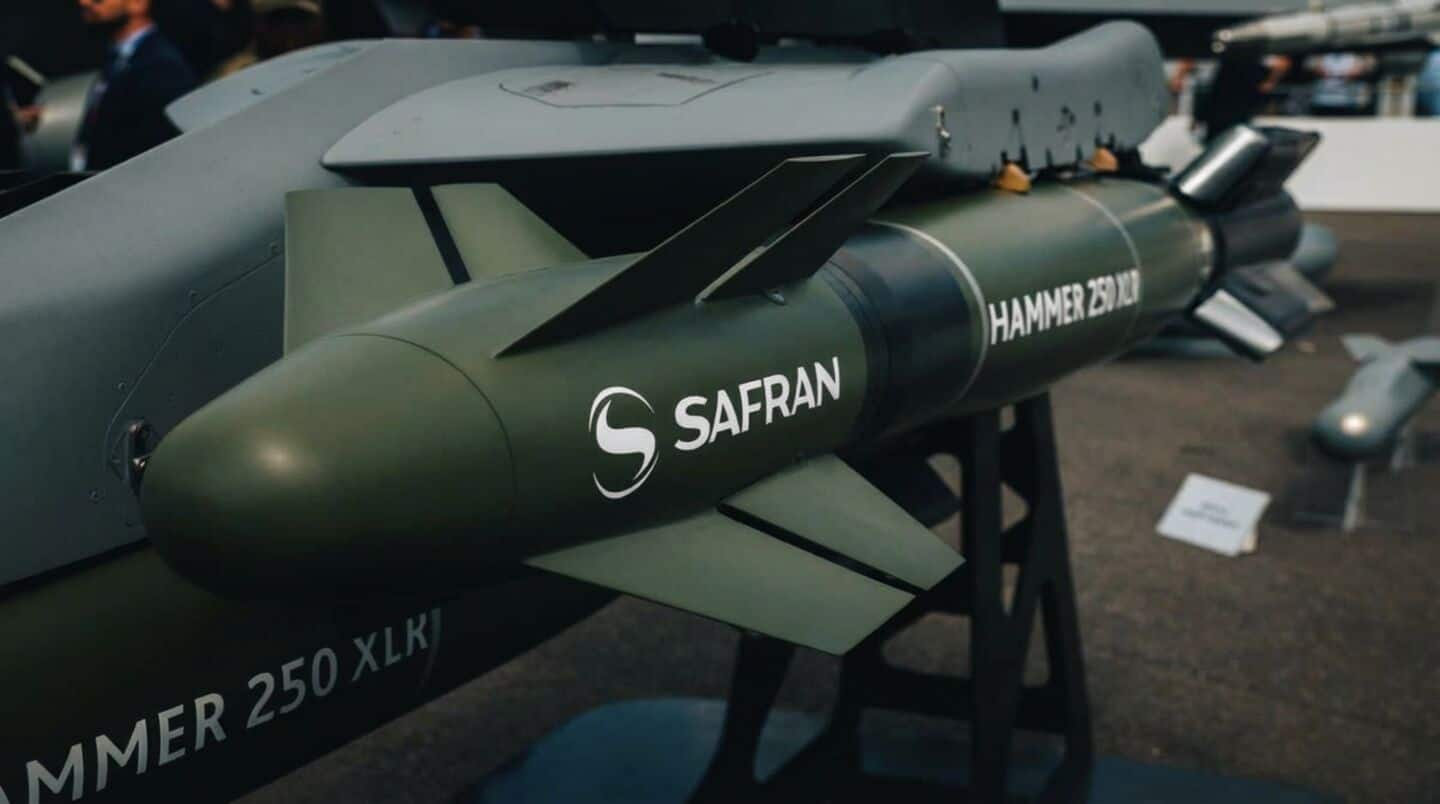
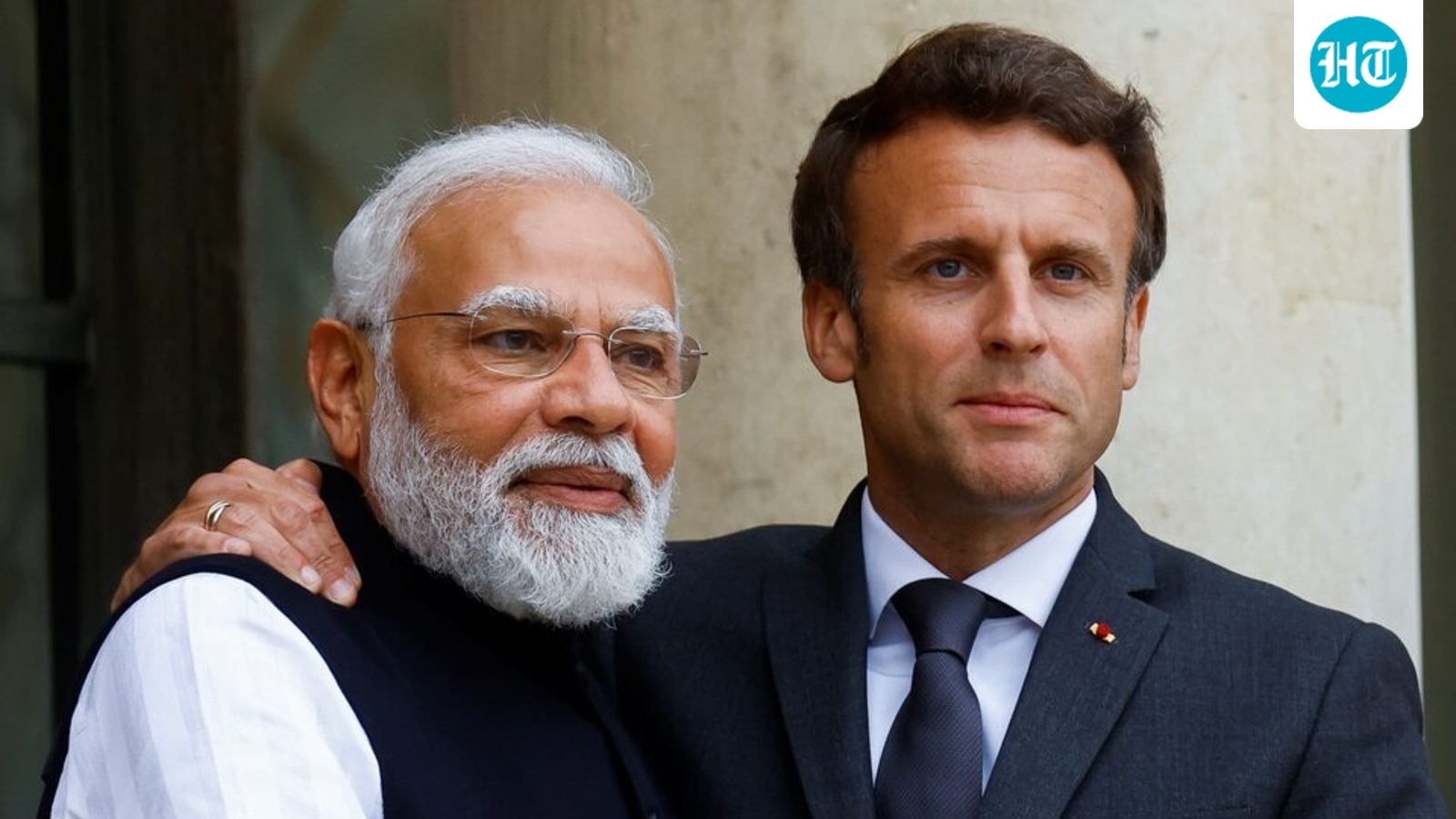
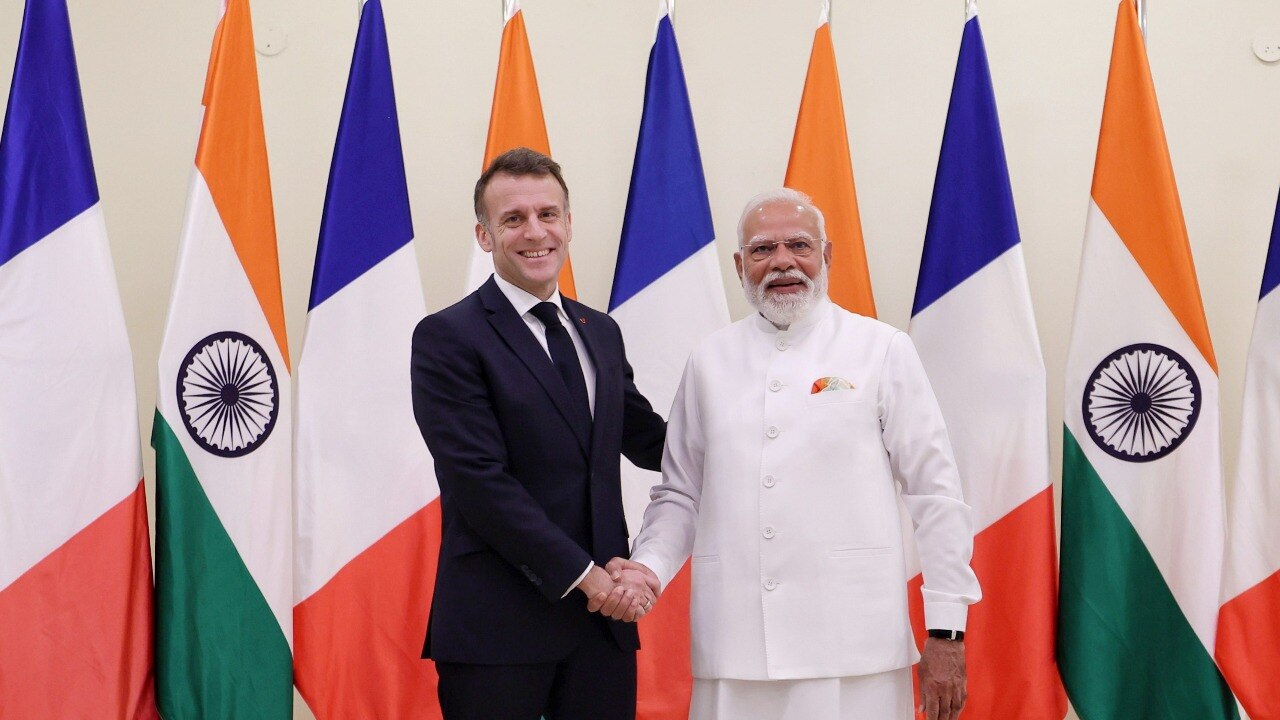
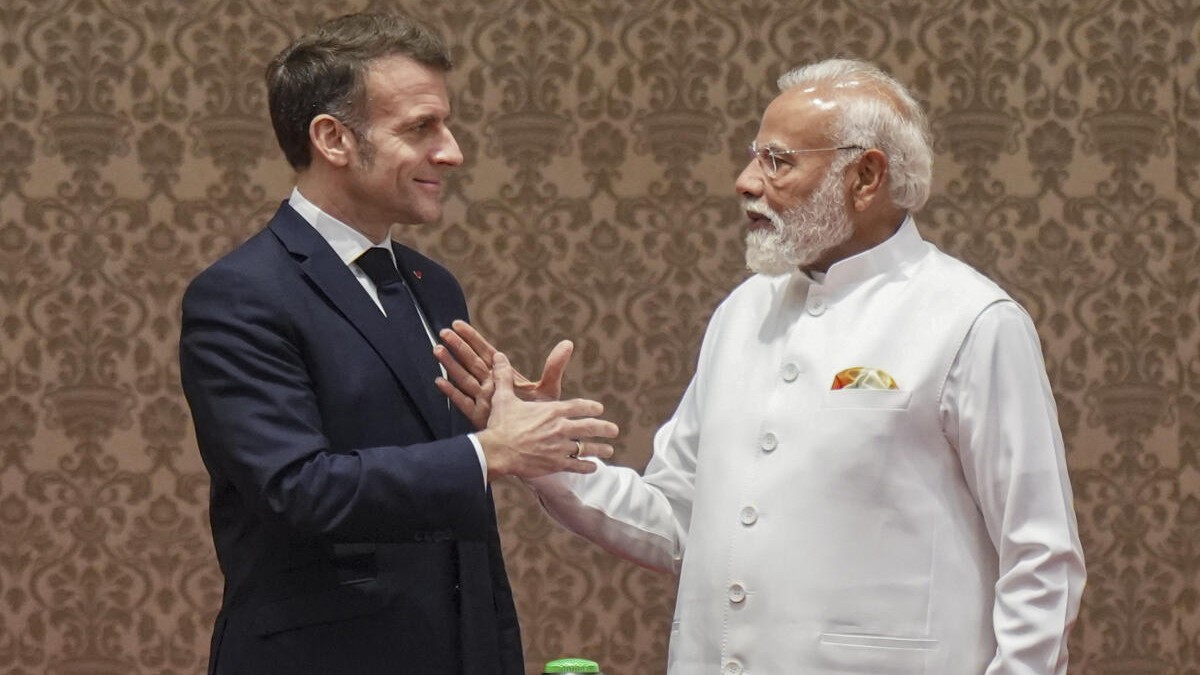
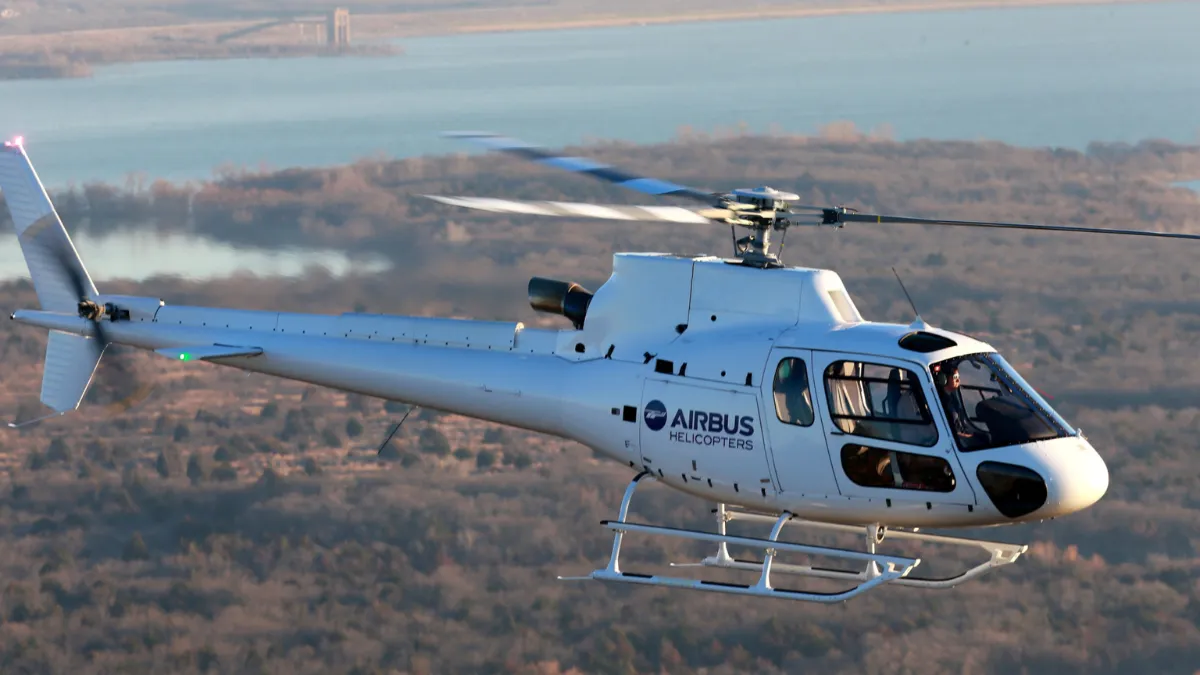
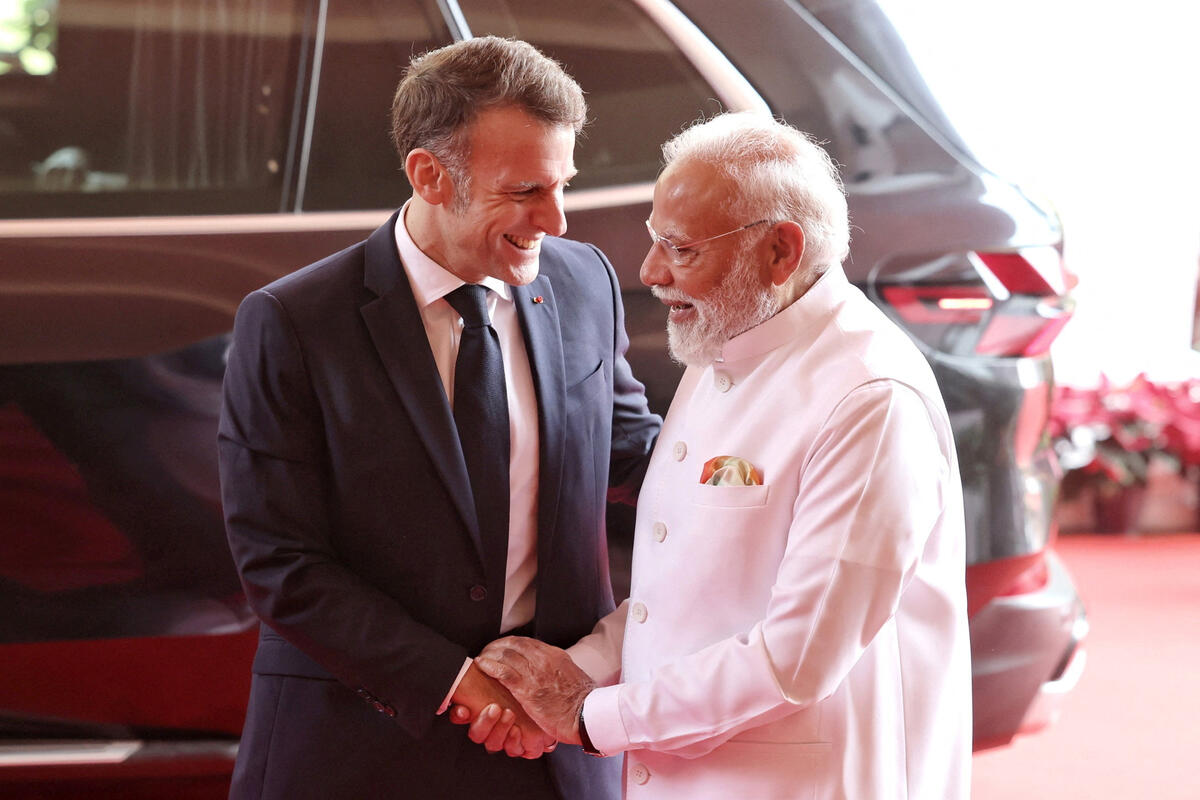
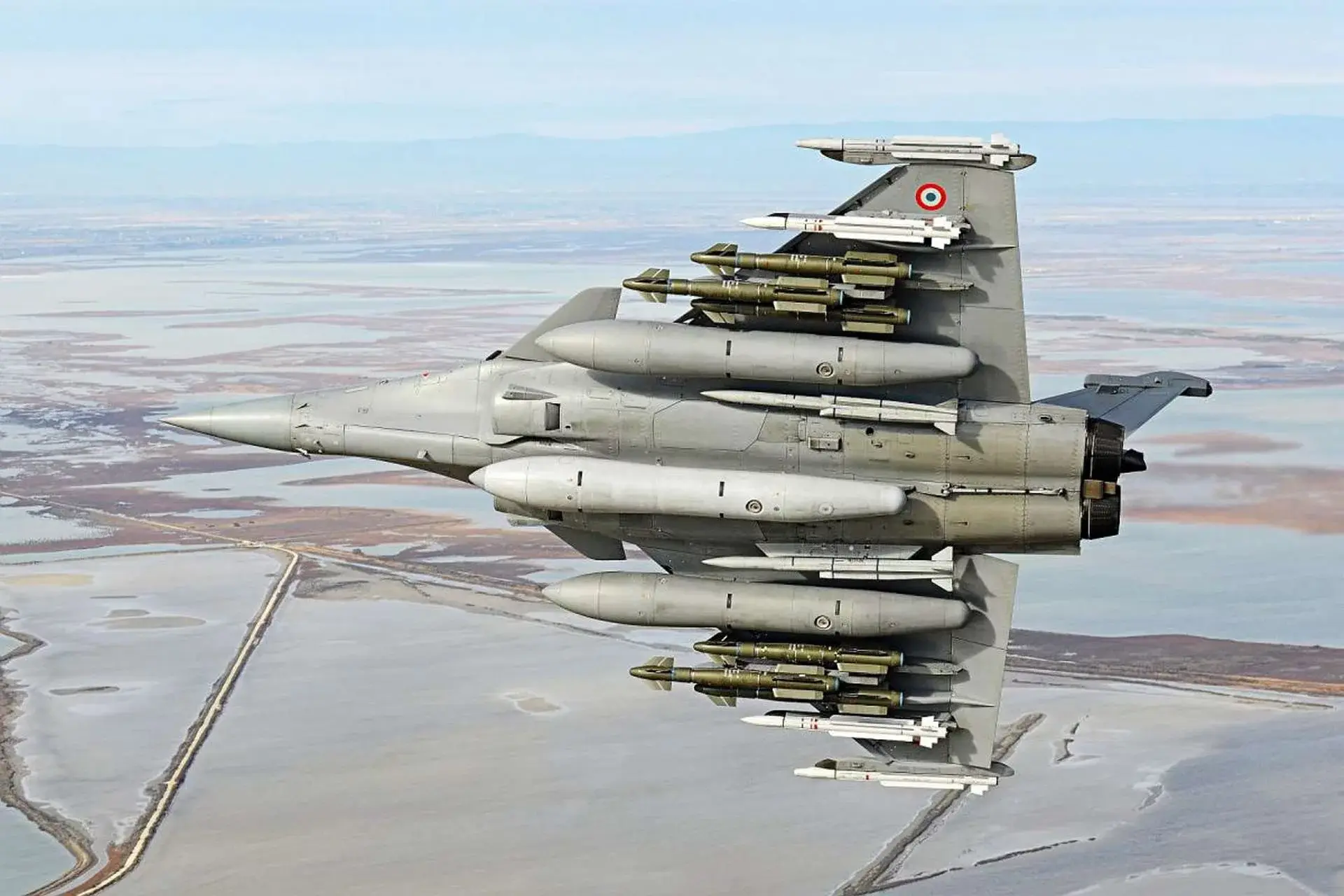
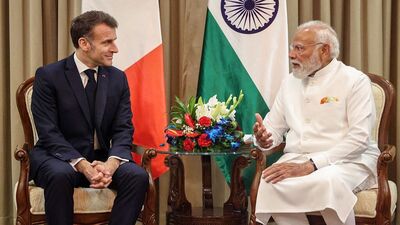
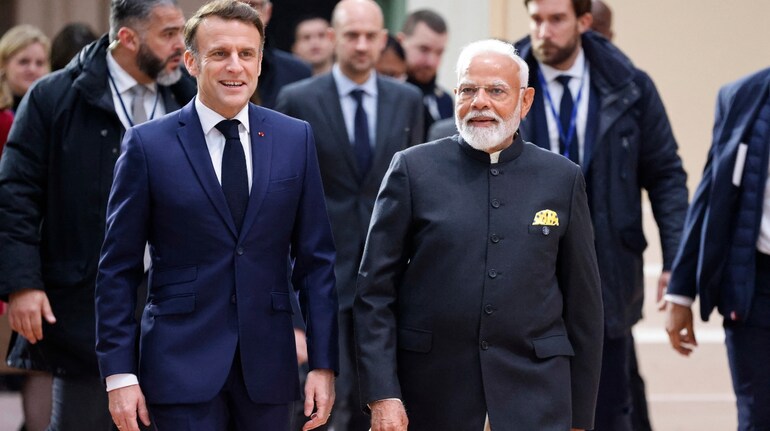
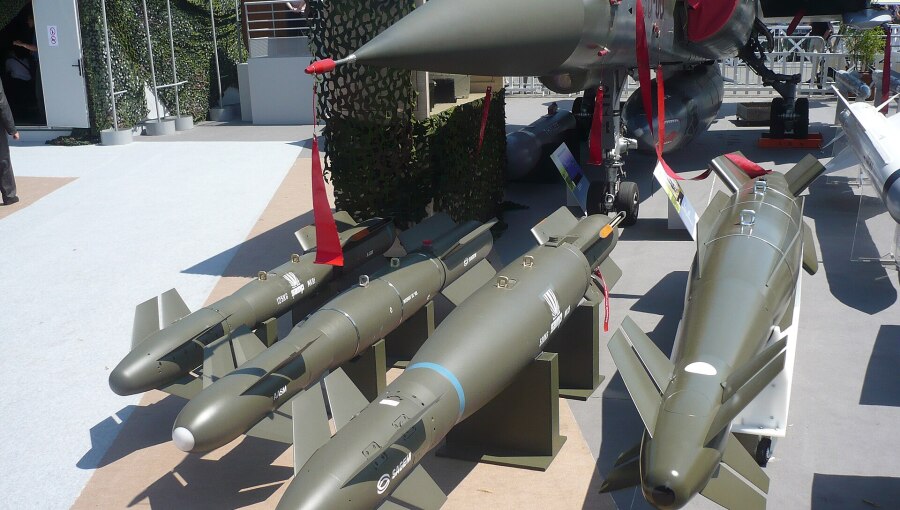
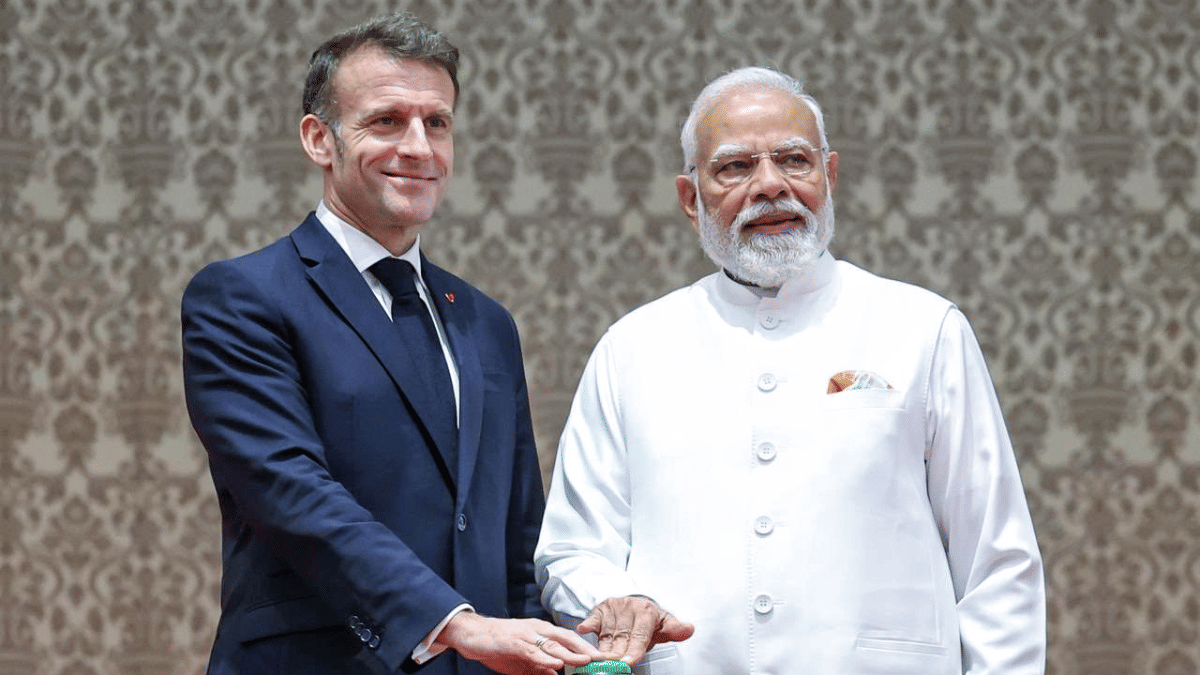
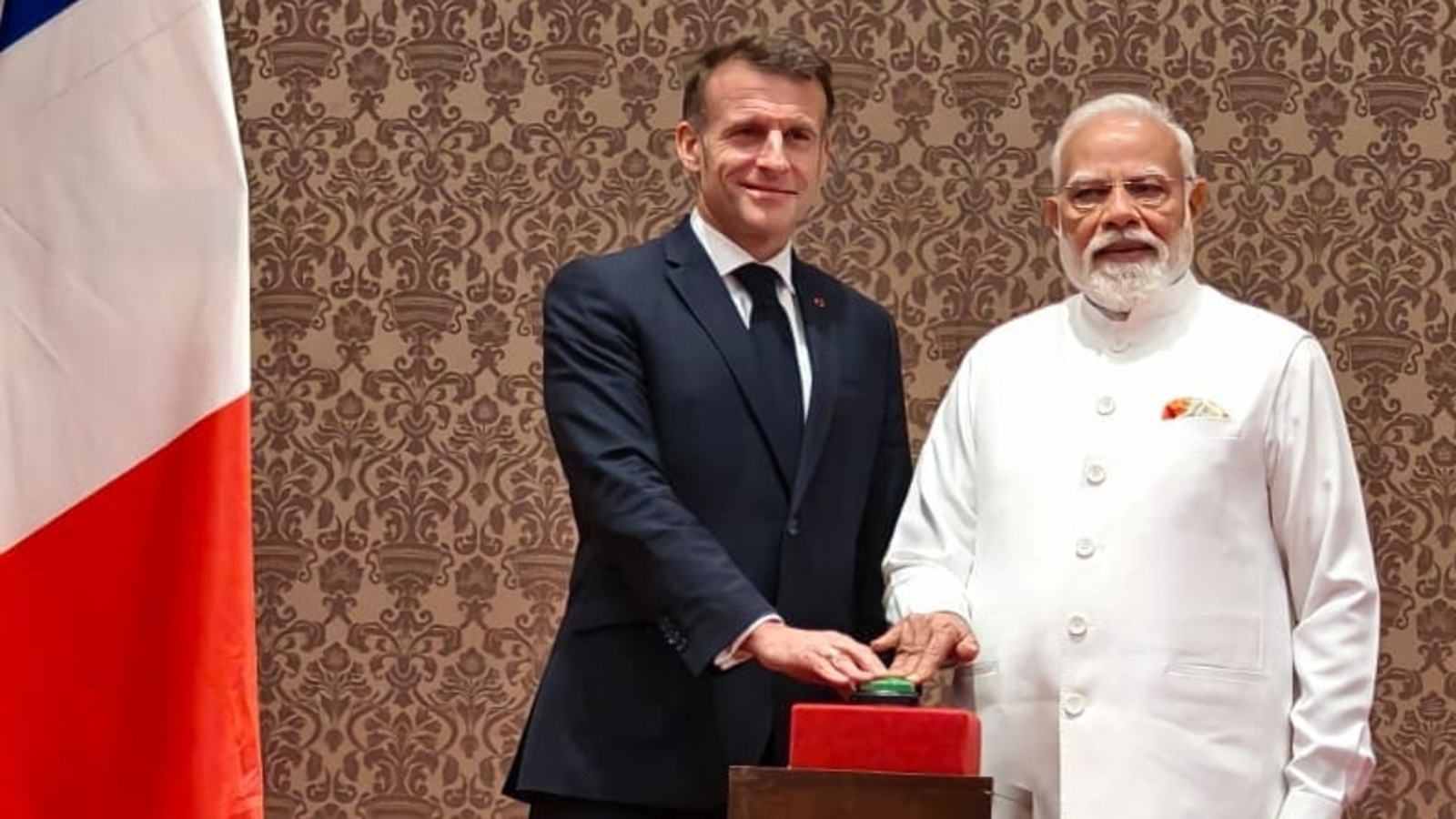
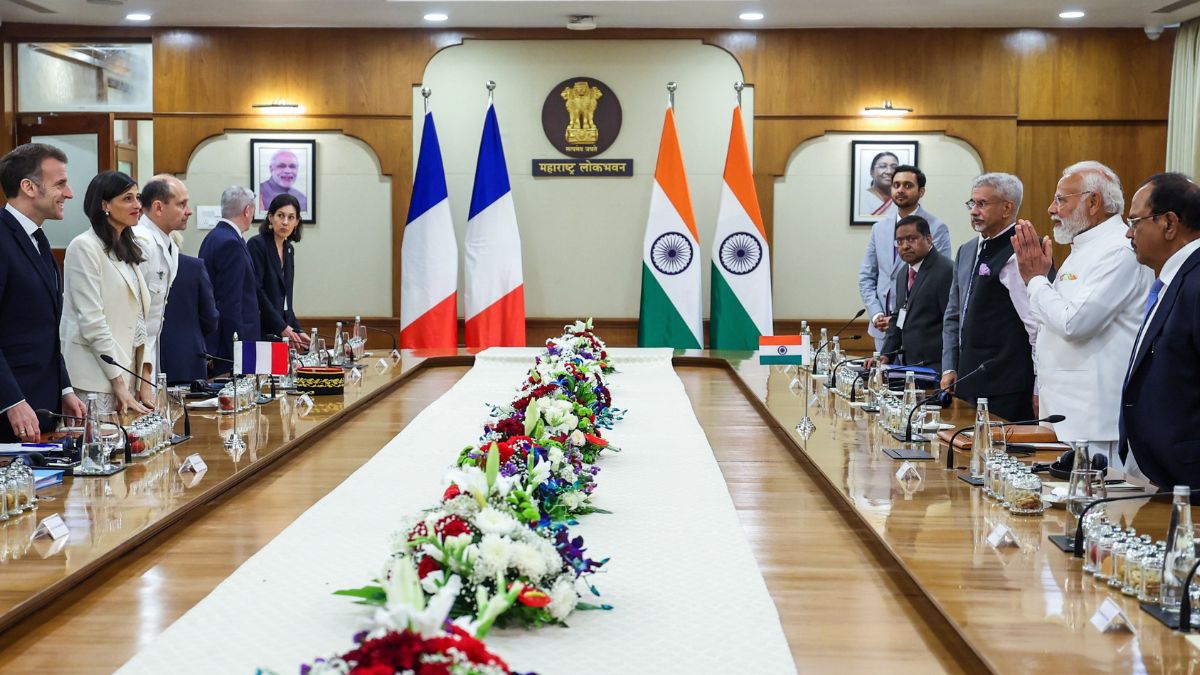
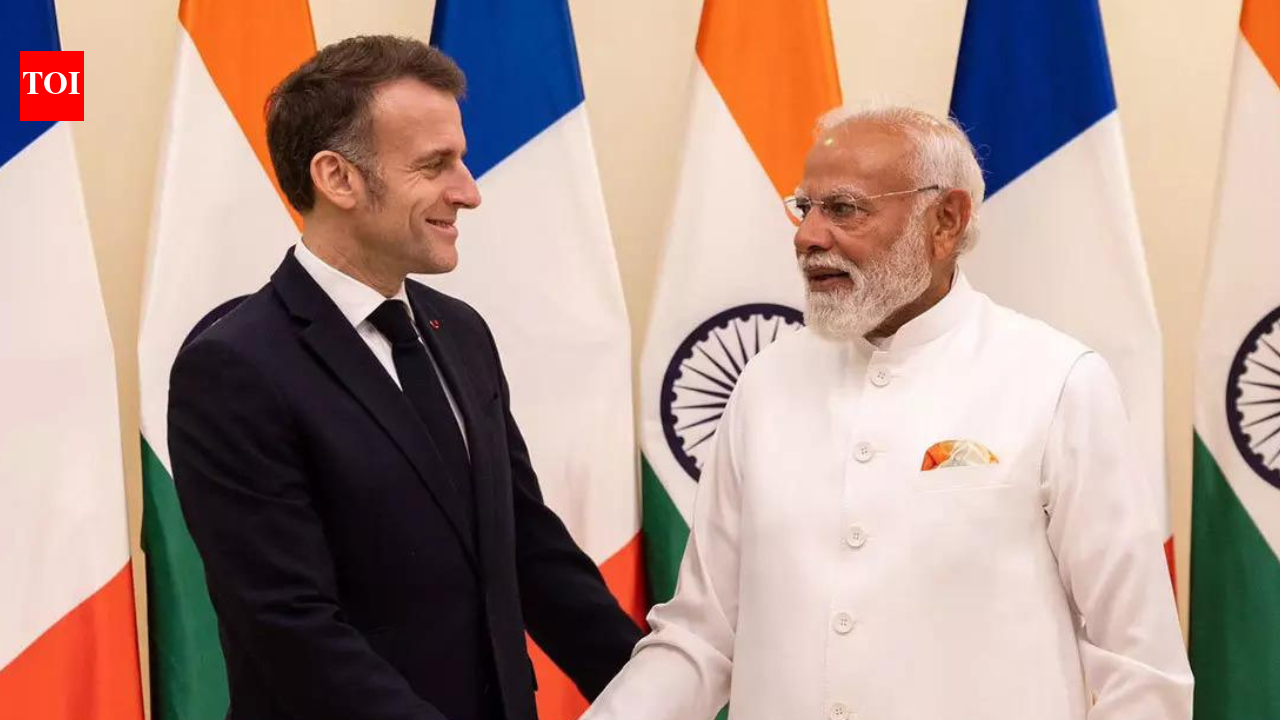
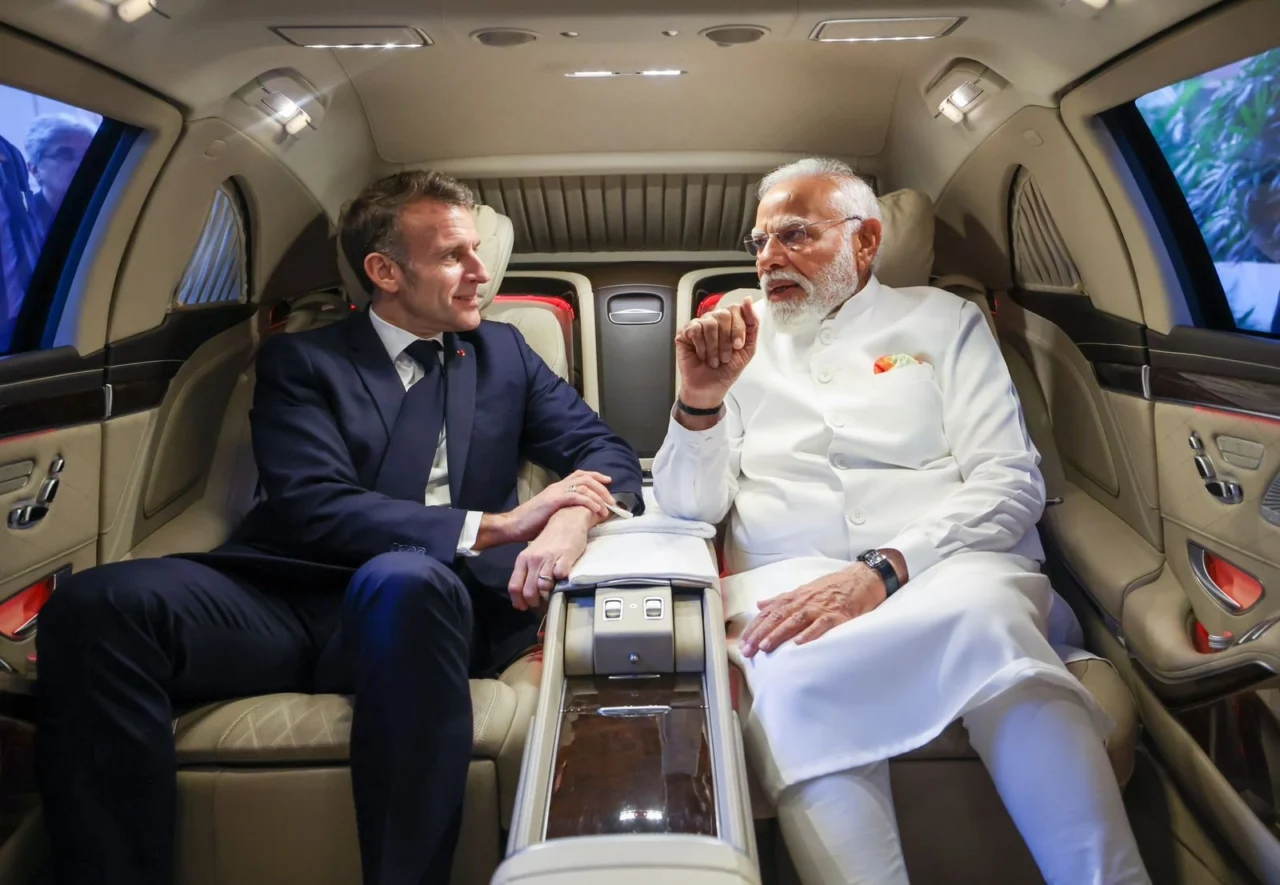
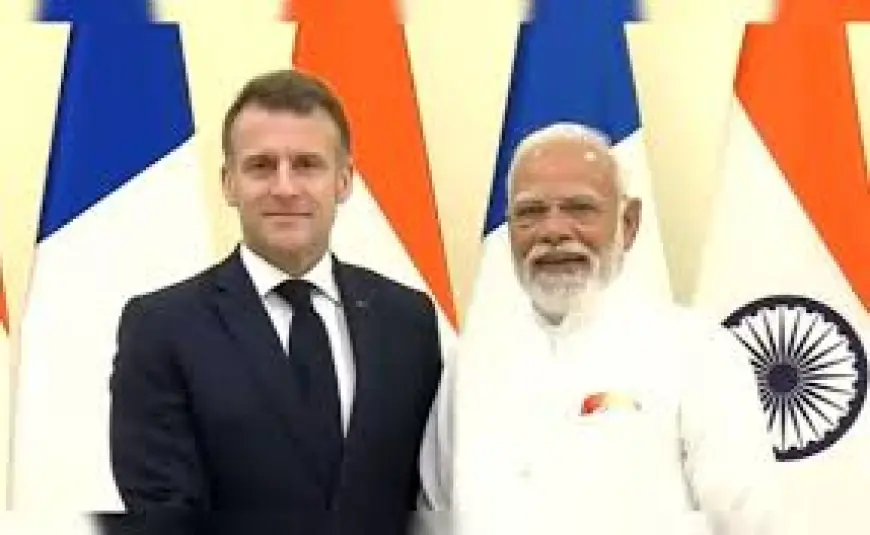
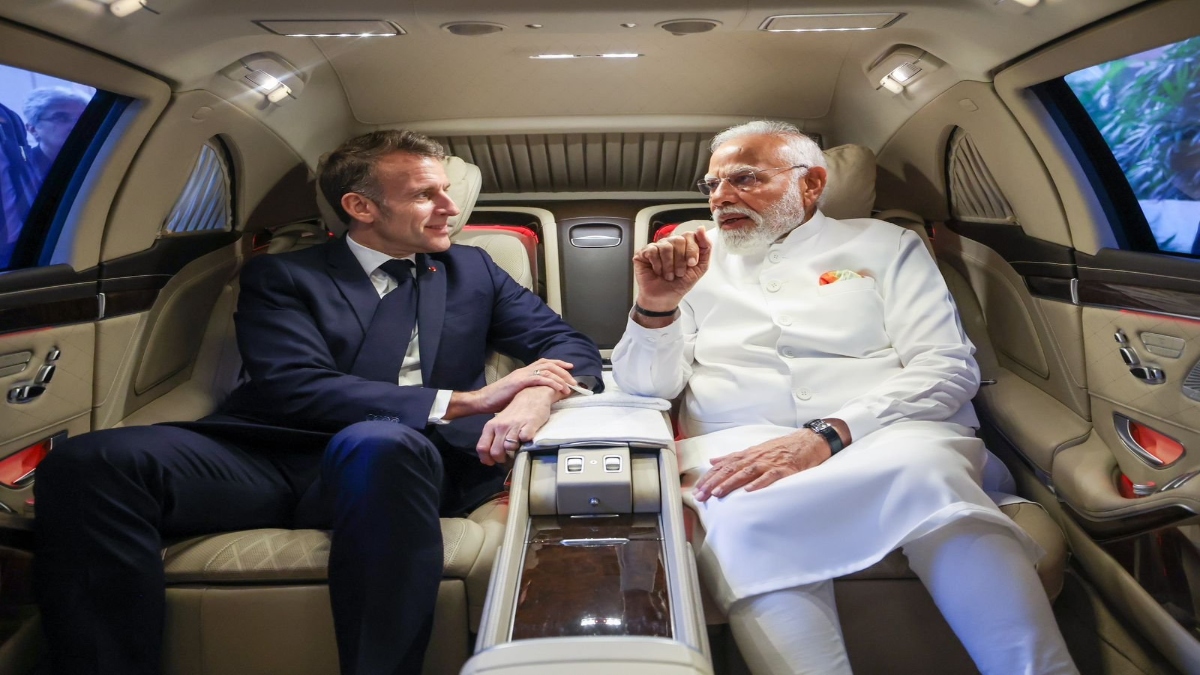
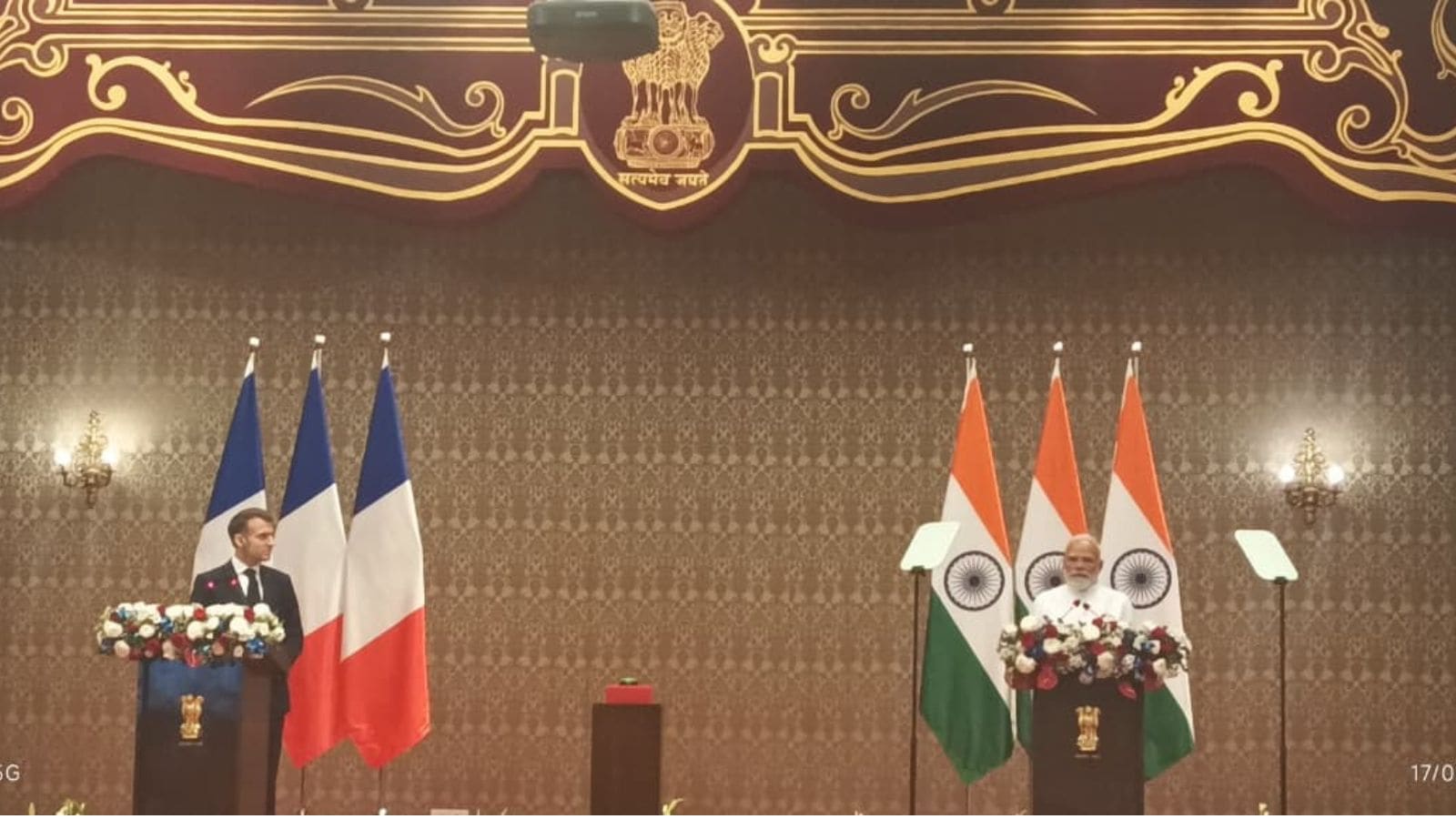
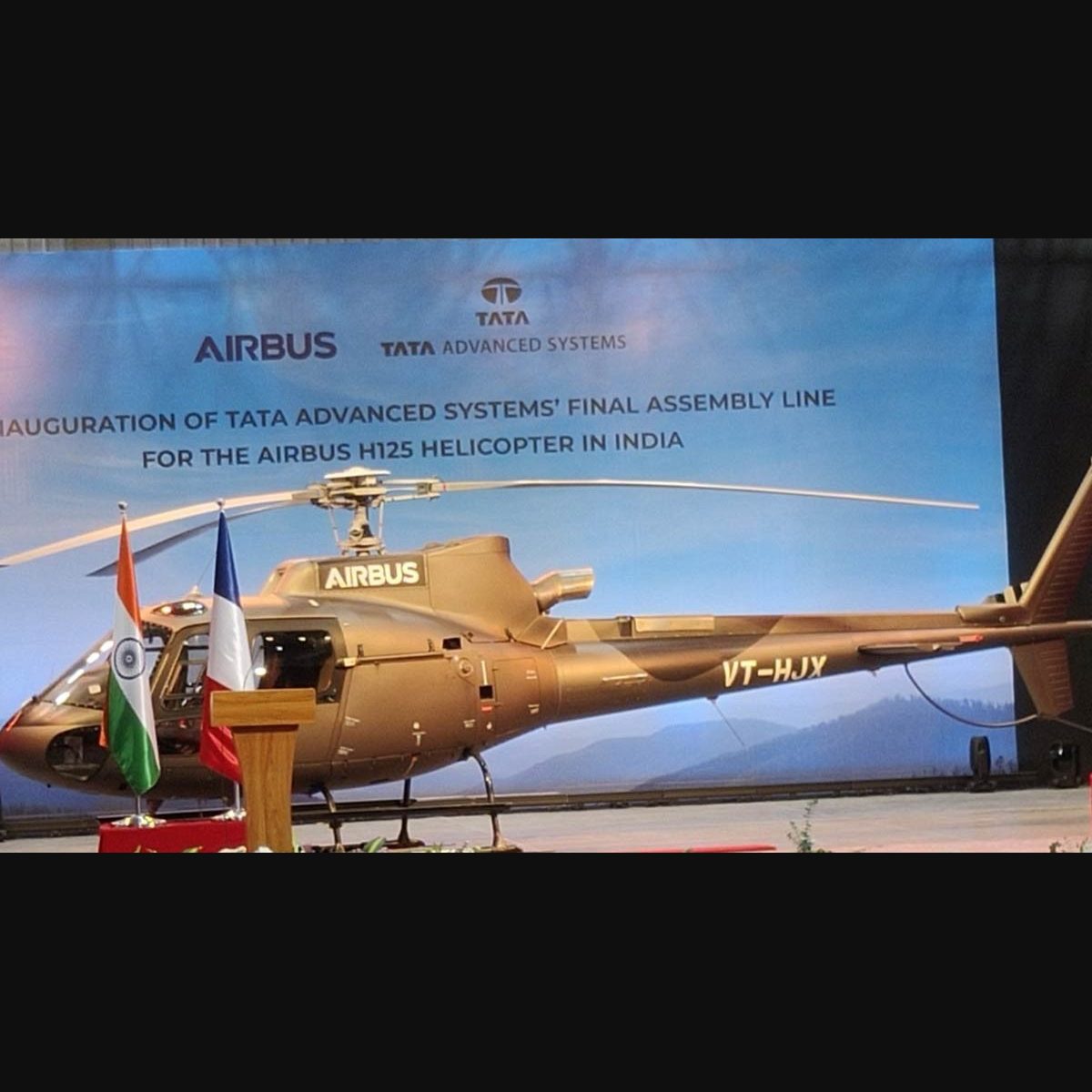
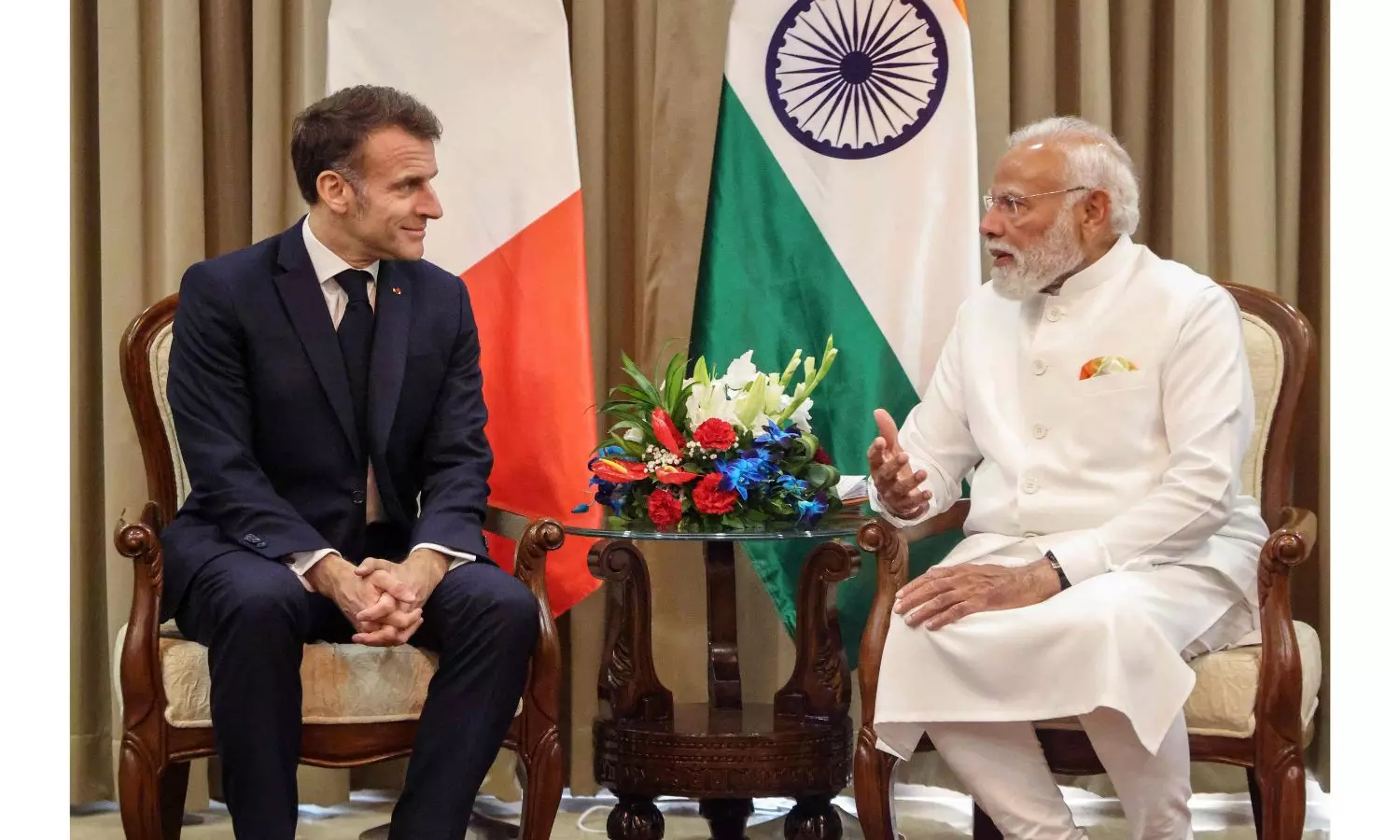
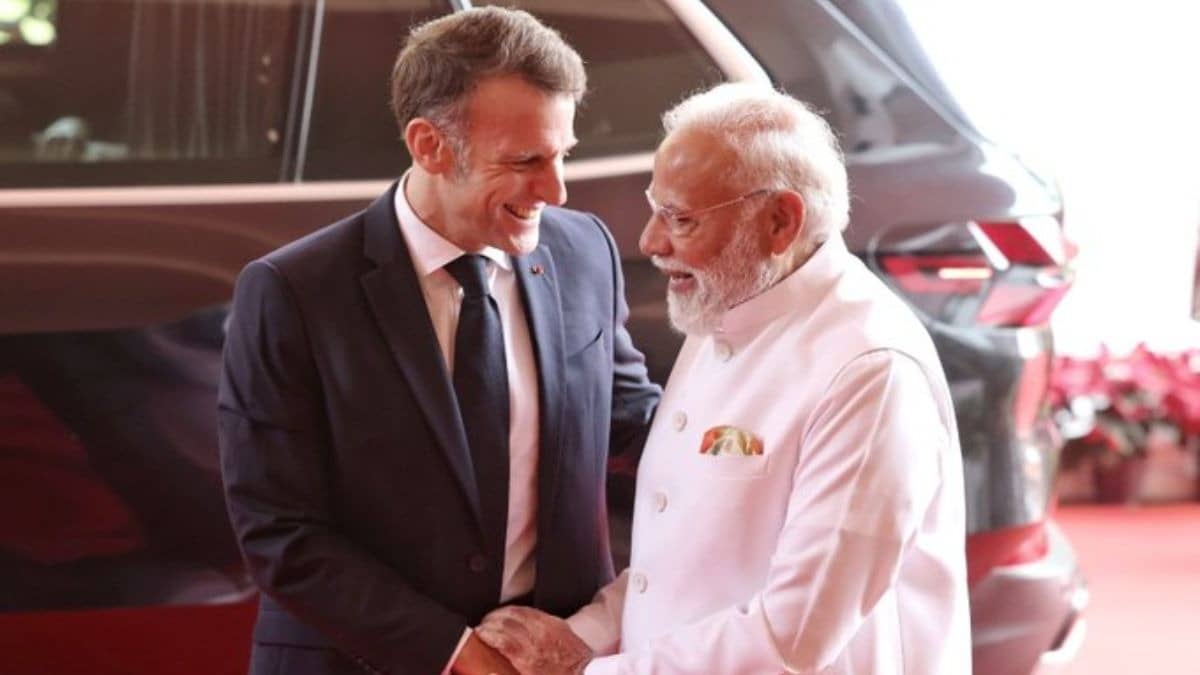
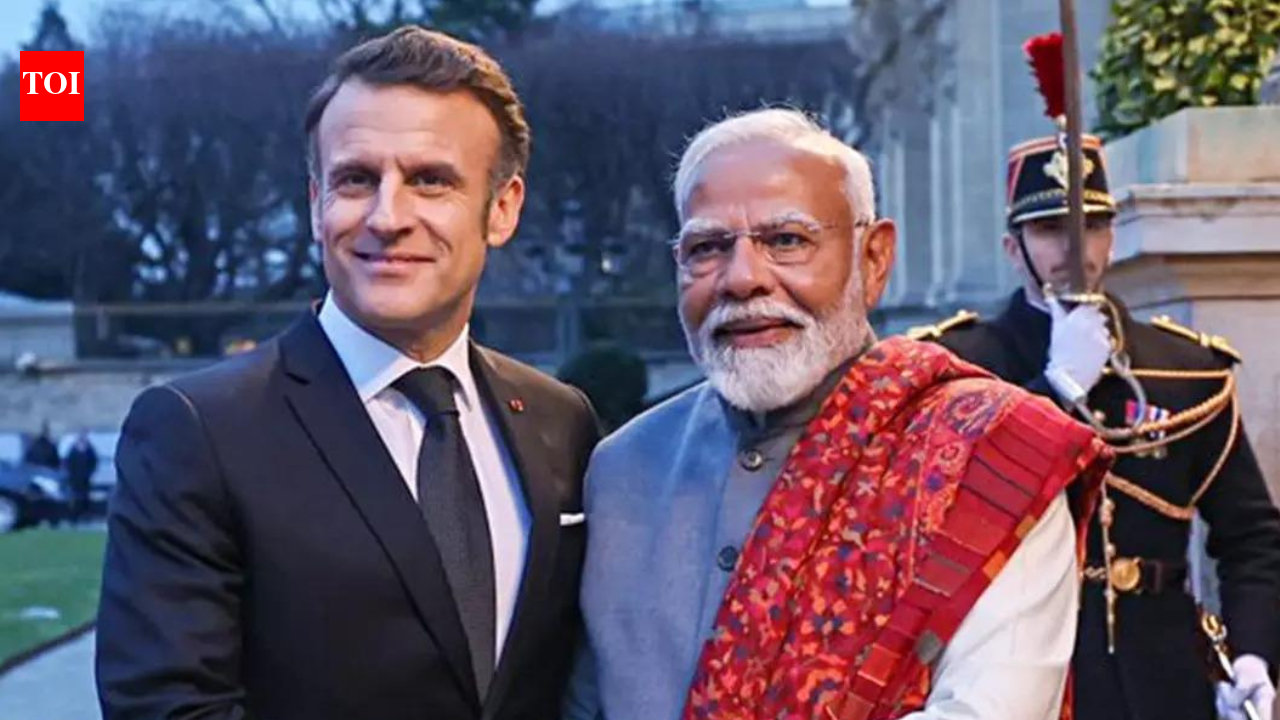
France-India's €30 billion defense partnership (announced February 2025) represents a critical geopolitical realignment with direct implications for cross-border sellers targeting India's rapidly expanding economy. The strategic agreement encompasses 114 Rafale fighter jets, India's first helicopter assembly line (Tata-Airbus joint venture), and the India-France Year of Innovation 2026—signaling India's deliberate pivot away from Russian military dependence toward diversified European partnerships. This €30B procurement, combined with France's $1.36 lakh crore FDI commitment and $18B annual bilateral trade, creates immediate tariff arbitrage opportunities for sellers in aerospace components, industrial electronics, precision manufacturing, and technology sectors.
Market Access Expansion for Sellers: India's 1.4 billion population positions it as the world's fourth-largest economy by 2026, with defense modernization driving demand across multiple supply chains. The Tata-Airbus helicopter assembly facility in Karnataka signals India's commitment to manufacturing localization—creating opportunities for sellers of specialized components, avionics systems, and industrial equipment. Bilateral trade growth projections suggest 15-25% annual increases in aerospace and technology categories as India diversifies away from Russian suppliers. Sellers with HS codes in aerospace components (8803.30), industrial electronics (8534.31), and precision machinery (8456.10) face reduced tariff barriers under emerging France-India trade protocols.
Competitive Dynamics & Sourcing Shifts: The defense partnership accelerates India's shift from Russian to European suppliers, creating competitive advantages for sellers with EU-based sourcing networks. Small-to-medium sellers (SMEs) with established supply chains in France, Germany, or Italy can leverage preferential trade terms to undercut China-based competitors in India's industrial procurement. The "India-France Year of Innovation 2026" emphasizes AI and emerging technology sectors—signaling government procurement opportunities in software, data analytics, and automation tools. Sellers positioned in these categories can expect 20-30% margin improvements through tariff reductions and preferential market access as India implements reciprocal trade agreements with France.
Sellers exporting aerospace components, electronics, or technology products to India must comply with India's Defense Procurement Procedure (DPP) 2020 and emerging France-India bilateral trade standards. Key compliance requirements include: (1) HS code classification accuracy for tariff determination, (2) Certificate of Origin (CoO) documentation proving EU sourcing, (3) Quality certifications (ISO 9001, AS9100 for aerospace), and (4) Customs duty payment at Indian ports. The India-France trade protocols likely require sellers to register with India's Ministry of Commerce & Industry and obtain Import-Export Code (IEC). Sellers should budget 4-8 weeks for compliance documentation and 2-3% of product value for customs duties and handling fees. Non-compliance penalties range from 10-25% of shipment value plus potential import bans. Sellers should consult India's Central Board of Indirect Taxes & Customs (CBIC) for specific tariff schedules and compliance timelines.
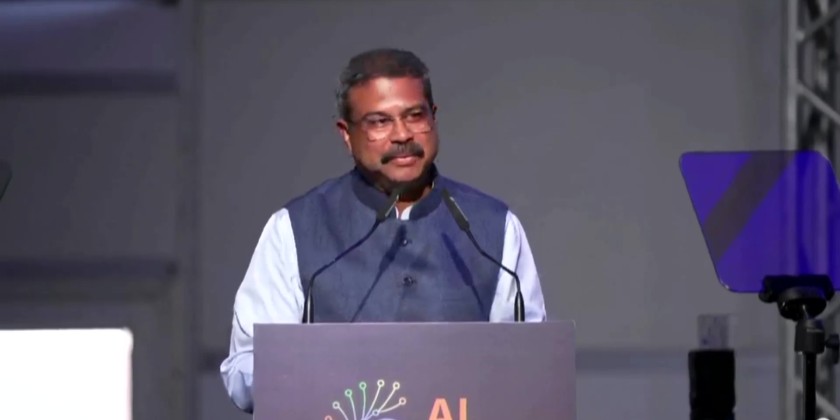
The India-France AI Impact Summit (February 18-19, 2025) signals government procurement focus on artificial intelligence, automation, and emerging technology solutions. Sellers offering AI-powered tools, cloud infrastructure, data analytics platforms, and automation software can target Indian government agencies, defense contractors, and large enterprises participating in the summit. The India-France Year of Innovation 2026 emphasizes technology partnerships, creating opportunities for sellers to establish distribution agreements, joint ventures, or government contracts. Sellers should prepare case studies demonstrating AI applications in defense, aerospace, or industrial sectors to attract government procurement interest. Expected government procurement budgets for AI and emerging technology range from $500M-$1B annually through 2026. Sellers should register with India's e-procurement portals (GeM, CPSE) and obtain necessary certifications (ISO 27001 for data security, SOC 2 for cloud services) by Q1 2025 to participate in government tenders.
The India-France Year of Innovation 2026 indicates formal trade protocol implementation by Q2-Q3 2025, with tariff reductions effective 90-180 days after bilateral agreement finalization. The Rafale procurement ($39 billion USD) requires 18-24 months for delivery and assembly, creating sustained demand for supply chain components through 2027. Sellers should monitor India's Ministry of External Affairs (MEA) announcements for specific tariff schedules, typically published 30-60 days before implementation. The helicopter assembly facility launch in Karnataka (2025-2026) signals immediate procurement opportunities for specialized components. Sellers should update sourcing strategies and pricing models by Q1 2025 to capture early-mover advantages before competitors adjust to new tariff structures.
India's strategic shift away from Russian military dependence creates competitive advantages for sellers with EU-based supply chains and disadvantages for China-dependent suppliers. The €30B Rafale deal and Tata-Airbus partnership signal India's preference for Western technology partnerships, reducing tariff barriers for European suppliers while maintaining or increasing tariffs on Chinese competitors. Sellers with established relationships in France, Germany, Italy, or UK can leverage preferential trade terms to undercut China-based competitors by 15-25% on industrial components. Small-to-medium sellers (SMEs) with specialized aerospace or electronics expertise can capture market share from larger Chinese suppliers. However, sellers dependent on Chinese sourcing should consider diversifying to Vietnam, India, or Southeast Asian suppliers to maintain competitiveness in India's market.
India's defense modernization pivot toward European suppliers creates preferential tariff treatment for sellers with EU-based sourcing networks. The Rafale procurement and Tata-Airbus helicopter assembly facility signal India's commitment to aerospace supply chain localization, reducing tariff barriers on HS codes 8803.30 (aircraft components), 8534.31 (electronic circuits), and 8456.10 (precision machinery). Sellers with established supply chains in France, Germany, or Italy can expect 15-25% tariff reductions compared to China-based competitors, improving margins by $200-500 per unit on industrial components. The India-France Year of Innovation 2026 emphasizes technology procurement, creating additional opportunities in software, automation, and AI tools with preferential market access.
Aerospace components (HS 8803.30), industrial electronics (HS 8534.31), precision machinery (HS 8456.10), and emerging technology sectors (AI, automation, data analytics) represent the highest-opportunity categories. The Tata-Airbus helicopter assembly facility in Karnataka creates immediate demand for specialized avionics, hydraulic systems, and composite materials. India's AI Impact Summit (February 18-19, 2025) signals government procurement focus on software solutions, cloud infrastructure, and automation tools. Sellers in these categories can capture 20-30% margin improvements through preferential tariff treatment and government procurement opportunities. The defense modernization cycle typically spans 5-7 years, providing sustained demand visibility for suppliers.
India's strategic pivot toward European suppliers signals sourcing shifts from Russia and China toward France, Germany, Italy, and UK-based suppliers. Sellers should monitor: (1) Tariff reductions on EU-origin aerospace components (HS 8803.30) expected to reach 5-8% by Q3 2025, (2) Increased tariffs on Chinese electronics and machinery (HS 8534.31, 8456.10) potentially rising 15-25%, and (3) Preferential treatment for India-based manufacturing (Tata-Airbus facility) creating localization opportunities. Vietnam and India are emerging as alternative sourcing hubs for sellers seeking to avoid China tariffs while maintaining cost competitiveness. Sellers should diversify sourcing across 2-3 countries to mitigate geopolitical risks and tariff volatility. The India-France partnership creates 18-24 month window for sellers to establish EU-based supply chains before tariff advantages diminish and competitors catch up.
India's defense procurement market is valued at approximately $39 billion USD (Rs 3.25 lakh crore) for the Rafale deal alone, representing the country's largest defense acquisition in history. The Tata-Airbus helicopter assembly facility adds $2-3B in annual aerospace manufacturing capacity. India's total defense spending is projected to reach $72-85B by 2026, with aerospace and electronics components representing 25-30% of procurement budgets. Bilateral France-India trade currently stands at $18B annually, with defense and aerospace sectors driving 60-70% of growth. Industry projections suggest 15-25% annual growth in India's aerospace and defense supply chains through 2027, driven by military modernization and government procurement initiatives. Sellers in aerospace components, industrial electronics, and precision machinery can expect sustained demand visibility and margin improvements of 20-30% through preferential tariff treatment and government procurement opportunities.
Sellers exporting aerospace components, electronics, or technology products to India must comply with India's Defense Procurement Procedure (DPP) 2020 and emerging France-India bilateral trade standards. Key compliance requirements include: (1) HS code classification accuracy for tariff determination, (2) Certificate of Origin (CoO) documentation proving EU sourcing, (3) Quality certifications (ISO 9001, AS9100 for aerospace), and (4) Customs duty payment at Indian ports. The India-France trade protocols likely require sellers to register with India's Ministry of Commerce & Industry and obtain Import-Export Code (IEC). Sellers should budget 4-8 weeks for compliance documentation and 2-3% of product value for customs duties and handling fees. Non-compliance penalties range from 10-25% of shipment value plus potential import bans. Sellers should consult India's Central Board of Indirect Taxes & Customs (CBIC) for specific tariff schedules and compliance timelines.
The India-France AI Impact Summit (February 18-19, 2025) signals government procurement focus on artificial intelligence, automation, and emerging technology solutions. Sellers offering AI-powered tools, cloud infrastructure, data analytics platforms, and automation software can target Indian government agencies, defense contractors, and large enterprises participating in the summit. The India-France Year of Innovation 2026 emphasizes technology partnerships, creating opportunities for sellers to establish distribution agreements, joint ventures, or government contracts. Sellers should prepare case studies demonstrating AI applications in defense, aerospace, or industrial sectors to attract government procurement interest. Expected government procurement budgets for AI and emerging technology range from $500M-$1B annually through 2026. Sellers should register with India's e-procurement portals (GeM, CPSE) and obtain necessary certifications (ISO 27001 for data security, SOC 2 for cloud services) by Q1 2025 to participate in government tenders.
The India-France Year of Innovation 2026 indicates formal trade protocol implementation by Q2-Q3 2025, with tariff reductions effective 90-180 days after bilateral agreement finalization. The Rafale procurement ($39 billion USD) requires 18-24 months for delivery and assembly, creating sustained demand for supply chain components through 2027. Sellers should monitor India's Ministry of External Affairs (MEA) announcements for specific tariff schedules, typically published 30-60 days before implementation. The helicopter assembly facility launch in Karnataka (2025-2026) signals immediate procurement opportunities for specialized components. Sellers should update sourcing strategies and pricing models by Q1 2025 to capture early-mover advantages before competitors adjust to new tariff structures.
India's strategic shift away from Russian military dependence creates competitive advantages for sellers with EU-based supply chains and disadvantages for China-dependent suppliers. The €30B Rafale deal and Tata-Airbus partnership signal India's preference for Western technology partnerships, reducing tariff barriers for European suppliers while maintaining or increasing tariffs on Chinese competitors. Sellers with established relationships in France, Germany, Italy, or UK can leverage preferential trade terms to undercut China-based competitors by 15-25% on industrial components. Small-to-medium sellers (SMEs) with specialized aerospace or electronics expertise can capture market share from larger Chinese suppliers. However, sellers dependent on Chinese sourcing should consider diversifying to Vietnam, India, or Southeast Asian suppliers to maintain competitiveness in India's market.
India's defense modernization pivot toward European suppliers creates preferential tariff treatment for sellers with EU-based sourcing networks. The Rafale procurement and Tata-Airbus helicopter assembly facility signal India's commitment to aerospace supply chain localization, reducing tariff barriers on HS codes 8803.30 (aircraft components), 8534.31 (electronic circuits), and 8456.10 (precision machinery). Sellers with established supply chains in France, Germany, or Italy can expect 15-25% tariff reductions compared to China-based competitors, improving margins by $200-500 per unit on industrial components. The India-France Year of Innovation 2026 emphasizes technology procurement, creating additional opportunities in software, automation, and AI tools with preferential market access.
Aerospace components (HS 8803.30), industrial electronics (HS 8534.31), precision machinery (HS 8456.10), and emerging technology sectors (AI, automation, data analytics) represent the highest-opportunity categories. The Tata-Airbus helicopter assembly facility in Karnataka creates immediate demand for specialized avionics, hydraulic systems, and composite materials. India's AI Impact Summit (February 18-19, 2025) signals government procurement focus on software solutions, cloud infrastructure, and automation tools. Sellers in these categories can capture 20-30% margin improvements through preferential tariff treatment and government procurement opportunities. The defense modernization cycle typically spans 5-7 years, providing sustained demand visibility for suppliers.
India's strategic pivot toward European suppliers signals sourcing shifts from Russia and China toward France, Germany, Italy, and UK-based suppliers. Sellers should monitor: (1) Tariff reductions on EU-origin aerospace components (HS 8803.30) expected to reach 5-8% by Q3 2025, (2) Increased tariffs on Chinese electronics and machinery (HS 8534.31, 8456.10) potentially rising 15-25%, and (3) Preferential treatment for India-based manufacturing (Tata-Airbus facility) creating localization opportunities. Vietnam and India are emerging as alternative sourcing hubs for sellers seeking to avoid China tariffs while maintaining cost competitiveness. Sellers should diversify sourcing across 2-3 countries to mitigate geopolitical risks and tariff volatility. The India-France partnership creates 18-24 month window for sellers to establish EU-based supply chains before tariff advantages diminish and competitors catch up.
India's defense procurement market is valued at approximately $39 billion USD (Rs 3.25 lakh crore) for the Rafale deal alone, representing the country's largest defense acquisition in history. The Tata-Airbus helicopter assembly facility adds $2-3B in annual aerospace manufacturing capacity. India's total defense spending is projected to reach $72-85B by 2026, with aerospace and electronics components representing 25-30% of procurement budgets. Bilateral France-India trade currently stands at $18B annually, with defense and aerospace sectors driving 60-70% of growth. Industry projections suggest 15-25% annual growth in India's aerospace and defense supply chains through 2027, driven by military modernization and government procurement initiatives. Sellers in aerospace components, industrial electronics, and precision machinery can expect sustained demand visibility and margin improvements of 20-30% through preferential tariff treatment and government procurement opportunities.
Sellers exporting aerospace components, electronics, or technology products to India must comply with India's Defense Procurement Procedure (DPP) 2020 and emerging France-India bilateral trade standards. Key compliance requirements include: (1) HS code classification accuracy for tariff determination, (2) Certificate of Origin (CoO) documentation proving EU sourcing, (3) Quality certifications (ISO 9001, AS9100 for aerospace), and (4) Customs duty payment at Indian ports. The India-France trade protocols likely require sellers to register with India's Ministry of Commerce & Industry and obtain Import-Export Code (IEC). Sellers should budget 4-8 weeks for compliance documentation and 2-3% of product value for customs duties and handling fees. Non-compliance penalties range from 10-25% of shipment value plus potential import bans. Sellers should consult India's Central Board of Indirect Taxes & Customs (CBIC) for specific tariff schedules and compliance timelines.
The India-France AI Impact Summit (February 18-19, 2025) signals government procurement focus on artificial intelligence, automation, and emerging technology solutions. Sellers offering AI-powered tools, cloud infrastructure, data analytics platforms, and automation software can target Indian government agencies, defense contractors, and large enterprises participating in the summit. The India-France Year of Innovation 2026 emphasizes technology partnerships, creating opportunities for sellers to establish distribution agreements, joint ventures, or government contracts. Sellers should prepare case studies demonstrating AI applications in defense, aerospace, or industrial sectors to attract government procurement interest. Expected government procurement budgets for AI and emerging technology range from $500M-$1B annually through 2026. Sellers should register with India's e-procurement portals (GeM, CPSE) and obtain necessary certifications (ISO 27001 for data security, SOC 2 for cloud services) by Q1 2025 to participate in government tenders.