





AI Investment Bubble & Regulatory Uncertainty Threaten E-Commerce Seller Operations | 2026 Impact
- $3 trillion AI investment bubble risks market disruption; India's $200B AI spending threatens 50K+ outsourced customer service jobs; sellers must prepare for regulatory uncertainty and AI-driven cost pressures








概览
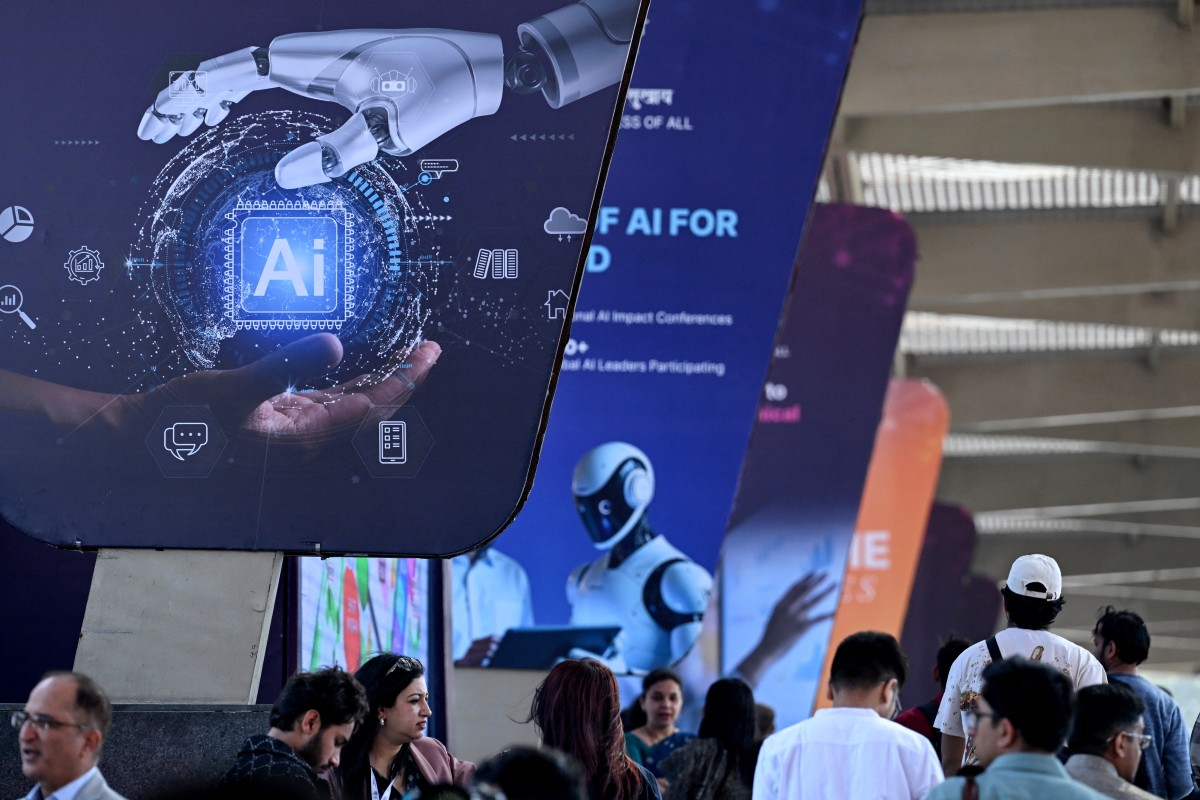
The AI industry faces a critical inflection point that directly impacts cross-border e-commerce sellers' operational costs and competitive positioning. According to AI pioneer Stuart Russell speaking at the India AI Impact Summit 2026, current AI investment levels ($3 trillion—50 times greater than the Manhattan Project) are fundamentally unsustainable without major technological breakthroughs. Russell argues the industry has hit a wall of diminishing returns, with current large language models unable to deliver the returns investors demand. This creates immediate uncertainty for sellers relying on AI-powered tools for automation, pricing optimization, and customer service.
The Regulatory Vacuum Creates Operational Risk: Russell warned that tech CEOs are engaged in an AI "arms race" without adequate safety architecture or binding international governance frameworks. Previous AI summits have produced only voluntary commitments, leaving sellers exposed to sudden regulatory shifts. For India-based sellers and those outsourcing customer service operations, this poses acute threats: India expects $200 billion in AI investments within two years (with $90 billion already committed), yet lacks binding regulations protecting backend support jobs. AI systems designed as "human imitators" naturally replace cognitive workers—directly threatening the 50K+ customer service and tech support roles prevalent in cross-border e-commerce operations. Outsourcing firm shares have already declined as market participants anticipate job displacement.
Immediate Seller Implications: The AI bubble warning signals potential market volatility affecting AI tool pricing and availability. Cohere co-founder Nick Frosst (February 17, 2026 CNN podcast) emphasized that current AI systems remain far from AGI status—users quickly recognize limitations and interact with tools strategically rather than as peers. This means sellers cannot yet rely on fully autonomous AI systems for complex tasks like dynamic pricing, inventory forecasting, or customer relationship management. Simultaneously, Gary Marcus's research shows AI-driven automation would increase total factor productivity by only 0.66% over ten years, with only a minority of firms reporting economically meaningful returns. This suggests sellers investing heavily in AI tools may face disappointing ROI, while competitors who adopt selectively could gain advantages.
Strategic Implications for Seller Operations: The lack of binding international AI governance creates uncertainty around customer service automation strategies. Younger consumers increasingly resist AI dehumanization, potentially affecting seller strategies and customer engagement approaches. Sellers must balance automation cost savings against brand risk from AI-driven customer interactions. The $3 trillion bubble warning suggests AI tool vendors may face consolidation or pricing pressure, affecting subscription costs for seller-focused AI platforms. Additionally, the geopolitical "arms race" between US and China over AI development could trigger sudden regulatory changes affecting data privacy, AI model training, and cross-border data flows—critical for sellers using AI analytics on customer behavior.
問題 7
How should sellers prepare for potential AI tool vendor consolidation or failures?
The $3 trillion bubble warning signals potential vendor instability. Sellers should: (1) avoid single-vendor dependency—use 2-3 competing AI tools for critical functions, (2) ensure data portability—verify you can export customer data, pricing rules, and analytics from AI platforms, (3) document AI workflows and decision rules so you can migrate to alternative tools, (4) negotiate contract terms allowing 90-day exit windows, (5) maintain backup systems for critical operations (pricing, inventory), and (6) monitor vendor funding announcements—declining investment signals potential service disruptions. Budget 20-30 hours for vendor transition planning per critical AI tool.
What AI capabilities can sellers reliably use today versus what should they avoid?
Reliable NOW: product research automation, listing keyword optimization, basic customer inquiry routing, inventory forecasting for high-volume SKUs, dynamic pricing for commodity categories. Avoid or use cautiously: fully autonomous customer service without human oversight, complex financial decisions (supplier selection, market entry), predictive analytics on small datasets, AI-driven content creation without human review. Nick Frosst emphasized that current AI systems remain far from AGI—users quickly recognize limitations. Sellers should treat AI as a productivity tool requiring human judgment, not as autonomous decision-making systems. Test all AI implementations with 5-10% of operations before scaling.